

&imwidth=800&imheight=600&format=webp&quality=medium "‘One who controls air and space controls this planet’: IAF veterans reveal India's next war strategy")
India's future air superiority will depend on an interconnected combat network combining stealth fighters, autonomous drones, artificial intelligence and military satellites, according to two former senior Indian Air Force officers. Speaking exclusively to WION Defence Pulse, former IAF Vice Chief Air Marshal Anil Khosla (Retd.) and former Director General of the Centre for Air Power Studies Air Marshal Anil Chopra (Retd.) outlined how India is preparing for the next generation of aerial warfare.
The Three Cs of India's Future Air Warfare
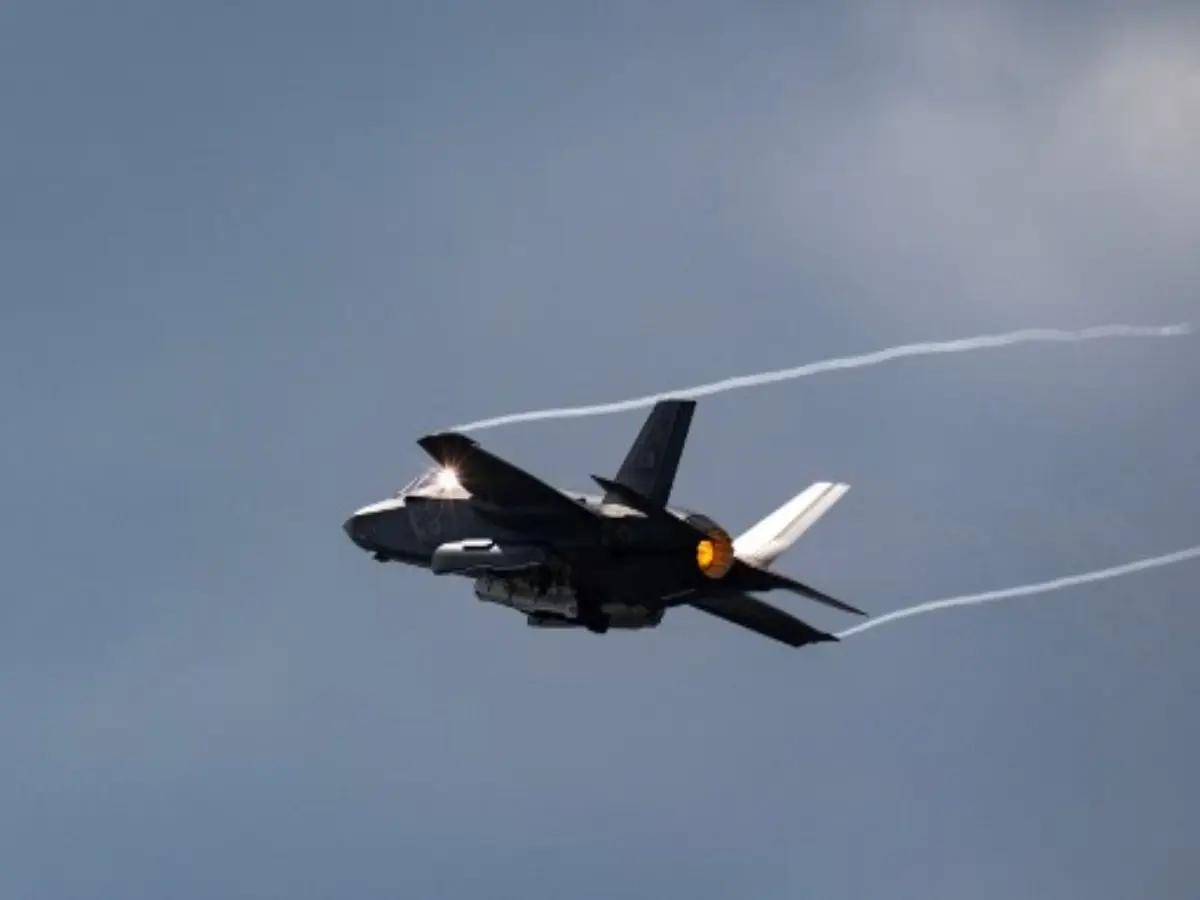
Air Marshal Khosla described the transformation through what he calls the three Cs, “Coherent Collaborative Combat.” He explained that air warfare has evolved from pilot-centric operations to platform-centric and weapon-centric combat. The next phase will integrate fighter aircraft, helicopters, drones, ground sensors, satellites and command centres into a single networked combat ecosystem.
According to him, the advantage will belong to the air force capable of sensing, deciding and adapting faster than its adversary. Addressing India's AMCA ambitions, he stressed that stealth aircraft, long-range weapons, drones and integrated sensors must be developed together.
Fighter Pilots Could Become Battlefield Conductors
Air Marshal Khosla also highlighted manned-unmanned teaming, where fighter aircraft operate alongside autonomous or semi-autonomous combat drones. Calling it the “Mother Goose” concept, he compared future fighter pilots to orchestra conductors coordinating multiple unmanned platforms during combat missions.
Trending Stories
&imwidth=180&imheight=135&format=webp&quality=medium)
Premier League: Haaland wants Manchester City to 'try to enjoy the situation and win the game'
&imwidth=180&imheight=135&format=webp&quality=medium)
'Nidal Hasan's firing-squad execution to be livestreamed', says Pentagon; first US military execution since 1961
&imwidth=180&imheight=135&format=webp&quality=medium)
Trump's naked 23-karat gold statue unveiled near European Parliament
&imwidth=180&imheight=135&format=webp&quality=medium)
‘Never-ending flow of cheap labour’: JD Vance hits back at Indian-origin Congresswoman over US green card curbs for major tech companies
&imwidth=180&imheight=135&format=webp&quality=medium)
Thai Actors Fourth Nattawat, Gemini Norawit face racism accusations from Indian fans over viral Bollywood act
&imwidth=180&imheight=135&format=webp&quality=medium)
Nigeria govt rolls out 30-day NNPC petrol discount, insists it is not a subsidy
&im=FitAndFill=(700,400)&imwidth=180&imheight=135&format=webp&quality=medium)
Fastest-growing Asian economies in 2026: Who tops the chart? Where does India rank?
&imwidth=180&imheight=135&format=webp&quality=medium)
24-year-old Sri Lankan man sentenced to death for blasphemy in Saudi Arabia
&imwidth=180&imheight=135&format=webp&quality=medium)
A Love Other Than Yours: The temptation to cheat and what pushes people over the edge
&imwidth=180&imheight=135&format=webp&quality=medium)
Russia president Putin promises to 'do everything' to help settle Middle East conflict as US-Iran negotiations stall
&imwidth=180&imheight=135&format=webp&quality=medium)
‘Wait till you discover the other guy’: Rahul Gandhi takes a swipe as Musk's 'Ambani real boss of India' remark triggers X subscription cancellations
&imwidth=180&imheight=135&format=webp&quality=medium)
BTS agency HYBE announces first-ever Weverse Con Festival in India
&imwidth=180&imheight=135&format=webp&quality=medium)
Trump has a new 'enemy': Anyone who calls it 'artificial intelligence'. Here's what we wants instead
&imwidth=180&imheight=135&format=webp&quality=medium)
India at UN: Pak allows terror groups to operate from its soil
&imwidth=180&imheight=135&format=webp&quality=medium)
Air India, Air India Express increase fuel surcharge on domestic, international flights amid rising ATF costs
&imwidth=180&imheight=135&format=webp&quality=medium)
'Something truly catastrophic will happen': Former OpenAI researchers sound the alarm, claim they were fired for prioritising AI safety
&im=FitAndFill=(700,400)&imwidth=180&imheight=135&format=webp&quality=medium)
From Kramatorsk buses to Yandex fire: Russia-Ukraine war in the last 48 hours
&imwidth=180&imheight=135&format=webp&quality=medium)
Pakistan denies reports of PAF jets being used in attacks against Iran-backed Houthis in Yemen
&imwidth=180&imheight=135&format=webp&quality=medium)
New York ICE shooting sparks protests as Mamdani to call on Trump to halt ICE operations
&imwidth=180&imheight=135&format=webp&quality=medium)
Atlantic hurricane Isaias could make landfall as a strong Category 2 storm, tornado warnings issued
&imwidth=180&imheight=135&format=webp&quality=medium)
Nana Patekar's #MeToo controversy: From Tanushree Dutta’s allegations to court ruling
&imwidth=180&imheight=135&format=webp&quality=medium)
Who is Nana Patekar's wife Neelakanti? The bank officer who earned Rs 2,500 when he earned Rs 50
&imwidth=180&imheight=135&format=webp&quality=medium)
KATSEYE’s Sophia Laforteza to return in 2027 after hiatus, agency issues statement
&imwidth=180&imheight=135&format=webp&quality=medium)
French students light European bonfire, protests erupt in Belgium, Italy & Greece | Gravitas
&imwidth=180&imheight=135&format=webp&quality=medium)
France student protests: Over 500 arrested, govt promises 3,000 substitute teachers
&imwidth=180&imheight=135&format=webp&quality=medium)
Arizona congressional candidate claims she was sexually assaulted while repairing signs
&imwidth=180&imheight=135&format=webp&quality=medium)
New Cold War: Why is China buying more gold? Explained
&imwidth=180&imheight=135&format=webp&quality=medium)
OpenAI shuts down Russian, Iranian influence operations using ChatGPT to spread propaganda
&imwidth=180&imheight=135&format=webp&quality=medium)
'Understood consequences of a few mistakes': Ishan Kishan reflects on journey back to India team
&im=FitAndFill=(700,400)&imwidth=180&imheight=135&format=webp&quality=medium)
435 House seats, 35 Senate races: The numbers behind US midterms 2026
&imwidth=180&imheight=135&format=webp&quality=medium)
Zendaya gives The Odyssey white lace jacket a stylish twist at Paris Fashion Week 2026
&imwidth=180&imheight=135&format=webp&quality=medium)
SC asks Centre to frame mechanism against unethical pharma marketing practices
&imwidth=180&imheight=135&format=webp&quality=medium)
US suspends Microsoft, Infosys, Tata, Wipro from green card programme over alleged H-1B abuse
&imwidth=180&imheight=135&format=webp&quality=medium)
Trump honours Microsoft CEO Satya Nadella with top technology honour amid immigration scrutiny
&imwidth=180&imheight=135&format=webp&quality=medium)
Flydubai flight attack: Indian pilot Smit Machchhar to receive Israel's highest civilian bravery award for saving 174 lives
He emphasised that loyal wingmen would not replace fifth-generation stealth fighters. Instead, manned-unmanned teaming represents a key element of emerging sixth-generation warfare. India's HAL is already pursuing related technologies through its CATS programme.
Space Will Decide Future Military Operations
Air Marshal Chopra delivered an equally significant warning about the growing importance of military space capabilities. “One who controls air and space controls this planet,” he said. Describing space as the ultimate high ground, Air Marshal Chopra explained that modern military operations increasingly depend on satellites for intelligence, surveillance, reconnaissance, navigation, communications and targeting.
He highlighted India's planned 52-satellite programme and the growing involvement of private companies in strengthening the country's space infrastructure. He also pointed to India's demonstrated anti-satellite capability and continuing work on advanced space technologies.
India Needs Thousands of Combat Drones
Beyond space, Air Marshal Chopra identified fighter squadron strength and unmanned warfare as urgent modernisation priorities. He called for accelerating the Su-30MKI upgrade, fighter acquisitions and indigenous combat aircraft programmes. He also stressed the importance of hypersonic weapons and directed-energy systems.
Together, the two veterans outlined an India-focused strategy and their central message was clear. India's next air war will not be shaped by individual fighter aircraft alone, but by the combined strength of its weapons, networks, satellites and autonomous systems.

