US Midterms 2026: How grocery bills, cost of living are turning the Nov 3 election into a test of Trump

&imwidth=600&imheight=450&format=webp&quality=medium "US Midterms 2026: How grocery bills, cost of living are turning the Nov 3 election into a test of Trump")
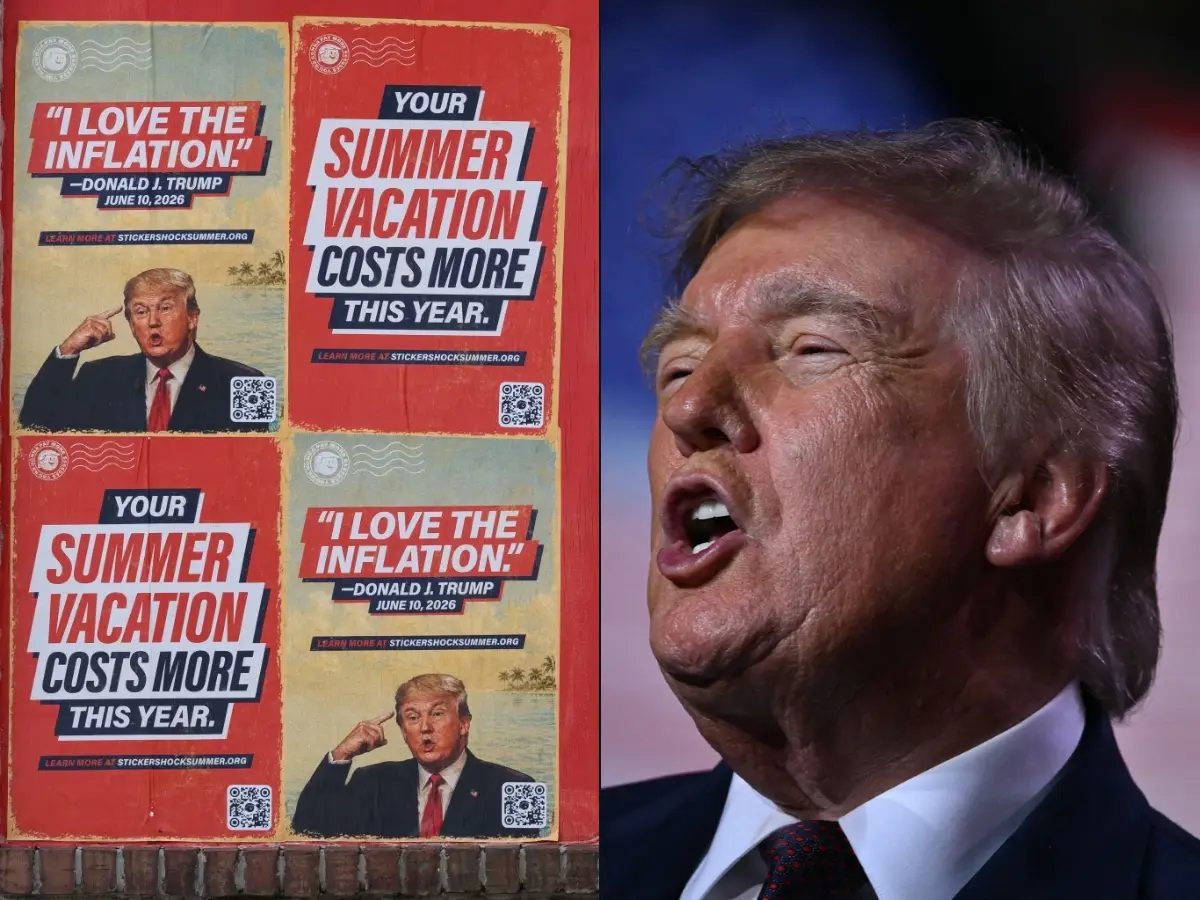
US midterms: Voters blame Trump as cost of living becomes key election issue Photograph: (Combination image: AFP pics)
US voters head into the midterms with grocery, fuel and housing costs high on their minds. A new AP-NORC poll shows 65% blame Trump's policies for today's cost-of-living pressures, putting his economic record at the centre of the 2026 campaign.
With less than a month to go before the 2026 US midterm elections, the cost of groceries, fuel and other everyday essentials is emerging as a central issue for voters and a test for US President Donald Trump. According to a newAP-NORC poll, about 65 per cent of US adults surveyed said Trump's policies were responsible for today's high cost of living, while 67 per cent of Republicans said factors outside Trump's control were more responsible. Just 17 per cent approved of Trump's handling of the cost of living, while his approval on the economy stood at 26 per cent, a new low in the poll.
The poll, conducted September 24-28 among 2,140 adults, comes as Trump steps up his campaign appearances ahead of the November 3 elections, when voters will decide control of Congress.
Also read | 100 victory claims, 200+ days of war: Is Trump's Iran gamble turning into a midterm nightmare?
Trump's economic message faces voter test: 7 in 10 say performance 'worse than expected'
Notably, affordability was a major theme of Trump's 2024 campaign, when he repeatedly blamed the Joe Biden administration for inflation and promised to bring prices down.
Since then, Trump has continued to argue that he inherited high prices from former President Joe Biden. In August, he said grocery and other prices were already “tremendously out of control” when he returned to the White House.
Trending Stories
)
)
)
)
)
)
)
)
)
)
)
)
)
)
)
)
)
)
)
)
)
)
)
)
)
)
)
)
)
)
)
)
)
)
&im=FitAndFill=(700,400))
)
)
)
)
"Affordability ... I inherited that from the Biden administration. We had very high prices; we had eggs that were selling at four times what they are now, we had all sorts of products that were just tremendously out of control," Trump said in the Oval Office on Aug. 31.
But voters surveyed by AP-NORC are increasingly dissatisfied with the results. About seven in 10 said Trump's handling of the cost of living had been worse than expected. More than half also said the national economy, the country overall and their local economy were worse than when Trump took office in 2025.
Trump's economic approval has fallen 14 percentage points since March 2025, according to AP-NORC. Latest Trump approval ratings:
RealClearPolitics Poll Average: 38.8% approve, 59.6% disapprove
New York Times: 37% approve, 61% disapprove
Silver Bulletin: 37.7% approve, 59.9% disapprove
Also read | Trump slams Tennessee for murderer Christa Pike’s failed lethal injection execution: ‘Should be easy to do’
$5,000 'Trump dividend' enters campaign
Trump has sought to counter the affordability concerns with a series of proposals. At the Republican Party's first midterm convention in Dallas last month, he proposed a $5,000 payment to every US adult if Republicans retain control of Congress. Trump later said the country could afford the payments, but the proposal would require congressional approval and could cost more than $1 trillion.
He has also promoted lower drug prices and a separate $500 payment for nearly 1 million Americans who, his administration says, were overcharged through Affordable Care Act coverage. Reuters reported that those payments are being distributed in 30 states, including several politically competitive states.
Trump puts himself at centre of midterm campaign
Trump has increasingly presented the midterms as a choice between his administration and Democrats, urging supporters to vote Republican even though his name is not on the ballot.
He is also embarking on an aggressive campaign schedule, with appearances planned across competitive House and Senate contests. AP reported on Friday that Trump was campaigning in Alabama before travelling to Ohio, while his party faces growing pressure over economic dissatisfaction.
The result is an election in which congressional candidates are campaigning on local issues, but Trump's record, economic policies and handling of inflation are increasingly getting difficult to separate from the national Republican message.

