Trump, ahead of US-Iran talks in Geneva, warns Tehran of 'consequences' if nuclear deal fails

&imwidth=600&imheight=450&format=webp&quality=medium "Trump, ahead of US-Iran talks in Geneva, warns Tehran of 'consequences' if nuclear deal fails")
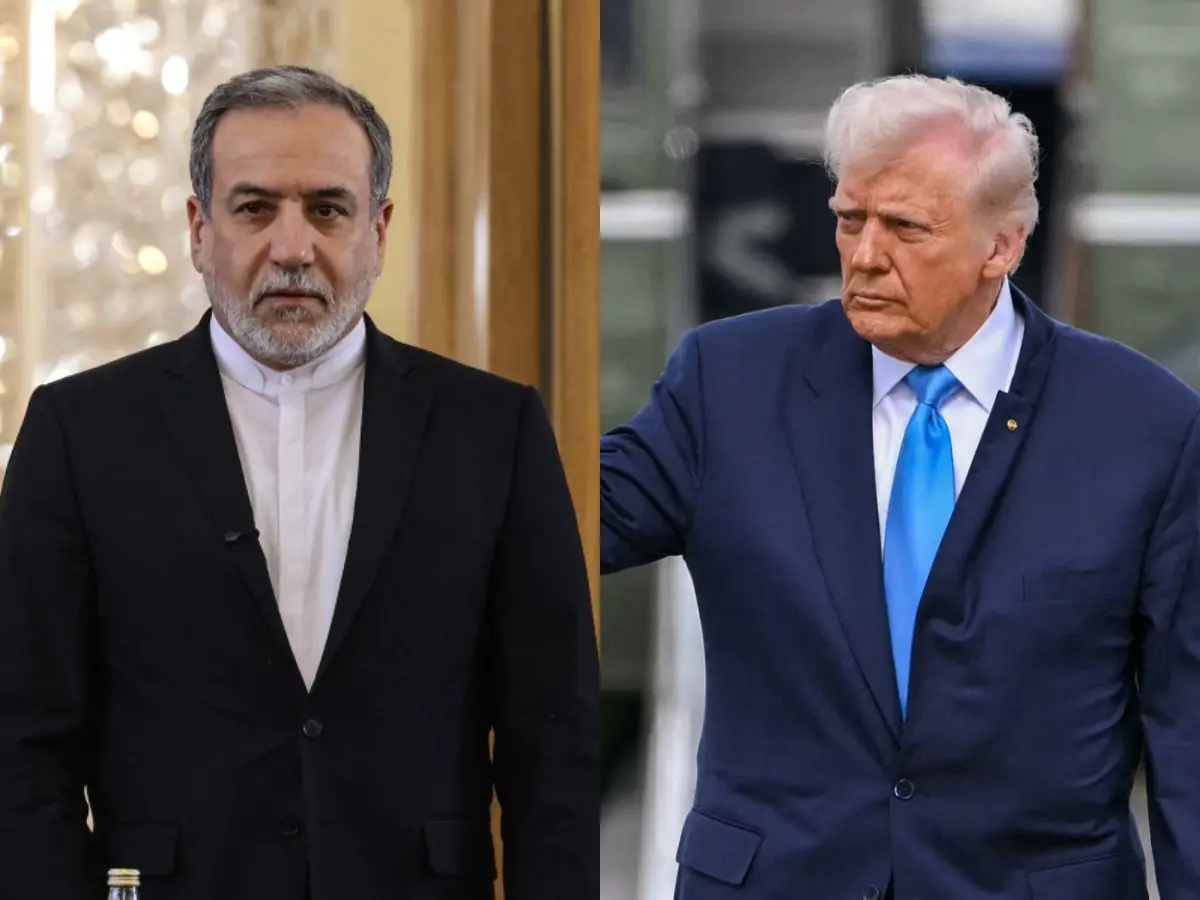
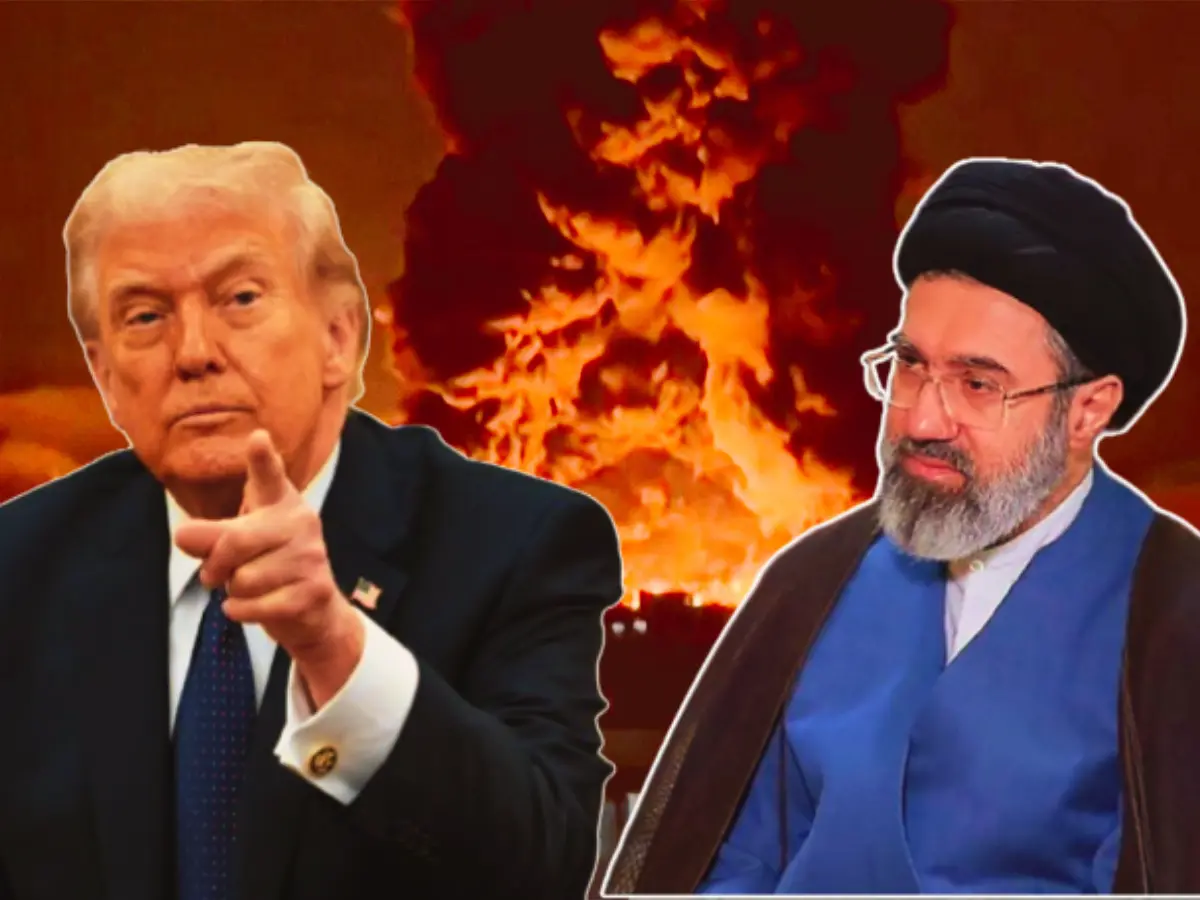
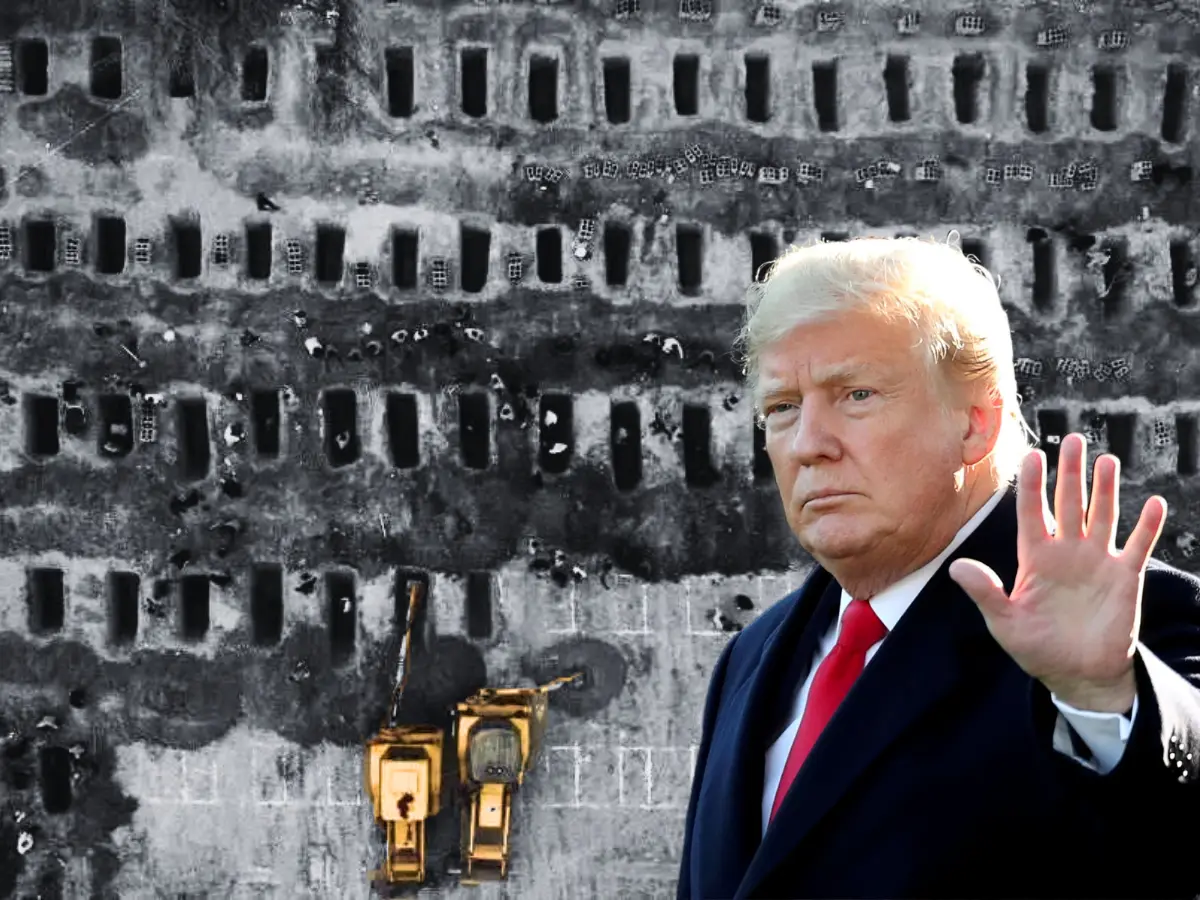
Iran President Masoud Pezeshkian, US President Donald Trump Photograph: (Combination created using images from AFP)
Trump has issued a fresh warning to Iran ahead of crucial Geneva talks, claiming US strikes already crippled Tehran’s nuclear ambitions and hinting at “consequences” if negotiations fail. Will diplomacy work this time, or is escalation coming? Scroll down to read more.
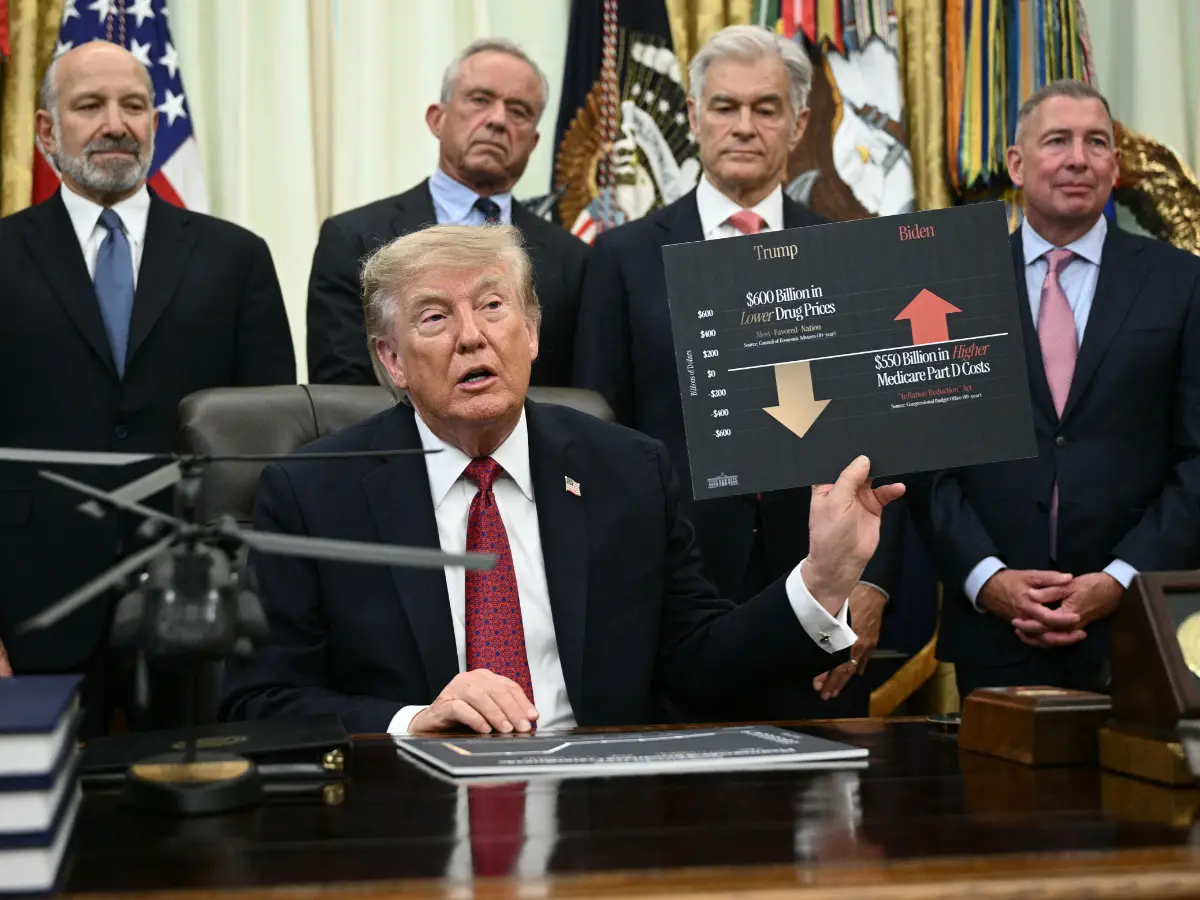
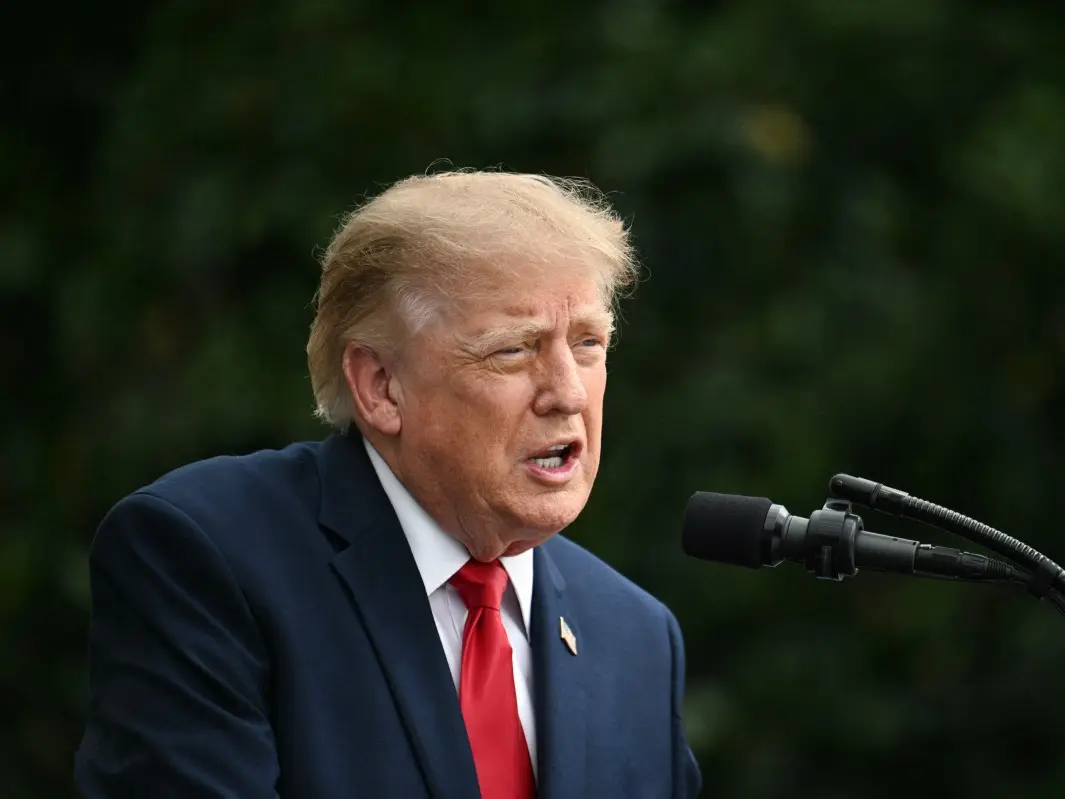
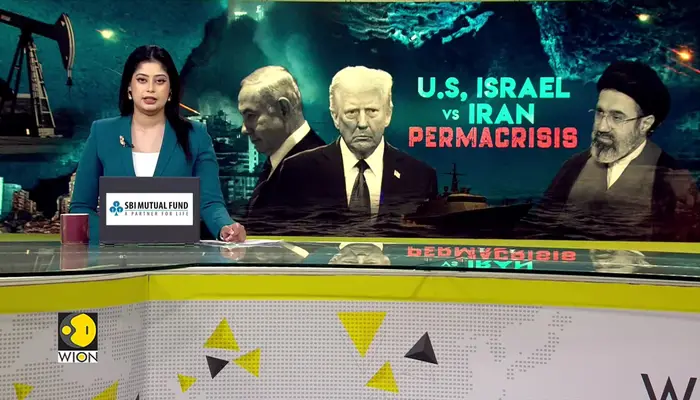
US President Donald Trump on Monday (Feb 16) sounded an ominous warning against Iran, warning the nation of "consequences of not making a deal" ahead of looming talks between America and Tehran in Geneva. The POTUS confirmed that he would take part in the vital talks "indirectly".
Is Iran a "bad negotiator"?
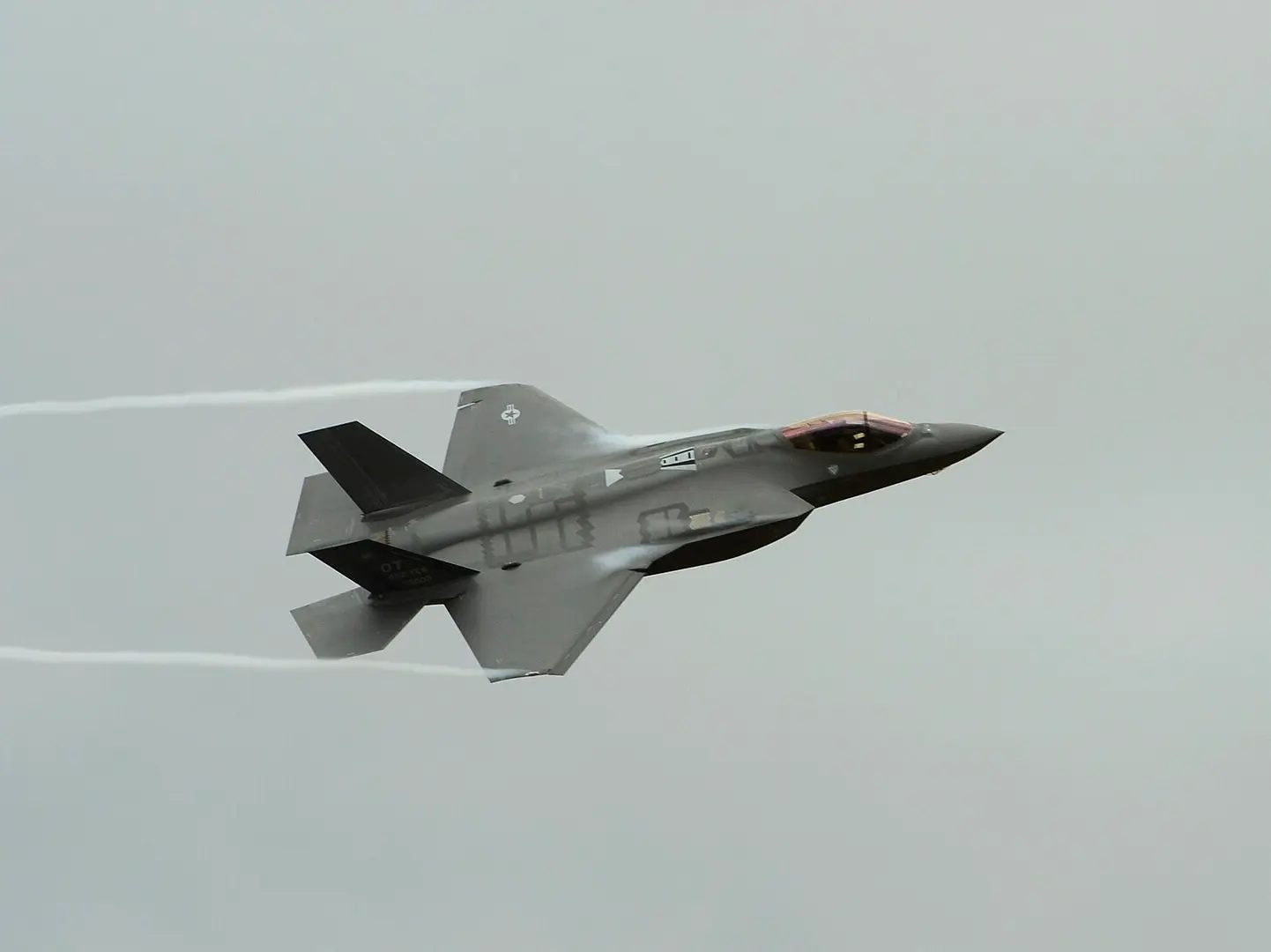
Calling the impending talks "very important", the US President noted that Iran was a "tough negotiator" but also insisted that the leaders of the nation were "bad negotiators as we could have had a deal instead of sending out B-2s (B-2 Bombers) to knock out their nuclear potential." He added that he hoped Iran would be "more reasonable".
"They want to make a deal... We have peace in the Middle East." He predicted some contention, saying, "You will see some flames here and there, but we essentially have peace in the Middle East. That happened because we did a B-2 attack on the nuclear potential." Trump once again insisted that without the United States' Operation Midnight Hammer - under which US forces targeted three key nuclear facilities in Fordow, Natanz, and Isfahan - Tehran "would have had a nuclear weapon within one month." He added, "If that happened, it would have been a whole different deal."
When will the US and Iran hold the next round of talks?
Trending Stories
)
)
)
&im=FitAndFill=(700,400))
)
)
)
)
&im=FitAndFill=(700,400))
)
)
)
)
)
)
)
)
)
)
)
)
)
)
)
)
)
)
)
)
)
)
)
)
)
&im=FitAndFill=(700,400))
)
)
)
&im=FitAndFill=(700,400))
)
The latest round of talks between the two nations is scheduled for Tuesday (Feb 17) in Geneva. They will be mediated by Oman and come after repeated threats from Trump of military action against Tehran over Iran's deadly crackdown on anti-government protests, and then more recently over the country's nuclear programme. Following Trump's threats of intervention, the United States has also deployed warships led by the USS Abraham Lincoln aircraft carrier off Iran’s shores.
The previous nuclear negotiations between Iran and the United States took place in Muscat, Oman, and Rome, Italy, in April 2025.
Also read | Nobel Committee accuses Iran of 'life-threatening mistreatment' of jailed Peace Prize winner Narges Mohammadi
While the US and some European nations fear that Iran's nuclear programme is aimed at making a bomb, Tehran denies the claims. Earlier this month, talking to Reuters, a regional diplomat briefed by Iran insisted that the Islamic Republic would not budge on its right to enrich uranium inside Iran. However, the nation was willing to discuss the "level and purity" of enrichment or a regional consortium, said the diplomat, adding that Tehran believed the US negotiators "seemed to understand Iran’s stance on the enrichment … and they showed flexibility about Tehran’s demands."

