Nuclear bait-and-switch? REVEALED! Iran’s Farsi ceasefire plan has a hidden clause suspiciously missing from English version

&imwidth=600&imheight=450&format=webp&quality=medium "Nuclear bait-and-switch? REVEALED! Iran’s Farsi ceasefire plan has a hidden clause suspiciously missing from English version")
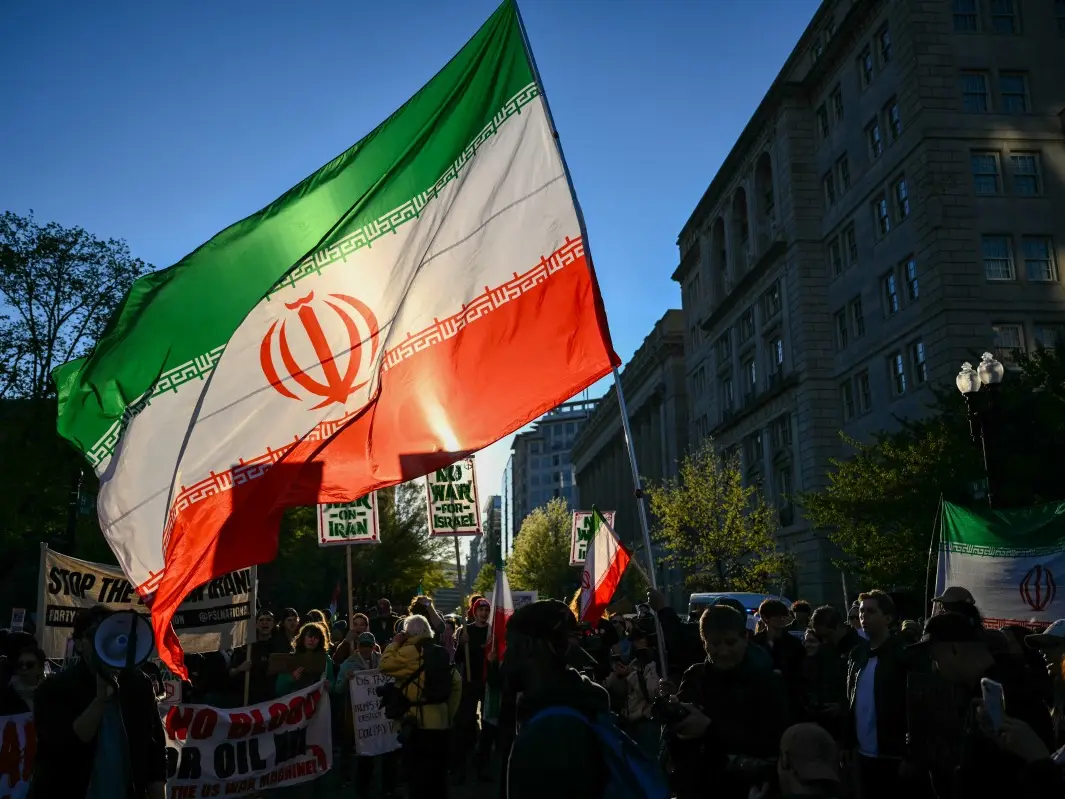
Demonstrators gather to protest against US military action in Iran in Washington, DC, on April 7, 2026. Photograph: (AFP)
Is Iran saying one thing in English and another in Farsi? Reports suggest a key clause on nuclear enrichment appears only in the Farsi version of Tehran’s ceasefire plan, missing from English copies shared with journalists. Was it an oversight or deliberate?
Scroll down to read more
A major diplomatic row seems to be brewing over the "fine print" of the two-week ceasefire reached between the United States and Iran. As Tehran released a 10-point plan for securing an end to the war in West Asia, reports suggest that the English version of Iran's plan does not reflect all the conditions. On Wednesday (April 8), it was revealed that the Farsi version of Iran's 10-point plan includes a demand for the "Acceptance of Enrichment," a clause notably absent from English versions shared with international media.
Lost in translation?
While Western diplomats and journalists received an English version of Iran’s 10-point ceasefire plan, a Farsi-language version, as per an AP report, included a critical demand: the "acceptance of enrichment" for its nuclear program.
This specific demand was conspicuously absent from the English copies, raising questions about whether Tehran is signalling a harder line to its domestic audience or if the omission was a calculated diplomatic manoeuvre. Notably, the demand was there in a post by the Consulate General of the Islamic Republic of Iran- Hyderabad, India.
Trending Stories
)
)
)
)
)
)
)
)
)
)
)
)
)
)
)
)
)
)
)
)
)
)
)
)
&im=FitAndFill=(700,400))
)
)
)
)
)
)
)
)
)
Trump says Iran's nuclear material will be 'taken care of'
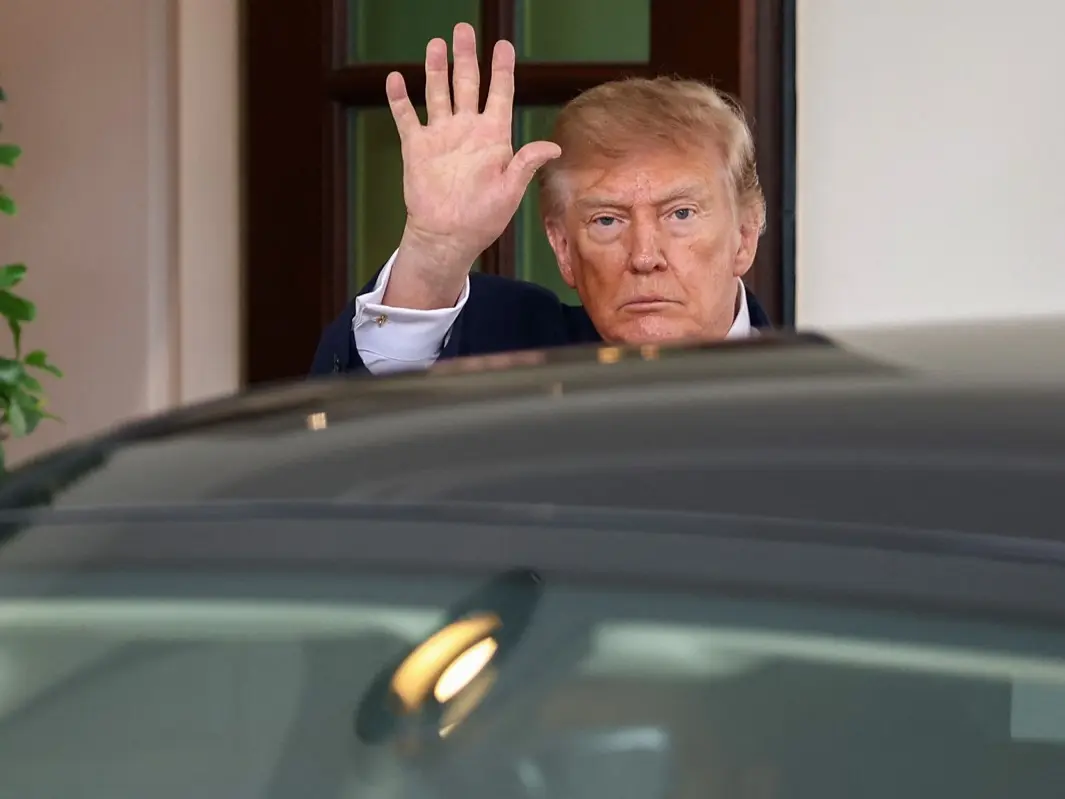
Meanwhile, in a conversation with news agency AFP, US President Trump sought to assure the world that Iran's nuclear material will be "perfectly taken care of."
When asked about Iran's uranium stockpile, which the US and Israel allege was being used to develop a nuclear weapon, Trump said, "That will be perfectly taken care of, or I wouldn't have settled." However, when asked in what way America will "take care" of Iran's uranium, Trump evaded the question and just said, "I wouldn't have settled."
Disclaimer: WION takes utmost care to accurately and responsibly report ongoing conflicts in West Asia involving Israel, Iran, US, Gulf nations and non-state actors like Hezbollah, Hamas, Houthis, Islamic State, and others. Claims and counterclaims, disinformation and misinformation are being made online and offline. Given this context, WION cannot independently verify the authenticity of all statements, social media posts, photos and videos.

