

&imwidth=800&imheight=600&format=webp&quality=medium "Oil lifeline back? Tehran reopens Strait of Hormuz for 2 weeks as US-Iran agree to 11th-hour truce")
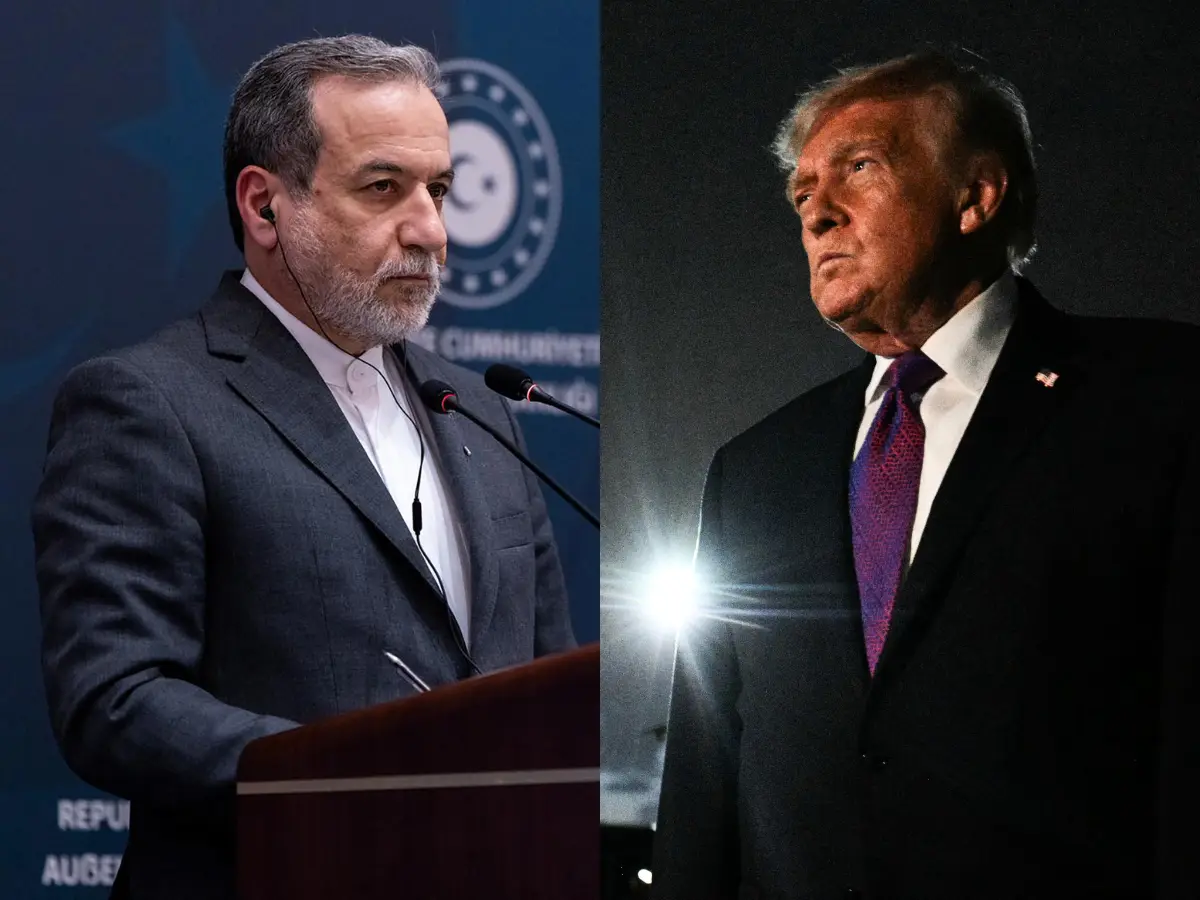
Iran on Tuesday (Apr 7) gave a green light to safe passage through the Strait of Hormuz for a period of two weeks as the United States and Tehran agreed to a temporary ceasefire just under an hour before US President Donald Trump's deadline to launch a devastating new wave of strikes was set to expire. In a post on X, Iranian Foreign Minister Seyed Abbas Araghchi announced a temporary reopening of the Strait of Hormuz, the chokepoint whose closure has rattled global energy markets, sent oil prices surging past $100 a barrel, and pushed several Asian nations toward fuel rationing since the conflict began on February 28.
Two-week ceasefire in place: What did Iran say about Hormuz?
The United States of America and Iran pulled back from the edge Tuesday, agreeing to a two-week ceasefire. Announcing the truce on Truth social just an hour before his deadline to launch large-scale military strikes, Trump said, "Subject to the Islamic Republic of Iran agreeing to the COMPLETE, IMMEDIATE, and SAFE OPENING of the Strait of Hormuz, I agree to suspend the bombing and attack of Iran for a period of two weeks."
Also read | Betting on a missing US pilot? Polymarket apologises for ‘DISGUSTING’ wager amid Iran war
Confirming the ceasefire, Iranian FM on X said that this includes a temporary reopening of the Strait of Hormuz. Araghchi credited Pakistani Prime Minister Shehbaz Sharif and Field Marshal Asim Munir for what he described as "tireless efforts" in brokering the pause, and confirmed that Iran had agreed to halt its "defensive operations" if "attacks against Iran are halted" first.
The ceasefire framework appears to be a hybrid of two competing proposals — a 15-point US plan and a 10-point Iranian counterproposal. Araghchi said Washington had accepted Iran's general framework as a basis for negotiations, while Tehran responded to Islamabad's direct appeal to stand down. The Strait will reopen to maritime traffic on a coordinated basis, with Iran's armed forces managing passage and flagging what Aragchi described as "technical limitations."
Disclaimer: WION takes utmost care to accurately and responsibly report ongoing conflicts in West Asia involving Israel, Iran, US, Gulf nations and non-state actors like Hezbollah, Hamas, Houthis, Islamic State, and others. Claims and counterclaims, disinformation and misinformation are being made online and offline. Given this context, WION cannot independently verify the authenticity of all statements, social media posts, photos and videos.

