Iran discovers 7.5 trillion cubic feet of natural gas amid war and sanctions | Gravitas

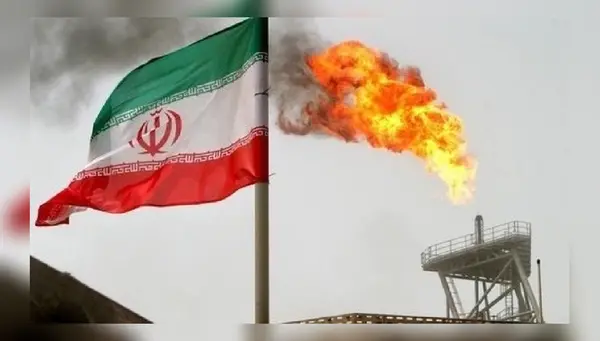
Iran's oil minister Mohsen Paknejad announced the discovery of 7.5 trillion cubic feet of natural gas Photograph: (AFP)
Iran's oil minister Mohsen Paknejad announced the discovery of 7.5 trillion cubic feet of natural gas in the south of Iran's Fars province. Based on an estimated recovery rate of 72%, he revealed that around 5.7 trillion cubic feet of gas could be extracted.
Even as Iran faces crippling US sanctions amid the ongoing West Asia conflict, it has struck a jackpot as far as new gas reserves are concerned, potentially adding a new stream of revenue in the future.
Iran's oil minister Mohsen Paknejad announced the discovery of 7.5 trillion cubic feet of natural gas in the south of Iran's Fars province. Based on an estimated recovery rate of 72%, he revealed that around 5.7 trillion cubic feet of gas could be extracted.
According to him, this gas field could produce around one billion cubic feet of natural gas per day for 15 years.
Now, this is not the first time new gas reserves have been discovered in Iran's Fars province.
In October last year, 10 trillion cubic feet of gas was found in the Pazan gas field of this province. However, nearly 75% of the country's natural gas reserves are concentrated in South Pars natural gas field, which it shares with Qatar in the Persian Gulf.
It is the world's largest natural gas field.
Trending Stories
&imwidth=280&imheight=210&format=webp&quality=medium)
&imwidth=280&imheight=210&format=webp&quality=medium)
&imwidth=280&imheight=210&format=webp&quality=medium)
&imwidth=280&imheight=210&format=webp&quality=medium)
&imwidth=280&imheight=210&format=webp&quality=medium)
&imwidth=280&imheight=210&format=webp&quality=medium)
&im=FitAndFill=(700,400)&imwidth=280&imheight=210&format=webp&quality=medium)
&imwidth=280&imheight=210&format=webp&quality=medium)
&imwidth=280&imheight=210&format=webp&quality=medium)
&imwidth=280&imheight=210&format=webp&quality=medium)
&imwidth=280&imheight=210&format=webp&quality=medium)
&imwidth=280&imheight=210&format=webp&quality=medium)
&imwidth=280&imheight=210&format=webp&quality=medium)
&imwidth=280&imheight=210&format=webp&quality=medium)
&imwidth=280&imheight=210&format=webp&quality=medium)
&imwidth=280&imheight=210&format=webp&quality=medium)
&im=FitAndFill=(700,400)&imwidth=280&imheight=210&format=webp&quality=medium)
&imwidth=280&imheight=210&format=webp&quality=medium)
&imwidth=280&imheight=210&format=webp&quality=medium)
&imwidth=280&imheight=210&format=webp&quality=medium)
&imwidth=280&imheight=210&format=webp&quality=medium)
&imwidth=280&imheight=210&format=webp&quality=medium)
&imwidth=280&imheight=210&format=webp&quality=medium)
&imwidth=280&imheight=210&format=webp&quality=medium)
&imwidth=280&imheight=210&format=webp&quality=medium)
&imwidth=280&imheight=210&format=webp&quality=medium)
&imwidth=280&imheight=210&format=webp&quality=medium)
&imwidth=280&imheight=210&format=webp&quality=medium)
&imwidth=280&imheight=210&format=webp&quality=medium)
&imwidth=280&imheight=210&format=webp&quality=medium)
&im=FitAndFill=(700,400)&imwidth=280&imheight=210&format=webp&quality=medium)
&imwidth=280&imheight=210&format=webp&quality=medium)
&imwidth=280&imheight=210&format=webp&quality=medium)
&imwidth=280&imheight=210&format=webp&quality=medium)
&imwidth=280&imheight=210&format=webp&quality=medium)
&imwidth=280&imheight=210&format=webp&quality=medium)
&imwidth=280&imheight=210&format=webp&quality=medium)
According to the US Energy Information Administration, Iran's estimated proven natural gas reserves stand at 1,200 trillion cubic feet, second only to Russia.
Why is the latest discovery vital for Iran?
The country's energy sector has taken a hit, owing to the US-Israeli strikes, with a daily reduction of 230 million cubic metres of natural gas production.
At the peak of the war, even the South Pars natural gas field was attacked by Israel. Since then, Iran has been carrying out repairs to its damaged energy infrastructure.
While Iran is the third-largest natural gas producer after America and Russia, it is also one of the world's largest gas consumers.
For instance, 94% of the gas that it produces is consumed domestically.
This is because Iranian households are heavily dependent on gas for cooking and heating.
According to the International Energy Agency, the residential sector accounted for 41.5% of the overall gas consumption, followed by industry with 36%.
This is not all.
About 85% of Iran's electricity is generated by gas-fired power plants.
According to reports, though, production of gas from the new site in Fars is likely to be years away, as Iran lacks sufficient investment and technology in field and upstream infrastructure development.
Its export capacity is also limited, with Turkiye and Iraq being the main buyers of Iranian natural gas.
However, Iran's oil and gas industry has remained resilient by using artificial intelligence to boost output.
Recently, Iranian researchers developed an indigenous, smart production management system.
It integrates wells, pipelines, and surface processing facilities and adjusts operating conditions to maximise efficiency.
According to the researchers, this can increase oil recovery in surface storage facilities by up to 59% over a 20-year production period besides reducing maintenance costs.