'Do not travel': US issues fresh alert for Russia amid pneumonic plague fears in Irkutsk

&imwidth=600&imheight=450&format=webp&quality=medium "'Do not travel': US issues fresh alert for Russia amid pneumonic plague fears in Irkutsk")
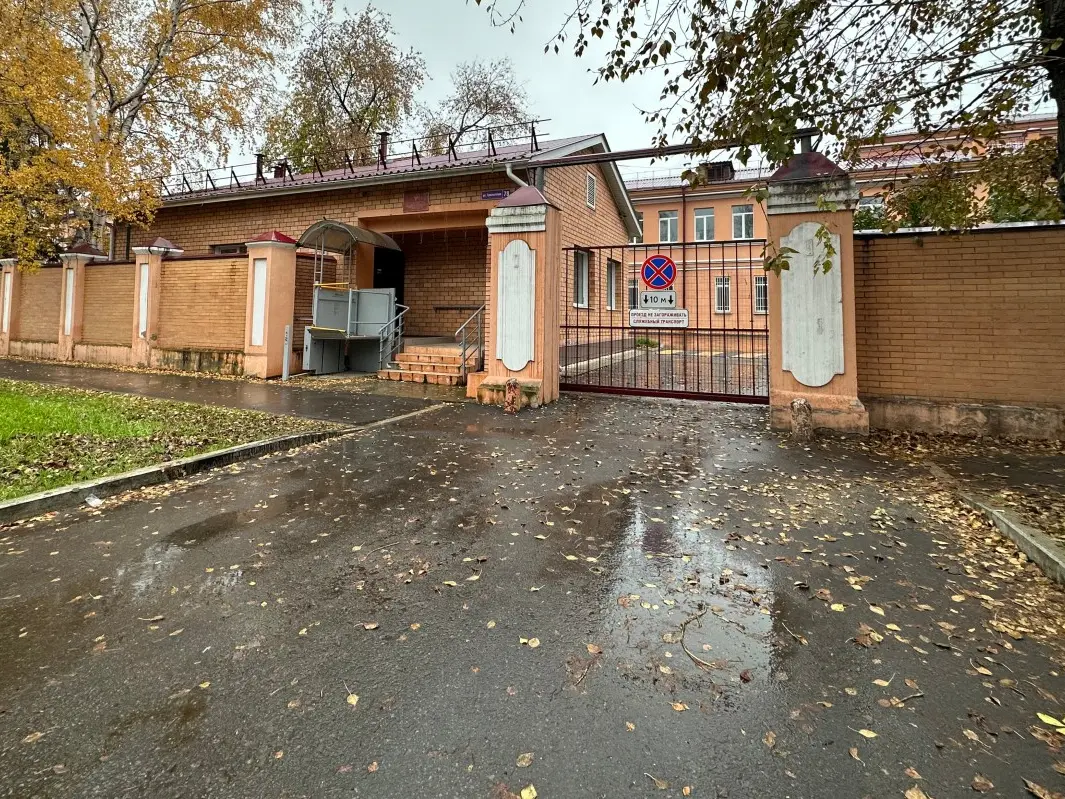
A view of the entrance to the grounds of the anti-plague institute in the city of Irkutsk Photograph: (AFP)
US reiterates its Level 4 Russia travel warning amid suspected pneumonic plague in Irkutsk, while WHO says the risk outside Russia is very low
The United States State Department has reiterated its Level 4 ‘Do Not Travel’ advisory for Americans travelling to Russia amid concerns over a suspected case of pneumonic plague following the death of a researcher in Irkutsk. The Level 4 advisory has been in place since Russia launched its invasion of Ukraine in February 2022. It was reaffirmed in December 2025, when the State Department said that there was no change to the advisory level or risk indicators.
US State department issues fresh health alert
On Tuesday, amid growing concerns about a possible pneumonic plague case in Russia, the State Department issued a new health alert while maintaining its existing Level 4 travel warning. Washington said it continues to track the situation closely. "The U.S. Embassy is aware of press reports from the Irkutsk region of suspected pneumonic plague resulting in the death of an individual and of associated quarantine measures in, and closures of, hospitals in Irkutsk," the alert, posted through the US State Department's Consular Affairs social media accounts, said.
"We continue to track the situation closely. The US government has limited ability to help US citizens in Russia, especially outside of Moscow. "The State Department’s Level 4 Travel Advisory (Do Not Travel) for Russia remains in place and states U.S. citizens currently in Russia should depart immediately," it continued. "US citizens planning travel to Russia are again strongly advised not to travel to Russia due to risk of wrongful detention and security concerns."
What happened in Irkutsk?
Trending Stories
)
)
)
)
)
)
)
)
)
)
)
)
)
)
)
)
)
)
)
)
)
)
)
)
)
)
)
)
)
)
)
)
)
)
&im=FitAndFill=(700,400))
)
)
)
)
Concerns over a possible plague outbreak emerged last week after Daria Shipilova, a researcher at the Irkutsk Anti-Plague Institute, died on Thursday, October 1, following reported contact with a live bacterium. Shipilova had been on a field trip with colleagues from the institute when the incident occurred. Following her death, around 200 people who had come into contact with her were placed under quarantine. Authorities have said those individuals have not developed symptoms so far as the investigation continues. The situation has nevertheless prompted heightened attention because pneumonic plague can affect the lungs and can potentially spread through respiratory droplets.
WHO says risk outside Russia is ‘very low’
The World Health Organization (WHO) sought to ease international concerns on Tuesday, saying the suspected pneumonic plague case in Russia currently poses a ‘very low risk’ beyond the country. The WHO said it remains in contact with Russian authorities, who are leading the investigation into the suspected case. “There is currently no indication that we are dealing with anything similar to the pandemic," WHO spokesman Christian Lindmeier told the Associated Press. A note from Russian authorities involved in the investigation reportedly added, “Test results showed no presence of dangerous infectious disease pathogens in any of the contacts.” Despite the WHO's assessment, the US State Department continues to urge Americans to avoid travelling to Russia, citing not only the health concerns but also existing security risks and the possibility of wrongful detention.

