Can your protein shake be dangerous? Here's what the tests found

&imwidth=600&imheight=450&format=webp&quality=medium "Can your protein shake be dangerous? Here's what the tests found")
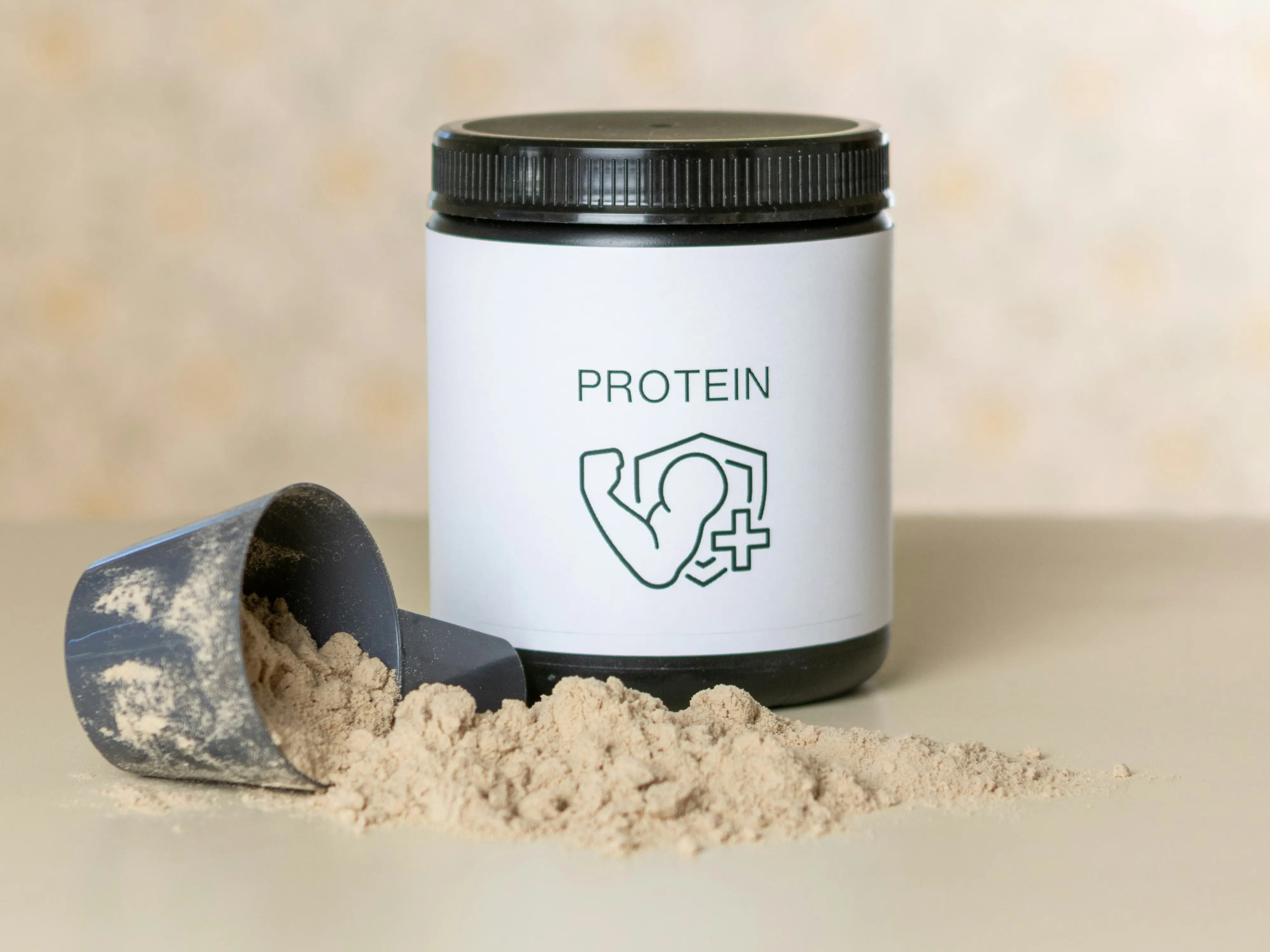
For representational purpose only Photograph: (Unsplash)
Tests reveal many protein powders and shakes contain harmful lead levels. Consumer Reports advises caution, especially with plant-based options, due to contamination risks
A recent Consumer Reports investigation has found alarming levels of lead contamination in popular protein powders and ready-to-drink shakes. After analysing 23 widely-used products, it was found that over two-thirds of them contained lead levels above safe daily consumption limits. Some products even exceeded the safe threshold by as much as 10 times. Notably, almost all plant-based protein products tested had detectable lead levels, with some posing a higher risk.
On average, plant-based proteins had nine times more lead than dairy-based proteins, such as whey, and double the amount compared to beef-based options. While dairy proteins typically had lower contamination, many still exceeded recommended lead levels, prompting Consumer Reports experts to warn against their regular use.
The study also found that lead levels are higher than they were 15 years ago, and fewer products had traceable amounts. Among the most contaminated products were Naked Nutrition Vegan Mass Gainer (7.7 mcgs), Huel Black Edition, Chocolate (6.31 mcgs), and Garden of Life Sport Organic Plant-Based Protein, Vanilla (2.76 mcgs). Around 70% of the products tested surpassed Consumer Reports' threshold for concern (0.5 mcgs of lead per day).
Despite these findings, Consumer Reports reassured consumers that occasional use of these protein powders isn’t likely to cause immediate harm. However, they advised against daily use of protein supplements, especially those with high lead levels, as the benefits may not outweigh the risks. Regular users should consider reducing their intake, as it’s possible to meet protein needs without relying on these contaminated products. Tunde Akinleye, food and safety researcher for the group who led the testing project, said, “We advise against daily use for most protein powders, since many have high levels of heavy metals and none are necessary to hit your protein goals.”
Trending Stories
&im=FitAndFill=(700,400))
)
)
)
)
&im=FitAndFill=(700,400))
)
)
)
)
)
)
)
)
)
)
)
&im=FitAndFill=(700,400))
)
)
)
)
)
&im=FitAndFill=(700,400))
)
)
)
)
)
&im=FitAndFill=(700,400))
)
)
)

