'Unfair, unjust, and illegal': Iran slams UN sanctions after Europe triggers snapback

&imwidth=600&imheight=450&format=webp&quality=medium "'Unfair, unjust, and illegal': Iran slams UN sanctions after Europe triggers snapback")
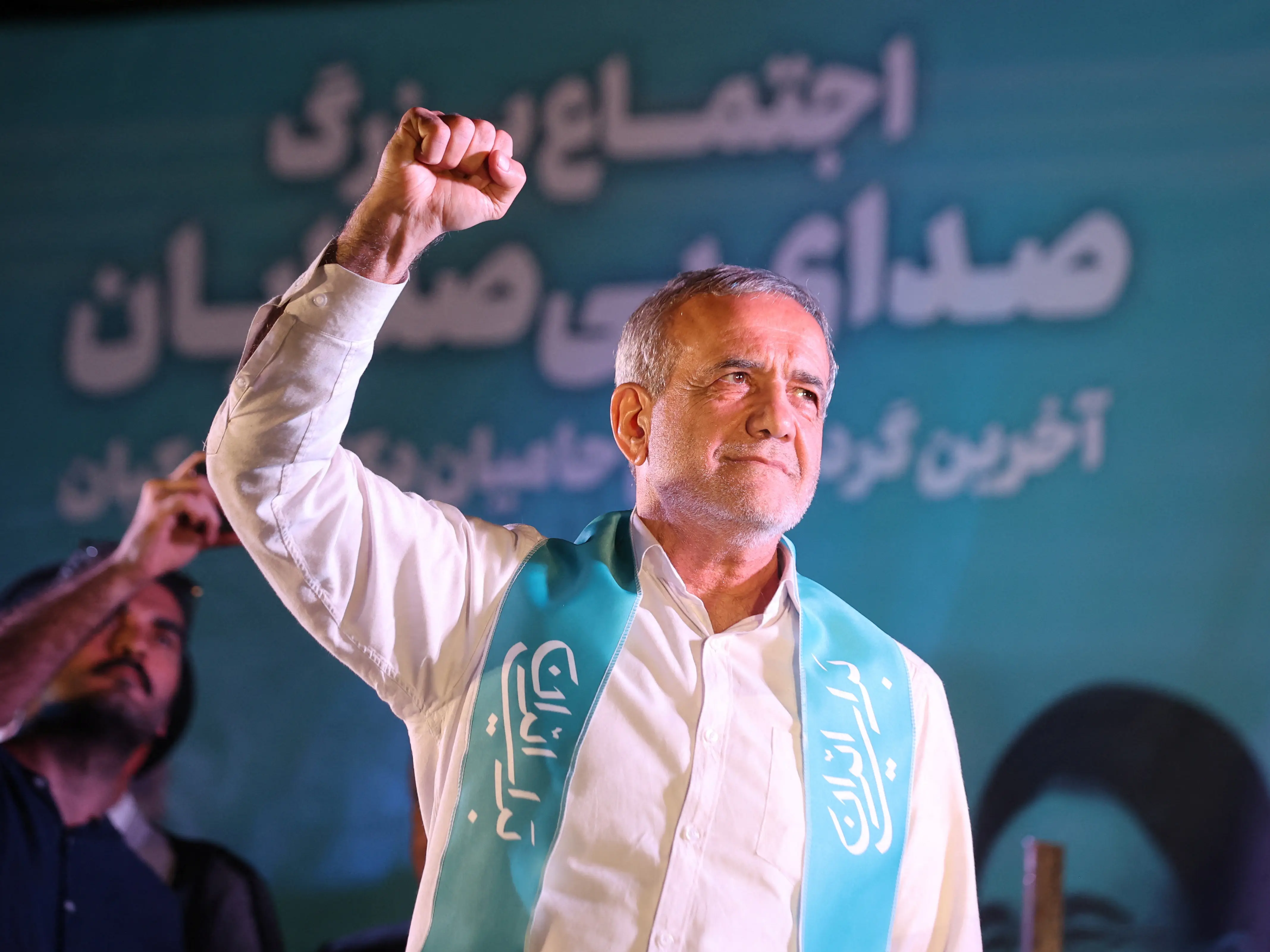
Iran’s President Masoud Pezeshkian Photograph: (Reuters)
United Nations sanctions on Iran have been reinstated after European powers triggered the snapback mechanism, citing Tehran’s nuclear breaches and lack of cooperation with IAEA inspectors. Iran rejected the measures as unfair and illegal.
Sweeping United Nations sanctions on Iran have been reintroduced, ten years after they were lifted under the 2015 nuclear agreement. The move came as Britain, France and Germany activated the so-called “snapback” mechanism, accusing Tehran of failing to meet its commitments.
Why have sanctions returned?
The European allies said Iran had engaged in “continued nuclear escalation” and refused to co-operate with inspectors from the International Atomic Energy Agency (IAEA). The decision follows Tehran’s suspension of nuclear inspections after Israeli and US airstrikes in June on several nuclear and military sites. Iran’s President Masoud Pezeshkian dismissed the renewed measures as “unfair, unjust, and illegal,” insisting last week that the country had no plans to build nuclear weapons.
What does the nuclear deal aim to achieve?
The 2015 Joint Comprehensive Plan of Action (JCPOA) placed strict limits on Iran’s uranium enrichment, nuclear facilities and research activity. In return, sanctions were eased, opening the way for closer trade and diplomacy. But the deal has steadily unravelled since Donald Trump pulled the US out in 2018, branding it a “flawed” agreement. Washington and Israel said their strikes in June were aimed at halting Iran’s progress and punishing its support for regional groups targeting Israel. Trump later claimed the strikes caused “monumental damage,” though experts questioned their long-term impact.
Europe says diplomacy is not dead
Trending Stories
)
)
)
)
)
)
)
)
)
)
)
)
)
)
)
)
)
)
)
)
)
)
)
)
)
)
)
)
)
)
)
)
)
)
&im=FitAndFill=(700,400))
)
)
)
)
The three European governments stressed that the snapback move was not the end of dialogue. “We urge Iran to refrain from any escalatory action,” they said in a joint statement, adding, “The reimposition of UN sanctions is not the end of diplomacy.”
Talks between the sides at the UN General Assembly earlier this week ended without a breakthrough, leaving European ministers to conclude they had “no choice” but to act.
Iran pushes back
Tehran rejected the sanctions, saying it did not recognise the “illegal” measures. The foreign ministry warned that “any action aimed at undermining the rights and interests of its people will face a firm and appropriate response.”
Pezeshkian softened earlier threats to leave the Non-Proliferation Treaty but warned the new measures put negotiations at risk. He also rejected a US proposal to hand over all enriched uranium stockpiles in exchange for a short sanctions waiver. “Why would we put ourselves in such a trap and have a noose around our neck each month?” he asked.
Israel welcomed the snapback, calling it a “major development in response to Iran’s ongoing violations.” Officials urged the global community to use “every tool” to stop Tehran from becoming anuclearpower.
