3I/Atlas flies by Mars - NASA or ESA? Whose orbiter can get the sharpest shots of the comet?

&imwidth=600&imheight=450&format=webp&quality=medium "3I/Atlas flies by Mars - NASA or ESA? Whose orbiter can get the sharpest shots of the comet?")
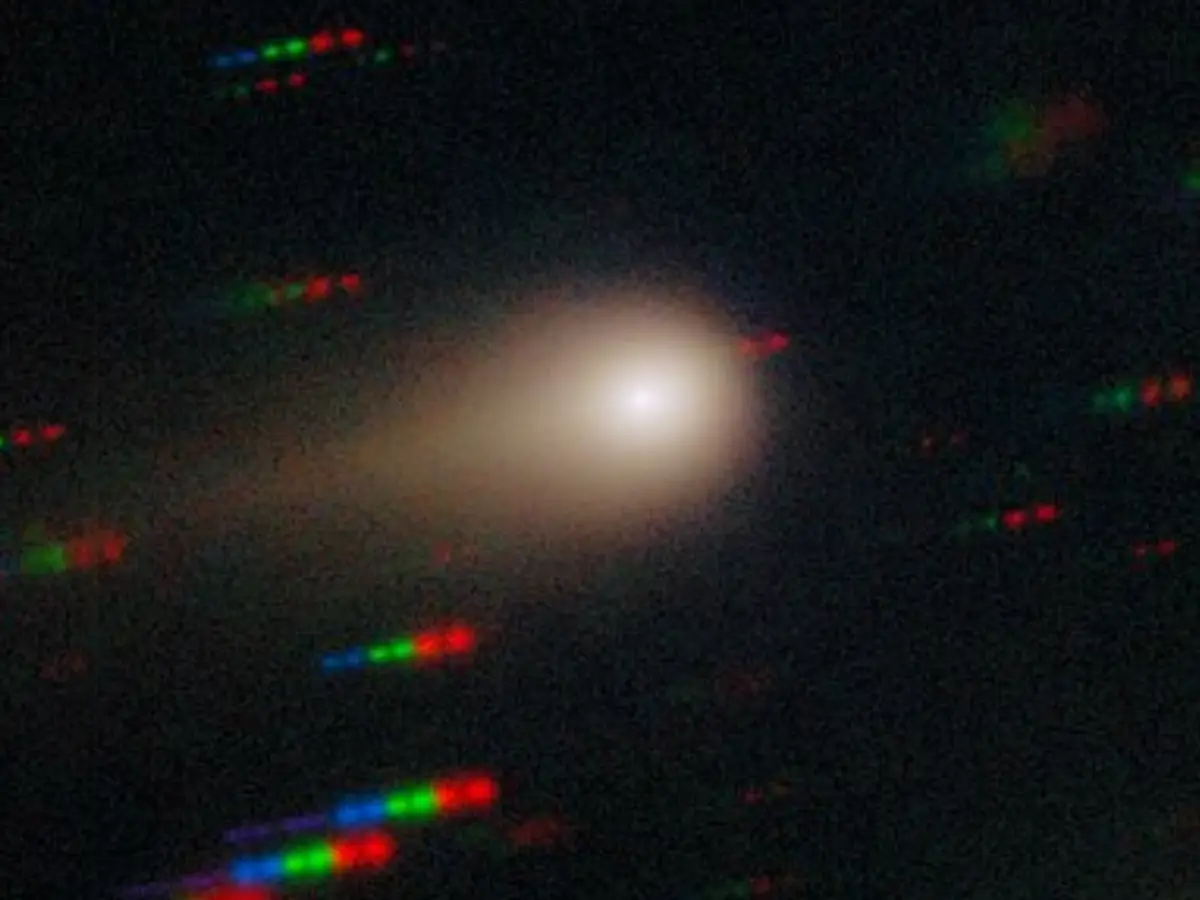
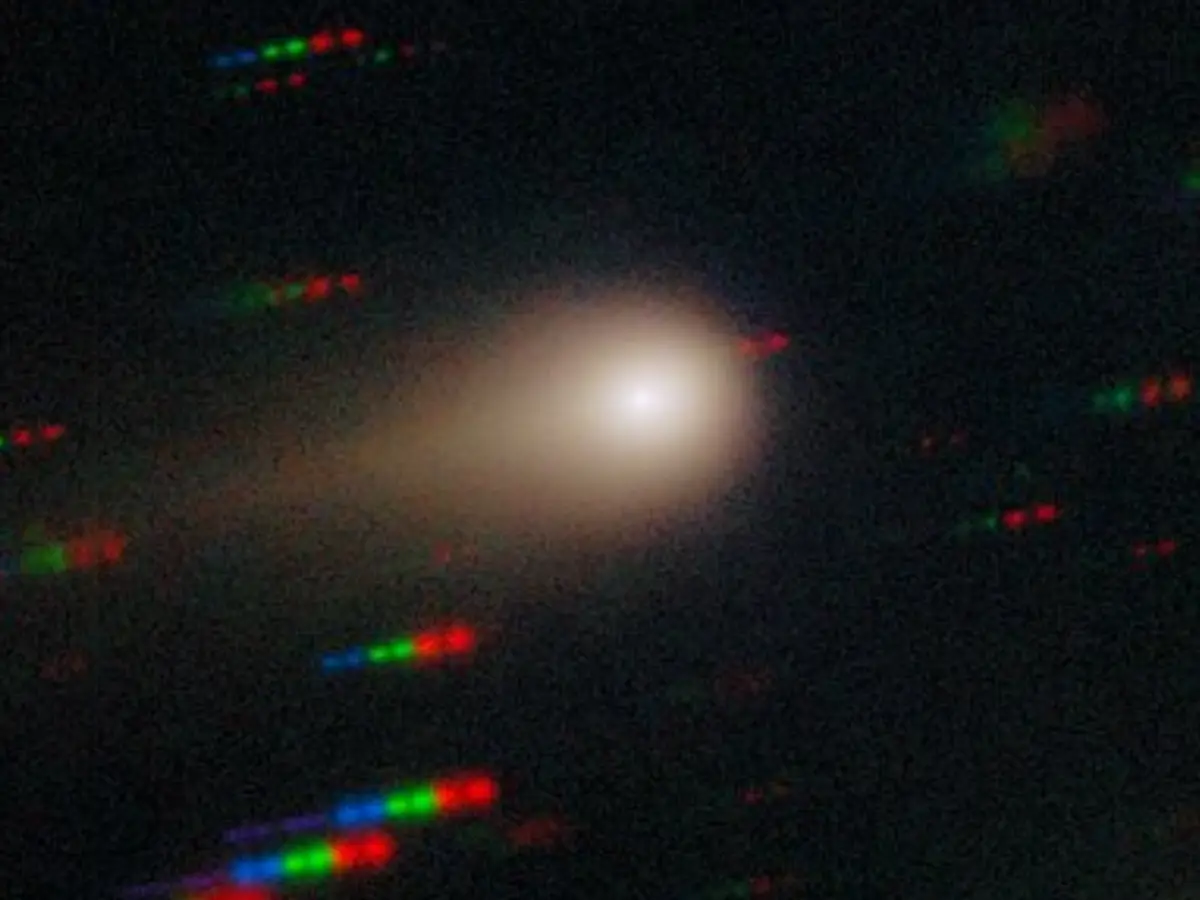
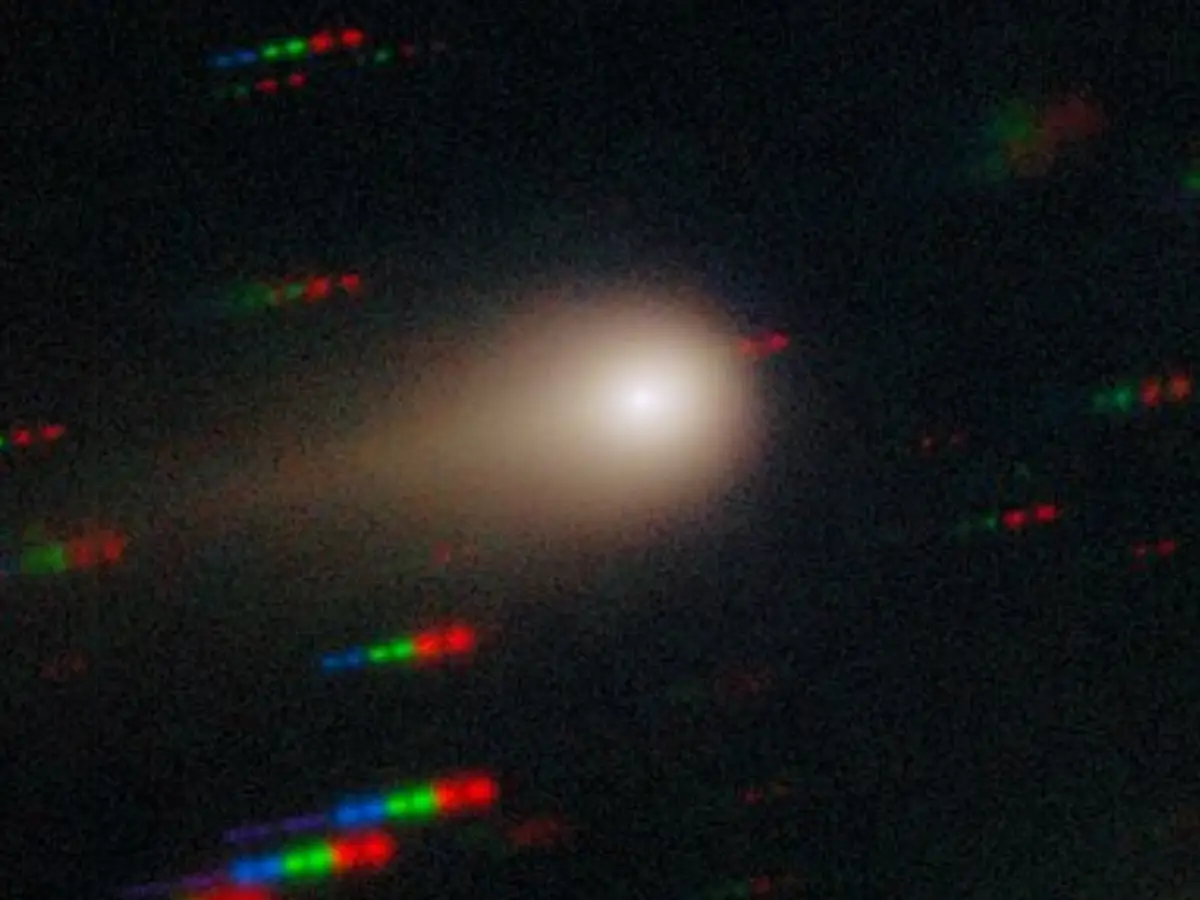
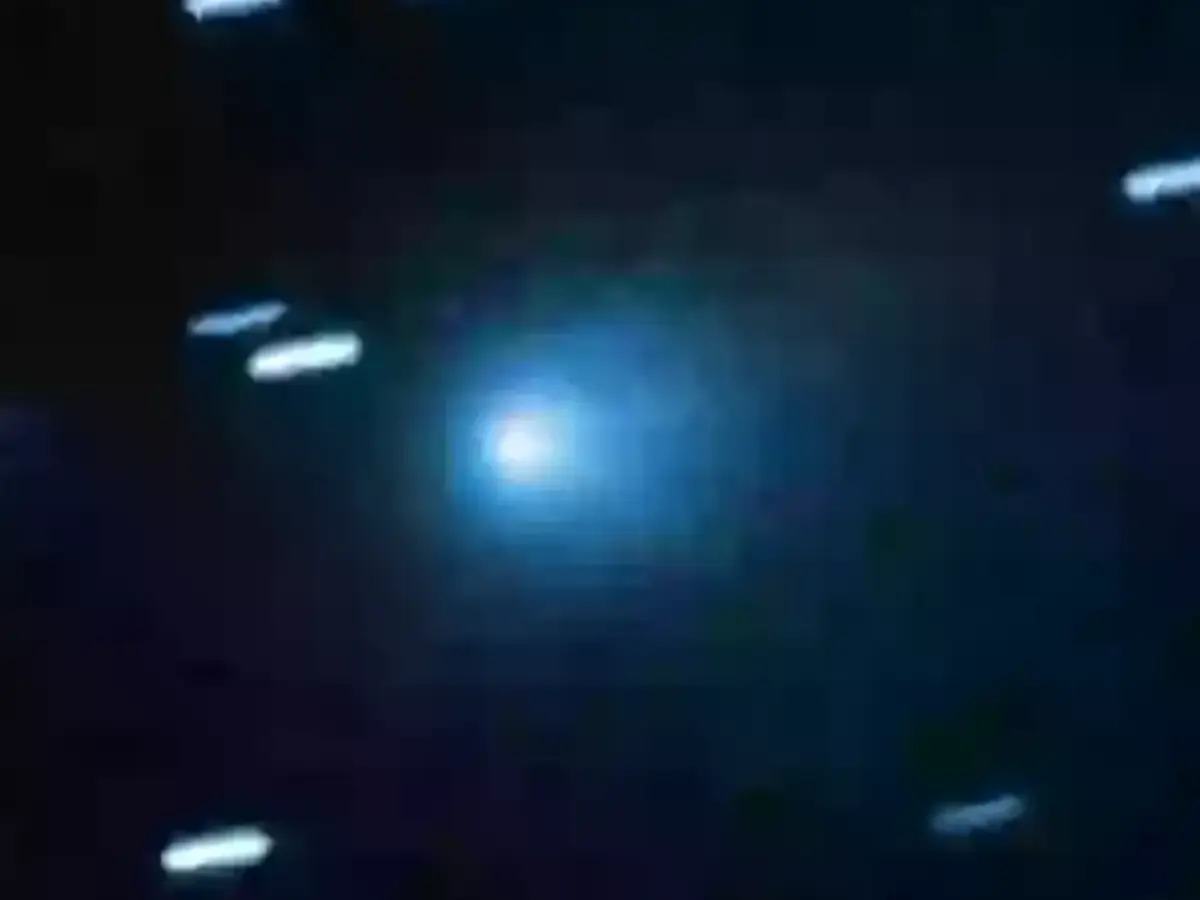
3I/Atlas is flying by Mars, and we might soon get the best shots of the comet. Photograph: (NASA)
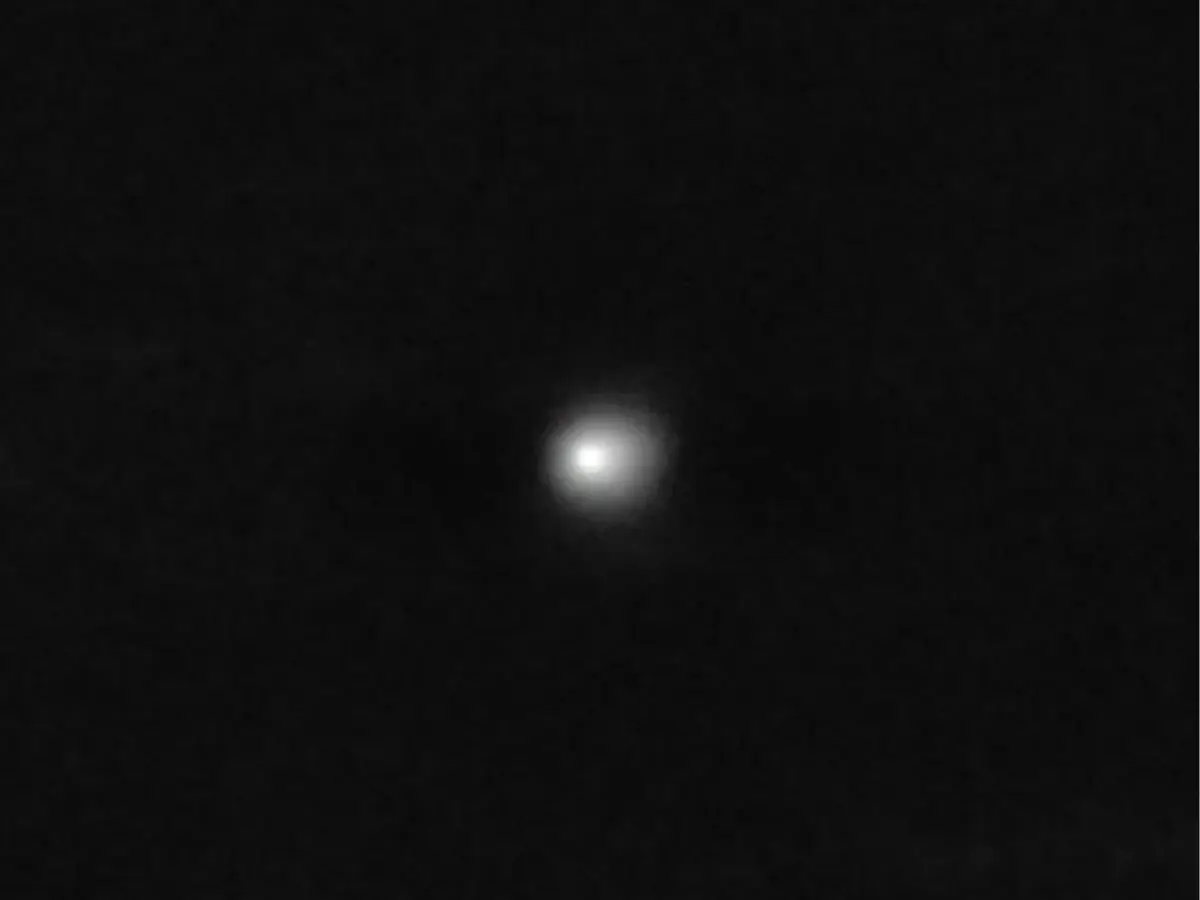
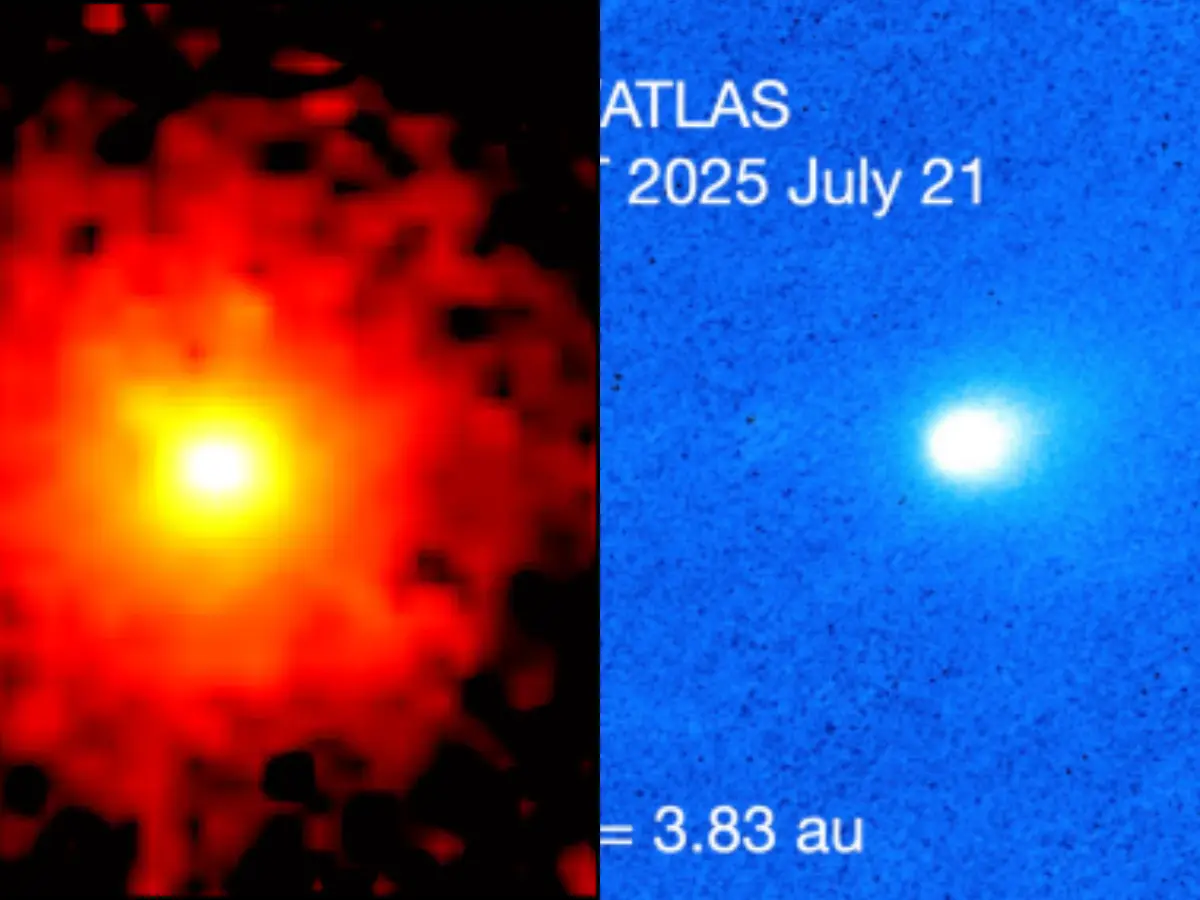
3I/Atlas is at Mars, flying by the Red Planet. Mars orbiters have pointed their cameras at the interstellar visitor and are trying to capture the best shots of the comet. Which orbiter is best placed for the job?
It's D-day for 3I/Atlas as Mars orbiters are peering at the skies to spot elusive pictures of the interstellar object. This is the only opportunity humans have of taking the best shots of the object, which scientists say is a comet. After flying by Mars, it will move towards the Sun, where it will hide behind its glare for weeks. 3I/Atlas will be only about 30 million km from the Red Planet on October 3. Meanwhile, it will be 240 million kilometres to Earth even at its closest point to our planet. This is why every space agency that has an orbiter over Mars has put observations of the planet on hold and has instead pointed its Mars orbiters towards 3I/Atlas to learn about its true nature. The European Space Agency (ESA)has the Mars Express and ExoMars Trace Gas orbiters, NASA has the Mars Reconnaissance Orbiter, and China has the Tianwen-1 mission orbiter, all of which will finally be able to throw some more light on what's up with the third interstellar visitor.
Colin Wilson, the European Space Agency (ESA) project scientist for both the Mars Express and ExoMars Trace Gas orbiters, said the agency is trying to "get images." Mars Express has a High Resolution Stereo Camera (HRSC) mounted on the orbiter, while ExoMars has the Colour and Stereo Surface Imaging System (CaSSIS). The spectrometers on both these orbiters can measure the spectrum of light from the comet, ESA said. However, Wilson told Sky & Telescope that they won't be able to resolve the nucleus, but there is a chance of learning about the coma of gases and dust around 3I/Atlas. He added that the object's coma likely extends a few tens of thousands of kilometres across, and the ESA is hoping to get "several tens of pixels across that." Wilson clarified, “We are not promising anything other than a monochromatic image.”
NASA's Mars Reconnaissance Orbiter has the HiRISE camera and could capture the clearest images yet of the object because of its proximity to the comet. The HIRISE camera has a half-metre mirror and 14 detectors that can capture visible to near-infrared wavelengths. Marshall Eubanks (Space Initiatives) told Sky & Telescope that the comet appears to be passing through a twisted part of the Sun’s magnetic field, which might create ripples in the comet’s tail. There is a high chance that MRO would be able to detect the ripples.
Will 3I/Atlas be visible from Earth?
As mentioned above, the interstellar comet will be 240 million kilometres at its closest point. It is increasing in brightness and is currently at magnitude 12. Despite this, it won't be visible to the naked eye. In fact, a regular telescope also won't do, and you'll need extremely powerful equipment to see it.
Trending Stories
&imwidth=280&imheight=210&format=webp&quality=medium)
&imwidth=280&imheight=210&format=webp&quality=medium)
&imwidth=280&imheight=210&format=webp&quality=medium)
&imwidth=280&imheight=210&format=webp&quality=medium)
&imwidth=280&imheight=210&format=webp&quality=medium)
&imwidth=280&imheight=210&format=webp&quality=medium)
&imwidth=280&imheight=210&format=webp&quality=medium)
&imwidth=280&imheight=210&format=webp&quality=medium)
&imwidth=280&imheight=210&format=webp&quality=medium)
&imwidth=280&imheight=210&format=webp&quality=medium)
&imwidth=280&imheight=210&format=webp&quality=medium)
&imwidth=280&imheight=210&format=webp&quality=medium)
&imwidth=280&imheight=210&format=webp&quality=medium)
&imwidth=280&imheight=210&format=webp&quality=medium)
&imwidth=280&imheight=210&format=webp&quality=medium)
&imwidth=280&imheight=210&format=webp&quality=medium)
&imwidth=280&imheight=210&format=webp&quality=medium)
&imwidth=280&imheight=210&format=webp&quality=medium)
&imwidth=280&imheight=210&format=webp&quality=medium)
&imwidth=280&imheight=210&format=webp&quality=medium)
&imwidth=280&imheight=210&format=webp&quality=medium)
&im=FitAndFill=(700,400)&imwidth=280&imheight=210&format=webp&quality=medium)
&im=FitAndFill=(700,400)&imwidth=280&imheight=210&format=webp&quality=medium)
&imwidth=280&imheight=210&format=webp&quality=medium)
&imwidth=280&imheight=210&format=webp&quality=medium)
&imwidth=280&imheight=210&format=webp&quality=medium)
&imwidth=280&imheight=210&format=webp&quality=medium)
&imwidth=280&imheight=210&format=webp&quality=medium)
&imwidth=280&imheight=210&format=webp&quality=medium)
&imwidth=280&imheight=210&format=webp&quality=medium)
&imwidth=280&imheight=210&format=webp&quality=medium)
&imwidth=280&imheight=210&format=webp&quality=medium)
&imwidth=280&imheight=210&format=webp&quality=medium)
&im=FitAndFill=(700,400)&imwidth=280&imheight=210&format=webp&quality=medium)
&imwidth=280&imheight=210&format=webp&quality=medium)
&imwidth=280&imheight=210&format=webp&quality=medium)
&imwidth=280&imheight=210&format=webp&quality=medium)
After 3I/Atlas goes towards the Sun, ESA's Jupiter Icy Moons Explorer (JUICE) spacecraft will be ready to observe the comet during its closest approach to the Sun. This will happen on October 29 - 30, with JUICE starting its observations on November 2 and continuing until November 25.