Not water or location, but the 'chemical Goldilocks zone' is the secret reason Earth exists

&imwidth=600&imheight=450&format=webp&quality=medium "Not water or location, but the 'chemical Goldilocks zone' is the secret reason Earth exists")
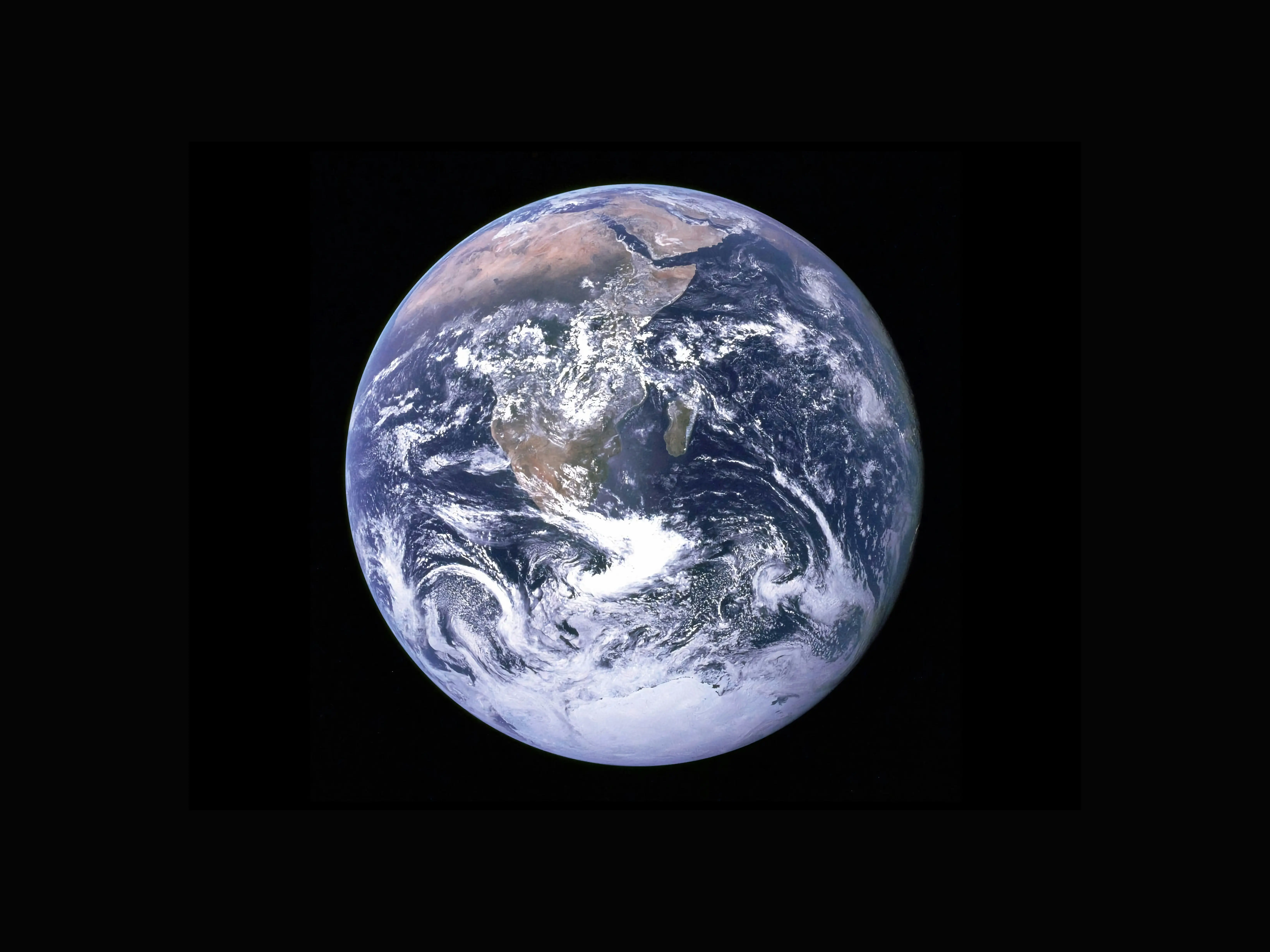
Why does Earth support life? There is more to it that just water. Photograph: (NASA)
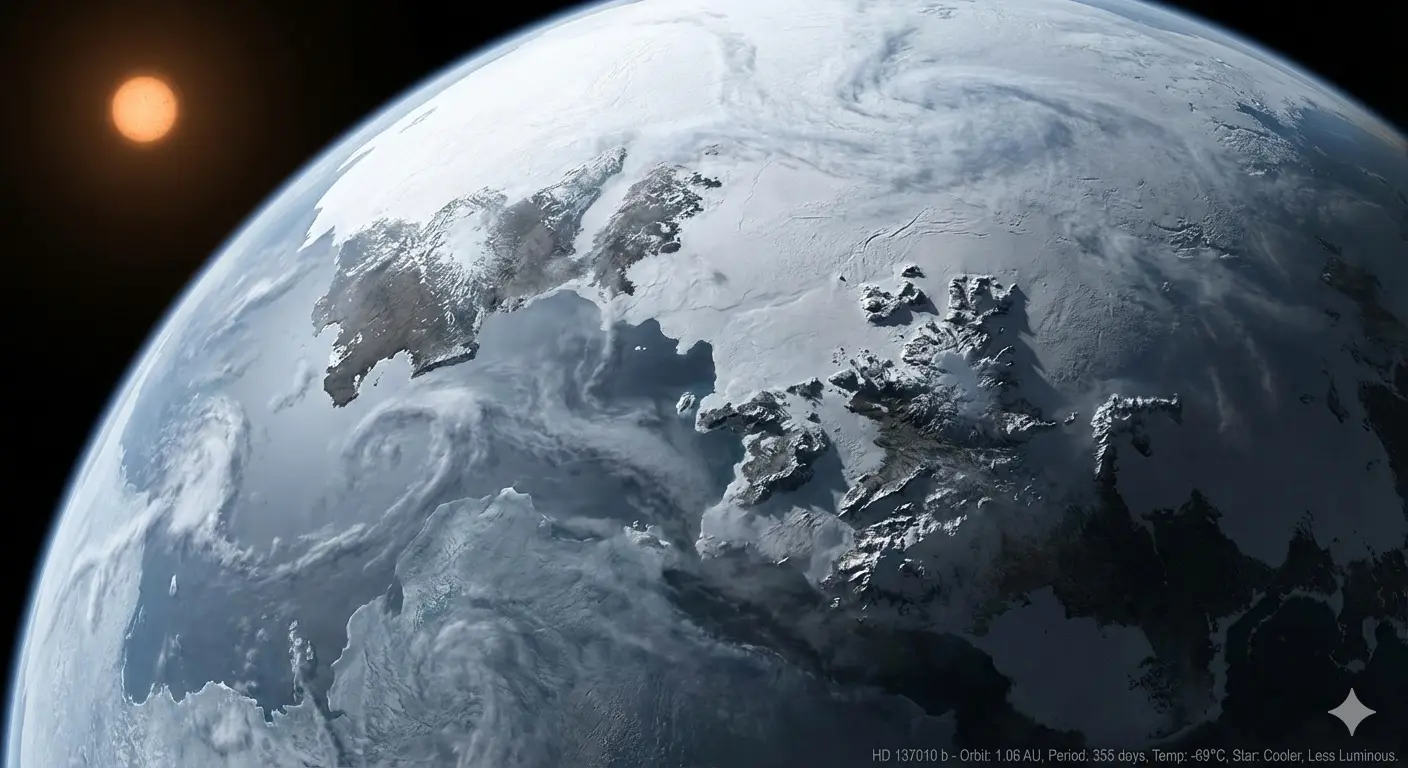
Earth is the only planet that supports life, and it is not just because of water or oxygen. Scientists have discovered that when our planet was born, it was sitting in the "chemical Goldilocks zone”, making it incredibly lucky.
Scientists have found that a lucky balance of chemicals is the reason why Earth supports life. While it does reside in the habitable zone, there is more that makes life thrive on a planet. According to a study, when Earth formed, it happened under an unusually precise set of chemical conditions that allowed for two crucial elements to be retained in perfect balance. Phosphorus and nitrogen are what make life possible on Earth. In their absence, it wouldn't matter where it sits in the solar system or the amount of water it has. The researchers say in the absence of these elements in perfect proportions, a rocky planet like Earth might seem like it can support life from the outside, but it wouldn't. "During the formation of a planet's core, there needs to be exactly the right amount of oxygen present so that phosphorus and nitrogen can remain on the surface of the planet," lead author Craig Walton, of ETH Zurich in Switzerland, said in a statement. Earth had it all when it took shape nearly 4.6 billion years ago. The findings were published February 9 in the journal Nature Astronomy.
Planets, alien life and oxygen
When planets are in their earliest stage of life, they are partially or fully molten. Later, the heavier metals sink and form the core, while the lighter elements move towards the surface. At this time, the amount of oxygen determines where other elements end up and if they would be available when life is born. Incredibly, the range for the perfect oxygen levels for both phosphorus and nitrogen to stay in a planet's mantle and crust is extremely narrow. If there is too little oxygen, phosphorus would combine with iron and move to the core. In its absence, DNA and cell membrane formation and energy transfer would not happen. With too much oxygen, nitrogen would flow out into space. The chemistry needed for life would not be there in both scenarios. For Earth to touch this sweet spot and sit inside this “chemical Goldilocks zone” makes it incredibly lucky. "Our models clearly show that the Earth is precisely within this range," Walton said in the statement.
Also Read: Earth has a tail, flowing for millions of kilometres into space on its dark side
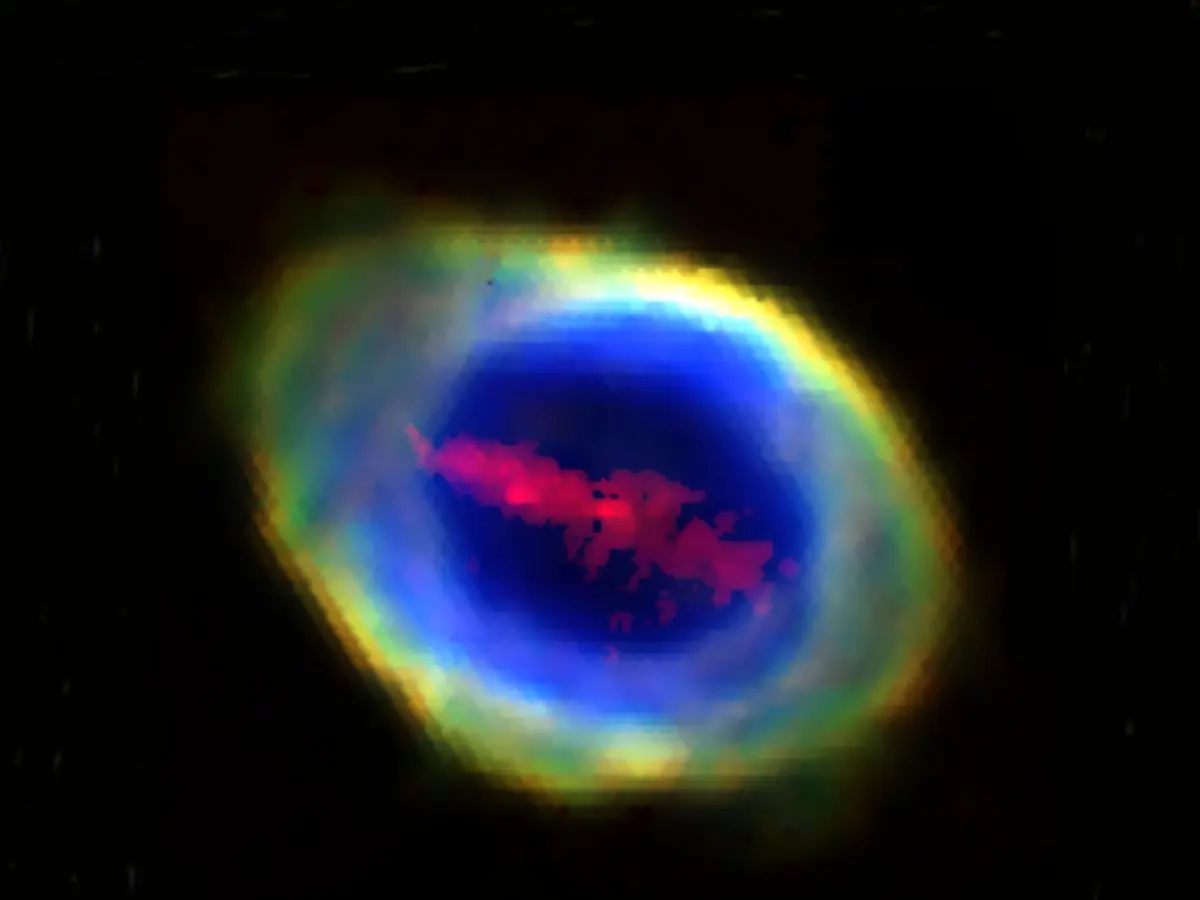
Also Read: What would Earth look like after it dies? Mysterious iron bar inside Ring Nebula could be our planet's fate
Why Mars doesn't have life
They also looked at other planets like Mars, which does not sit in this chemical Goldilocks zone.
Trending Stories
)
)
)
)
)
)
)
)
)
)
)
)
)
)
)
)
)
)
)
)
)
)
)
)
)
)
&im=FitAndFill=(700,400))
)
)
)
)
)
)
)
)
)
)
)
)
The models show Mars has more phosphorus in the mantle than on Earth, but less nitrogen, conditions that would not support life. The study primarily challenges the assumption that a planet should be in the habitable zone - not too far, not too close to its star - for liquid water to exist, thus supporting life. This is basically the standard while searching for life in other worlds. However, the researcher says a planet could be in just the right place, but lacked the chemical balance during its birth, thus missing the crucial elements of life. "This makes searching for life on other planets a lot more specific. We should look for solar systems with stars that resemble our own sun," Walton said.