
&imwidth=800&imheight=600&format=webp&quality=medium "Strange poisonous 'icy cobwebs' may have been the engines that sparked life on Earth")
Hydrogen Cyanide (HCN) might be a lethal poison today, but it may have been the essential "spark" that kick-started life on Earth and potentially other icy worlds like Saturn’s moon, Titan. Scientists have discovered that at extremely low temperatures, hydrogen cyanide transforms into unique, needle-like crystals that resemble "icy cobwebs." The chemical properties of these crystals change this poisonous substance into a key building block to make the components of DNA. The new study published in the journal ACS Central Science states that the deadly chemical might have been essential for all life to start on Earth. Martin Rahm, a co-author of the study from Chalmers University of Technology, said, "Hydrogen cyanide is likely one source of this chemical complexity, and we show that it can react surprisingly quickly in cold places." Rahm and his team found that when it is frozen, HCN crystal surfaces could trigger chemical reactions that might not be otherwise possible in cold environments.
They state that these surfaces generate permanent electric fields that act as a "chemical engine" to lower the energy barriers for certain reactions. According to the researchers, these electric fields can transform HCN into the more reactive hydrogen isocyanide (HNC). This more reactive version is a key building block for complex prebiotic molecules like amino acids and nucleic acids. The study contradicts previous findings that suggest life originated in warm, liquid environments. Life's precursors could have emerged in cryogenic conditions, making the ultra-cold surface of comets or icy moons the perfect candidates.

Why is Titan a potential candidate for alien life?
This research by Rahm and his colleagues also solves the mystery of why Titan's atmosphere contains an "anomalous" abundance of these reactive chemicals. Titan could be a massive "chemical laboratory" for the processes that happened on early Earth.
Trending Stories
)
Did India risk its US trade deal despite softer stance at BRICS?
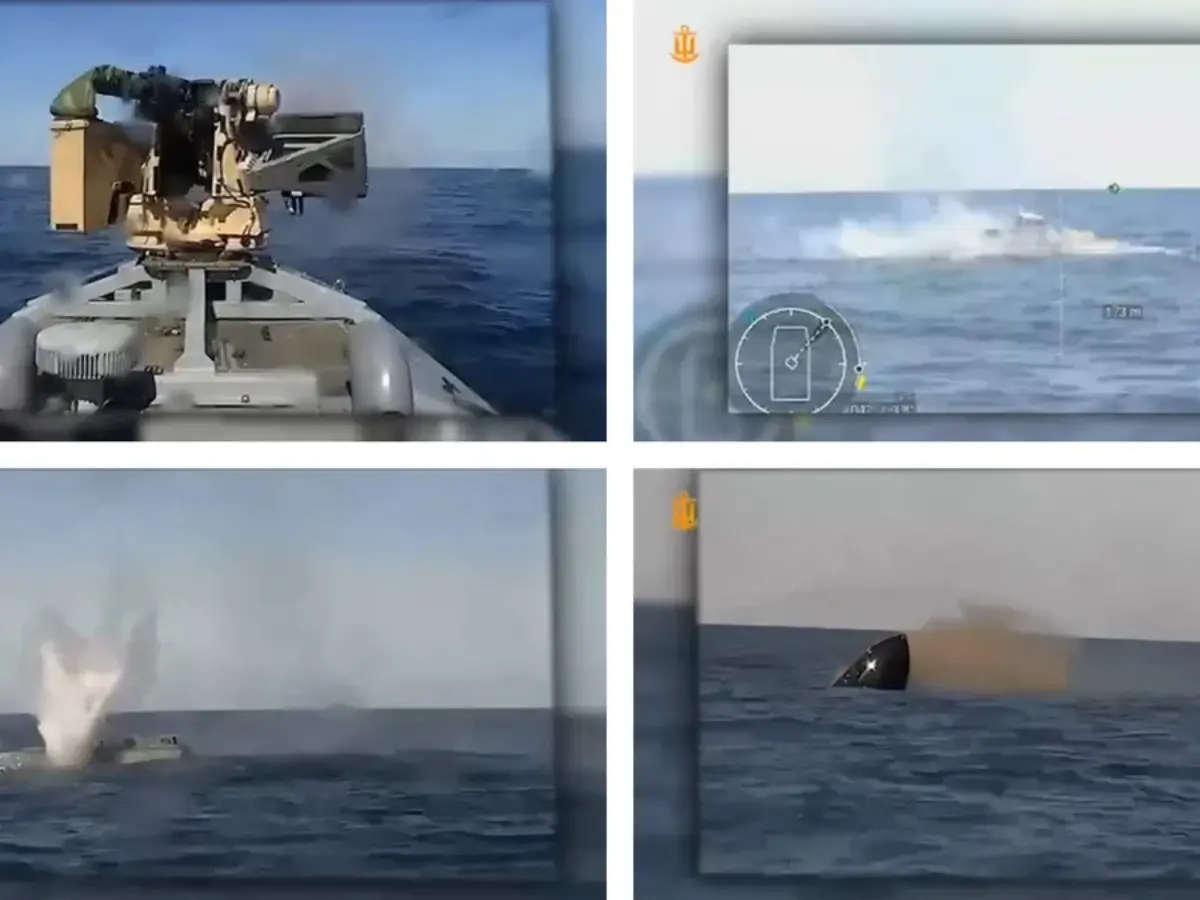)
First naval drone battle? Ukraine says Sargan 3000 sank Russian unmanned boat
)
Practical Magic 2 breaks Spidey spell over North American box office
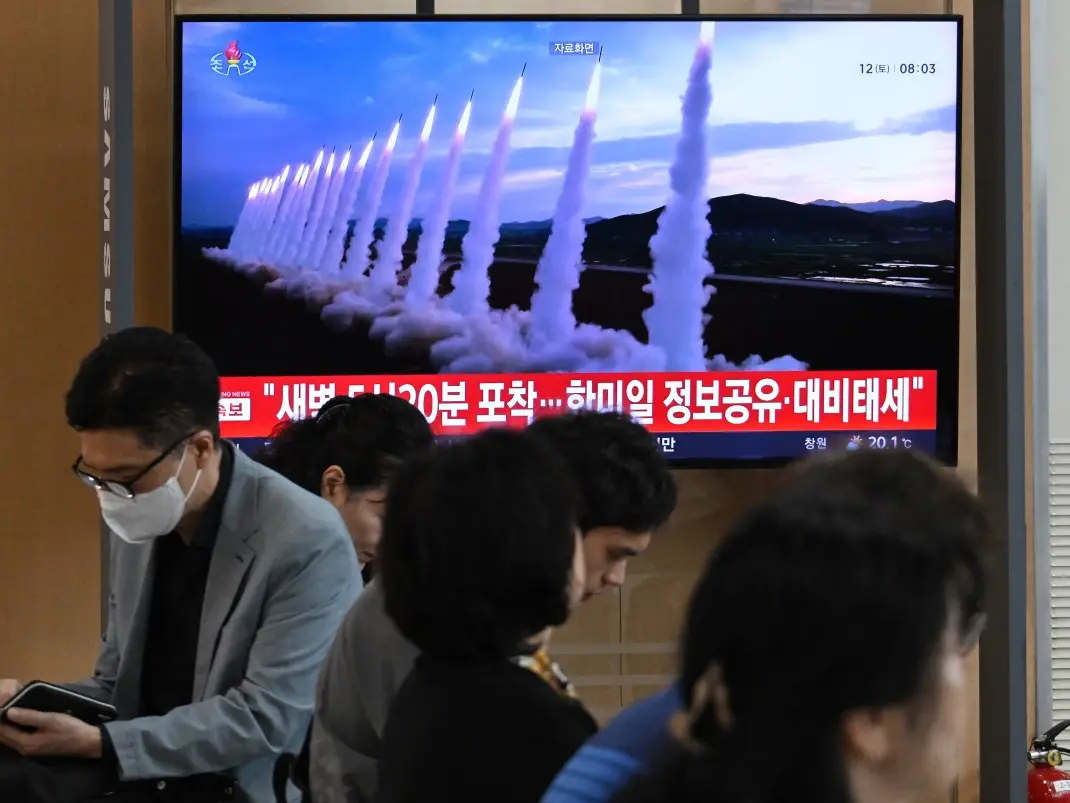)
'Huge destructive power': North Korea calls its latest missile launches 'live-fire drill' even as US dismisses 'immediate threat'
&im=FitAndFill=(700,400))
Meet top 5 batters fastest to 3000 runs in T20Is
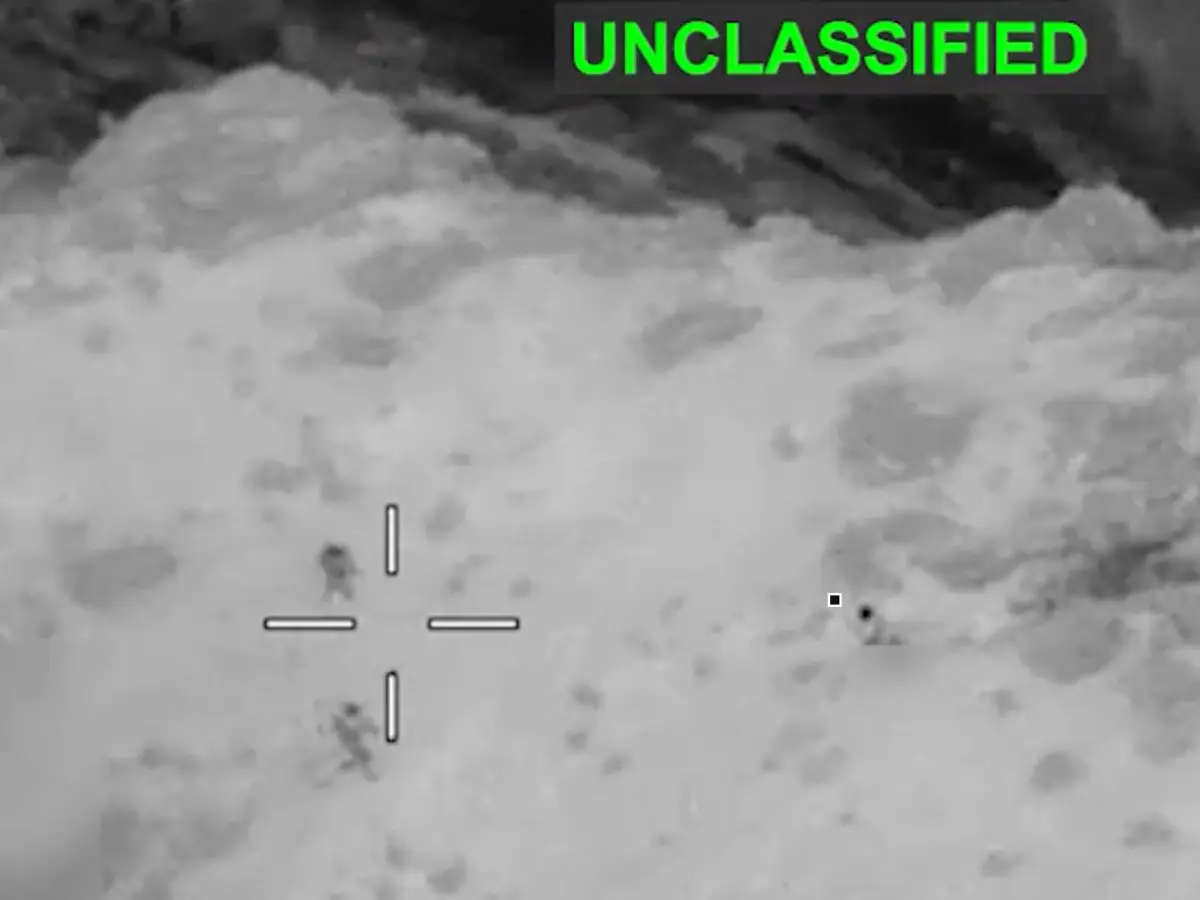)
‘Let’s go’: Newly declassified videos show dramatic rescue of US Air Force officers downed in Iran
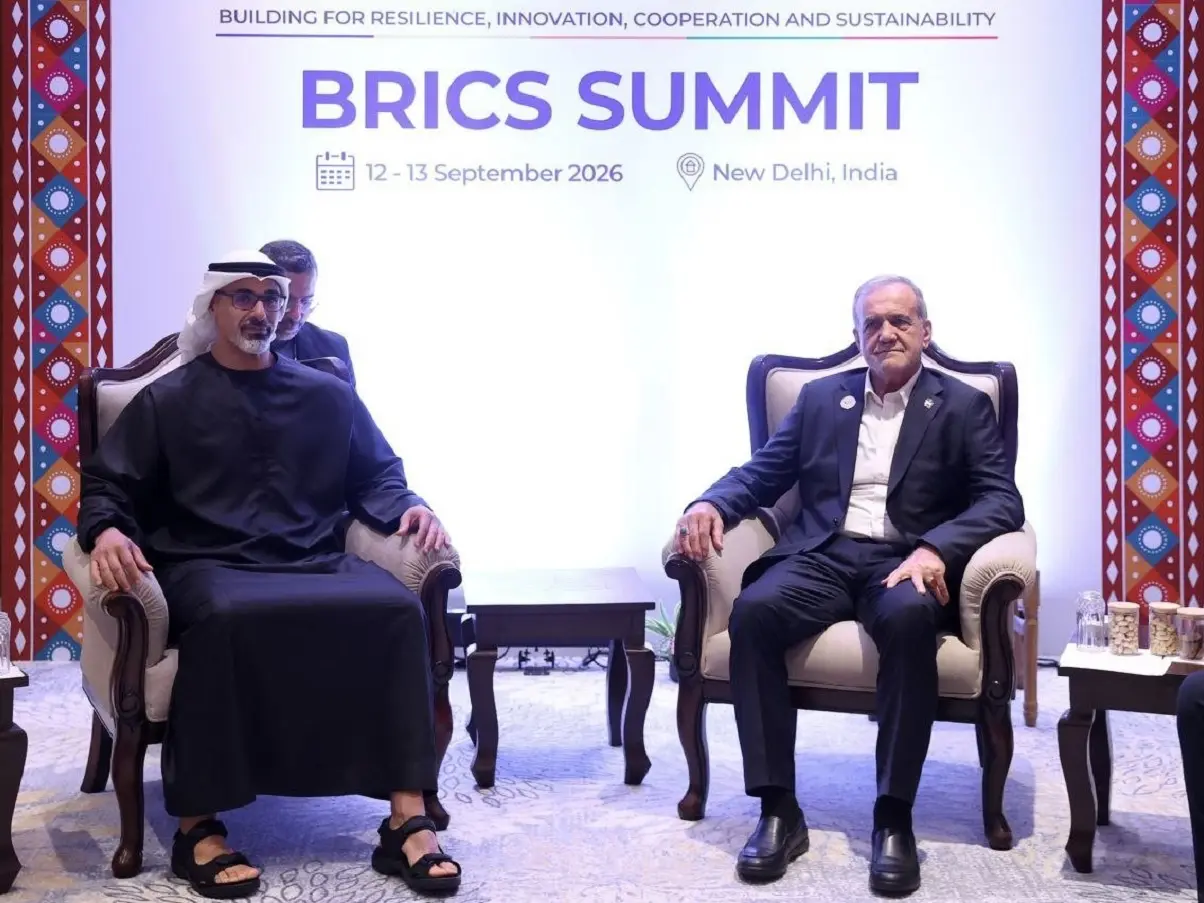)
Delhi’s balancing act: BRICS serves as a stage for West Asia diplomacy
&im=FitAndFill=(700,400))
Why European Meteor missiles use ramjet engines compared to standard US solid rockets
)
‘India did extremely well’: South African President Cyril Ramaphosa praises BRICS leadership
)
Iran, India agree to deepen humanitarian and political ties, President Pezeshkian says
)
‘Want to reset ties with India, have engagement based on mutual interests,’ says Bangladesh minister
)
Trump says Canada eager to reach a deal, it could come ‘fairly soon’ if Ottawa treats US farmers better
)
Turkish Airlines plane flies through a storm three times, triggering severe turbulence
&im=FitAndFill=(700,400))
Why Chinese PL-15 air-to-air missiles use dual-pulse motors compared to European interceptors
)
800 million years old - Scientists discover 'fingerprints' of supercontinent Gondwana in ancient rocks
)
Russia proposes to build 360 kmph Ivolga FG trains in India: What happened on sidelines of BRICS
)
China discovers vast gold and silver 'mine' in the Pacific with unheard-of deposits
)
Russian drone hits Warsaw-bound train near Polish border, Zelensky accuses Moscow of ‘deliberate’ targeting
)
War is making Russia stronger? How Ukraine is shaping Moscow’s next generation of weapons
)
NEET-UG to move to computer-based test soon, NTA DG says ‘CBT is the future’
)
Woman removes all her clothes on American Airlines flight, performs 'indecent acts'; arrested
)
Liam Neeson sparks romance rumours after holding hands with Stella Stocker at TIFF 2026
&im=FitAndFill=(700,400))
New OTT releases this week (September 14-20, 2026): Lust Stories 3, Waiting Hai, Irumudi- 5 new titles coming on Netflix, Prime Video and more
)
Indian importers urge Bangladesh to lift export ban on 'Hilsa' fish ahead of Durga Puja
)
Did China give Iran intel before US base strike that killed 3 troops? Trump says, 'You’re right...'
)
Baba Vanga's first prophecy for 2027 is out, and straight out of science fiction
)
Akram, Afridi, Mushtaq tear into PCB after Pakistan’s Test series collapse in UK
&im=FitAndFill=(700,400))
From Rinku Singh to Mayank Yadav, 5 players dropped from India’s squad for Afghanistan T20Is
)
PM Modi and China's Xi offered to help resolve Russia-Ukraine war: Kremlin
)
China thinned Himalayan troop presence in 2025, India defence report says; terms border situation 'stable'
)
Humans may lose control of AI: Anthropic CEO calls for slowdown, Altman, Musk back him
“Aside from its utility as an industrial chemical, its abundance makes it of interest in planetary science, in astrochemistry and as a plausible key building block for the chemistry that preceded the origins of life,” the authors wrote.
It also answers the question of where to look for life in space. NASA and other space agencies can work to locate cyanide crystals on other cosmic bodies, as it is likely a potential catalyst for life. This would narrow down options for the search for life as astronomers would know the specific "chemical fingerprints" to look for on other frozen planets.

