10-second 'death cry' that took 13 billion years to reach Earth

NASA recorded a signal that travelled from deep space over 13 billion years, and lasted merely 10 seconds. This discovery highlights several ignored aspects about the early universe, how time warps in space and how things really unfold in the universe.
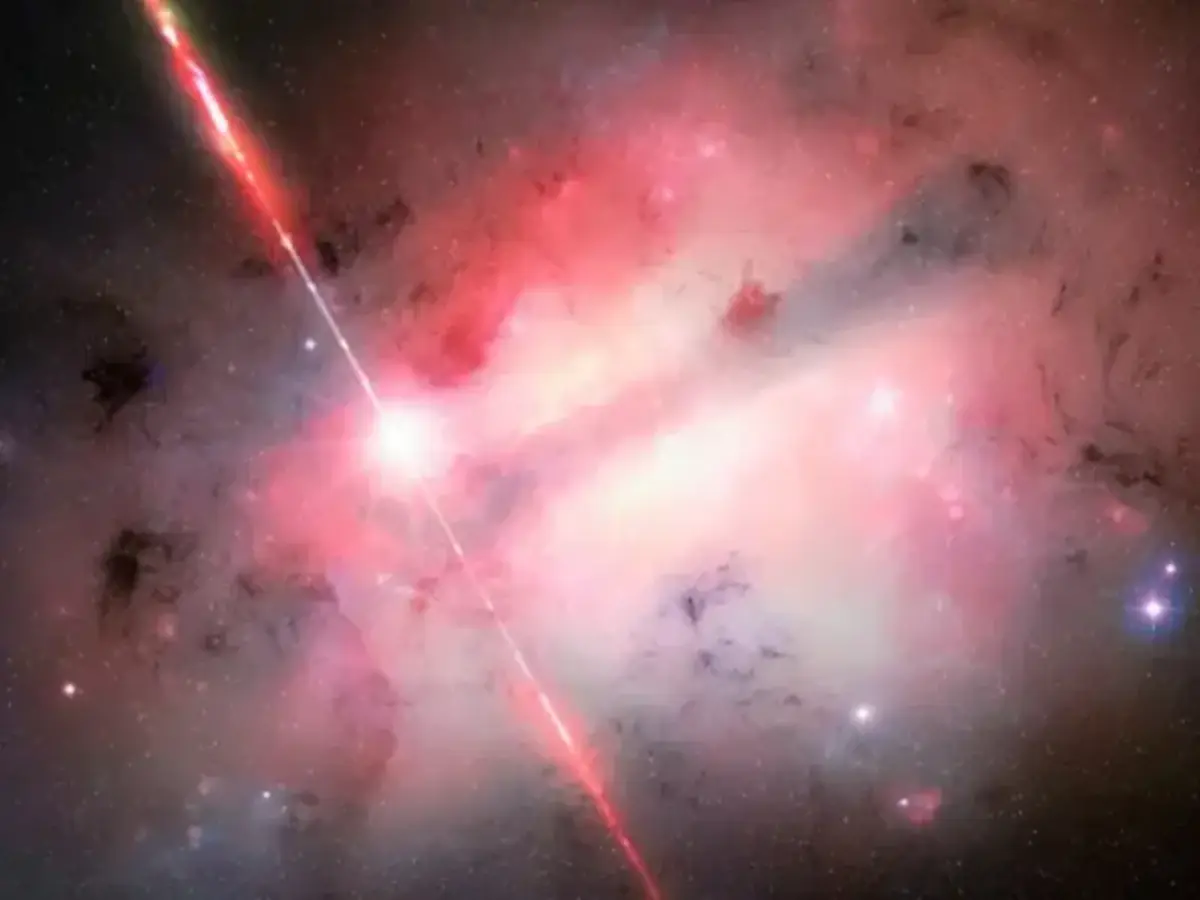
Early supernova sent a signal to Earth
NASA, the Nordic Optical Telescope and Very Large Telescope (VLT) detected a signal that travelled 13 billion years to reach Earth. Months of analysis revealed that this light came from a supernova. Since the universe is about 13.8 billion years old, the stellar death that released this ray occurred only when the cosmos was just 730 million years old. This changes the understanding of the nature of the universe in its nascent age. It also highlights how time plays out in the universe and the host galaxy of the supernova.
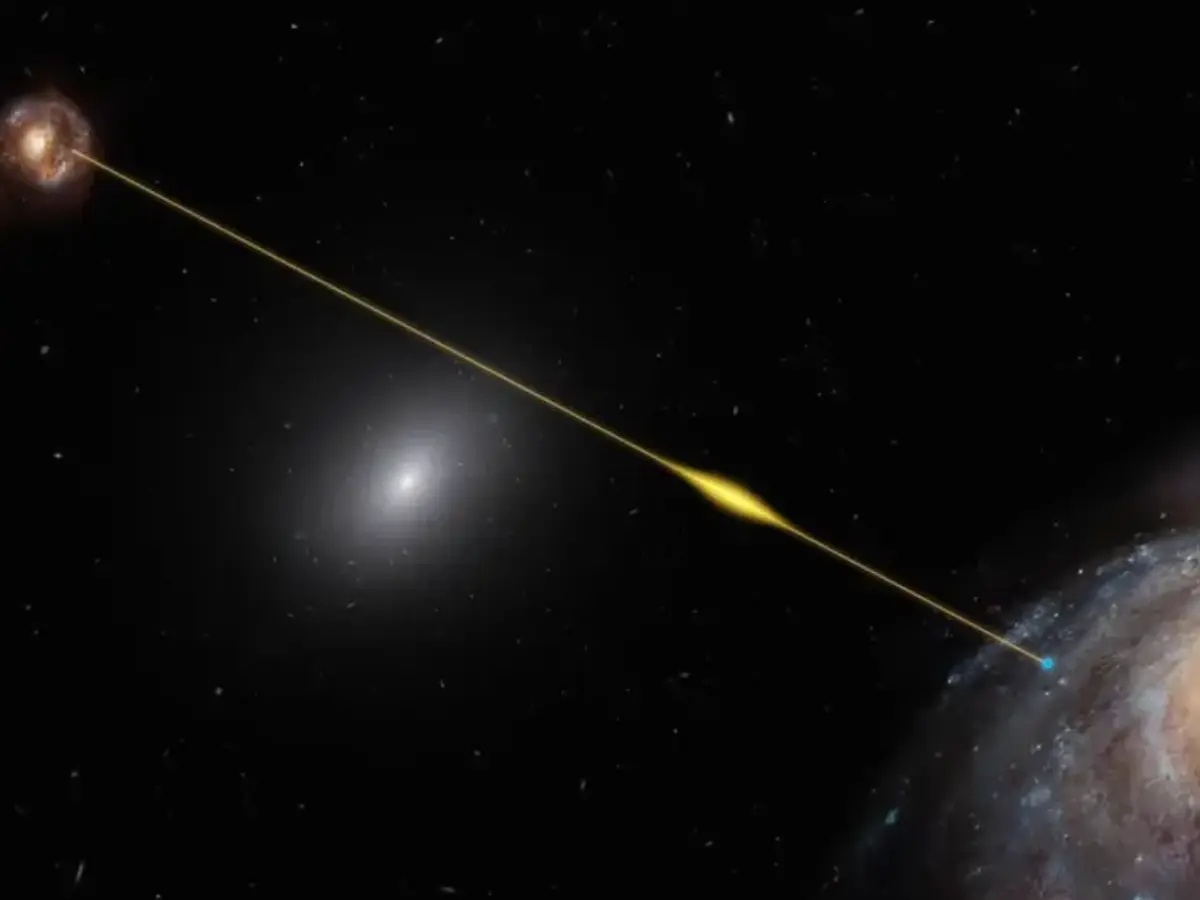
Radio signal lasted just 10 seconds
The radio signal was detected on 14 March 2025 by the Space-based multi-band astronomical Variable Objects Monitor satellite, a joint French-Chinese mission, which recorded a gamma-ray burst of ten seconds. Such long bursts result when massive stars die, and black holes are born. The signal was designated GRB 250314A and originated when the first stars and galaxies began ionising the intergalactic medium.
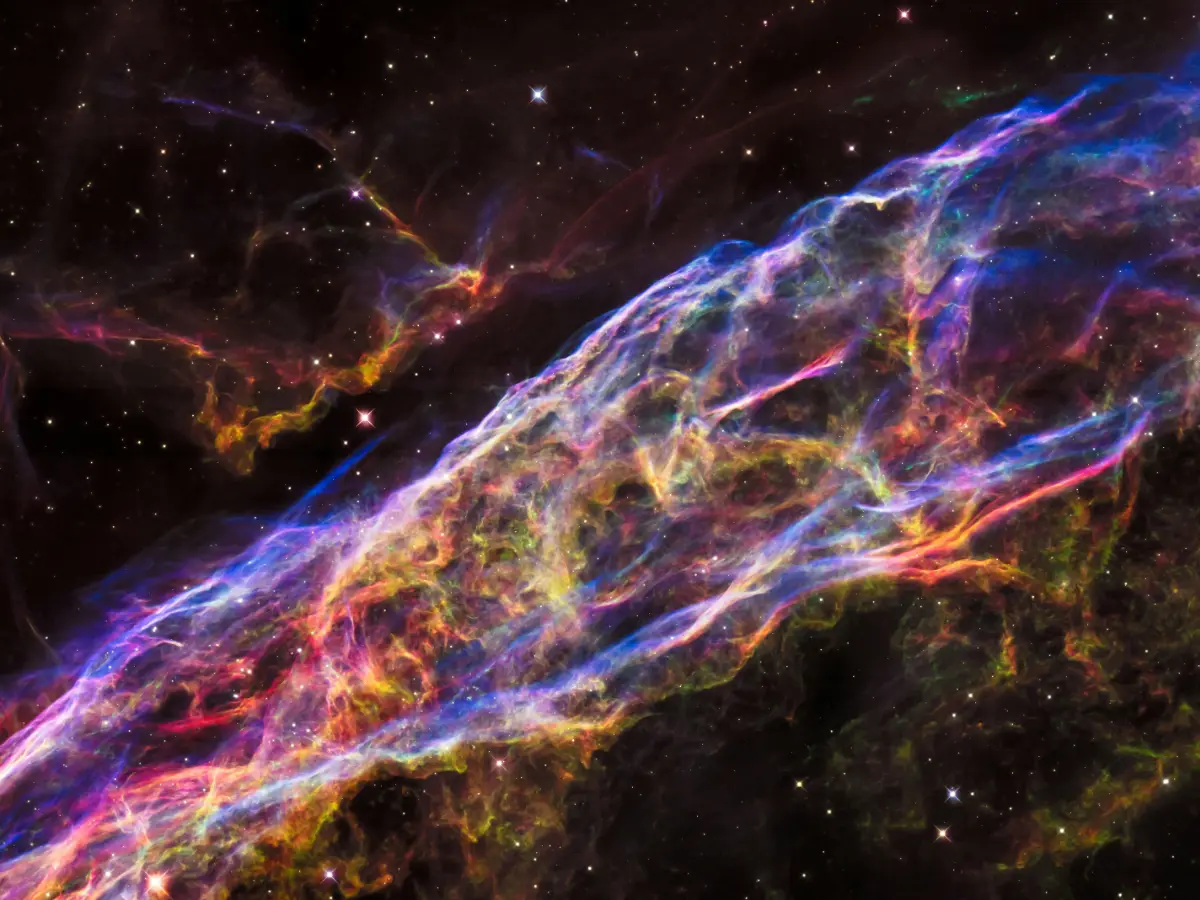
Is this the earliest chapter of the universe?
The radio signal hints at the characteristics of the early universe. This event shows that the universe might have reached "maturity" much faster and was a lot like what it is today right after it was formed. The supernova occurred when the universe was just 730 million years old, yet it cannot be termed the earliest chapter.
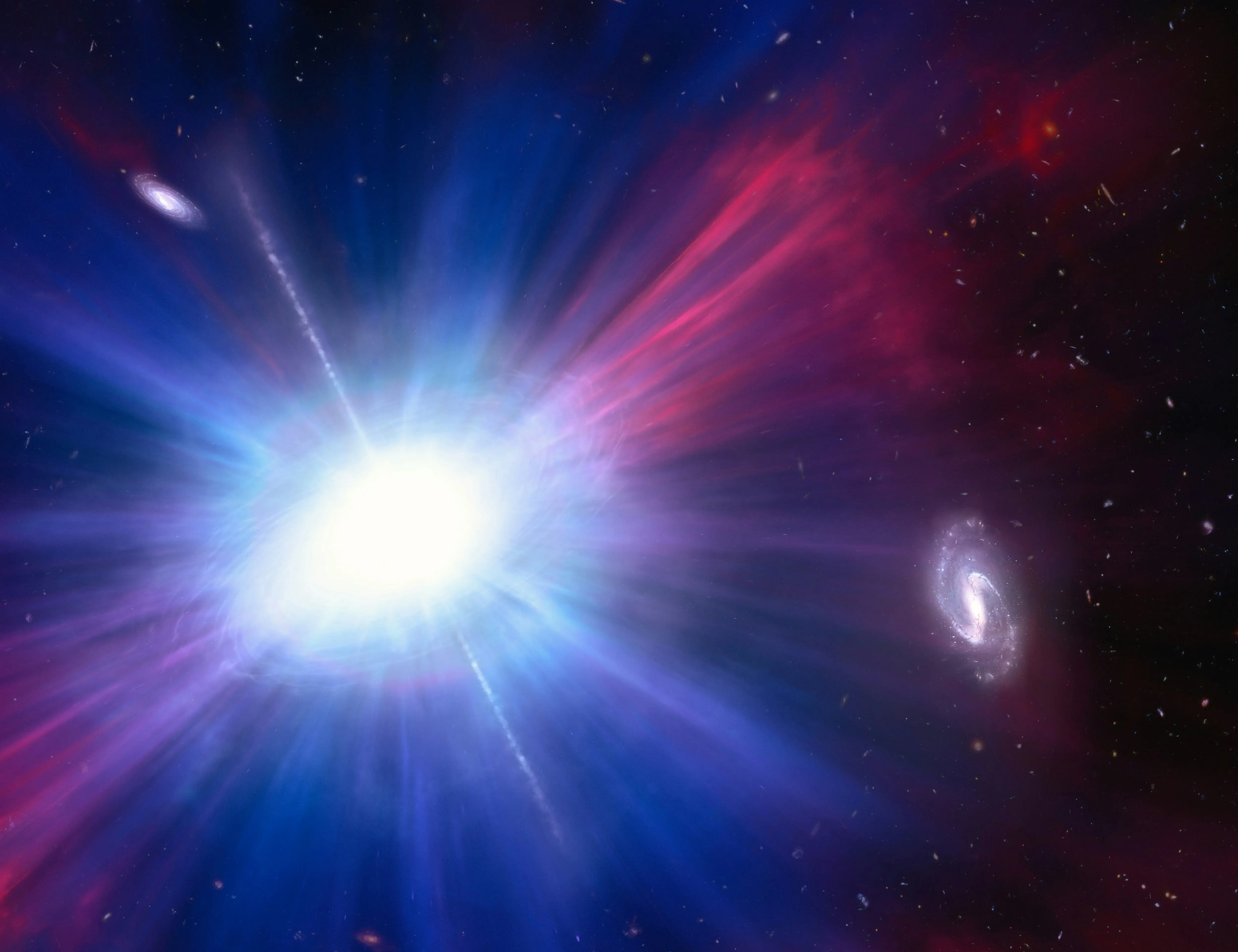
Broken rules of physics
The universe was extremely chaotic right after its birth, but the radio signal and the supernova show that the rules of physics already applied at the time, and the behaviour of stars was already "modern" just 700 million years after the Big Bang. This means we are missing a massive chapter of earlier chaos. So what we are seeing is not the beginning.
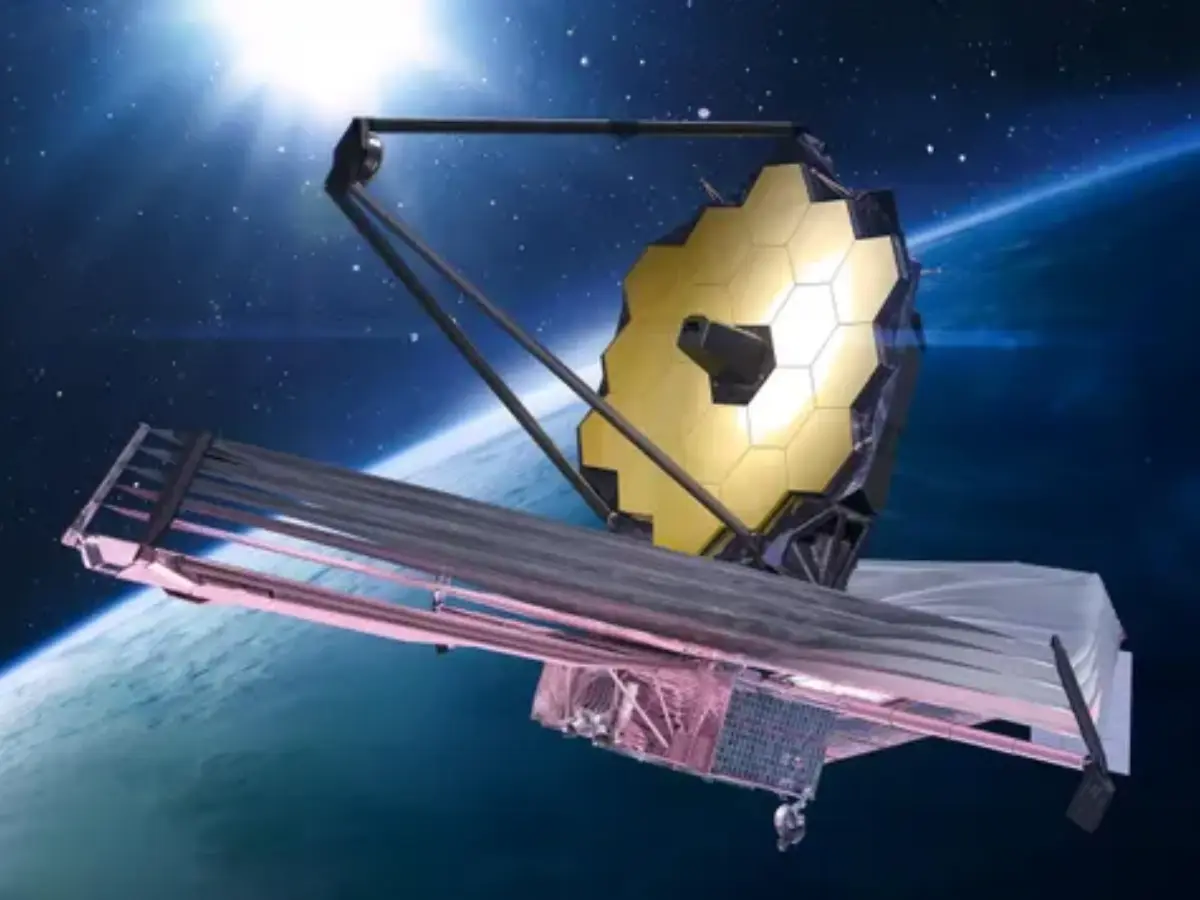
Time dilation - Watching the signal in slow motion
The radio signal also shows how time is dilated in the universe. This signal was just a burst, yet it took 13 billion years to reach Earth. Time was stretched for this signal, and it's like watching something in slow motion. The signal lasted just 10 seconds and was essentially "buffered" by 13 billion years of space. It offers an insight into the internal mechanics of a star that died so far away and how it is different from a fast supernova residing locally.
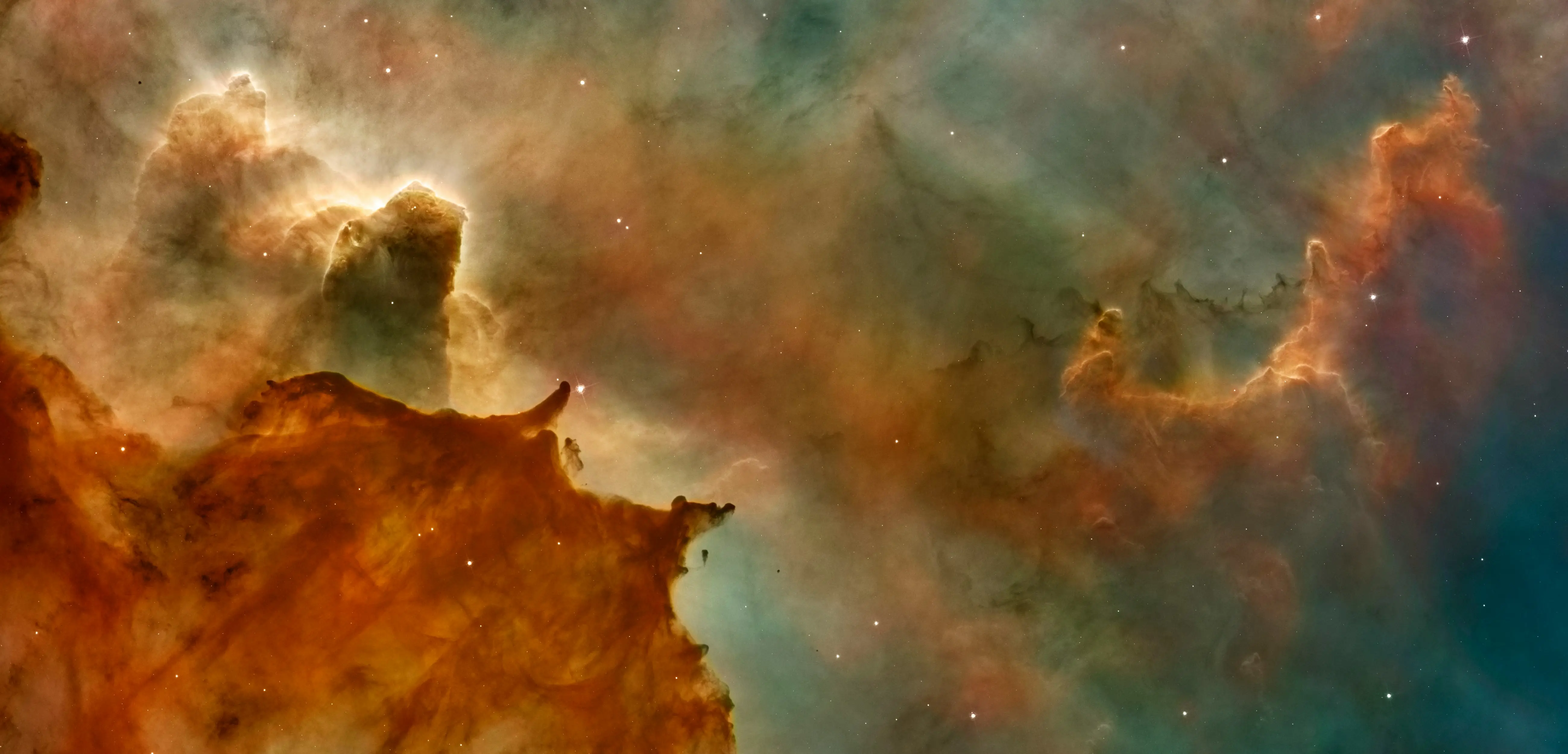
Checking out a 'ghost' galaxy
The supernova occurred in a galaxy that existed 730 million years after the birth of the universe. What scientists observed are likely the remnants of a galaxy that no longer exists today. It could have merged with another galaxy or disappeared fully. It is like looking at a "ghost" through a 10-second light, illuminating a dark region that we wouldn't have seen otherwise.
)
)
)
)
)