How fast would an S-400 missile need to be to intercept an ICBM?

To intercept an ICBM, an S-400 missile would need to exceed Mach 20 (24,000 km/h) to catch the hypersonic re-entry vehicle. The current 40N6E missile peaks at Mach 14, forcing Russia to build the S-500 Prometheus for true intercontinental defence.
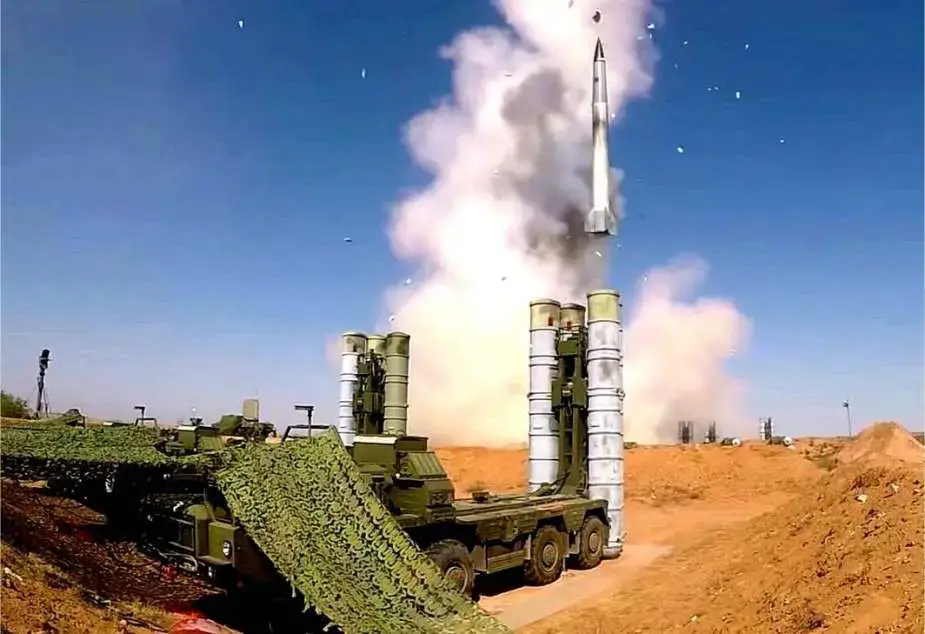
The Hypersonic Threat
An Intercontinental Ballistic Missile (ICBM) re-enters the Earth's atmosphere at devastating hypersonic velocities. Plunging toward its target, the nuclear warhead typically travels between Mach 20 and Mach 25, or roughly 24,000 kilometres per hour.
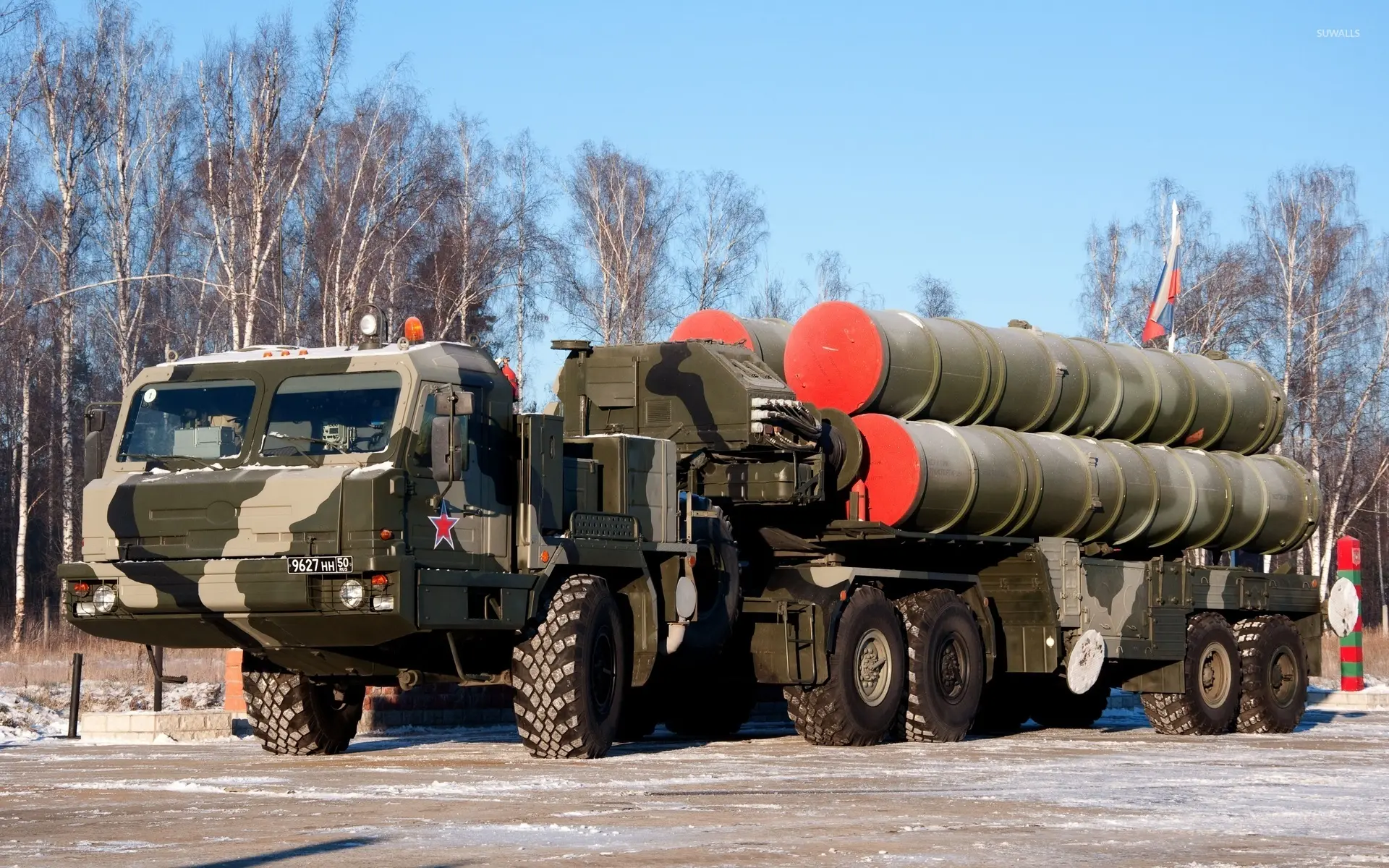
The Current Limit
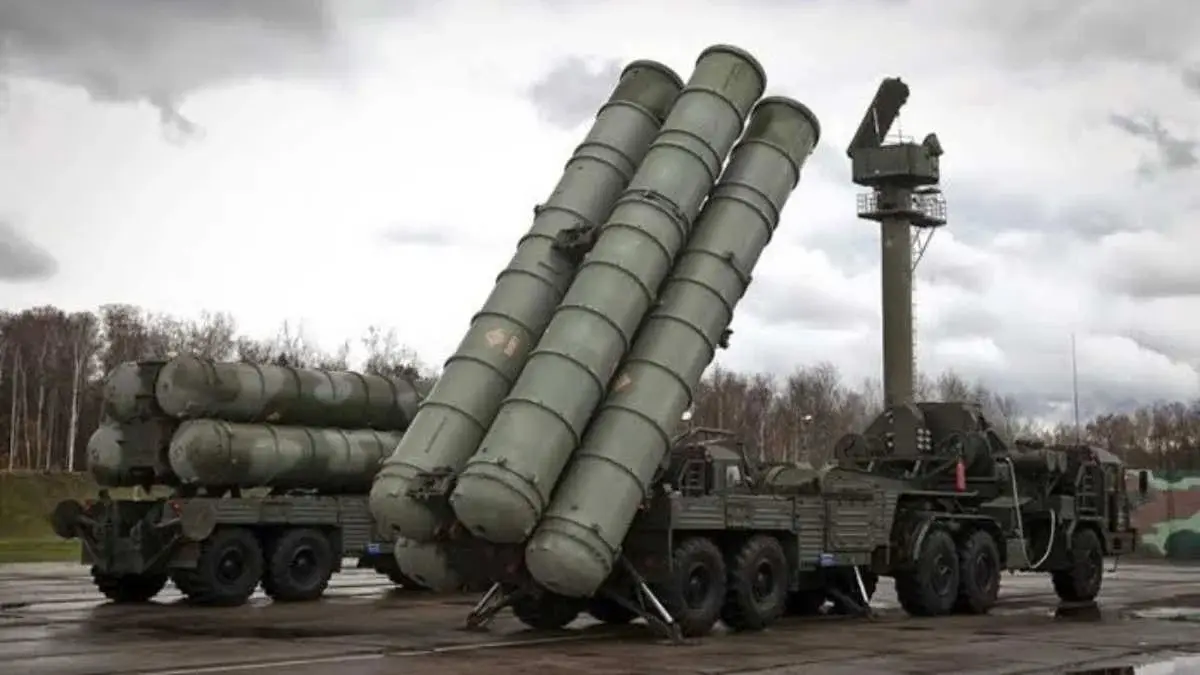
The Russian S-400 Triumf is a formidable system, but it is fundamentally too slow to catch an ICBM. Its fastest interceptor, the 40N6E, peaks at Mach 14, creating a massive velocity deficit against an incoming intercontinental weapon.
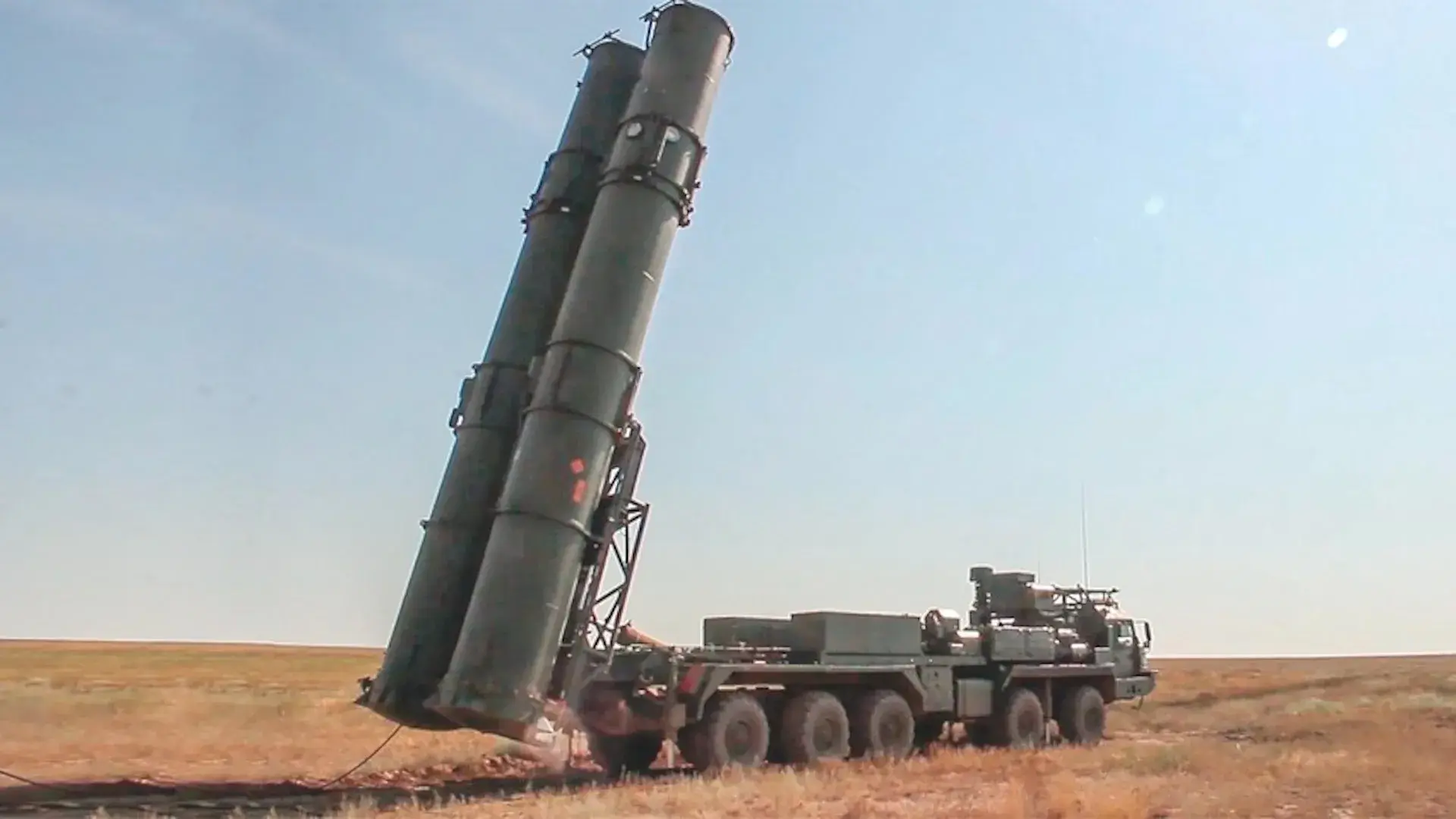
The 30-Second Window
Because the S-400 has a maximum altitude ceiling of just 60 kilometres, it cannot intercept the ICBM in space. It must wait for the terminal re-entry phase, giving the battery a terrifyingly brief 30-second window to launch before detonation.
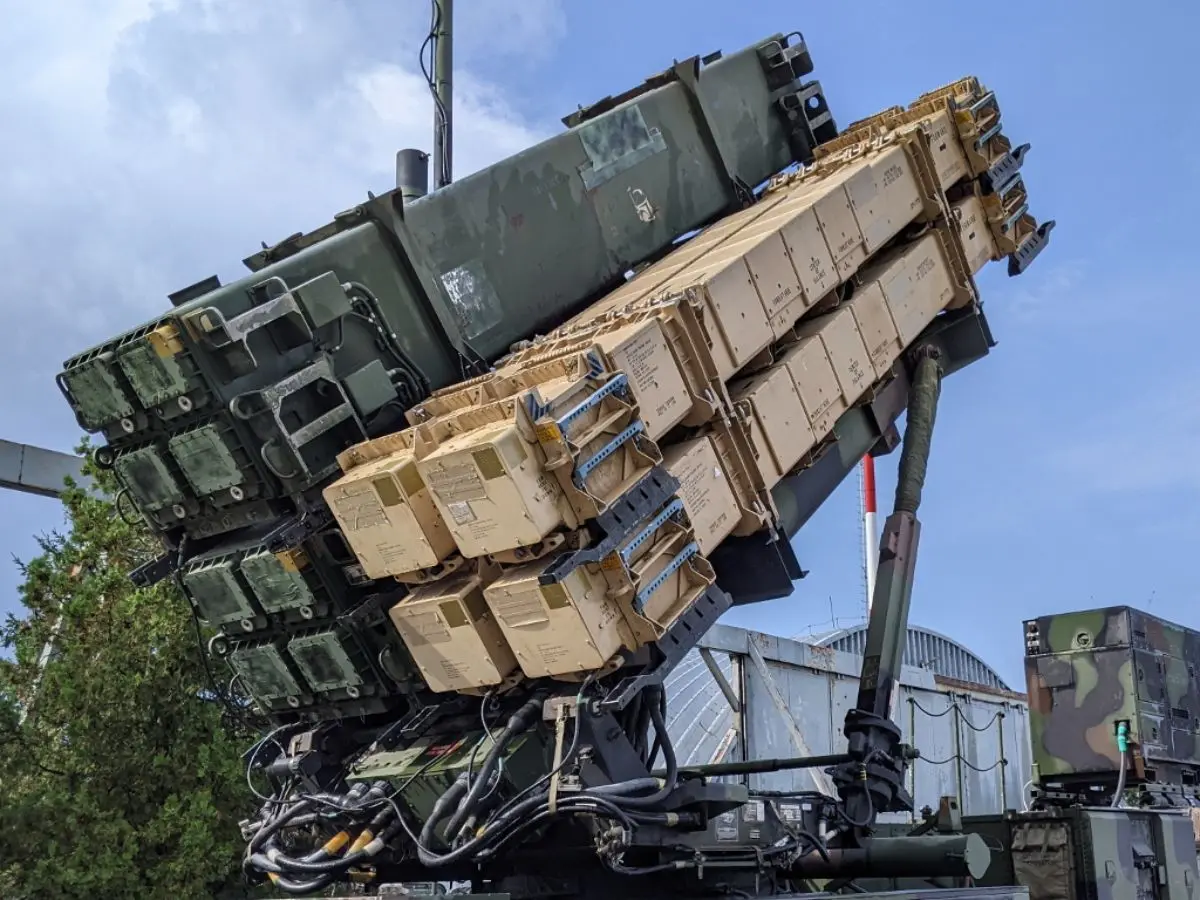
Extreme Closing Velocities
If an S-400 attempted a head-on interception, the combined closing velocity between the Mach 14 interceptor and the Mach 20 ICBM would be extreme. The 55K6E command post would have to calculate a physical collision happening at roughly 10 kilometres per second.
The Speed Requirement
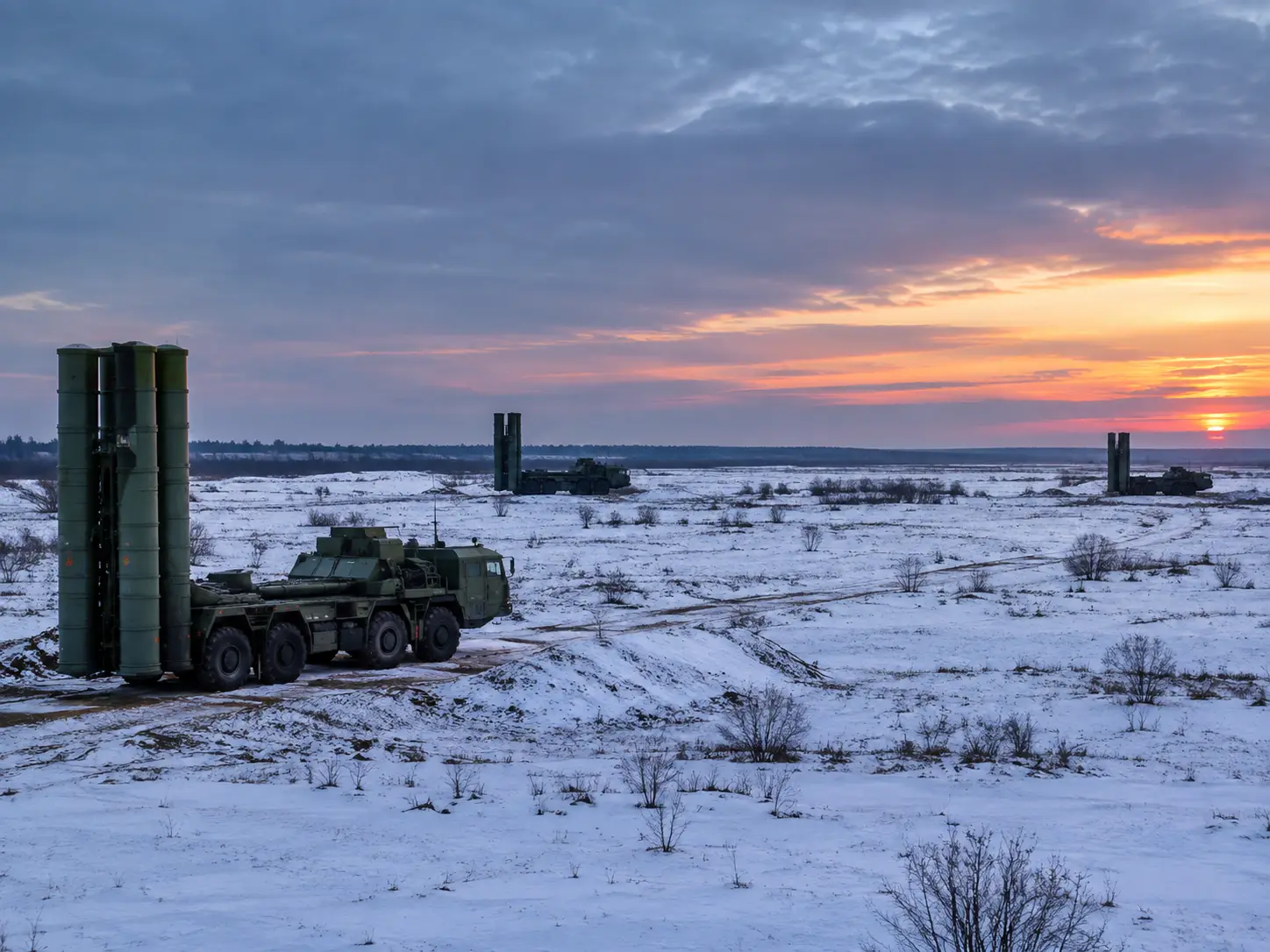
To successfully intercept an ICBM, an upgraded S-400 missile would realistically need to achieve speeds exceeding Mach 20. Furthermore, it would require violent, instant rocket acceleration to reach that top speed before the warhead breaches the lower atmosphere.
Hit-to-Kill Precision
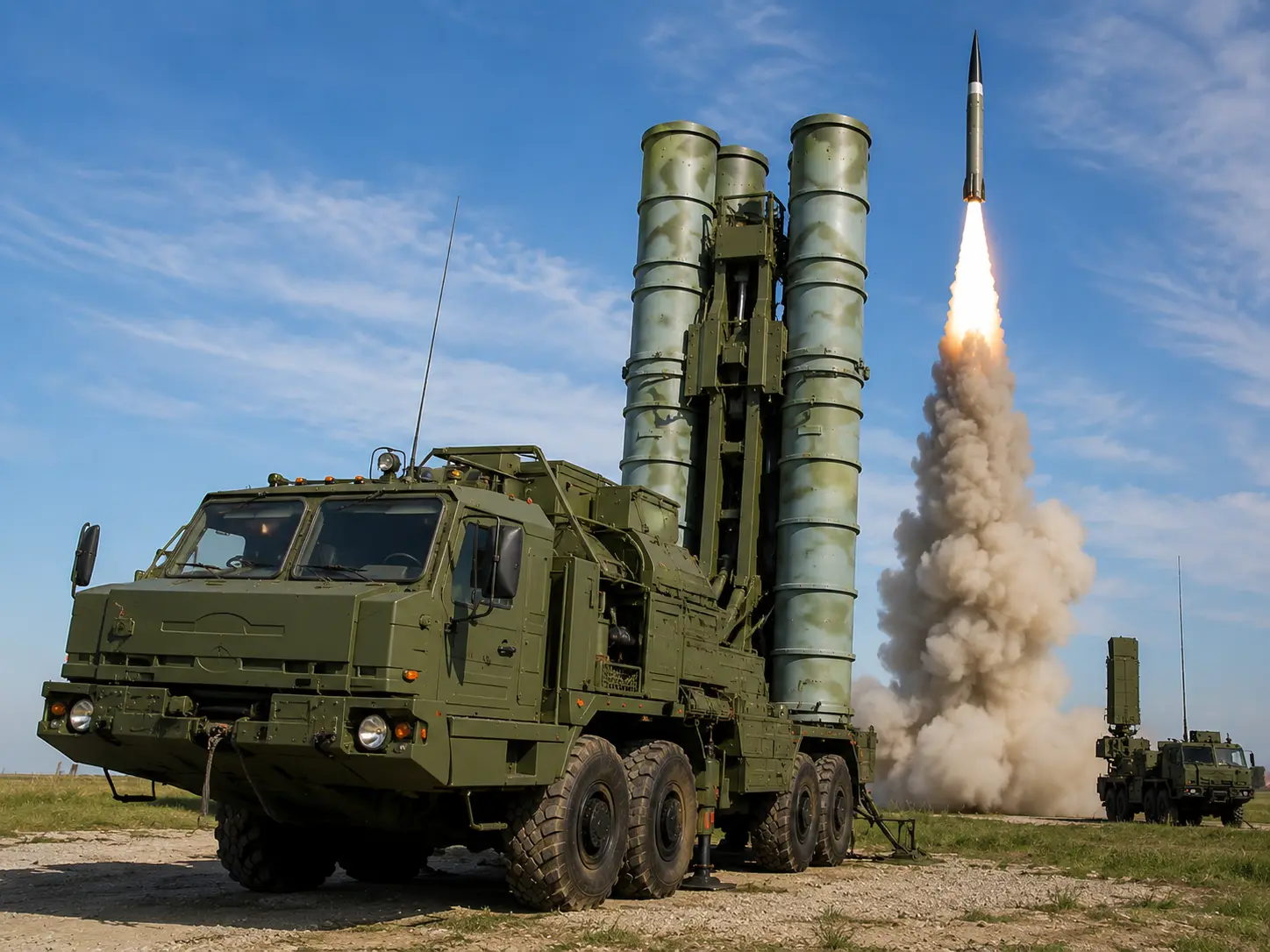
Sheer speed is not enough to prevent a nuclear detonation. At Mach 20, the S-400 could no longer rely on its standard 143-kilogram fragmentation warheads; it would need advanced kinetic ‘hit-to-kill’ technology to physically shatter the armoured re-entry vehicle.
The S-500 Upgrade
Because the S-400 cannot achieve Mach 20, the Russian military engineered the USD 2.5 billion S-500 Prometheus. This next-generation system deploys massive 77N6 interceptors designed to reach extreme hypersonic velocities and destroy ICBMs safely in space.
)
)
)
)
)