How do factory robots know when something has gone wrong?

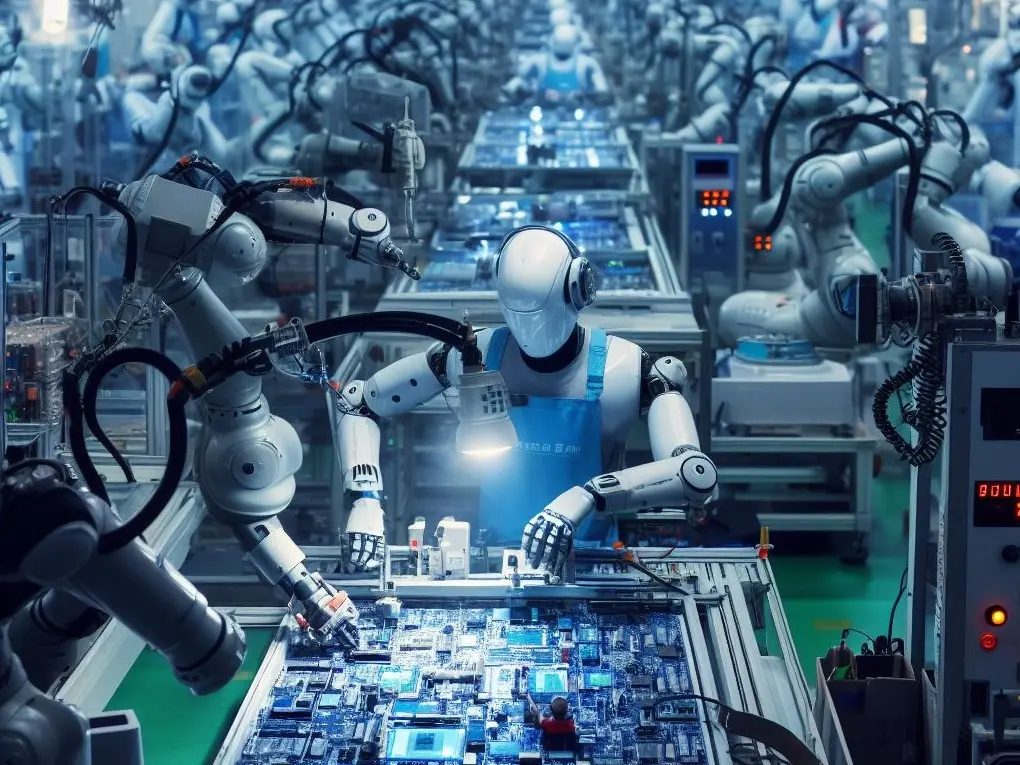
Equipped with 3D cameras and AI processors that analyse visual data in milliseconds, modern factory robots instantly detect and correct manufacturing anomalies on the assembly line.
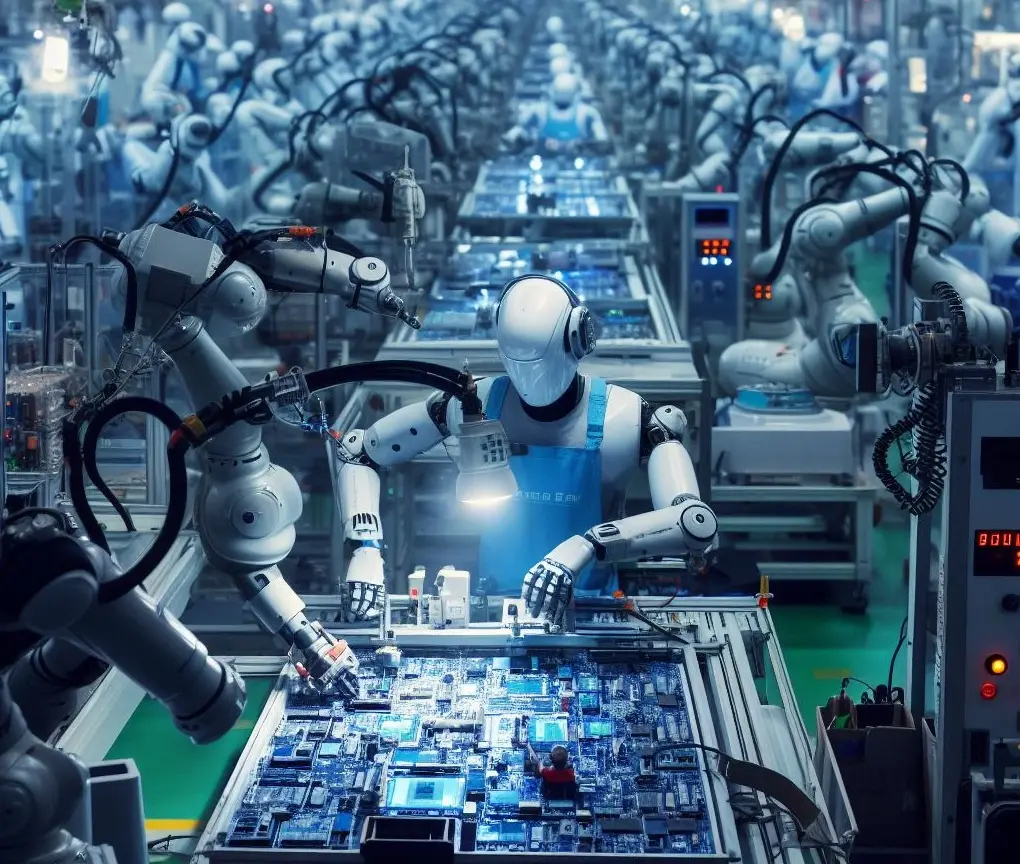
High-resolution vision systems
Robots use 2D, 3D, and multispectral cameras to capture continuous video streams of the assembly process. These cameras provide high-resolution depth information to precisely track part orientation and surface textures.
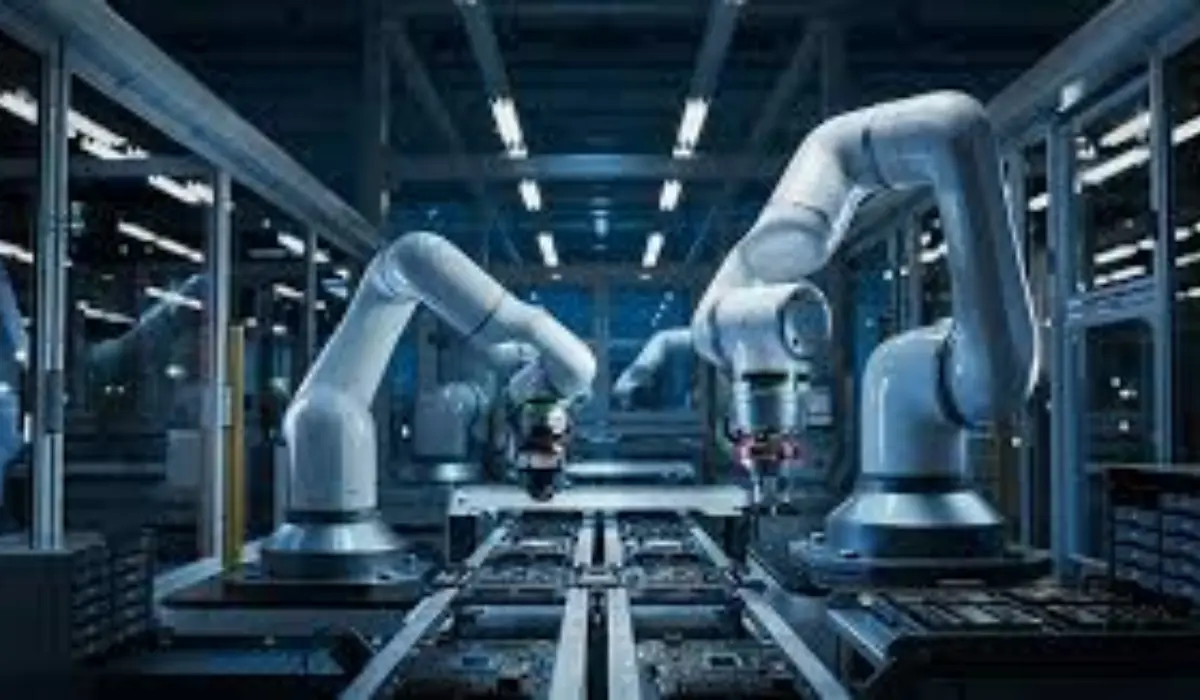
Real-time edge processing
The captured visual data is immediately sent to an edge computing unit located on the factory floor. This inference hardware evaluates the images in milliseconds, ensuring that the detection of any defect happens instantly.
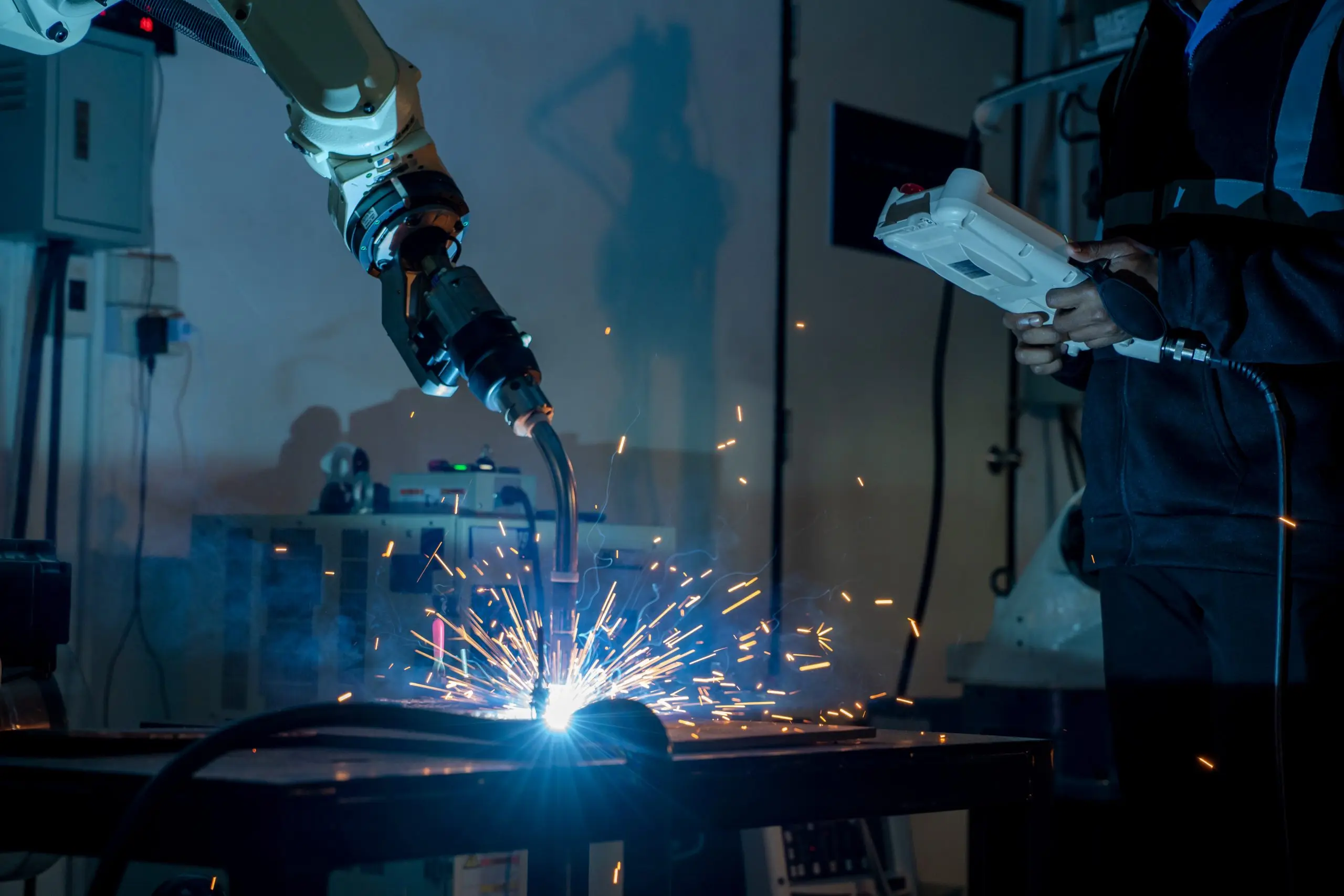
Artificial intelligence algorithms
Robots use deep learning models and computer vision software to classify what they see. These software models learn from experience, allowing them to distinguish between natural material variations and actual manufacturing defects.
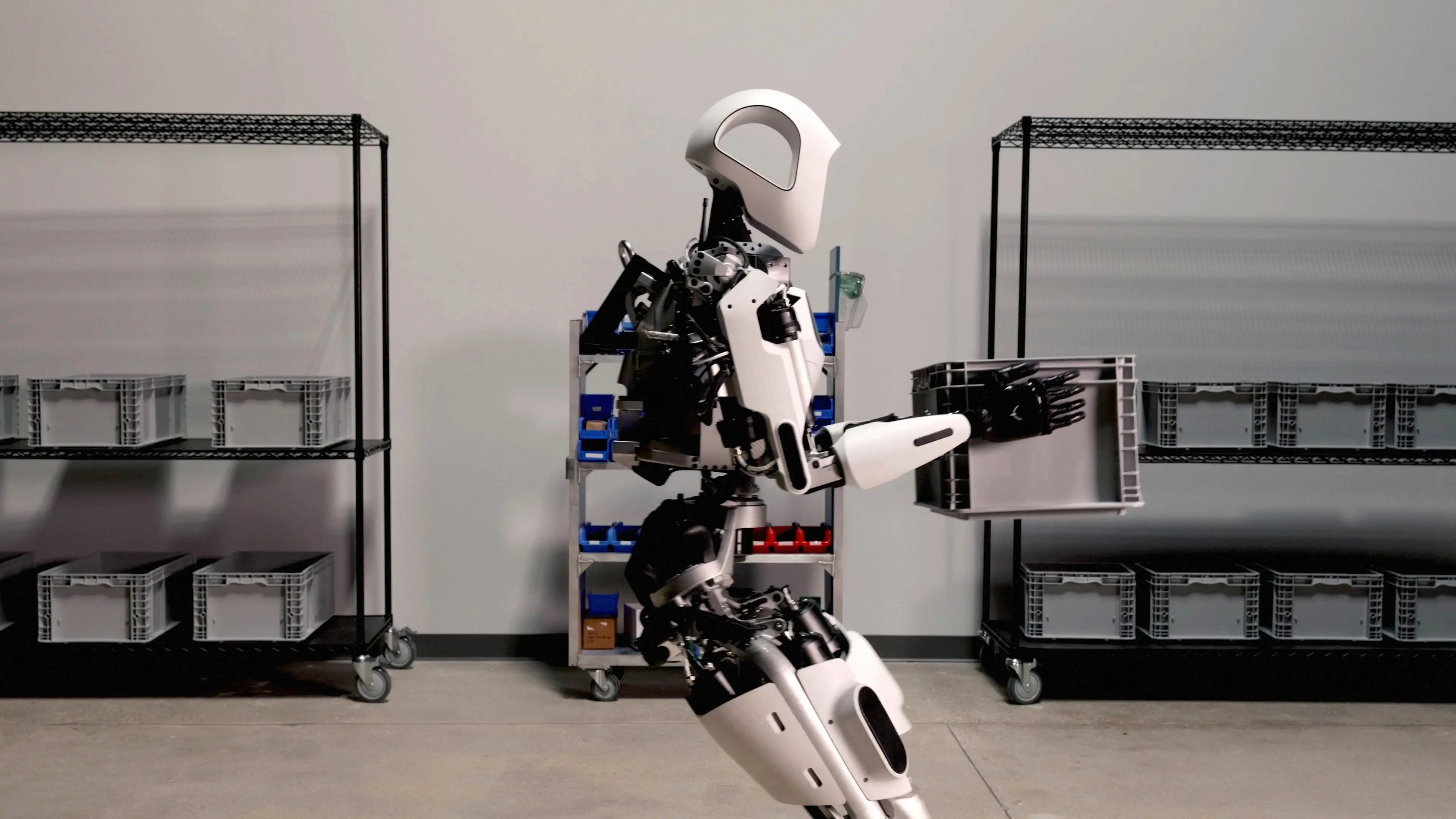
Sensor fusion networks
Beyond cameras, robots utilise LiDAR and inertial measurement units to understand their physical surroundings. Combining these data sources helps autonomous systems detect unexpected obstacles or hazards on the factory floor.
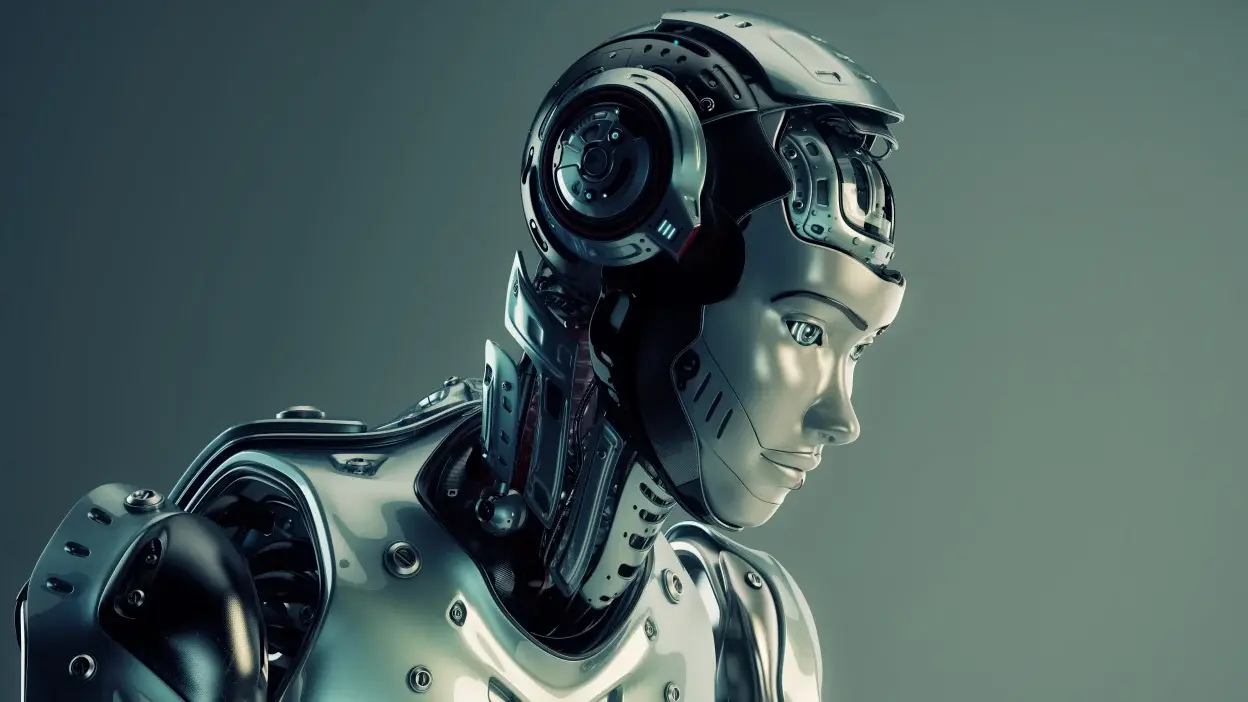
Instant corrective action
When the system identifies an error, it immediately communicates with the robot's primary controller. This allows the machine to reject defective components or halt its movement instantly to prevent costly production failures.
)
)
)
)
)