Near the seat of power, far from free protest? Jantar Mantar to Tiananmen: 5 iconic protest sites where protests are no longer allowed

Jantar Mantar has long been a prominent stage for dissent in New Delhi. But its removal from Delhi Police's list of designated protest sites raises a bigger question: what happens when iconic spaces for challenging power become harder to access?
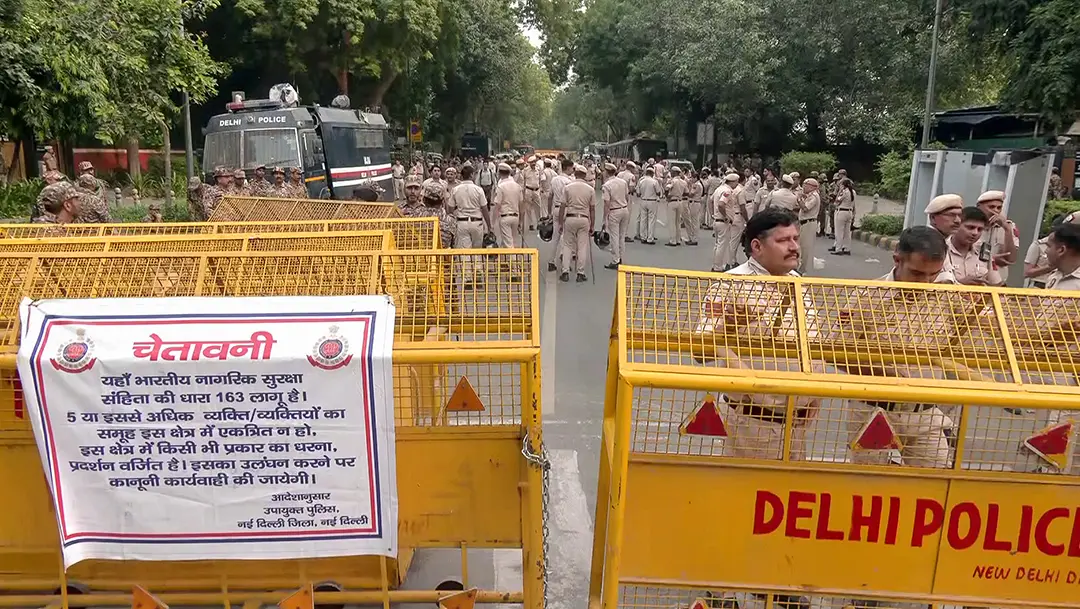
Protest near power, or far away?
Jantar Mantar, the iconic protest site in the Indian capital, New Delhi, was de-notified as a place of demonstration on Monday (Oct 12). In its place, the Delhi police have named three alternatives. In a scathing attack on the Central government and Delhi Police over the decision, a Cockroach Janta Party (CJP) activist on Tuesday termed the move a blatant assault on constitutional rights, calling it a "de-notification of democracy itself."
Speaking at a press conference, CJP activist Mehr Parsicha asserted that public spaces belong to all citizens and cannot be commandeered by the state to silence dissent.
But is Jantar Mantar the only iconic protest site where protests are no longer allowed? Scroll down to know.
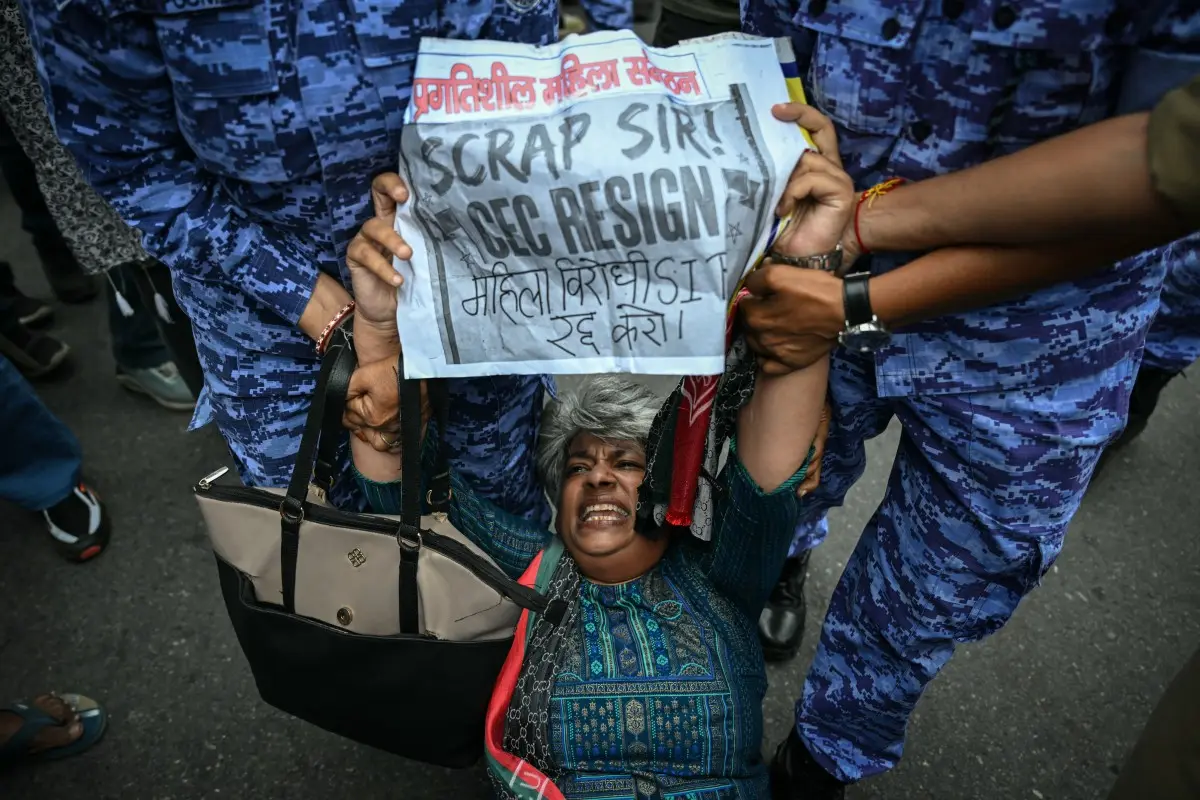
India: Jantar Mantar, New Delhi
Distance to power: Less than 2 km
Jantar Mantar has long been a familiar address for demonstrations in the capital, close to Parliament and central government offices. But on Monday (Oct 12), Delhi Police de-notified it as a protest site and named three alternatives: Ramlila Maidan, around 5 km away; CBD Ground in Shahdara, around 12 km away; and Burari Ground, around 18 km away.
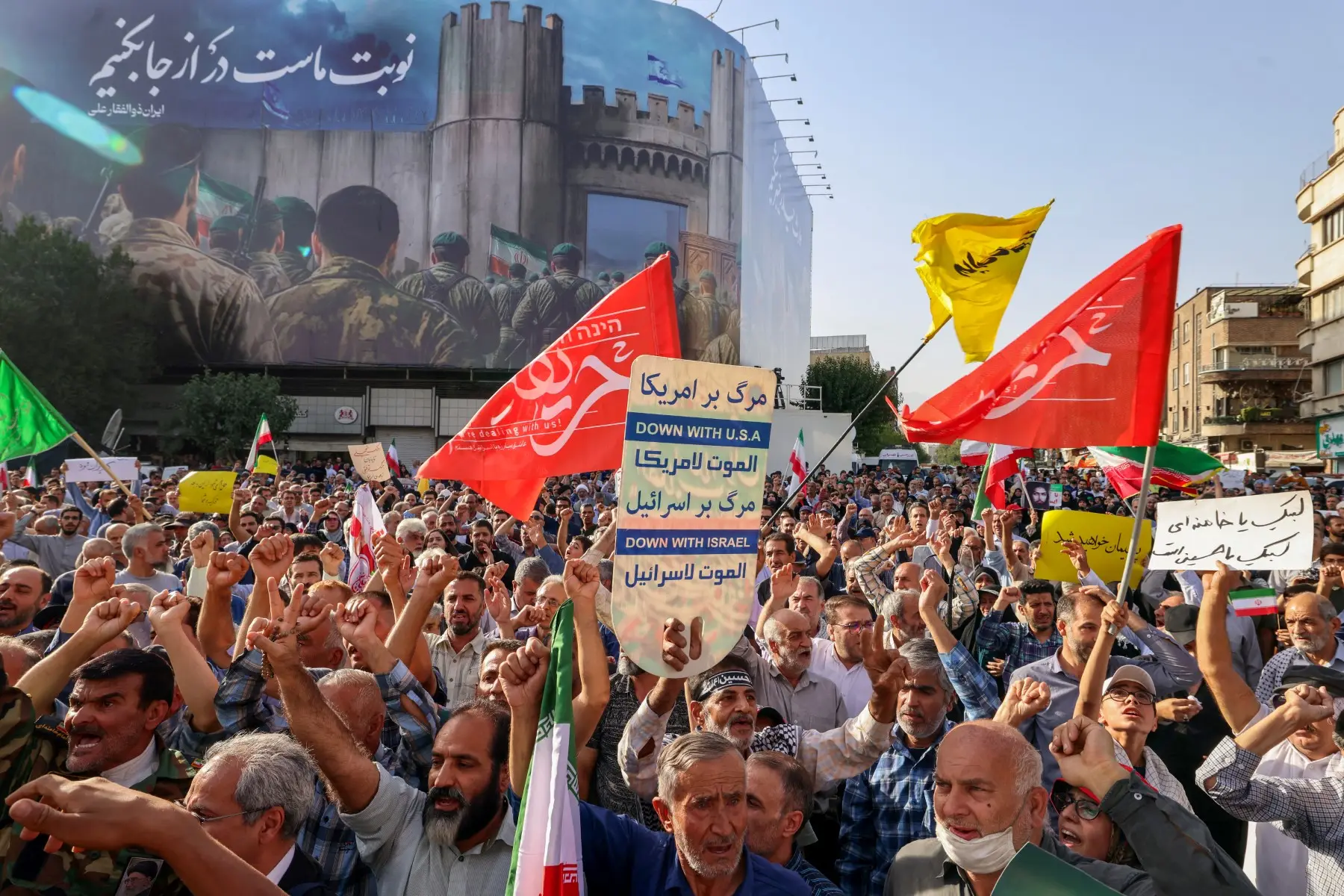
Iran: Enghelab Square, Tehran
Distance to power: Central Tehran, within a few kilometres of key institutions
Enghelab, or Revolution Square, sits along a major artery in central Tehran. Its name and location give it a prominent place in the city's political landscape, while nearby Baharestan is associated with parliament and other state institutions. Yet being close to the centre of power does not guarantee room to protest. Demonstrations in Iran can face heavy security deployments, restrictions and forceful crackdowns.
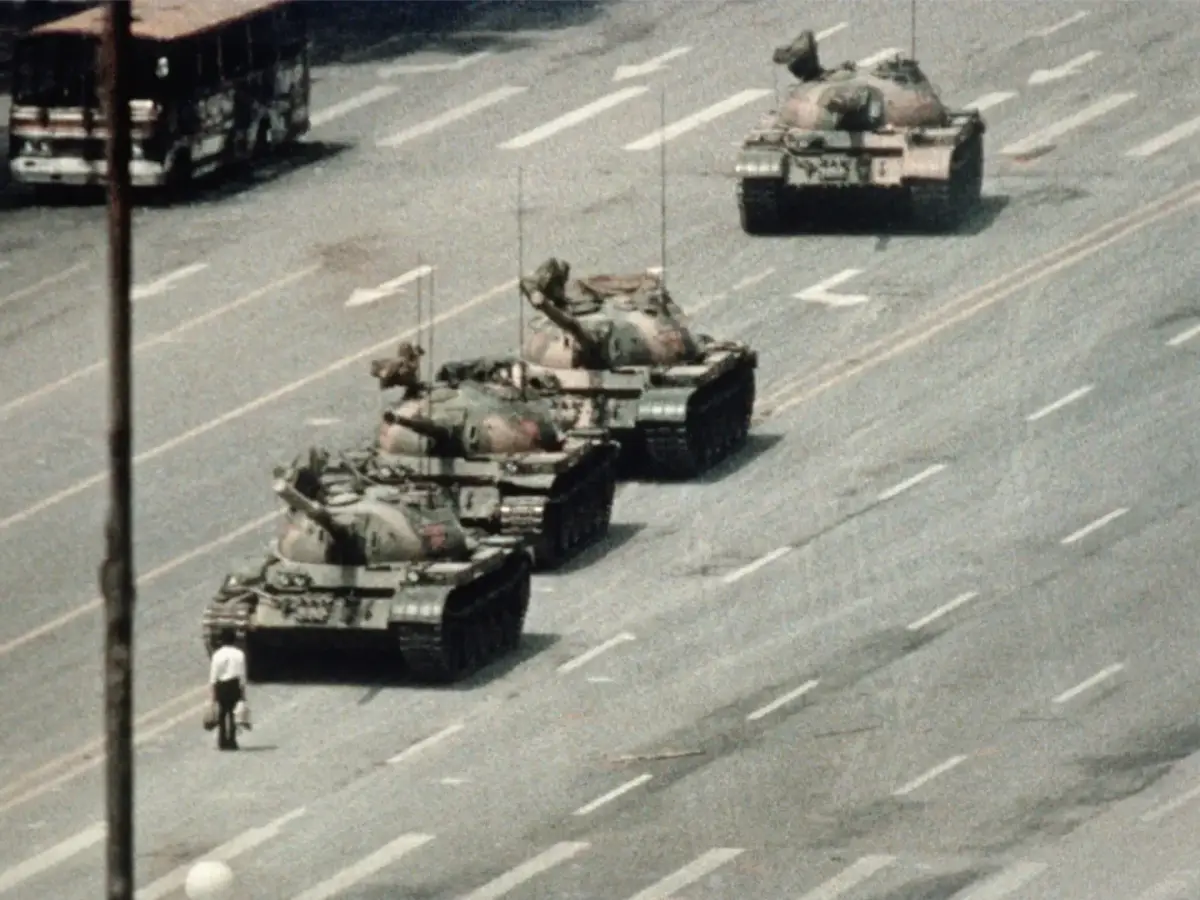
China: Tiananmen Square, Beijing
Distance to power: At the heart of the capital's political landscape
Tiananmen Square is among the world's best-known political spaces, but also one of the most tightly controlled. The 1989 pro-democracy movement and the military crackdown that ended it remain central to the square's history. Public dissent is heavily restricted, and demonstrations are not freely permitted.
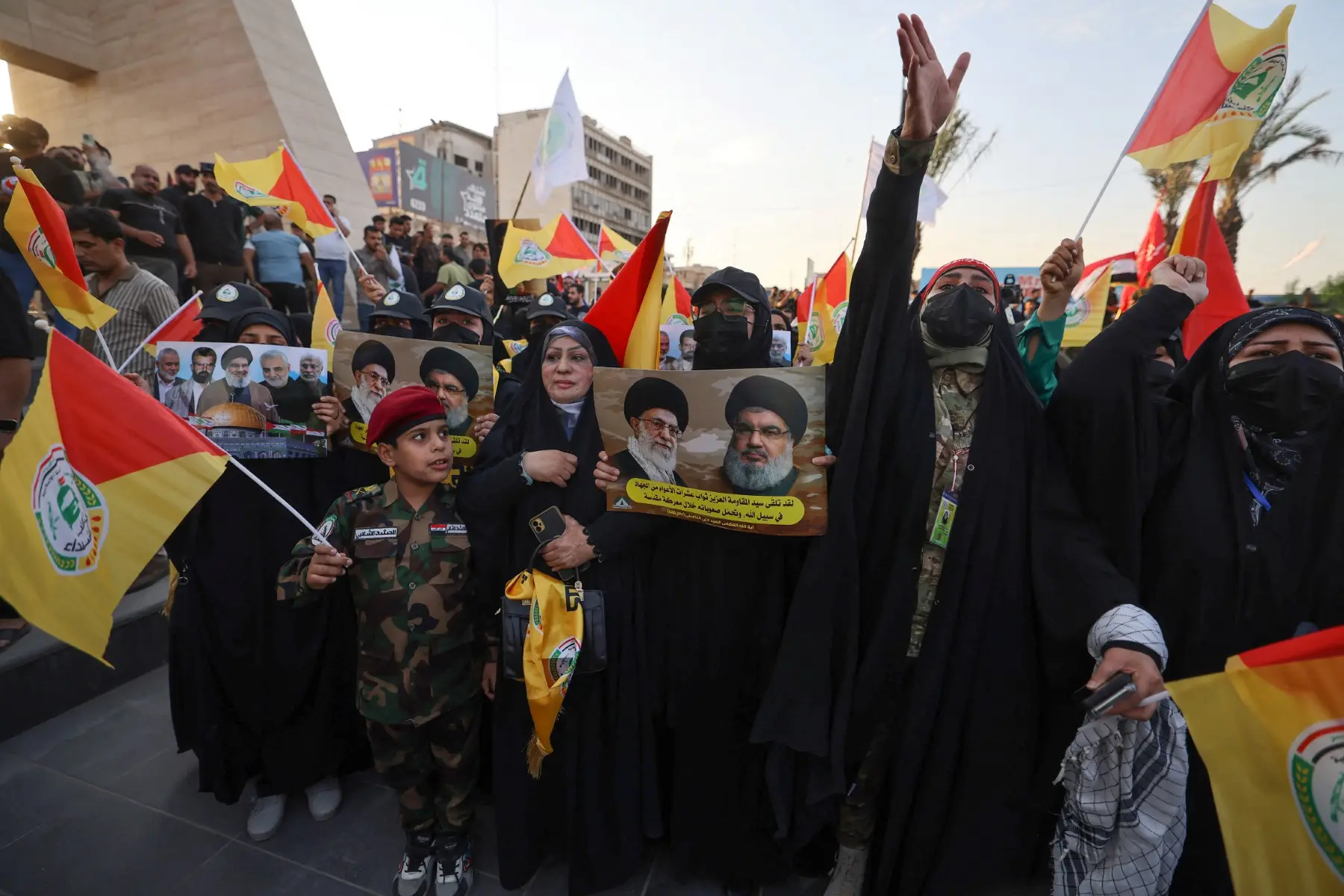
Egypt: Tahrir Square, Cairo
Distance to power: Central Cairo, near government buildings
Tahrir Square became one of the defining images of the 2011 Egyptian uprising, when crowds demanded the departure of President Hosni Mubarak. Its central location placed demonstrators near government ministries and political institutions. Since then, tighter protest laws, security measures and changes to the square have made public mobilisation there far more difficult.
)
)
)
)
)