From Jantar Mantar to Lafayette Square: Where the world protests, and how close it gets to power

From India's Jantar Mantar to Washington's Lafayette Square, some of the world's most iconic protests have unfolded close to the seat of power. But how near can demonstrators get to leaders and government institutions? Here's a look at some landmark protest sites around the world.
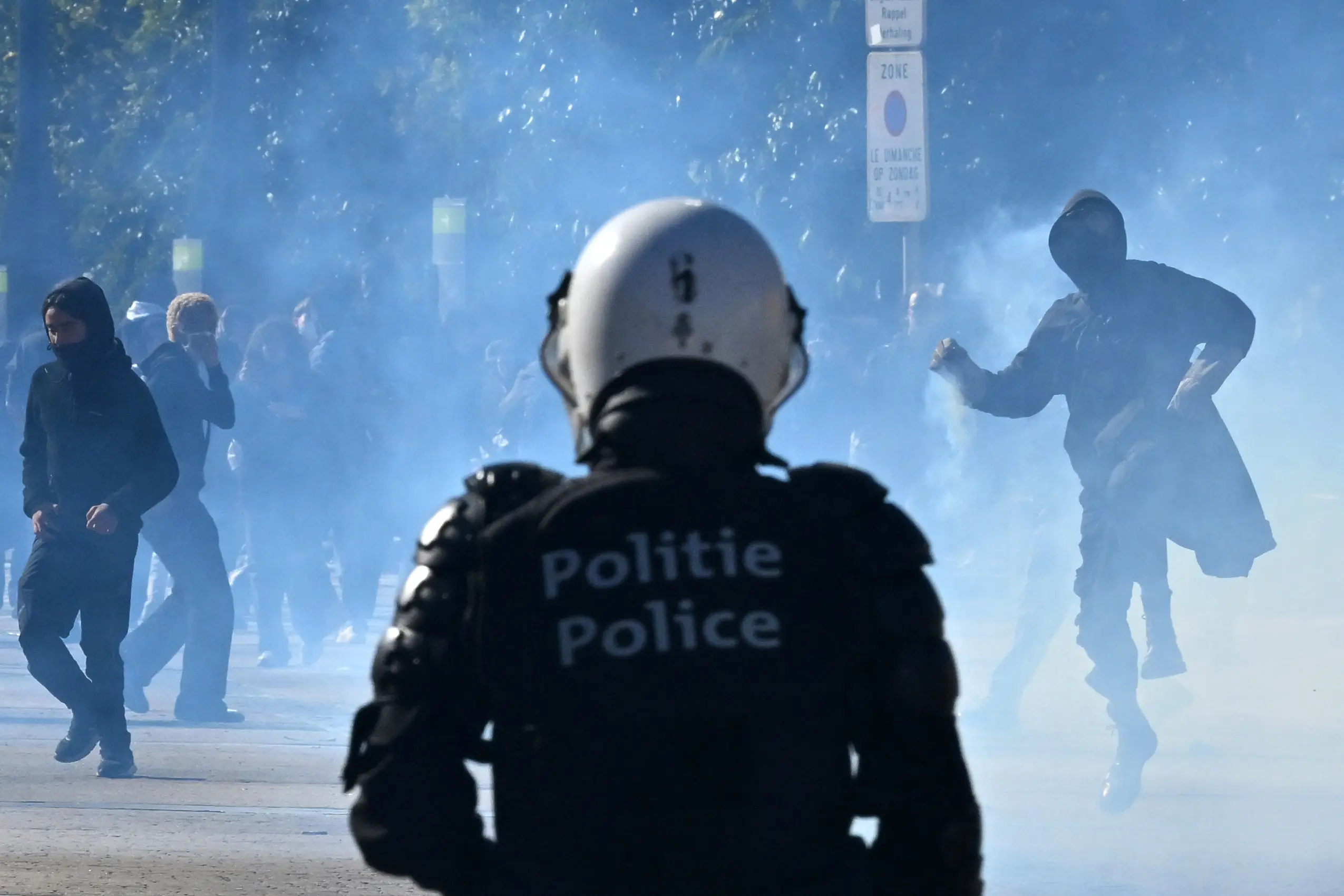
Where do people protest, and how close can they get to power?
From the streets of Cairo to the lawns outside the White House, some of the world's most memorable protests have unfolded within sight of the people in charge. But not every capital gives demonstrators the same access. In some places, protesters can gather near parliament or a presidential office. Elsewhere, security barriers, restrictions or the threat of arrest can keep dissent away from the seat of power.
Indian capital, Delhi, offers a fresh example of that tension. Jantar Mantar, long associated with demonstrations near Parliament, was de-notified as a protest site on Monday (Oct 12). While three alternative venues have been identified, each is farther from the central government district.
Here is a look at some iconic protest sites from around the world.
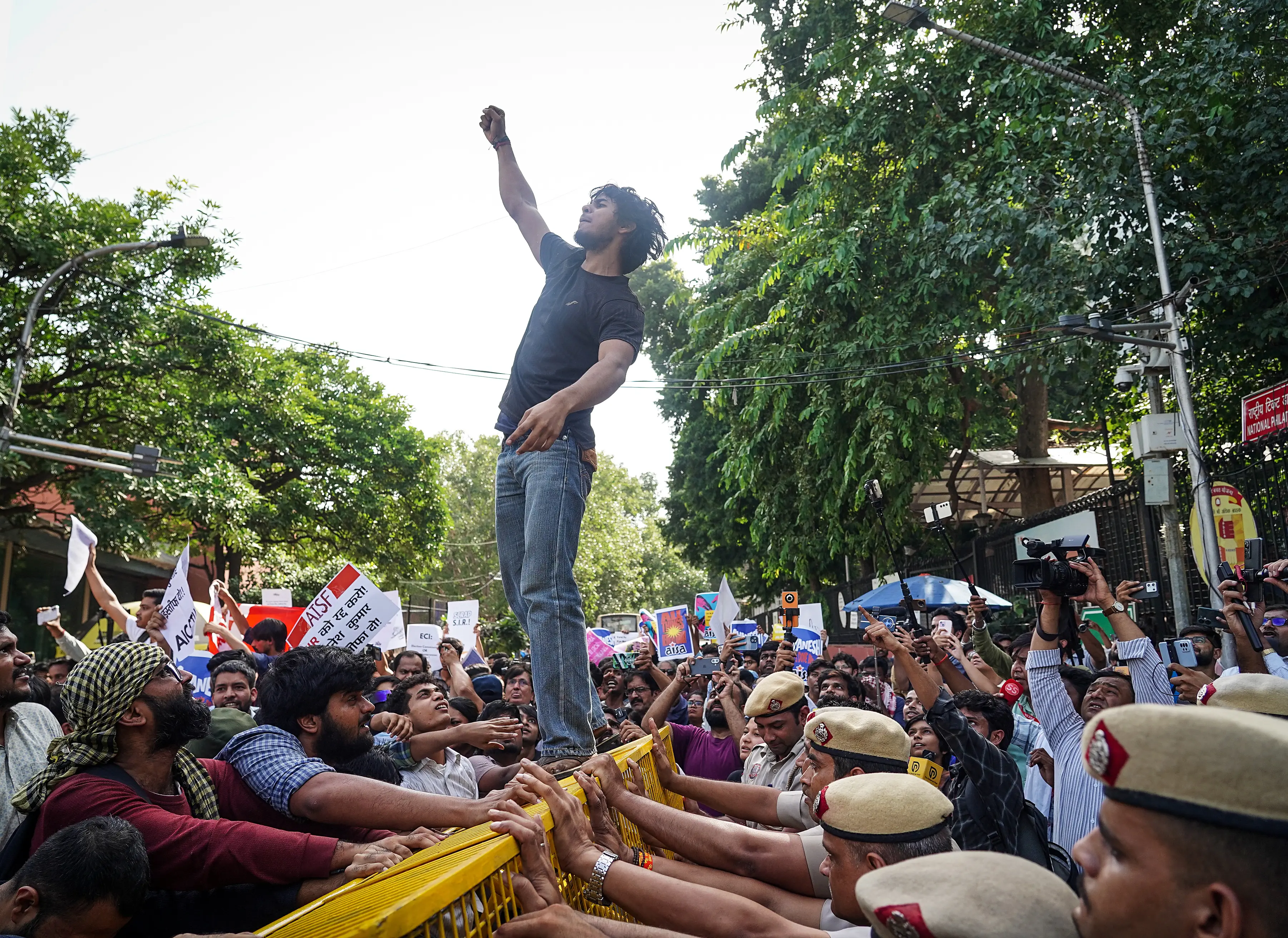
India: Jantar Mantar, New Delhi
Distance to power: Less than 2 km
Jantar Mantar has long been a familiar address for demonstrations in the capital, close to Parliament and central government offices. But on Monday (Oct 12), Delhi Police de-notified it as a protest site and named three alternatives: Ramlila Maidan, around 5 km away; CBD Ground in Shahdara, around 12 km away; and Burari Ground, around 18 km away.
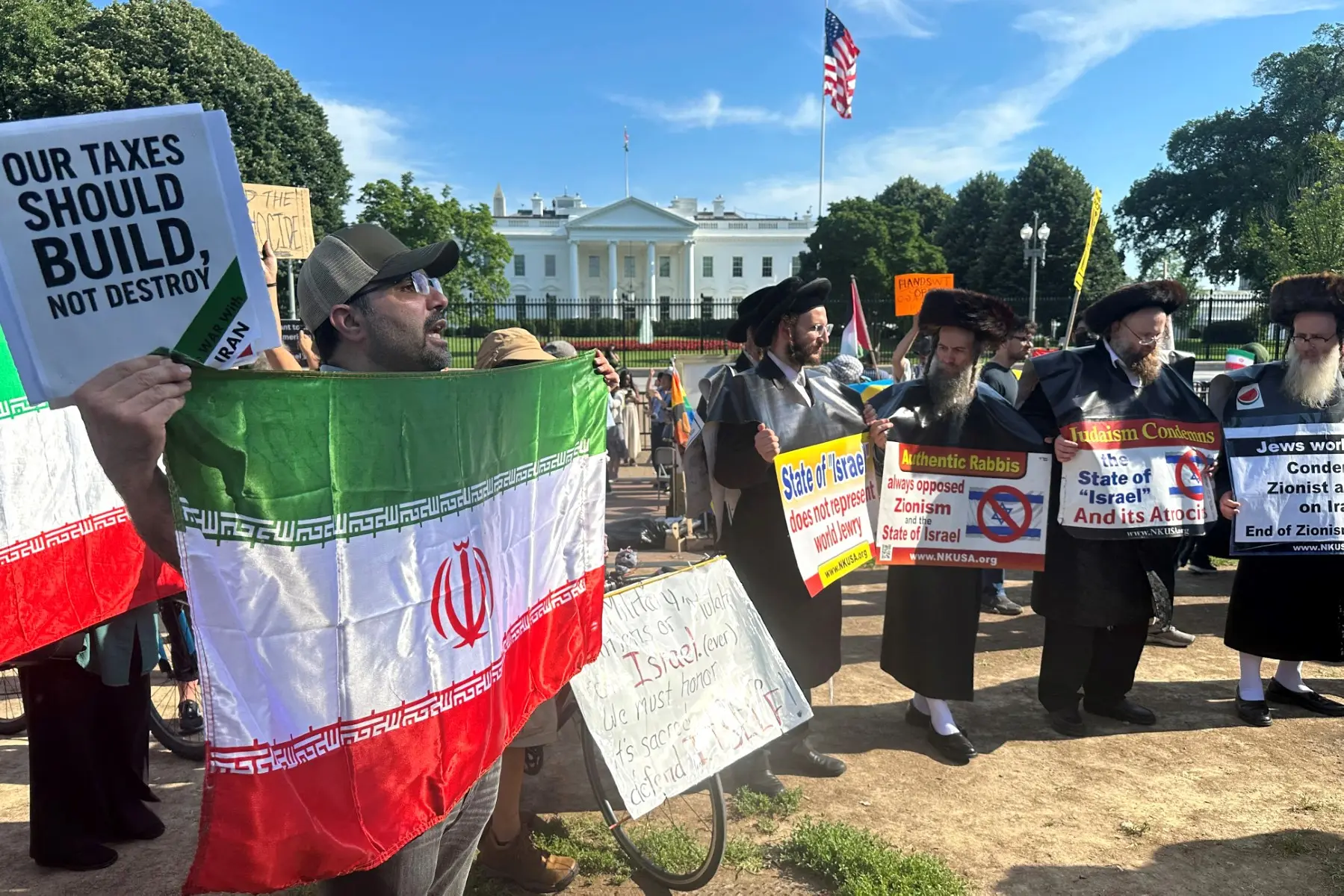
United States: Lafayette Square, Washington, DC
Distance to power: Directly across from the White House
Few protest locations sit as close to a national leader's workplace as Lafayette Square. Just across from the White House, it has been a gathering point for people seeking to send a message directly to the US president. Demonstrations are possible in designated public areas, subject to applicable rules and security restrictions.
Notably, the White House grounds themselves are off-limits for protests and demonstrations.
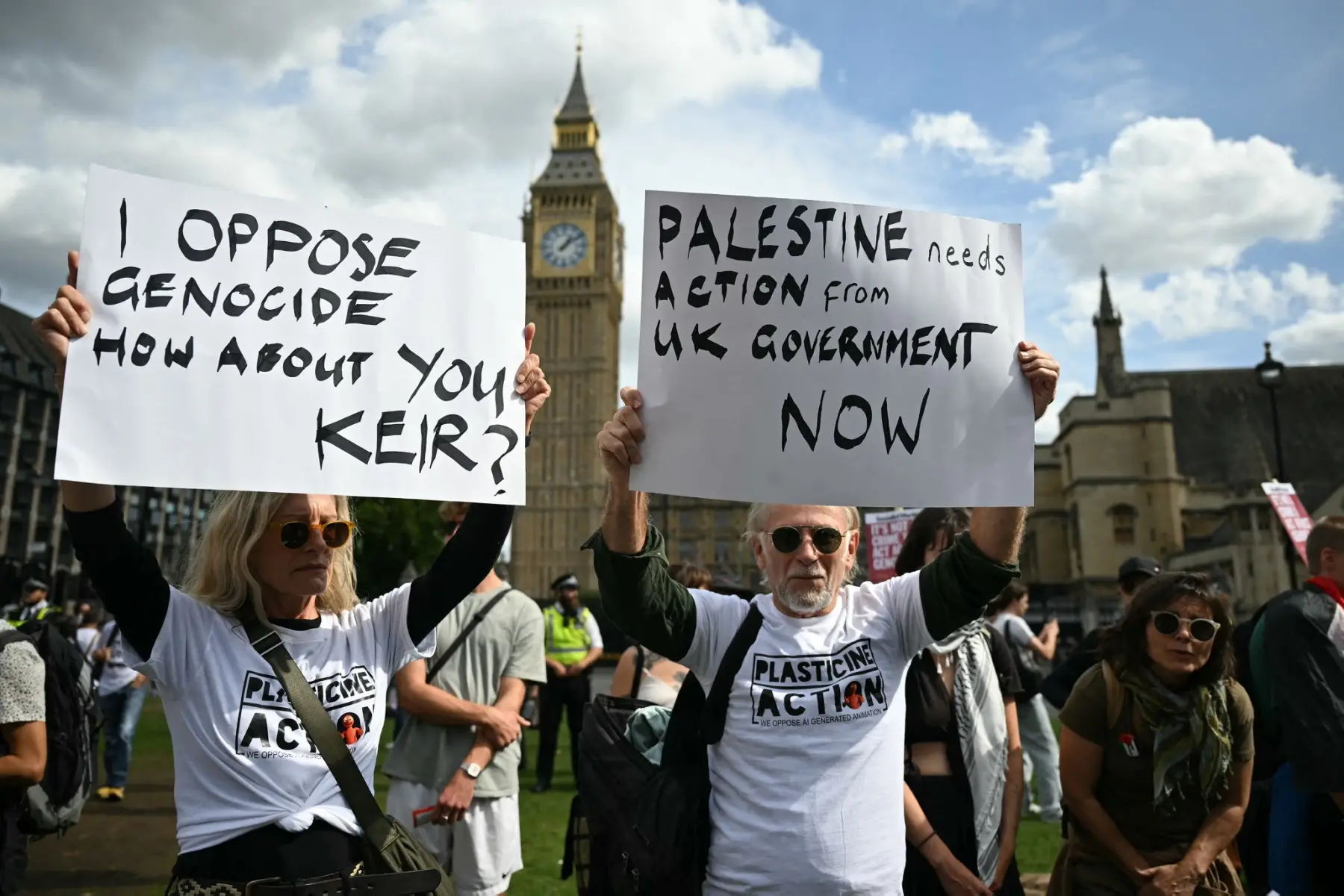
United Kingdom: Parliament Square and Whitehall, London
Distance to power: Beside Parliament and near Downing Street
In London, protesters can gather close to the Houses of Parliament and along Whitehall, the government district that leads towards the Prime Minister's official residence. While Downing Street itself is closed behind security gates, demonstrations can take place outside them, subject to police powers and protest laws.
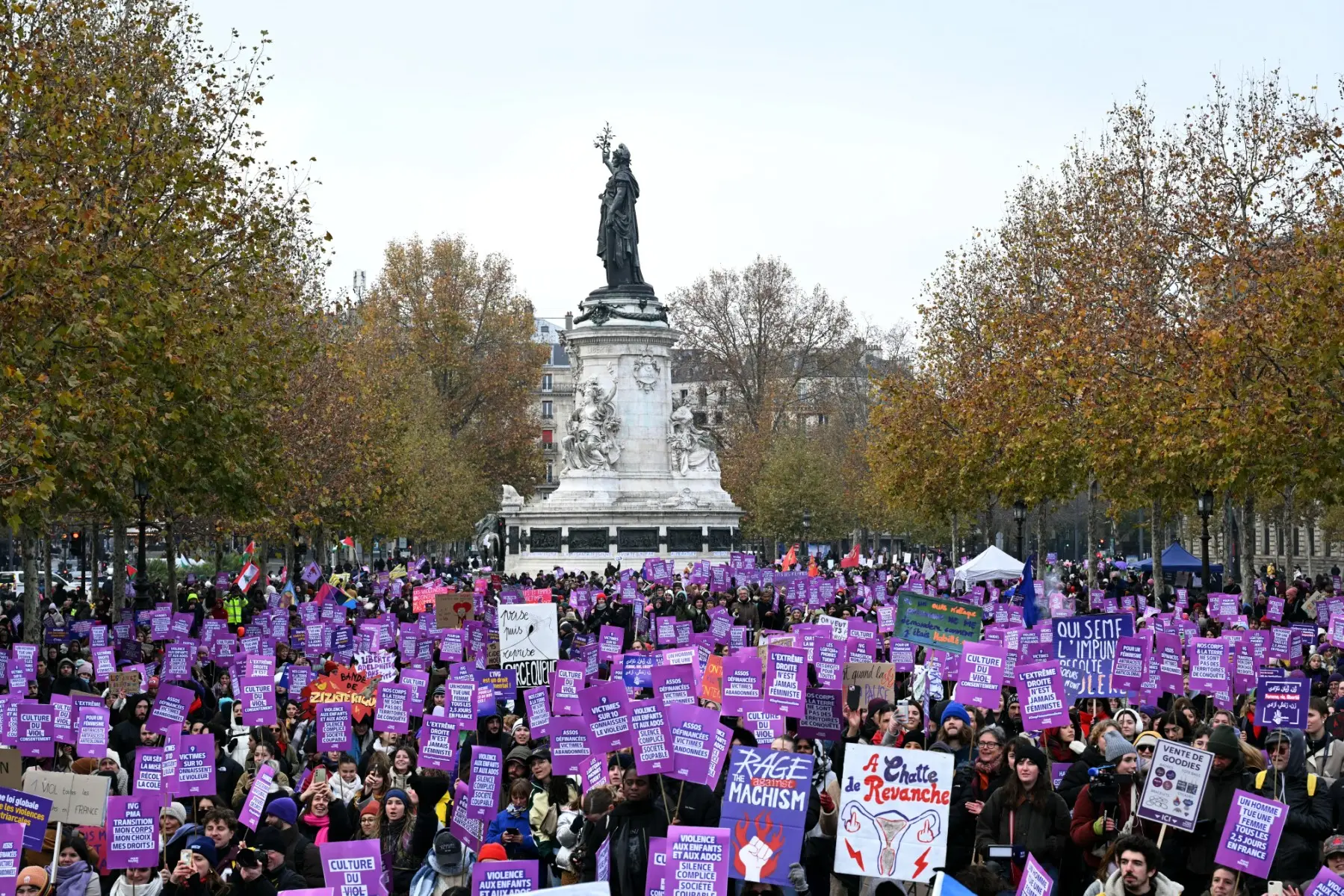
France: Place de la République and Place de la Concorde, Paris
Distance to power: Varies from adjacent to 4 km away
Paris has a long tradition of street demonstrations, from labour marches to protests over government reforms. Place de la République is a common rallying point, while Place de la Concorde sits close to major political institutions across the Seine. Demonstration routes can stretch several kilometres through the capital, and authorities may impose security restrictions around sensitive buildings during tense periods.
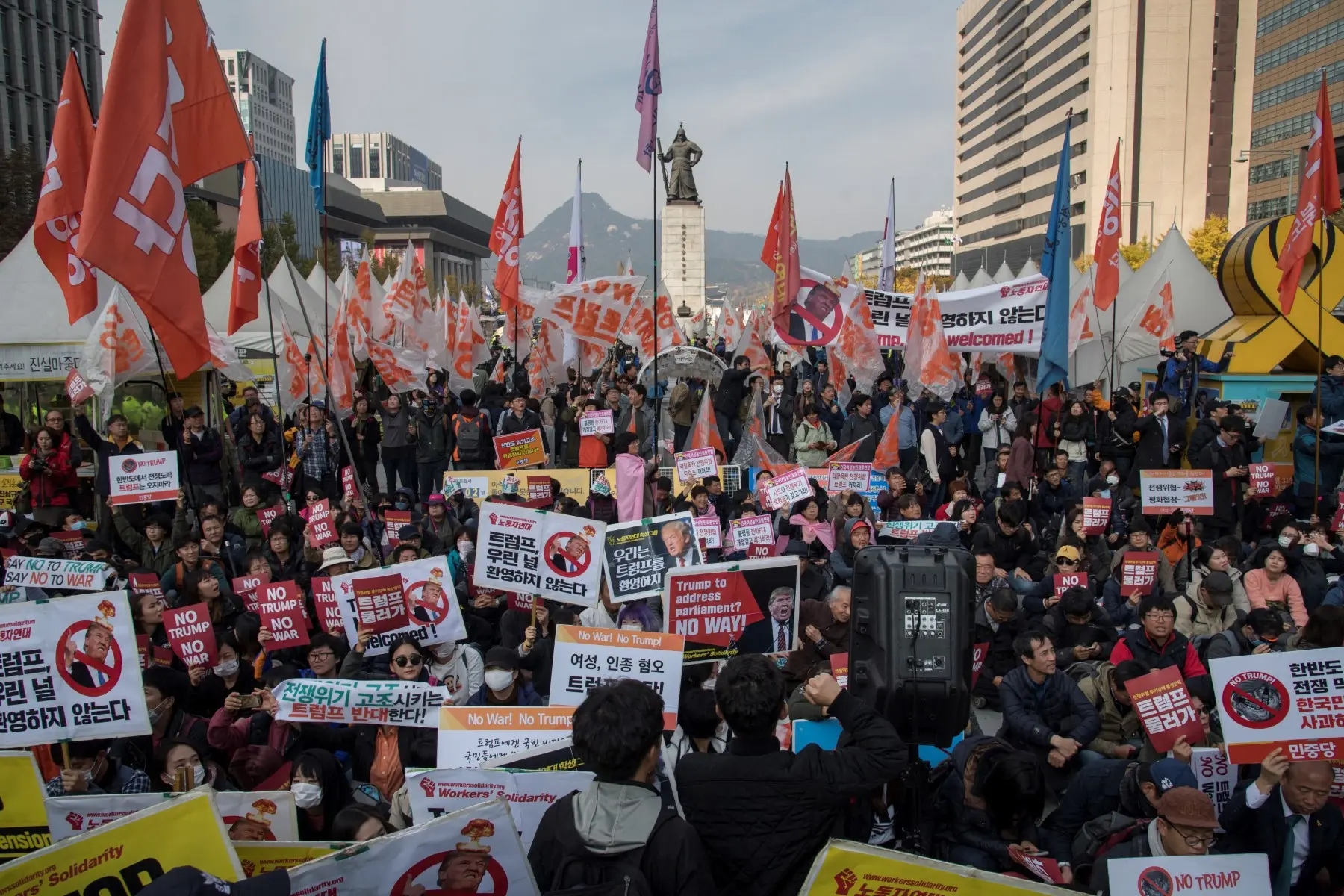
South Korea: Gwanghwamun Square, Seoul
Distance to power: Central Seoul, near major state institutions
Gwanghwamun Square has repeatedly filled with crowds during major political demonstrations, including the candlelight rallies that helped shape South Korea's recent political history. Its position along a central ceremonial avenue puts protesters close to important public institutions. While the presidential office's relocation from the Blue House to Yongsan has changed the geography of demonstrations, but central Seoul remains a major stage for public dissent.
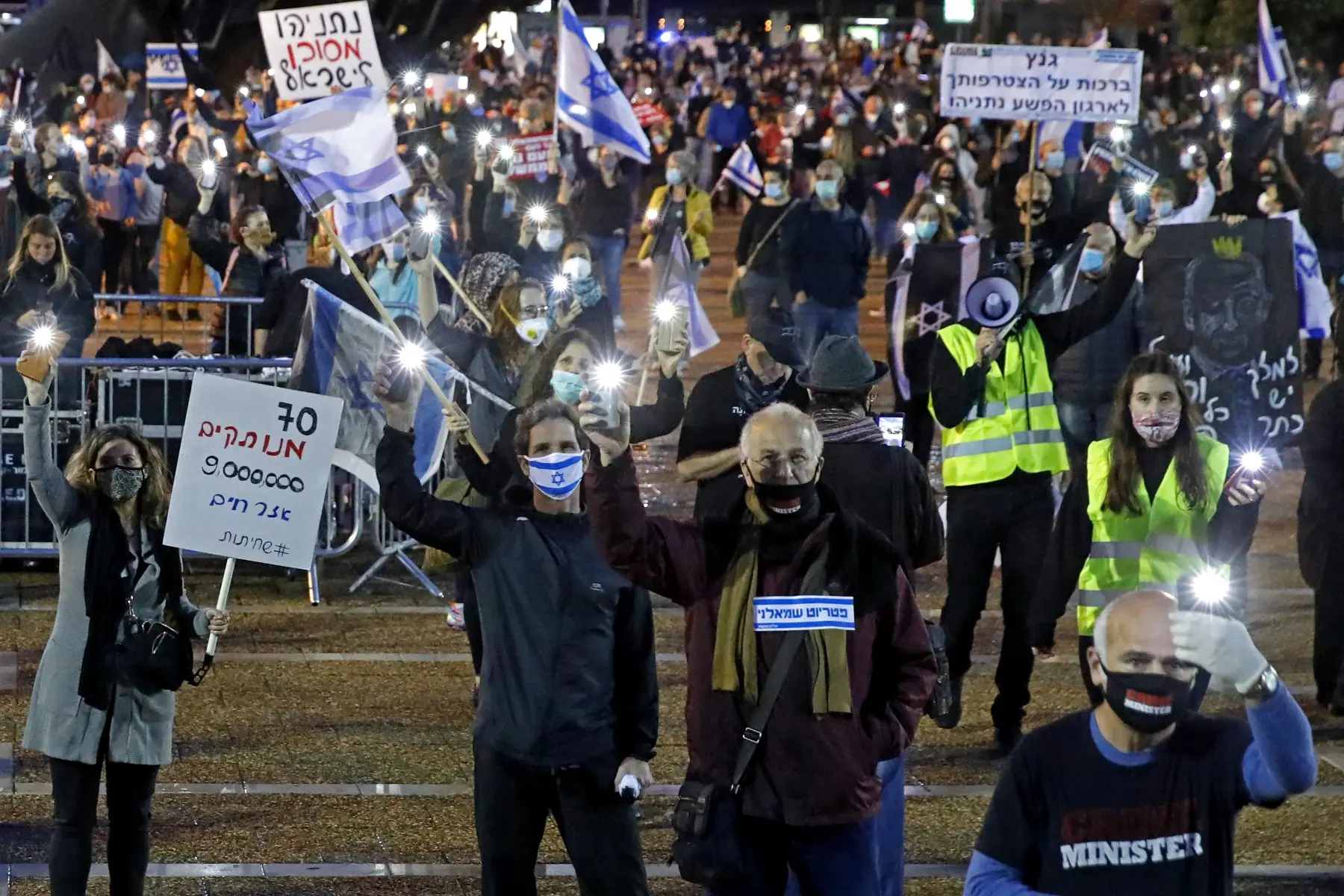
Israel: Kaplan Street and Democracy Square, Tel Aviv
Distance to power: Beside the Kirya military and government complex
Kaplan Street, also known as Democracy Square in the protest context, has become a prominent gathering point in Tel Aviv. Demonstrators have used the area for large rallies over government policy and judicial changes. Although Israel's parliament, the Knesset, is in Jerusalem, the Tel Aviv protest site lies beside the Kirya complex, placing crowds close to an important centre of military and government activity.
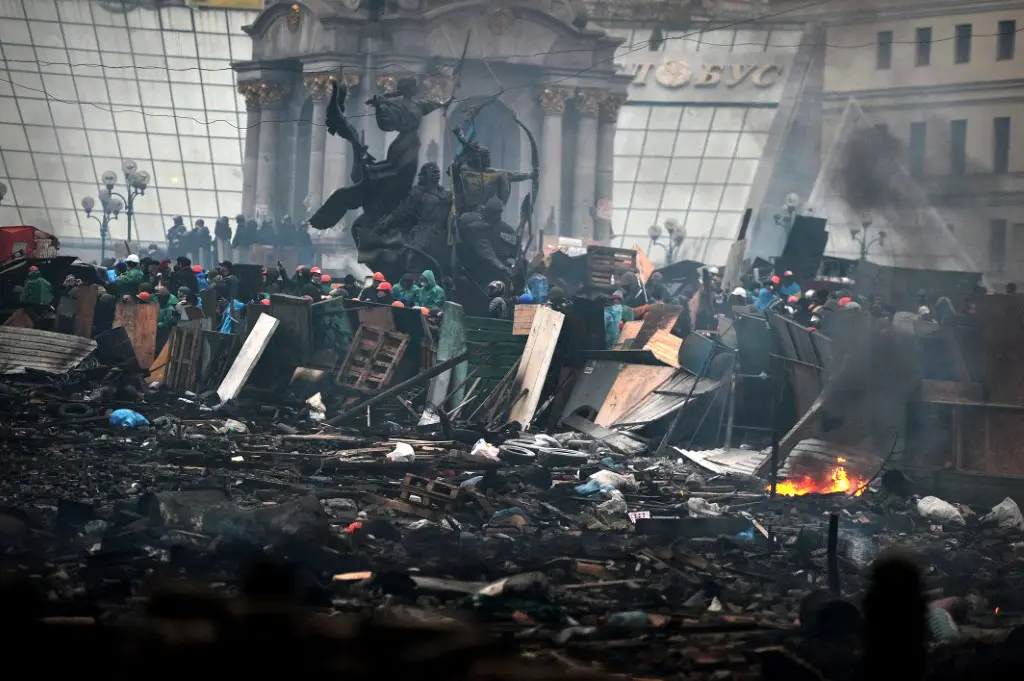
Ukraine: Maidan Nezalezhnosti, Kyiv
Distance to power: Central square near major government buildings
Kyiv’s Independence Square, commonly known as the Maidan, has been the setting for major political upheavals, including the Orange Revolution and the 2013-14 Euromaidan protests. Its position in the heart of the capital helped turn demonstrations into a sustained confrontation over the country’s political direction.
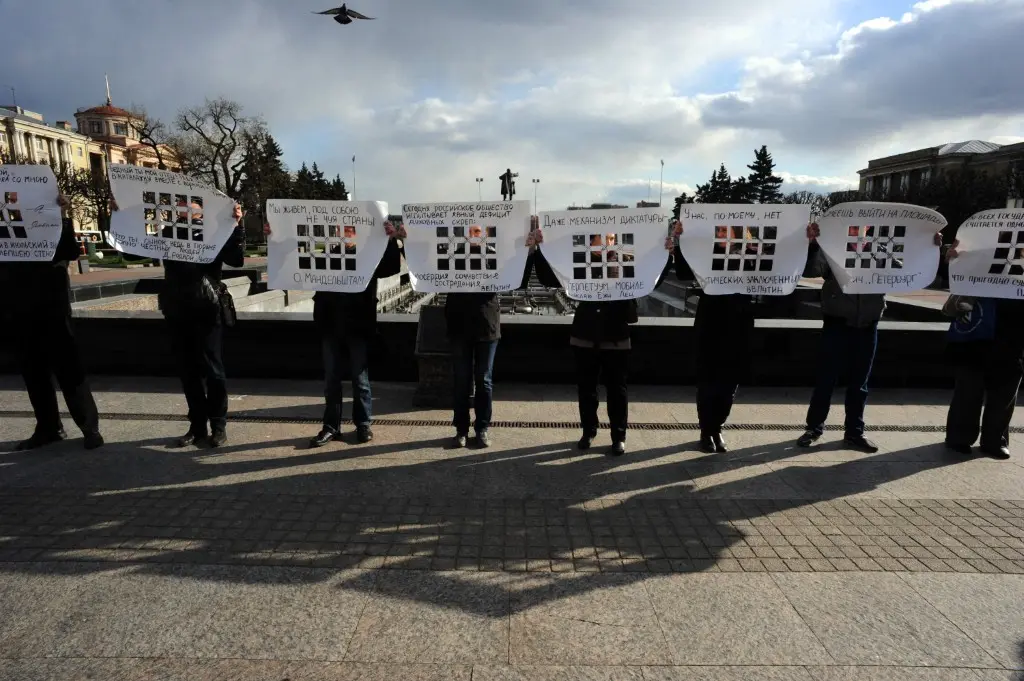
Russia: Bolotnaya Square, Moscow
Distance to power: Bolotnaya is less than 2 km from the Kremlin
Moscow's protest geography illustrates the gap between physical proximity and the ability to demonstrate freely. Bolotnaya Square lies across the river from the Kremlin and became associated with major opposition rallies. When authorities do sanction political rallies, they routinely steer opposition groups to this wide avenue because it is entirely separated from federal administrative buildings and easier to cordon off.
Public gatherings face significant restrictions, however, and unsanctioned protests can be met with police intervention.
)
)
)
)
)