How much territory could an S-400 actually protect from a ballistic missile?

The S-400's famous 400-km range only applies to aircraft. Against ballistic missiles, its protection envelope shrinks to a 60-km radius (11,300 sq km) due to the extreme speed of incoming threats, forcing it into a strict point-defence role.
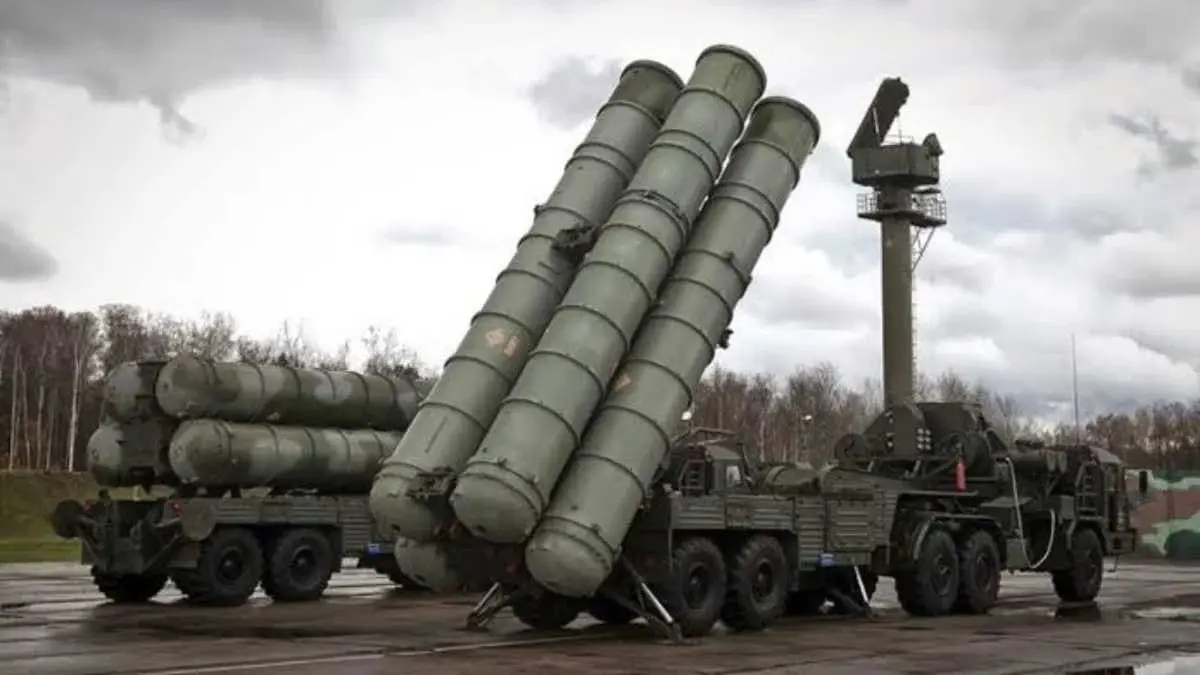
The 400-Kilometre Myth
The USD 1.25 billion S-400 Triumf is globally renowned for its massive 400-kilometre engagement range. However, this extreme distance exclusively applies to aerodynamic targets like fighter jets, bombers, and slow-moving cruise missiles.
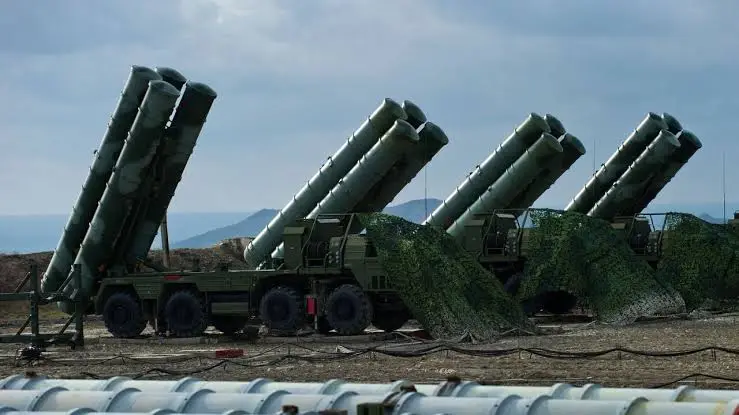
The Ballistic Reality
When tasked with intercepting a ballistic missile plunging from the upper atmosphere, the system's capabilities change entirely. According to the Center for Strategic and International Studies, the S-400's terminal ballistic missile defence envelope shrinks drastically to a mere 60-kilometre radius.
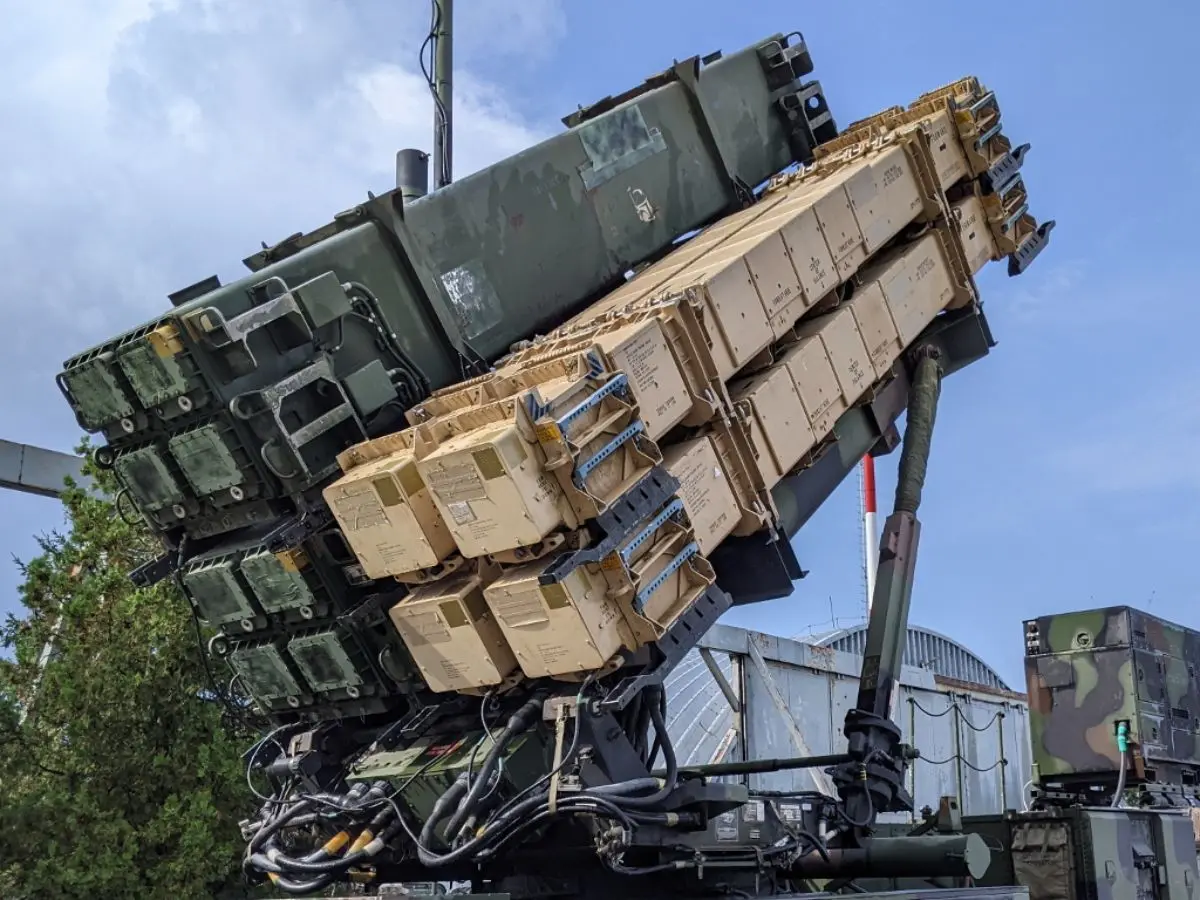
The Physics of Speed
This severe reduction is dictated by sheer physics. Tactical ballistic missiles re-enter the atmosphere at extreme hypersonic velocities, meaning the S-400 simply lacks the time and interceptor speed to fly out hundreds of kilometres before the warhead strikes the earth.
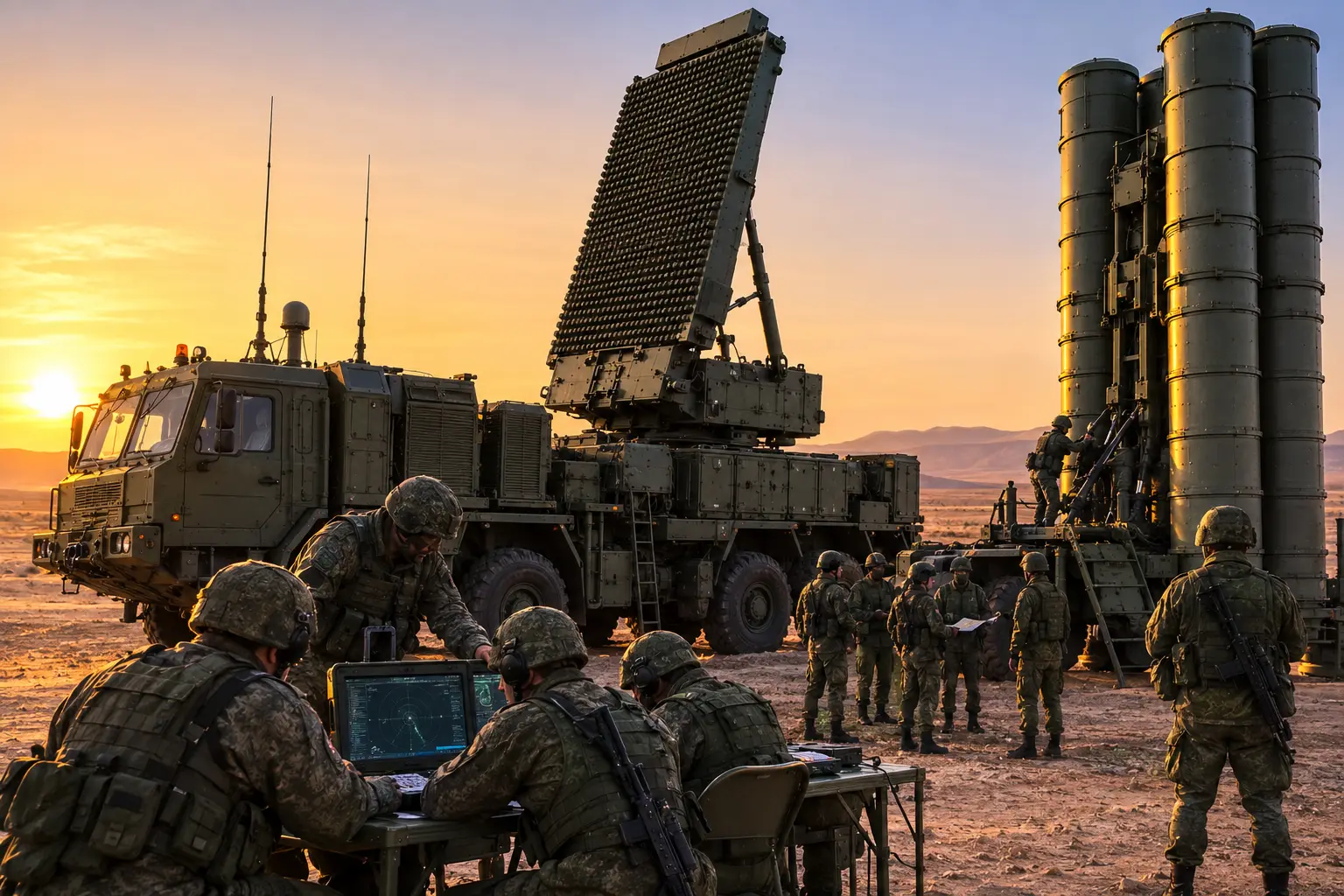
Point vs Area Defence
While the battery can establish a sprawling regional shield against combat aviation, its anti-missile role is strictly classified as ‘point defence’. This means a single battalion can only protect a specific, localised high-value asset, such as a major capital city or a strategic military base.
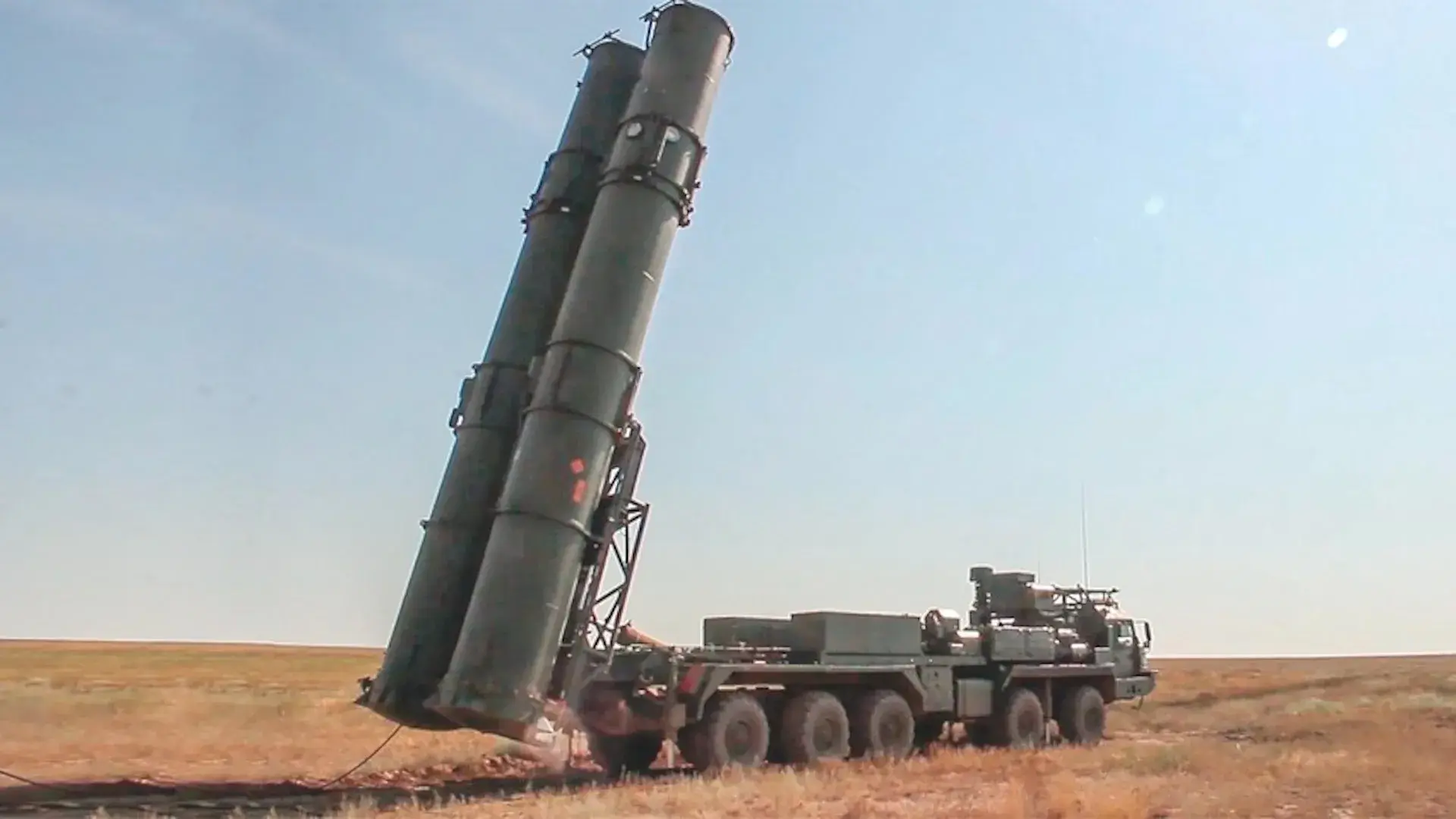
The 11,300-Square-Kilometre Shield
Operating strictly within this 60-kilometre radius, an S-400 system can effectively cover a circular territory of approximately 11,300 square kilometres. This geographical footprint is sufficient to defend the immediate airspace over a metropolitan region against incoming Short-Range Ballistic Missiles.
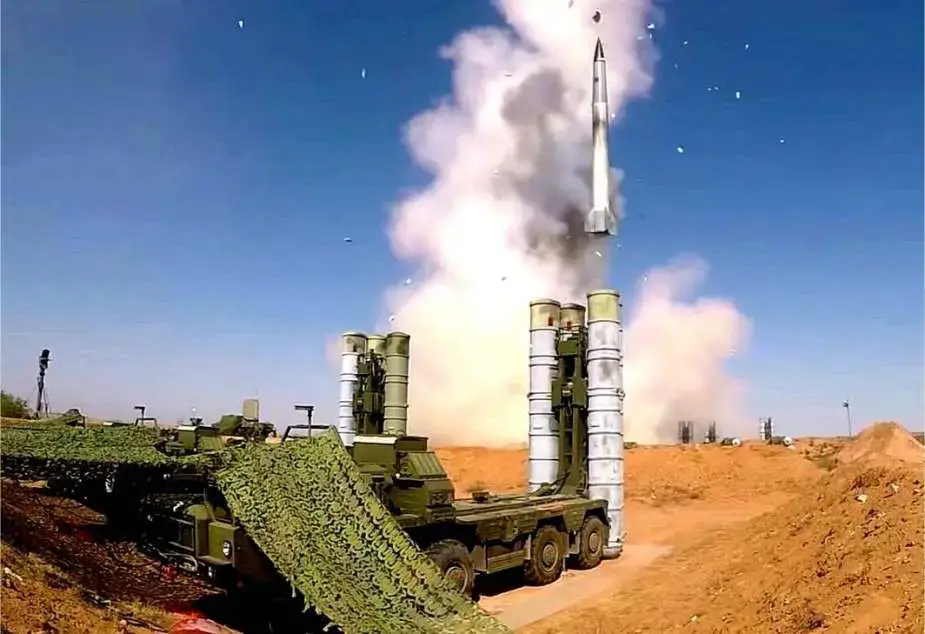
The Interceptor Limitation
Even within this tight 60-kilometre bubble, the S-400 cannot stop strategic weapons. It relies on 143-kilogram fragmentation warheads that are highly effective against tactical missiles, but lack the kinetic ‘hit-to-kill’ technology required to destroy heavily armoured Intercontinental Ballistic Missiles.
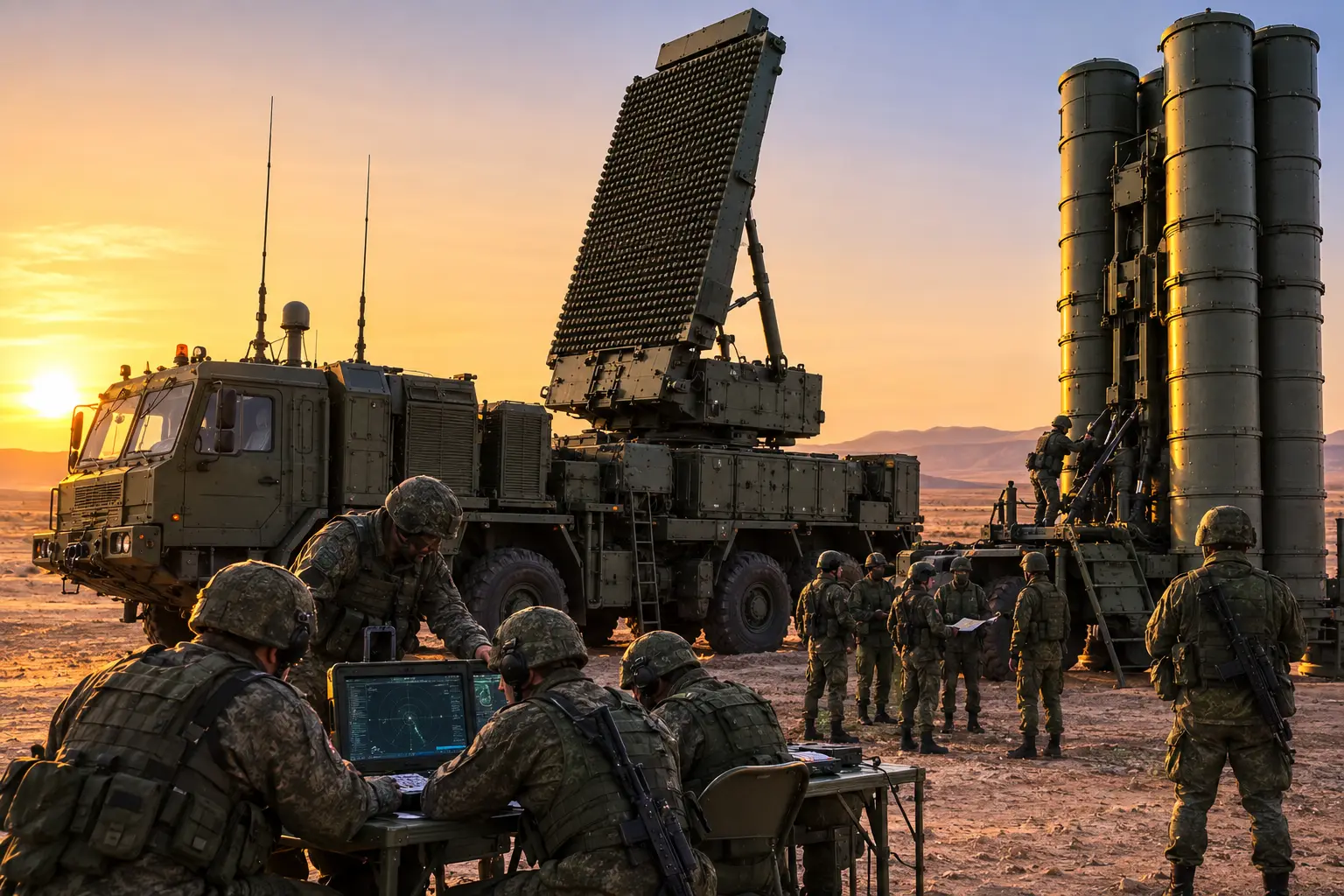
Networked Survival
Because the ballistic protection zone is relatively small, a single battery cannot defend a massive landmass from missile barrages. Russian military doctrine dictates networking the S-400 alongside specialised exo-atmospheric interceptors, like the upcoming S-500 Prometheus, to provide true strategic territorial defence.
)
)
)
)
)