ICBM vs S-400 missile: Which one is actually faster?

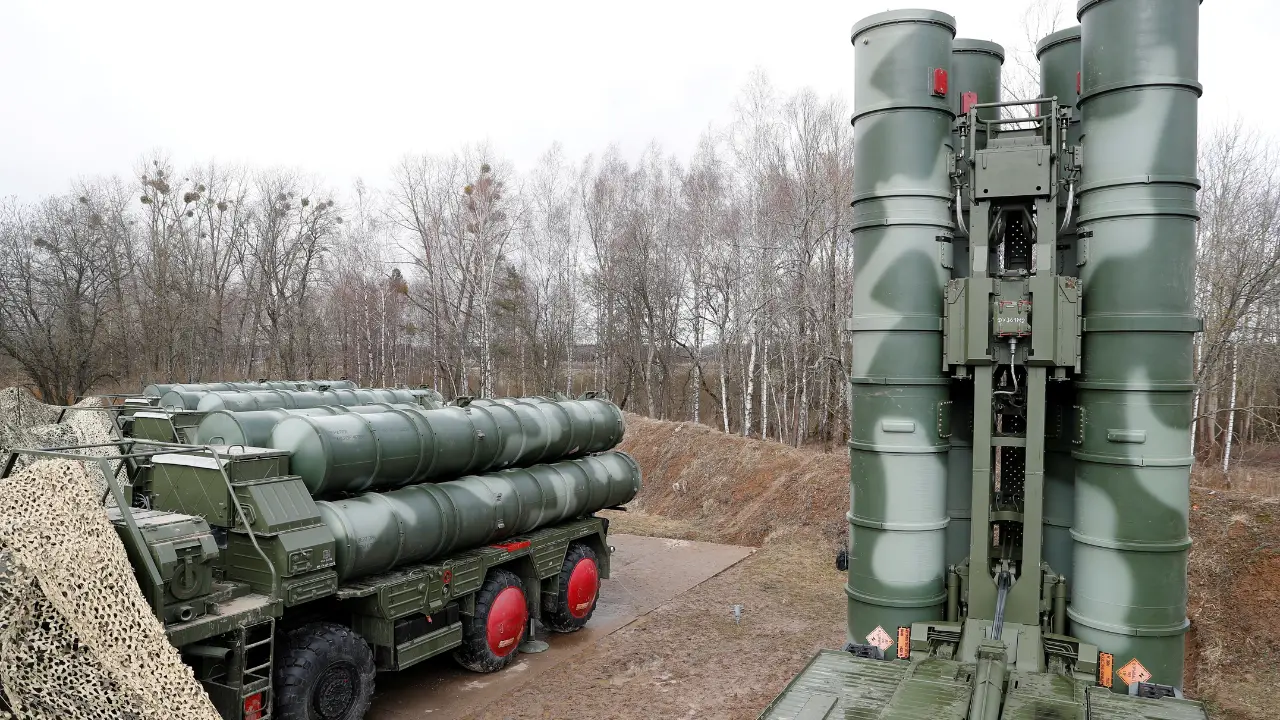
An ICBM is significantly faster than any S-400 missile. Strategic ICBMs reach staggering velocities of Mach 20 to Mach 25 (30,000 km/h) in space, easily outpacing the S-400's fastest interceptor, the 40N6E, which peaks at Mach 14 (17,000 km/h).
The Speed Verdict
An Intercontinental Ballistic Missile (ICBM) is drastically faster than any interceptor fired by the S-400 Triumf. While the Russian battery deploys hypersonic surface-to-air weapons, a strategic ICBM operates in an entirely different physical realm.
The S-400 Limit
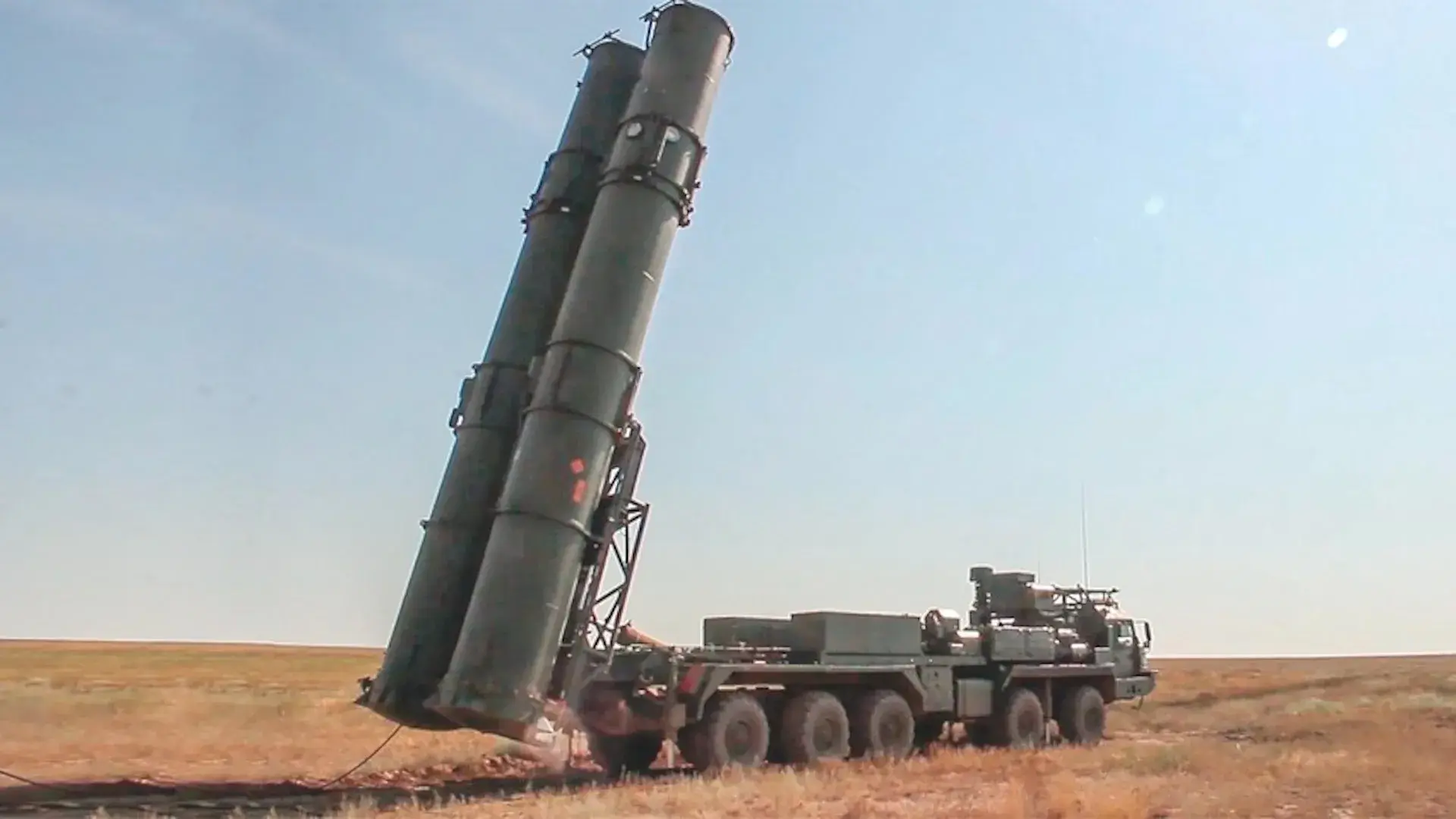
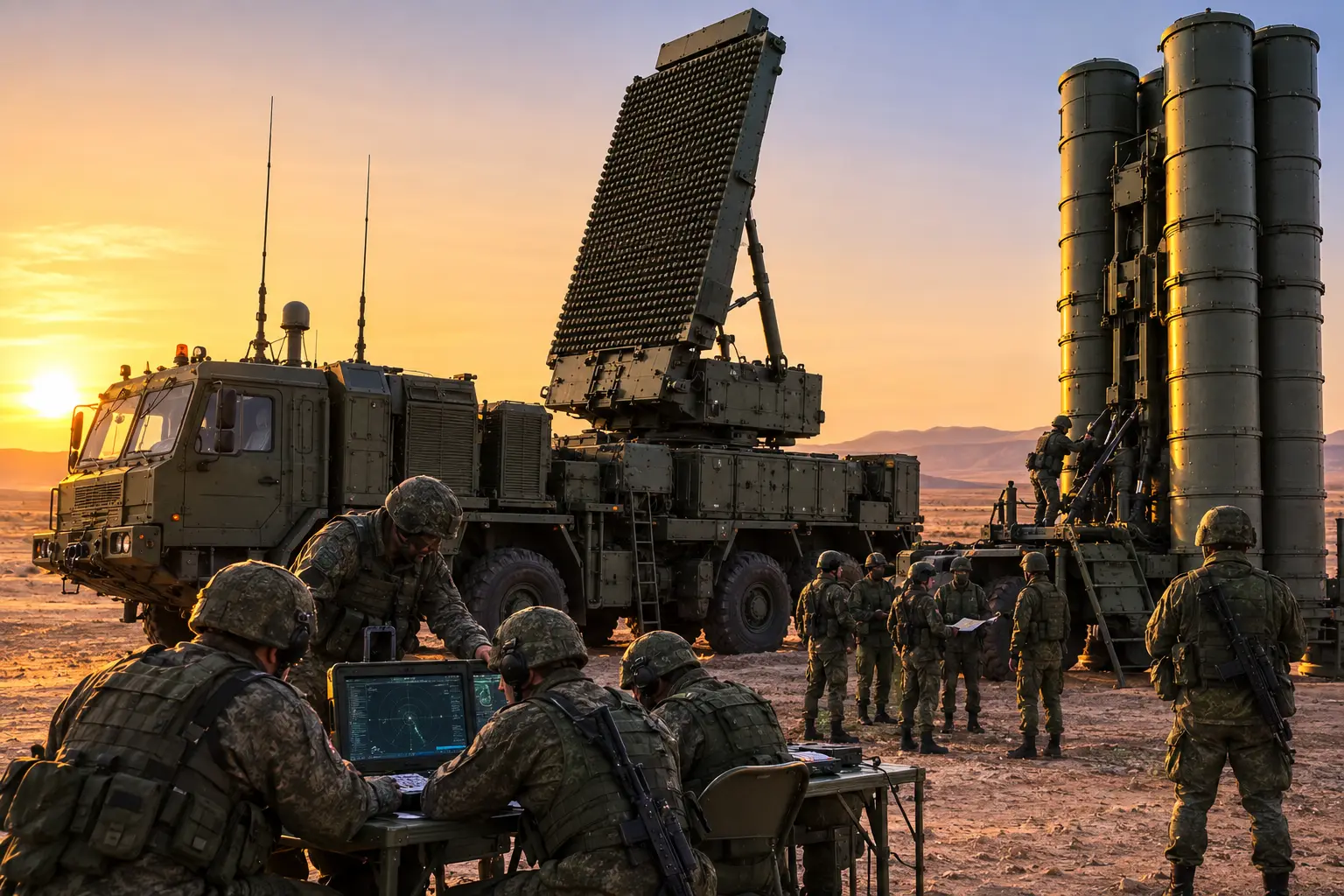
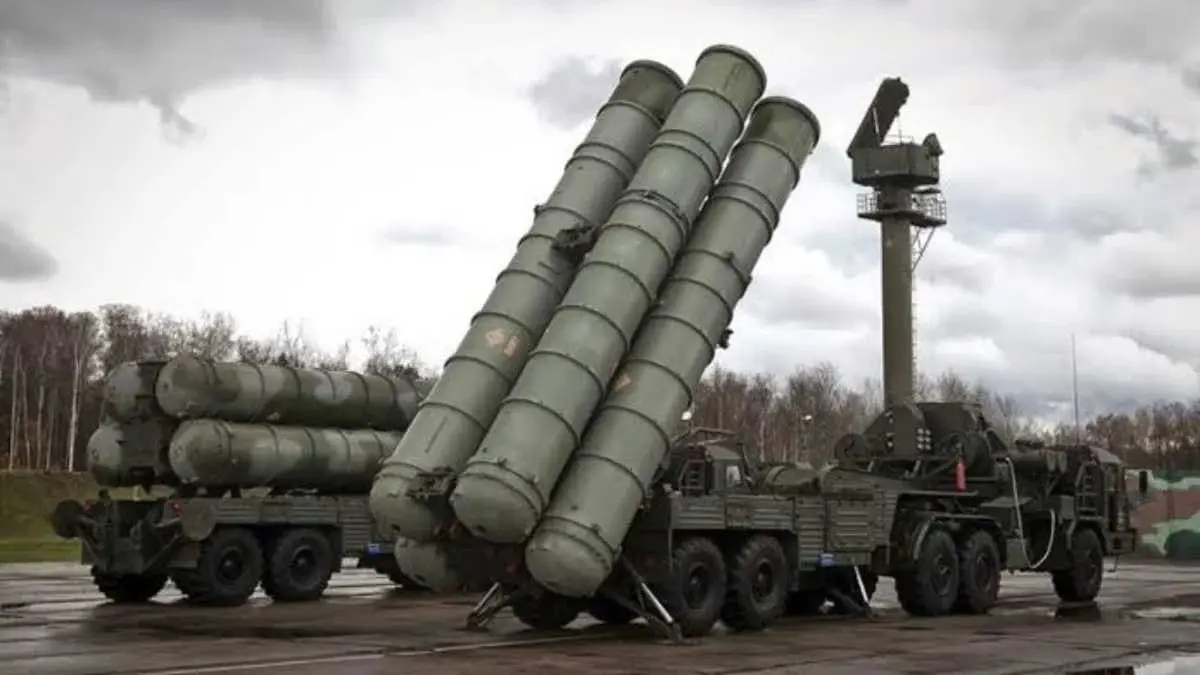
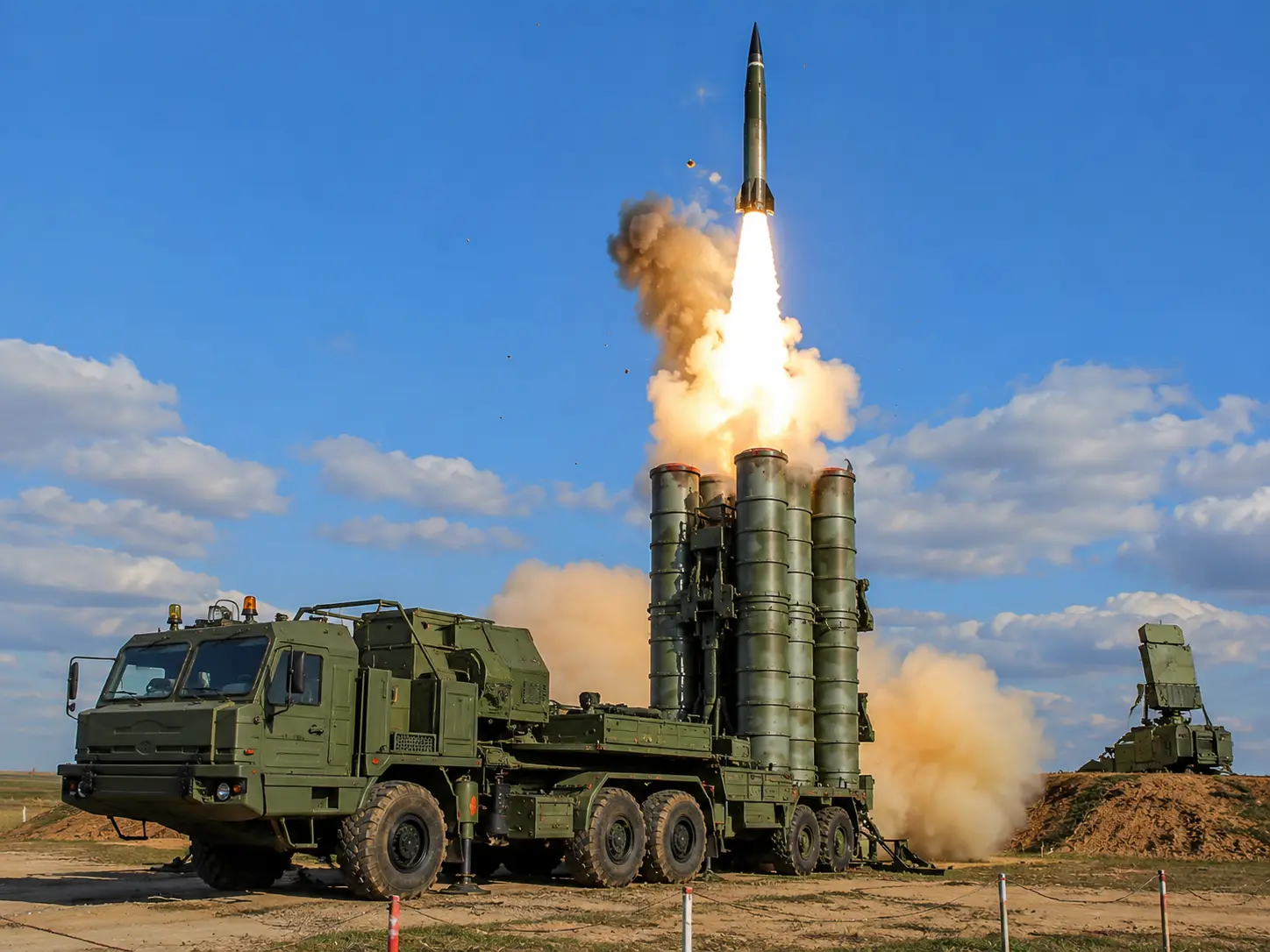
The fastest interceptor in the S-400 arsenal is the massive 40N6E missile. This ultra-long-range weapon accelerates to a staggering peak speed of Mach 14, or approximately 17,000 kilometres per hour, to intercept aerial targets up to 400 kilometres away.
The Intercontinental Leviathan
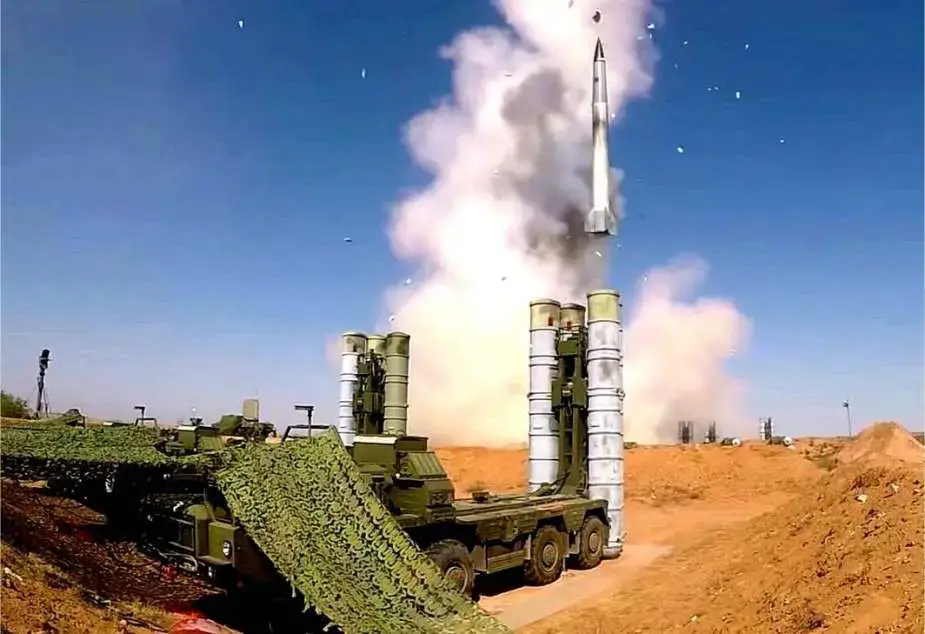
In contrast, an ICBM travels at extreme orbital velocities during its mid-course flight. Strategic nuclear missiles like the American Minuteman III or Russian RS-24 Yars routinely exceed speeds of Mach 20 to Mach 25, reaching roughly 24,000 to 30,000 kilometres per hour.
The Atmospheric Drag
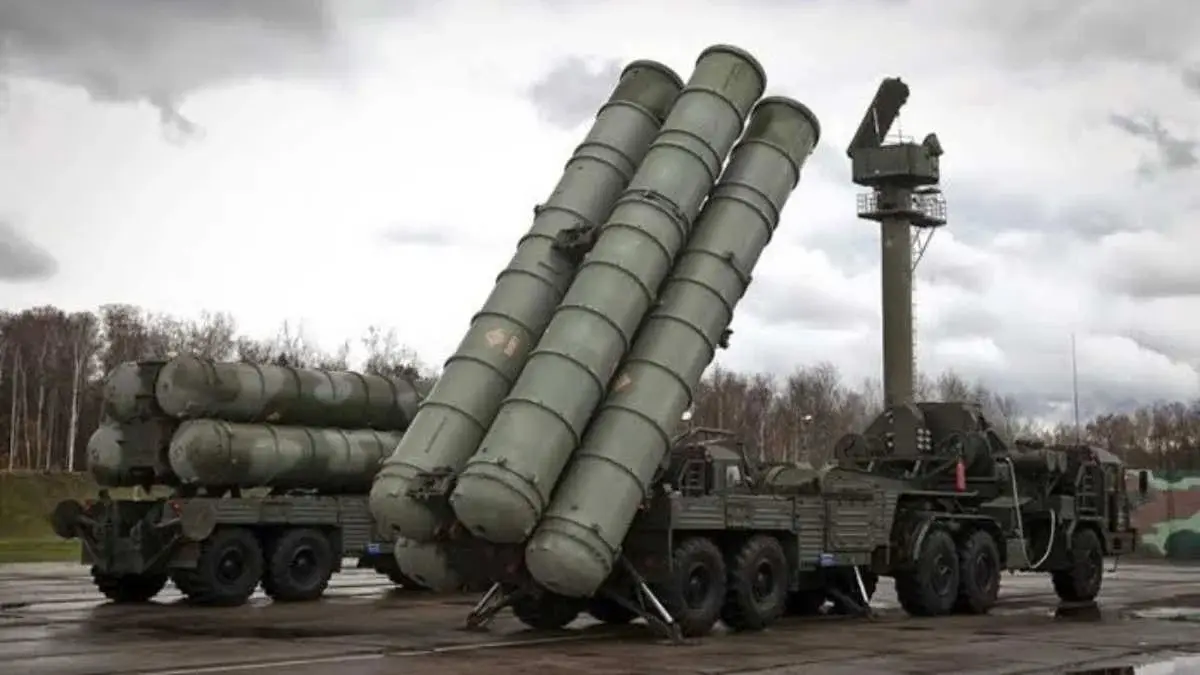
This massive velocity gap is heavily dictated by the operational environment. S-400 missiles must forcefully push through the thick, drag-heavy atmosphere, whereas an ICBM spends the vast majority of its journey gliding frictionlessly through the vacuum of space.
The Re-entry Plunge
Even when an ICBM re-enters the dense Earth's atmosphere to strike its target, it does not magically slow down to S-400 speeds. Its heavily armoured nuclear warhead maintains hypersonic velocities above Mach 20, easily outpacing the battery's fastest interceptor.
The Closing Velocity
If an S-400 attempted a head-on interception, the combined closing velocity would be mathematically terrifying. The system's computers would have to calculate a physical collision occurring at roughly 10 kilometres per second, leaving virtually zero margin for error.
The Ultimate Reality
The USD 1.25 billion S-400 was never designed to outrun strategic intercontinental missiles. It provides agile tactical defence against Mach 3 to Mach 8 threats, leaving the Mach 20 interception role to dedicated exo-atmospheric systems like the S-500 Prometheus.
)
)
)
)
)