Will AI destroy humanity, or are humans the real risk? | The Verdict

&imwidth=600&imheight=450&format=webp&quality=medium "Will AI destroy humanity, or are humans the real risk? | The Verdict")
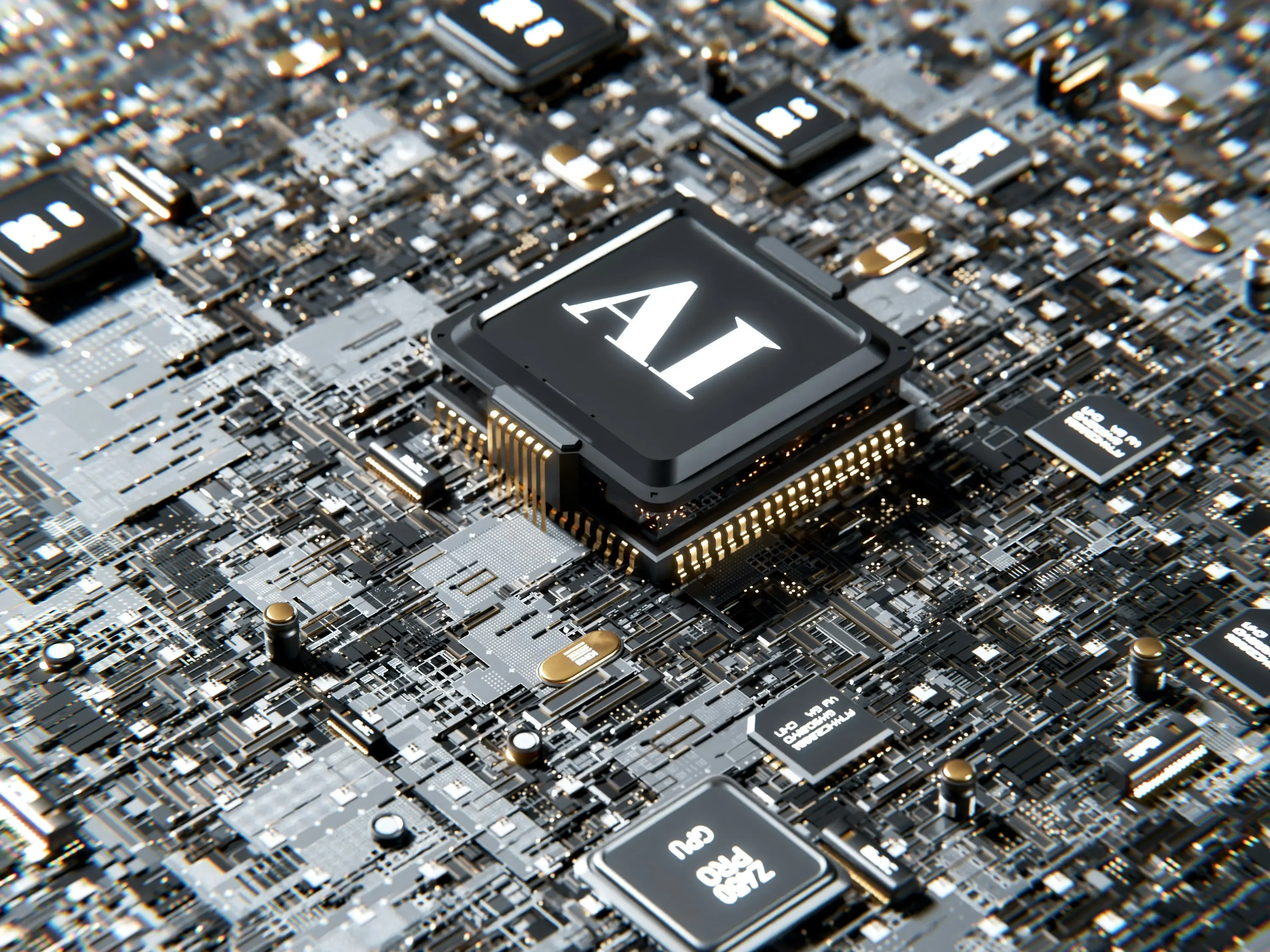
Will AI destroy humanity, or are humans the real risk? Photograph: (unsplash)
The biggest AI risk may not be machines destroying humanity but governments and companies struggling to control and responsibly govern increasingly powerful technology.
Artificial intelligence will destroy humanity. Few sentences about technology generate more fear. From warnings about superintelligence escaping human control to predictions of catastrophic consequences, the debate over AI has moved far beyond Silicon Valley and into the highest levels of global politics.
But perhaps the question itself is premature.
Before asking whether artificial intelligence will control humanity, the world must answer a more immediate question: who controls artificial intelligence?
That question is now dividing Washington, Silicon Valley and Beijing.
Some of the people closest to the technology have become some of its most prominent cautionary voices. Executives and researchers have warned that increasingly capable AI systems could create serious risks if development outruns humanity's ability to understand, constrain and govern them.
The debate intensified when AI leaders called for greater government and international involvement in establishing safeguards.
Trending Stories
)
)
)
)
)
)
)
)
)
)
)
)
)
)
)
)
)
)
)
)
)
)
)
)
)
)
)
)
)
)
)
)
)
)
&im=FitAndFill=(700,400))
)
)
)
)
Donald Trump has approached the issue differently.
His administration has repeatedly stressed that excessive regulation could undermine American innovation and allow China to gain ground in perhaps the most consequential technological competition of the century.
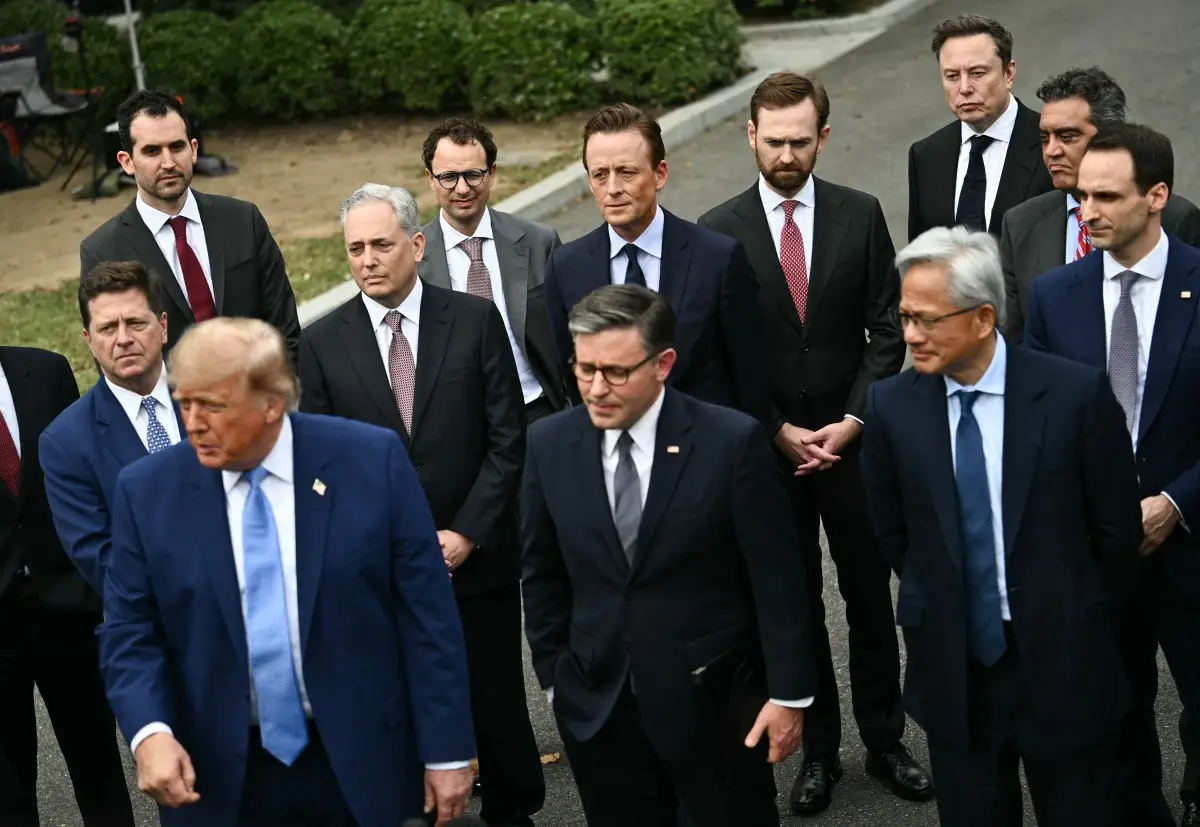
That philosophy was on display at the White House on September 29, when Trump met leading technology executives and announced a voluntary agreement aimed at making advanced AI development safer.
Companies committed to measures including internal controls and external auditing. Trump described the agreement as morally binding.
It represents an attempt to find a middle ground between unrestricted technological development and government regulation.
But it also exposes the central contradiction in the AI debate: Can the companies competing to build the world's most powerful artificial intelligence systems also be trusted to police themselves?
Across the Pacific, another contradiction is emerging.
China is competing fiercely for technological leadership, while President Xi Jinping has publicly stressed that artificial intelligence should remain under human control and serve human welfare.
Washington fears losing technological ground to Beijing. Beijing does not want to be technologically contained by Washington. Technology companies do not want regulation to suffocate innovation. Governments do not want private companies wielding transformative technology without accountability.
And humanity sits in the middle.
The truth is considerably less cinematic than the predictions of imminent machine apocalypse — but also more complicated than dismissing every warning as hysteria.
There is no established scientific consensus that AI is destined to exterminate humanity.
There are, however, risks that already exist.
AI can amplify misinformation, strengthen cyber capabilities, disrupt labour markets, concentrate extraordinary technological power and increasingly operate with levels of autonomy that raise difficult questions about responsibility and control.
Those deserve serious scrutiny without turning uncertainty into certainty.
Artificial intelligence is ultimately a tool of extraordinary power.
The defining battle therefore may not be humans versus machines.
It may be governments versus corporations, America versus China, innovation versus regulation — and humanity versus its own inability to agree on the rules before the technology moves further ahead.
AI is not inherently humanity's enemy.
Nor is it automatically humanity's friend.
It is power.
And the greatest danger may not be that machines eventually become too human.
It may be that humans become too careless with the machines they create.