Operation Trident: Why India celebrates Navy Day on December 4th

&imwidth=600&imheight=450&format=webp&quality=medium "Operation Trident: Why India celebrates Navy Day on December 4th")
Representative Image
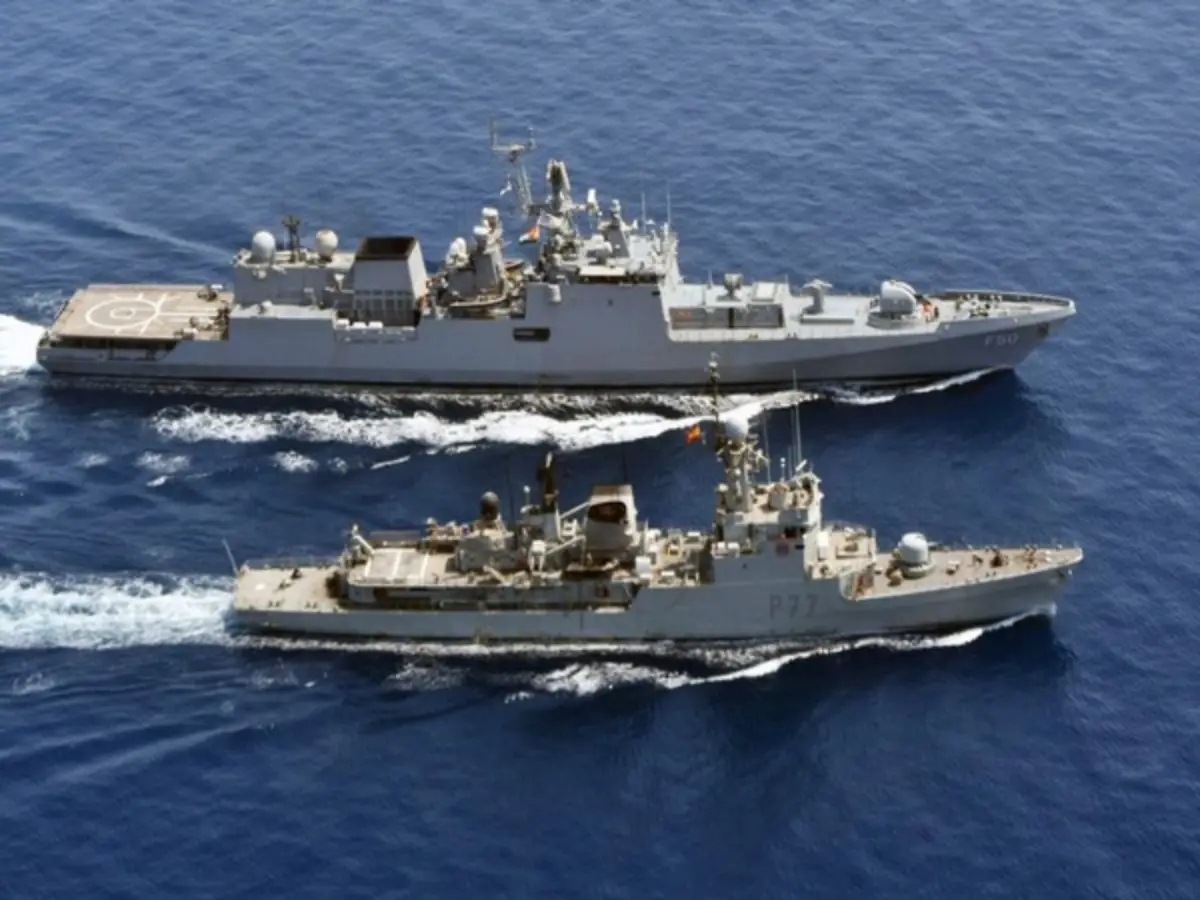
On 04 December 1971, during the India-Pakistan War, the Indian Navy carried out a bold and successful operation that changed naval warfare in our region.
On 04 December every year, India celebrates Navy Day with great pride and enthusiasm. This special day is not just about parades and displays; it marks an important moment in our country's military history and honours the brave sailors who protect our seas day and night.
The story of Navy Day goes back to 1944 when the Royal Indian Navy first celebrated it on 21 October. The goal was simple—to make more people aware of the Navy's role in protecting the country. They organised parades in coastal cities like Bombay and Karachi, and held public meetings in places far from the sea. The response was wonderful. People were excited to learn about their Navy, and the events created a wave of patriotic feelings across the nation.
Encouraged by this success, naval authorities decided to make it an annual celebration. The date was shifted to 01 December in 1945 to take advantage of cooler weather, making it more comfortable for outdoor events. For many years after that, Navy Day was observed on 15 December, with the entire week around this date celebrated as Navy Week. However, in May 1972, during an important meeting of senior naval officers, a historic decision was made. They chose to move Navy Day to 04 December, and there was a powerful reason behind this choice.
On 04 December 1971, during the India-Pakistan War, the Indian Navy carried out a bold and successful operation that changed naval warfare in our region. Indian missile boats launched a devastating attack on Pakistan's Karachi Harbour, the heart of their naval operations. This surprise assault, known as Operation Trident, destroyed fuel storage tanks, supply ships and important shore facilities. The attack not only caused massive damage but also showed the world that India had a strong and capable Navy. At the same time, aircraft operating from INS Vikrant, India's aircraft carrier, struck enemy airfields in Chittagong and Khulna, areas that are now part of Bangladesh. These coordinated attacks from the Arabian Sea and Bay of Bengal demonstrated excellent planning, courage and teamwork. The operation was a turning point, helping India achieve a decisive victory in the 1971 war. This is why 04 December was chosen—to remember and celebrate India's first major naval offensive.
Today, Navy Day is celebrated to honour not just that historic victory, but also the daily dedication and sacrifice of thousands of naval personnel who work tirelessly to keep our waters safe. India has a coastline of over 7,500 kilometres, and protecting it requires constant vigilance. The Indian Navy guards our maritime borders, helps during natural disasters, rescues people in trouble at sea, and ensures that trade ships can travel safely along our coast.
The theme for Navy Day 2025 is "Combat Ready, Cohesive and Self-Reliant." This theme emphasises three important qualities—being always prepared for action, working together as one unified force, and relying on our own strength and technology rather than depending on other countries. Under the government's Make in India initiative, the Indian Navy is increasingly using warships, submarines and equipment built right here in our country. This not only makes us stronger but also creates jobs and boosts our economy.
Trending Stories
&imwidth=280&imheight=210&format=webp&quality=medium)
&imwidth=280&imheight=210&format=webp&quality=medium)
&imwidth=280&imheight=210&format=webp&quality=medium)
&imwidth=280&imheight=210&format=webp&quality=medium)
&imwidth=280&imheight=210&format=webp&quality=medium)
&imwidth=280&imheight=210&format=webp&quality=medium)
&imwidth=280&imheight=210&format=webp&quality=medium)
&imwidth=280&imheight=210&format=webp&quality=medium)
&imwidth=280&imheight=210&format=webp&quality=medium)
&imwidth=280&imheight=210&format=webp&quality=medium)
&imwidth=280&imheight=210&format=webp&quality=medium)
&imwidth=280&imheight=210&format=webp&quality=medium)
&imwidth=280&imheight=210&format=webp&quality=medium)
&imwidth=280&imheight=210&format=webp&quality=medium)
&imwidth=280&imheight=210&format=webp&quality=medium)
&imwidth=280&imheight=210&format=webp&quality=medium)
&imwidth=280&imheight=210&format=webp&quality=medium)
&imwidth=280&imheight=210&format=webp&quality=medium)
&imwidth=280&imheight=210&format=webp&quality=medium)
&imwidth=280&imheight=210&format=webp&quality=medium)
&imwidth=280&imheight=210&format=webp&quality=medium)
&imwidth=280&imheight=210&format=webp&quality=medium)
&imwidth=280&imheight=210&format=webp&quality=medium)
&imwidth=280&imheight=210&format=webp&quality=medium)
&imwidth=280&imheight=210&format=webp&quality=medium)
&imwidth=280&imheight=210&format=webp&quality=medium)
&imwidth=280&imheight=210&format=webp&quality=medium)
&imwidth=280&imheight=210&format=webp&quality=medium)
&imwidth=280&imheight=210&format=webp&quality=medium)
&imwidth=280&imheight=210&format=webp&quality=medium)
&imwidth=280&imheight=210&format=webp&quality=medium)
&imwidth=280&imheight=210&format=webp&quality=medium)
&imwidth=280&imheight=210&format=webp&quality=medium)
&imwidth=280&imheight=210&format=webp&quality=medium)
&im=FitAndFill=(700,400)&imwidth=280&imheight=210&format=webp&quality=medium)
&imwidth=280&imheight=210&format=webp&quality=medium)
&imwidth=280&imheight=210&format=webp&quality=medium)
&imwidth=280&imheight=210&format=webp&quality=medium)
&imwidth=280&imheight=210&format=webp&quality=medium)
This year's main celebrations took place at Shangumugham Beach in Thiruvananthapuram on 03 and 04 December. The Navy deliberately holds these demonstrations outside major naval bases so that more people, especially those from different parts of the country, can witness the Navy's capabilities firsthand. President Droupadi Murmu, the Supreme Commander of our Armed Forces, was the chief guest, along with Kerala Chief Minister Pinarayi Vijayan, Governor Rajendra Arlekar, and Chief of Naval Staff Admiral Dinesh Kumar Tripathi.
The operational demonstration was a spectacular display of India's maritime power. Around twenty major warships and submarines, along with thirty-two aircraft including fighter jets and helicopters, participated in coordinated manoeuvres. Thousands of people gathered on the beach, their eyes fixed on the sea and sky as the action unfolded before them. The star attraction was INS Vikrant, India's first indigenous aircraft carrier, built at Cochin Shipyard—a matter of immense national pride. When a fighter jet roared off the deck of INS Vikrant, the crowd erupted in cheers and applause. The demonstration also featured an anti-piracy operation by MARCOS, our elite naval commandos, formation flying by aircraft, paragliding displays, and a showcase of frontline frigates and missile corvettes. The Sea Cadet Corps performed the traditional Hornpipe dance, and cultural programmes along with a fireworks display added colour and joy to the celebrations.
Navy Day reminds us that while we go about our daily lives—studying, working, celebrating—there are brave men and women aboard ships far out at sea, ensuring our safety and protecting our interests. It is a day to feel proud of our maritime heritage and to recognise the sacrifices made by our naval personnel and their families.
