The Verdict | 10 years, repeated promises: Will Pakistan really ever act against terror?

&imwidth=600&imheight=450&format=webp&quality=medium "The Verdict | 10 years, repeated promises: Will Pakistan really ever act against terror?")
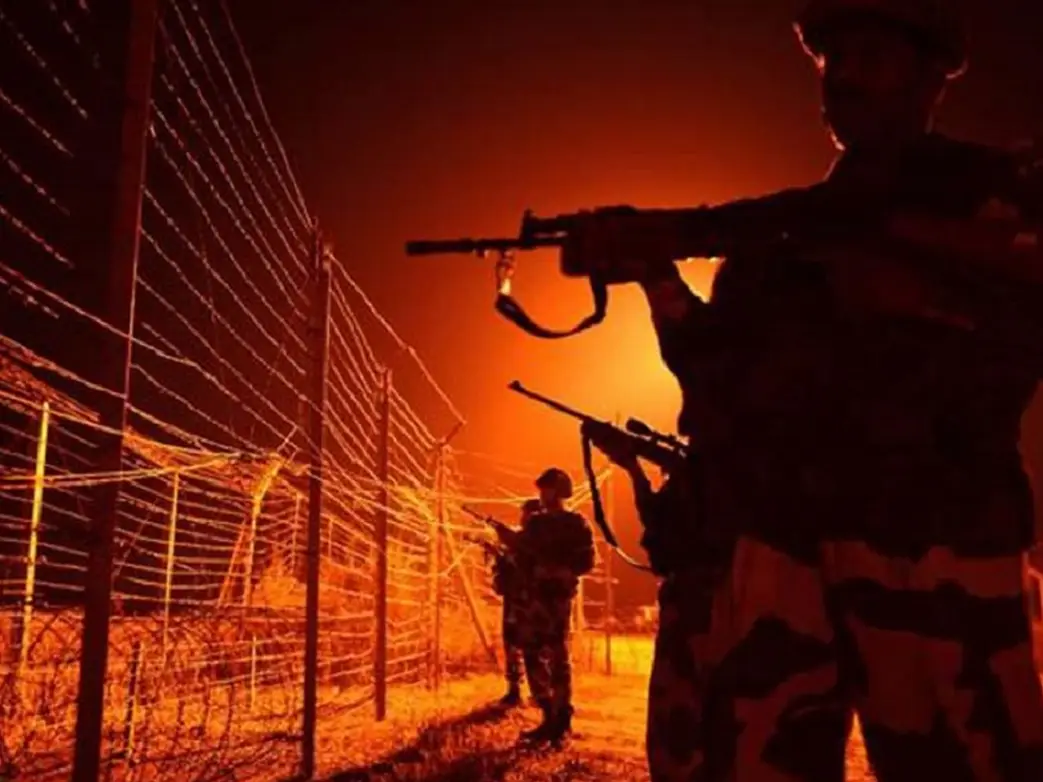
India’s position has been clear that if terror infrastructure is allowed to operate, India reserves the right to act. Photograph: (AFP)
After the Uri terror attack, the Indian Army crossed the Line of Control and carried out precise surgical strikes on terrorist launch pads in Pakistan-Occupied Kashmir. India responded with a calibrated military operation against terrorists backed by Islamabad instead of a full-fledged war.
29 September, 2016—India carried out surgical strikes across the Line of Control after the Uri terror attack.
India is marking 10 years of the surgical strikes, and for ten years, India has sent a clear message to Pakistan: terror will be answered with action.
Ten years on, the question is not what India has said. The question is, what has Pakistan actually done?
Because every few months, we hear the same promise.
10 years ago, on the night of 28 and 29 September, 2016, the Indian Army crossed the Line of Control and carried out precise surgical strikes on terrorist launch pads in Pakistan-Occupied Kashmir. India responded not with a traditional full-fledged war, but with a calibrated military operation against terrorists backed by Islamabad.
Today, Prime Minister Shehbaz Sharif says terrorism will be eliminated. Pakistan's official statements repeatedly pledge the complete eradication of terrorism. Yet nothing changes.
Trending Stories
)
)
)
)
)
)
)
)
)
)
)
)
)
)
)
)
)
)
)
)
)
)
)
)
)
)
)
)
)
)
)
)
)
)
&im=FitAndFill=(700,400))
)
)
)
)
Just days ago, at the United Nations General Assembly in New York, Shehbaz Sharif was asked when Pakistan would stop harbouring terrorists and when Hafiz Saeed would be prosecuted. He walked away without answering.
So, Pakistan can issue statements and condemn terrorism. But terrorism is not defeated by press releases.
This is where Pakistan and its military lose credibility.
For a decade, India's position has been increasingly clear: if terrorist infrastructure is allowed to operate, India reserves the right to act against it.
The strikes of 2016, Balakot in 2019, and Operation Sindoor in 2025 show that India's counter-terror posture has moved far beyond diplomatic warnings.
So, Pakistan cannot demand to be taken seriously as a victim of terrorism, while failing to answer difficult questions about terrorism emanating from its own soil.
If Islamabad genuinely wants the world to believe its promise to end terrorism, the formula is simple: no selective action. No double standards. No convenient silence. Act. Eliminate the very mindset that propagates terrorism.
But would Pakistani military ever want to do that?
