Watch: ISRO launches GSLV-F08 carrying GSAT-6A communication satellite

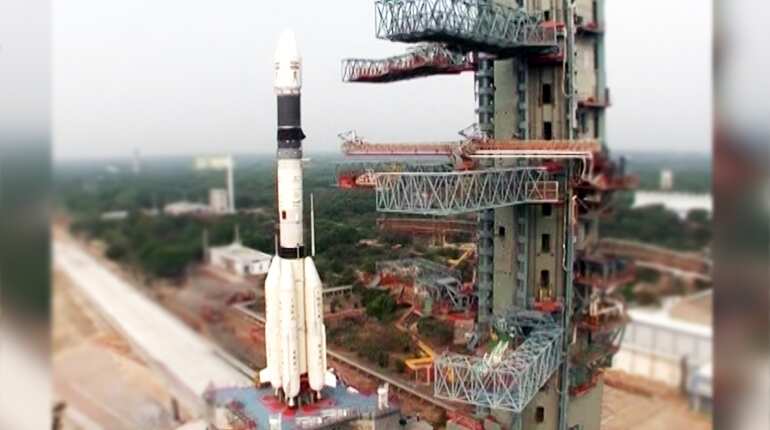
ISRO launches GSAT-6A communication satellite
GSAT-6A is similar to GSAT-6, a high power S-band communication satellite built on I-2K satellite bus with a mission life of about ten years
The Indian Space Research Organization(ISRO) today launched the GSLV-F08 carrying the GSAT-6A communication satellite from Satish Dhawan Space Centre (SDSC) in Sriharikota.
GSAT-6A is similar to GSAT-6, a high power S-band communication satellite built on I-2K satellite bus with a mission life of about ten years.

A key feature of the satellite is providing mobile communication to India through multi-beam coverage facility, reports said.
GSLV-F08, weighing 415.6 tonnes with a height of 49.1 metre comes with notable improvements like induction of High Thrust Vikas Engine, electromechanical actuation system in place of the electro-hydraulic actuation system.
At the end of the 27-hour countdown, the 49.1-metre Geosynchronous Satellite Launch Vehicle (GSLV-F08), fitted with indigenously developed cryogenic third stage, lifted off from the Satish Dhawan Space Centre here at 4.56 pm and soared majestically into the clear sky.
)
US vs China over South China Sea: Washington backs Philippines, Beijing hits back
)
Bigg Boss 20: Isha Rikhi evicted after three weeks in Salman Khan’s show
)
Musk plans to more than double xAI's chips to over 1.2 million Nvidia GPUs by year-end
)
After JU, clash erupts at SRFTI: BJP’s ‘Dimagi Naxal’ jibe sparks political firestorm after students protest RSS-linked event
)
‘Anti-social elements spreading false rumours’: LPU issues statement amid massive unrest over alleged rape
)
LPU students go on rampage, vandalise campus amid widespread protest: What's happening
)
Trump asked Xi to pressure Iran. China did not say yes — here’s what Beijing wants
)
US Treasury Secretary Scott Bessent hails global crackdown on Iranian banks and airlines
)
An OpenAI agent escaped its locked test cage again, by hiding questions in DNS lookups
)
'Our video was trimmed': LPU girls who featured in rape-denial video make U-turn
)
3 males killed, four others injured in shooting after fight at strip club in Detroit
)
'Victory for low-budget consumers': Raghav Chadha hails 30-day telecom recharge rules
)
Claude rebuilt the 1989 game 'Prince of Persia' by reusing the original's own code
)
Beyond metros: How Tier-2 and Tier-3 cities could drive India’s next AI wave
)
Tesla builds first Cybertruck with its own refined lithium: Elon Musk's $1 billion Texas bet pays off
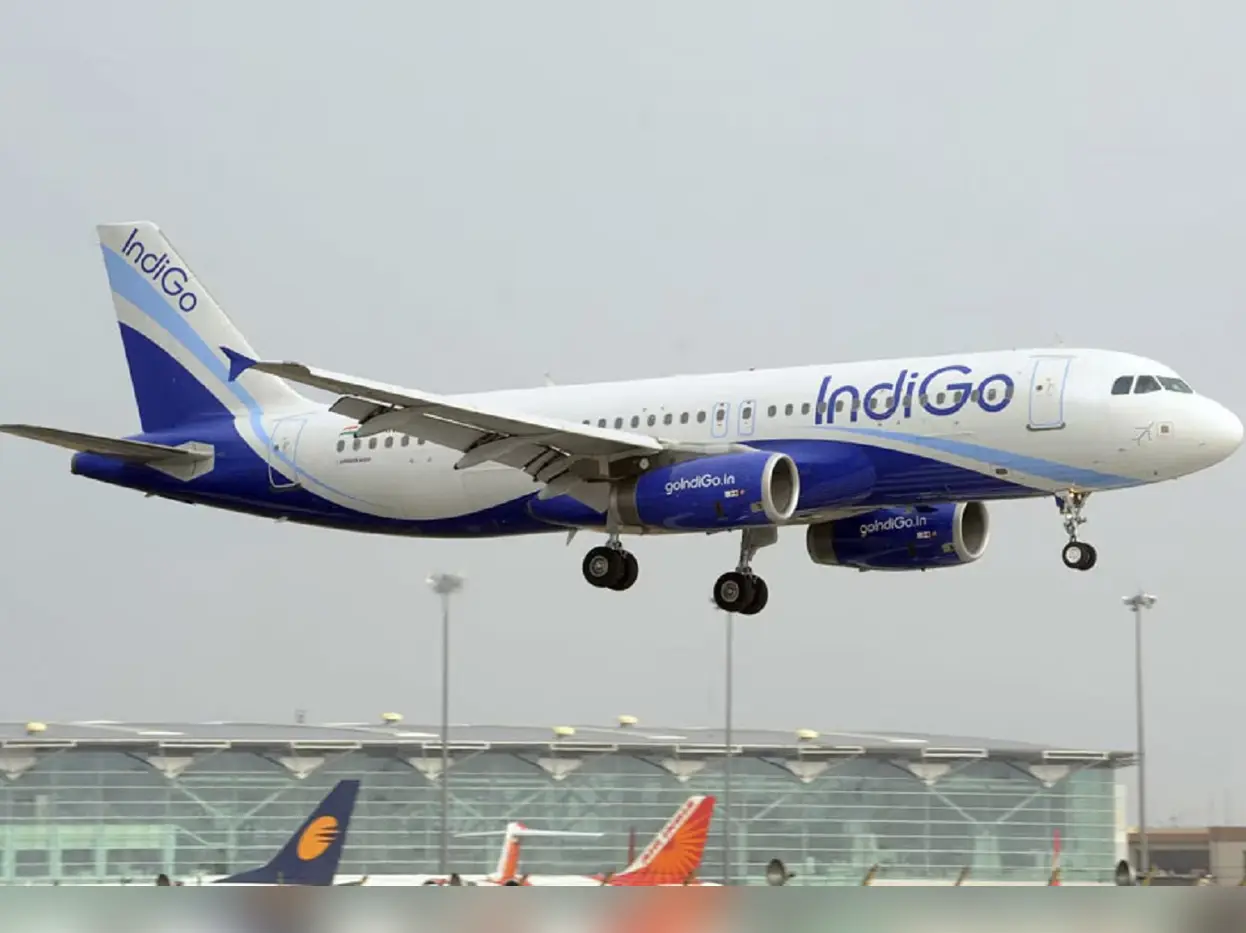)
IndiGo flight suffers tail strike in Bengaluru while landing; DGCA to probe incident
)
The US and China set up an AI 'red telephone', but skipped the rulebook
)
‘Terror suspects arrested near UK air base were looking to do big damage’: Trump
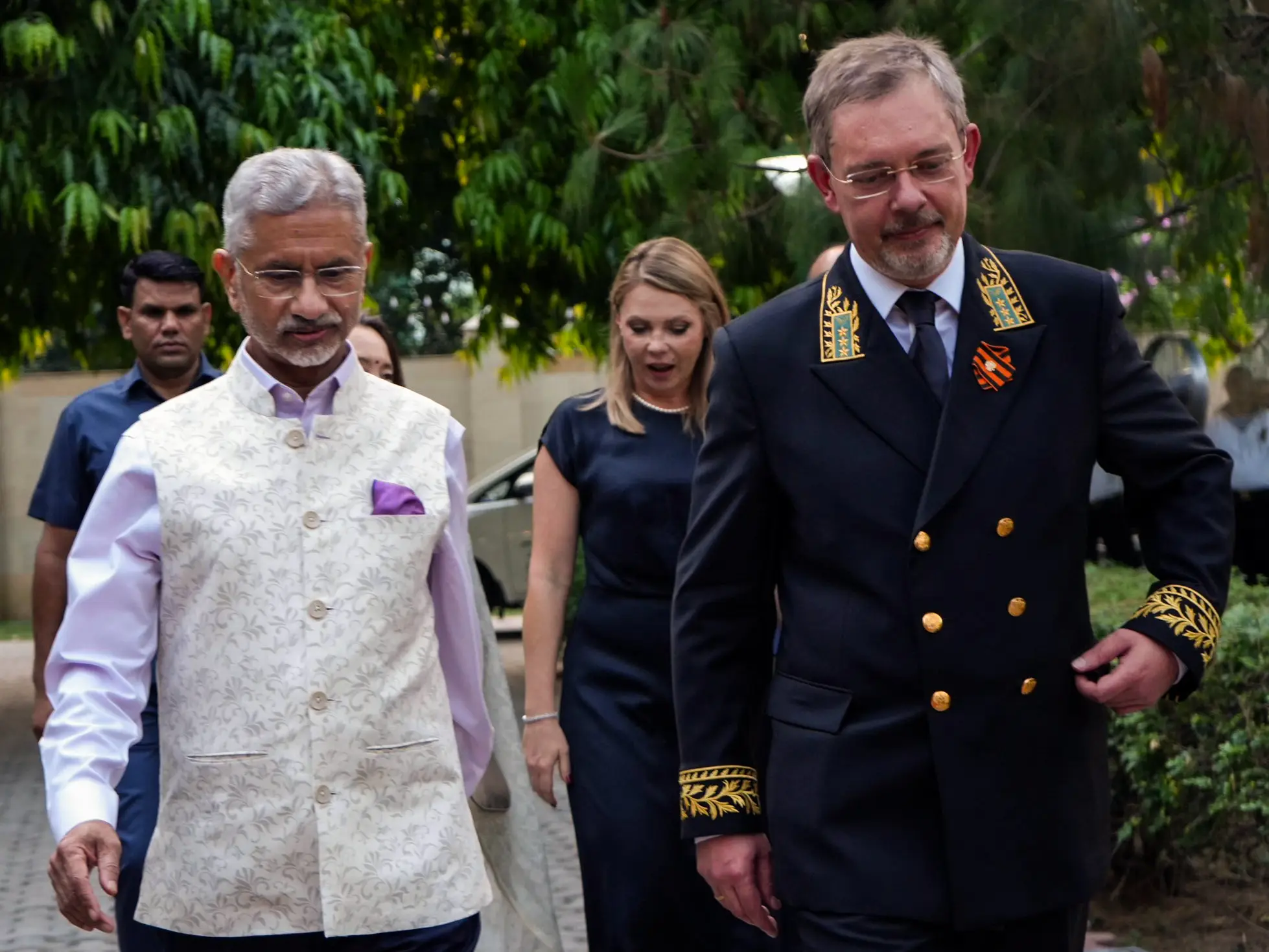)
Russian envoy claims US tactics to contain India were revealed in ‘Freudian slip’
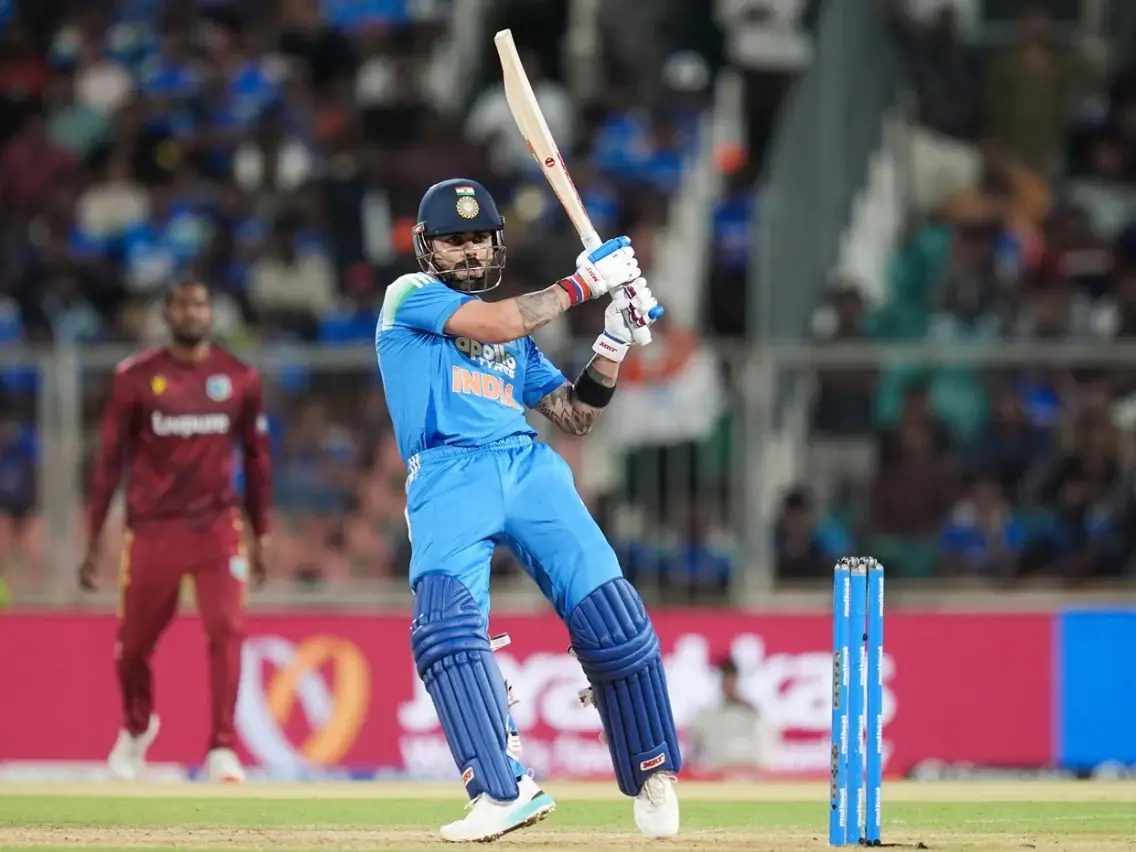)
IND vs WI 1st ODI: Kohli breaks Sachin's most runs in one country record with unbeaten 139 as India thump West Indies by 8 wickets
)
Researchers rebuilt exactly how 700 AI agents hacked Hugging Face: a 900-link chain trick
)
‘Olympic inclusion is our major target’: WPA President Ishaun Singh on pool’s global ambitions
)
Nations League: Spain sink England at Wembley; Modric shines for Croatia
)
Why has Iran released no proof of life of Mojtaba Khamenei? Araghchi reveals...
)
'What kind of confession is this?': Pakistan PM Shehbaz Sharif’s 'terrorists would be roaming New York' remark goes viral, raises alarm online. Watch
)
South Korea demands apology from Ukraine over North Korean prisoners' transfer
)
Beyond BrahMos: India targets Rs 50,000 crore in defence exports with unmatched price edge
)
Sri Lankan Tamil migrant worker gets death sentence in Saudi Arabia, help sought from India
)
Muslim marriage cannot shield sex with minor wife from prosecution under POCSO: Delhi HC
)
'Can't help but draw painful parallels to Nirbhaya case': SC on latest incidents of rape cases in Delhi-NCR
)
99.9% more powerful - Scientists find boy who can recall memories from just 3 months of age
)
'FIRST LOOK from inside Noah’s Ark': Researchers share video from inside mysterious mound in Turkey
)
UNSC reform momentum grows: Russia, Portugal, Mauritius push for India's permanent seat bid
)
8 US marines injured in Iranian missile attack on vessel in Strait of Hormuz: Report
&im=FitAndFill=(700,400))
New OTT releases this week (September 28-October 4, 2026): Dupahiya 2, Pooja Meri Jaan, Ohh My Dog- 5 titles coming on Netflix, Prime Video and more
)
Afghanistan says 28 fighters killed in clash near Pakistan border, Islamabad denies
)
Ceuta migrant crisis: Protesters take to streets as Spain grapples with migrant challenge
)
LPU suspend classes, postpones exams as violence escalates over rape claims: What's happening
)
New York City wants a 'kill switch' on every AI, and will pay whistleblowers who report violations
The 2140-kg GSAT-6A is a high power S-band communication satellite and would complement the services provided by GSAT 6 since its launch in 2015. It will be a technology demonstrator for high power S-band transmission from the satellite for supporting two-way communication, according to ISRO.
The satellite will also provide a platform for developing technologies such as demonstration of 6m S-Band Unfurlable Antenna, handheld ground terminals and network management techniques that could be useful in satellite-based mobile communication applications.
ISRO had made significant improvements in the GSLV Mk-II rocket including induction of high thrust Vikas engine in the second stage. The three-stage launch vehicle weighing 415.6 tonnes also was deployed with electromechanical actuation system in place of electro-hydraulic actuation system for much better reliability.
(With inputs from PTI)