Vijay govt withdraws RTI exemption for law and order dept after strong backlash

&imwidth=600&imheight=450&format=webp&quality=medium "Vijay govt withdraws RTI exemption for law and order dept after strong backlash")
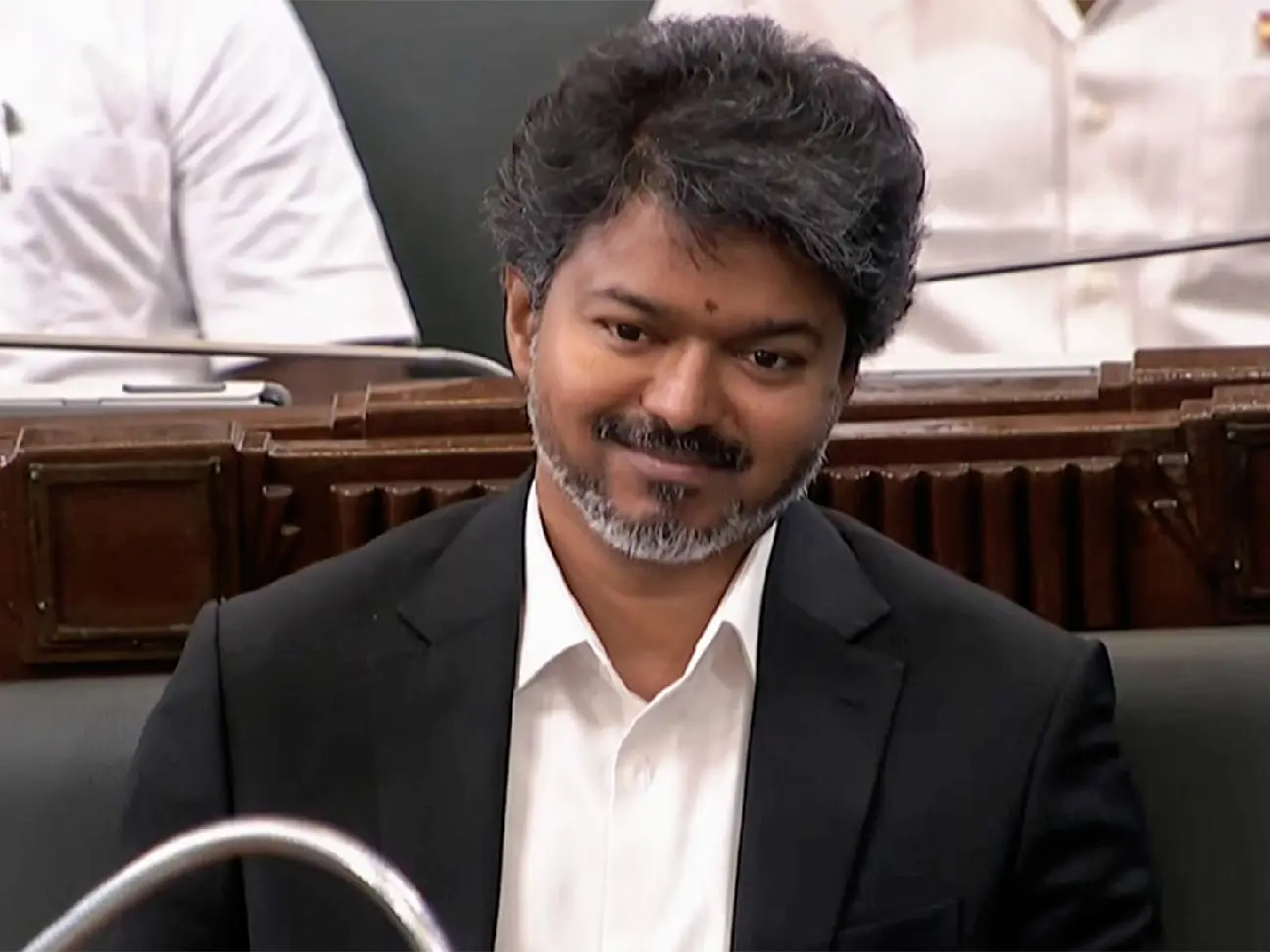
The opposition alleged that the exemption is an overt attempt to turn Tamil Nadu into a ‘police state’ Photograph: (ANI)
The law and order department handles matters of communal and caste clashes, political agitations, preventive detention, custodial deaths and allegations of police torture. Under Section 24 of the RTI Act, intelligence and security organisations can be exempted from the law by the government.
The Vijay-led Tamil Nadu government on Sunday revoked the order shielding the Public (Law and Order) Department from the Right to Information (RTI) Act hours after its decision triggered criticism from the opposition, an ally and transparency activists, marking yet another reversal by a government that has made transparency and accountability central to its anti-corruption pitch.
Public law and order deals with subjects like inquiry reports into the opening of police fire, inquiry reports into custody death, police torture, etc.
The Human Resources Management Department issued a fresh order, saying the exemption measure issued on September 21 under Section 24(4) of the RTI Act, “stood revoked”. The earlier order had classified the Public (Law and Order) Department as an intelligence and security organisation, bringing it under the RTI exemption.
“GO Ms.No.57 of Human Resources Management (R) Department dated 21st September, 2026, relating to exemption of the Public (Law and Order) Department under sub-section (4) of Section 24 of the RTI Act, 2005, stands revoked,” the order issued on Sunday said.
The law and order department handles matters including communal and caste clashes, political agitations, preventive detention, custodial deaths and allegations of police torture.
Under Section 24 of the RTI Act, intelligence and security organisations specified by the government can be exempted from the law, subject to limited exceptions, including information relating to corruption and human rights violations.
Trending Stories
)
)
)
)
)
)
)
&im=FitAndFill=(700,400))
)
)
)
)
&im=FitAndFill=(700,400))
)
)
)
)
)
)
)
)
)
)
)
)
)
)
)
)
)
CPM, DMK slammed TVK for RTI exemption order
The now-revoked RTI exemption had evoked sharp responses from the Opposition, with CPI(M) MP S Venkatesan alleging that it would shield law and order matters from public scrutiny. DMK spokesperson Saravanan accused the government of seeking to prevent disclosure of crime figures.
“The Right to Information Act exempts only public sector law and order matters from its purview. Government officials are ordering surveillance of leftist organisations. Custodial deaths are occurring. The education department has been ordered to suppress student protests. The police are entering college campuses and arresting students. Struggles for legitimate rights are being suppressed through violence,” Venkatesan said in a post on X.
In this context, exempting law and order matters from the RTI Act deserves severe condemnation, he said, adding, “This is an overt attempt to turn Tamil Nadu into a ‘police state’.”
DMK’s Saravanan alleged that the move was aimed at preventing scrutiny of crime figures in the state.
“The only reason this draconian amendment in the RTI has come is to ensure that we do not ask for the number of crimes that have taken place in Tamil Nadu. As the LOP @Udhaystalin says, 500 murders have so far taken place after TVK assumed office,” he said.
‘Only few sections exempted from RTI,’ said TVK minister
TVK Minister CTR Nirmal Kumar had earlier pointed out that the matter may be reconsidered if the public is not happy with it.
“Only community clash-related incident details will not be given under RTI because many are asking for RTI on community clash. There are 20 sections under Law and Order, only few sections are exempted from RTI. This is the intention behind the move,” he had said, explaining the rationale behind the move.
“The freedom of expression will not get affected. As a Minister of DIPR, I myself will give necessary information to you (media). We also have to understand the Lakshman Rekha in freedom of expression,” TVK Minister Raj Mohan said.