Remembering Nana Patekar (1951-2026): The voice of anger, art, and aftermath

&imwidth=600&imheight=450&format=webp&quality=medium "Remembering Nana Patekar (1951-2026): The voice of anger, art, and aftermath")
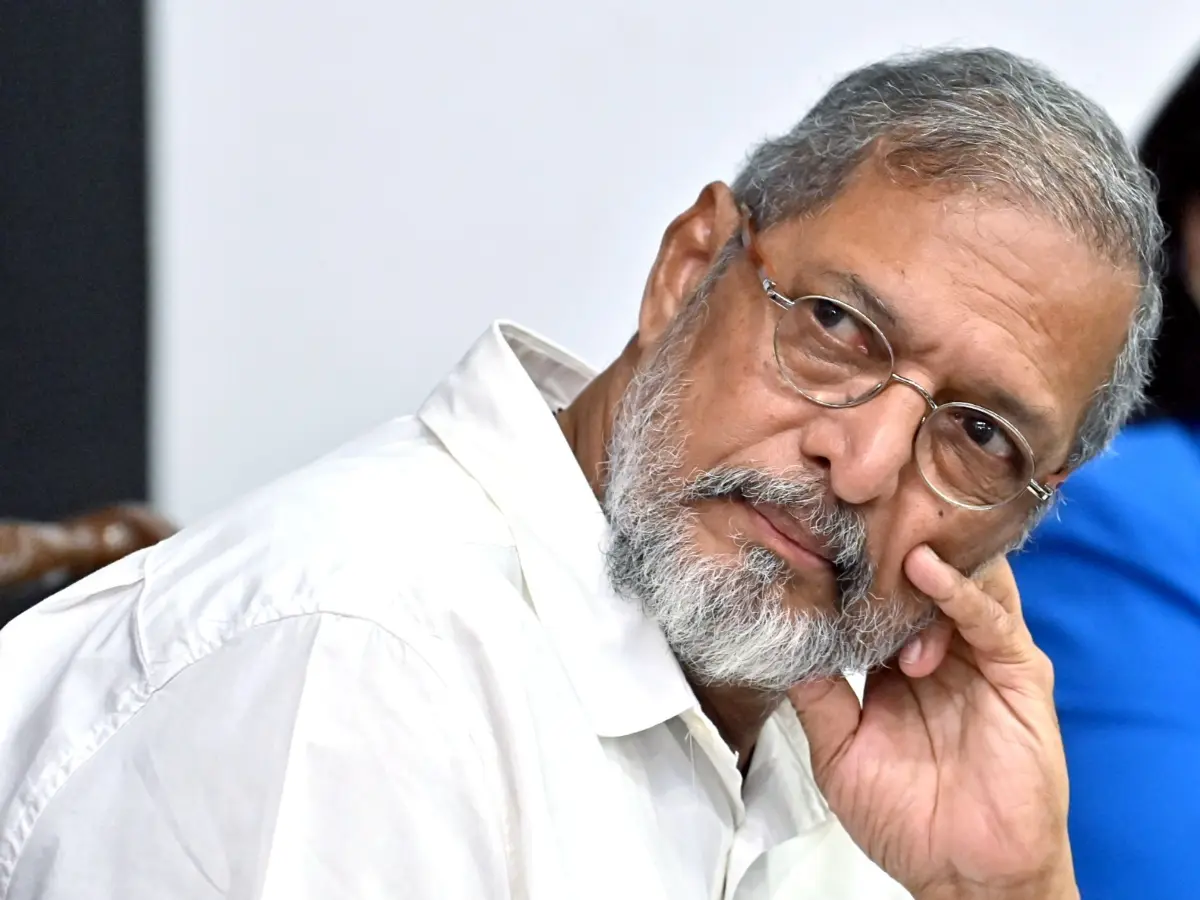
File image of Nana Patekar
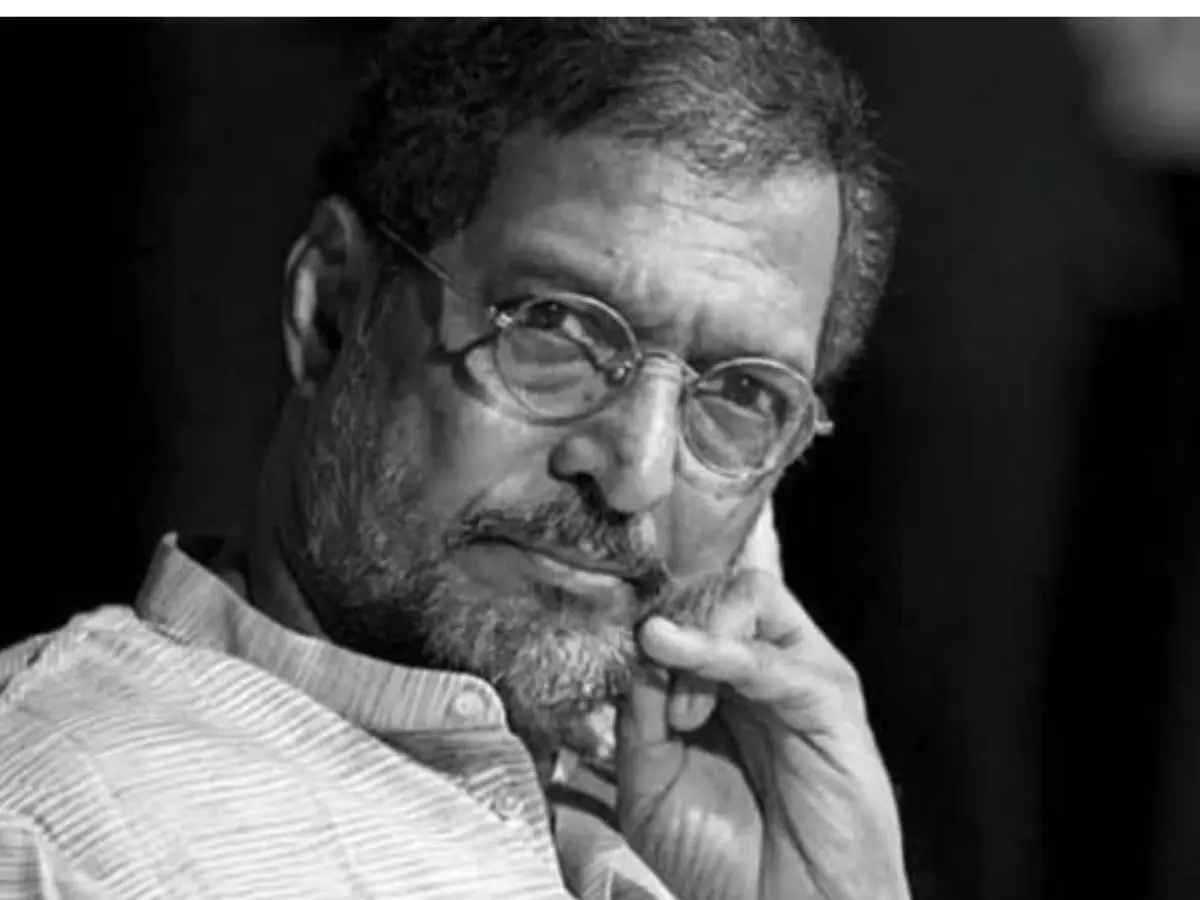
Fierce, unabashed and complex. Actor Nana Patekar's life was anything but conventional. As the actor passed away at 75, here's a look back at the maverick's career.
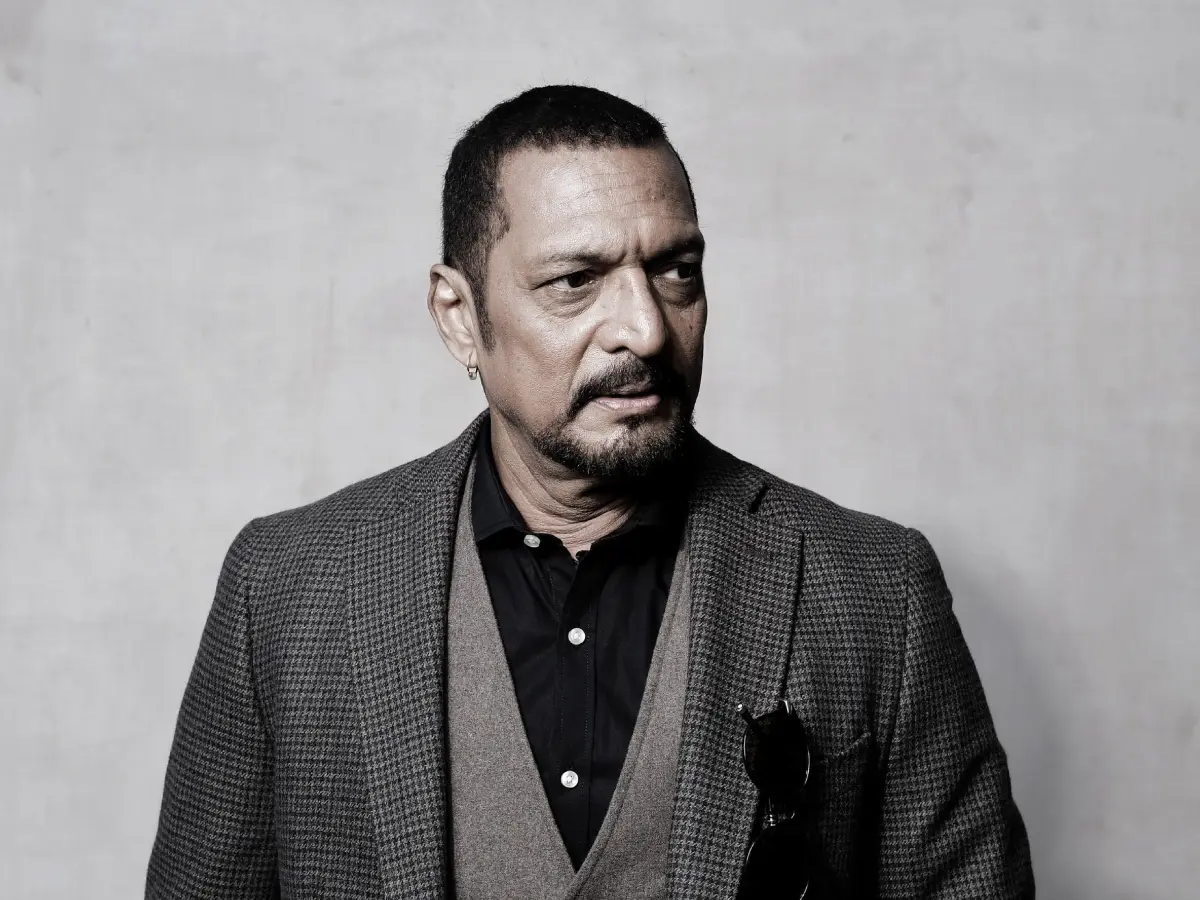
It's difficult to write about a man like Nana Patekar. A decorated artist, Patekar redefined angst and anger in Bollywood in the late 1980s and 1990s. The actor took the everyday man and his problems to the big screen in iconic films. Whether playing an ex-army man, a deaf and mute father or a mafia head, there was something about Patekar's performance that felt so real and raw.
Yet his last few years had been plagued by controversies. Particularly the Tanushree Dutta incident, where the actress accused Patekar of sexual harassment on the set of Horn 'Ok Pleassss in 2008.
Patekar was also accused of bringing goons to the sets to intimidate Dutta, which made her leave showbiz altogether. Years later, in 2018, Dutta's revelation of the incident brought renewed curiosity, making Patekar the first prominent name in India to be accused of Me Too.
By this time, Patekar was a well-known, well-respected actor. His philanthropic work, his performances and the multiple hats that he had worn in his five-decade-long career are inspirational to many. But every great canvas has its shadows, and a life as fierce as Nana Patekar’s was bound to leave scars.
Humble beginnings and breakthrough roles
His early years were tough. Having lost his father at an early age, the Sir JJ School Of Arts alumnus had to do odd jobs before he ventured into acting. Patekar made his debut with Gaman in 1978. Initially, he worked in Marathi films, mostly small roles. Maficha Sakshidar (Marathi 1986), after which he did several small roles in Marathi cinema. He portrayed Nathuram Godse in the British television series Lord Mountbatten: The Last Viceroy (1986).
Trending Stories
&imwidth=280&imheight=210&format=webp&quality=medium)
&imwidth=280&imheight=210&format=webp&quality=medium)
&imwidth=280&imheight=210&format=webp&quality=medium)
&imwidth=280&imheight=210&format=webp&quality=medium)
&imwidth=280&imheight=210&format=webp&quality=medium)
&imwidth=280&imheight=210&format=webp&quality=medium)
&imwidth=280&imheight=210&format=webp&quality=medium)
&imwidth=280&imheight=210&format=webp&quality=medium)
&imwidth=280&imheight=210&format=webp&quality=medium)
&imwidth=280&imheight=210&format=webp&quality=medium)
&imwidth=280&imheight=210&format=webp&quality=medium)
&imwidth=280&imheight=210&format=webp&quality=medium)
&imwidth=280&imheight=210&format=webp&quality=medium)
&imwidth=280&imheight=210&format=webp&quality=medium)
&imwidth=280&imheight=210&format=webp&quality=medium)
&imwidth=280&imheight=210&format=webp&quality=medium)
&imwidth=280&imheight=210&format=webp&quality=medium)
&imwidth=280&imheight=210&format=webp&quality=medium)
&imwidth=280&imheight=210&format=webp&quality=medium)
&imwidth=280&imheight=210&format=webp&quality=medium)
&imwidth=280&imheight=210&format=webp&quality=medium)
&im=FitAndFill=(700,400)&imwidth=280&imheight=210&format=webp&quality=medium)
&imwidth=280&imheight=210&format=webp&quality=medium)
&imwidth=280&imheight=210&format=webp&quality=medium)
&imwidth=280&imheight=210&format=webp&quality=medium)
&imwidth=280&imheight=210&format=webp&quality=medium)
&imwidth=280&imheight=210&format=webp&quality=medium)
&imwidth=280&imheight=210&format=webp&quality=medium)
&imwidth=280&imheight=210&format=webp&quality=medium)
&imwidth=280&imheight=210&format=webp&quality=medium)
&im=FitAndFill=(700,400)&imwidth=280&imheight=210&format=webp&quality=medium)
&imwidth=280&imheight=210&format=webp&quality=medium)
&imwidth=280&imheight=210&format=webp&quality=medium)
&imwidth=280&imheight=210&format=webp&quality=medium)
&imwidth=280&imheight=210&format=webp&quality=medium)
But it was his performance in Mira Nair’s Salaam Bombay! that made people sit up and take notice of his talent. He also received widespread critical acclaim for his portrayal of a crime lord in the crime drama Parinda by Vidhu Vinod Chopra, which earned him his first National Film Award for Best Supporting Actor and his first Filmfare Award for Best Supporting Actor.
Unmatched range and dedication to the craft
Films like Agni Sakshi, Prahaar, Krantiveer and even Raju Ban Gaya Gentleman only cemented his position in the Hindi film industry. Nana made each character real. Be it the deaf and mute father in Khamoshi: The Musical, or the gritty Army officer in Prahaar: The Final Attack (a film he starred in and directed), or the closet painter don in the hilarious Welcome, Patekar’s range was enormous.
Patekar was also true to his craft, and went lengths to make his characters look real. For Prahaar: The Final Attack, he actually trained with the Indian Army which helped him later serve as an honorary Captain during the Kargil War.
Simple living, Deep social service, and rooted living
He was a temperamental man, with friends and colleagues often calling him ‘frank’ and unabashed. Patekar lived a simple life too, in a modest 1 BHK flat in Andheri, Mumbai. Having separated from his wife years back, Patekar stayed with his mother until she died in 2019.
While his life was simple, he made sure he gave much more to society. When he was awarded the Raj Kapoor award, which carries a cash prize of ₹1,000,000, he donated the entire amount towards drought relief activities in Maharashtra. He also provided financial aid to families of farmers who committed suicide due to indebtedness brought about by drought. In 2015, Patekar established the Naam Foundation, which works to provide aid to farmers overcome by drought conditions in Maharashtra.
In several interviews, he had spoken about being rooted to the soil and how he preferred to live in the village. When not working, Patekar would live on a farm in Khadakwasla near Pune. Once during an appearance on Kaun Banega Crorepati, host Amitabh Bachchan had asked him about his preference for village life. Patekar had shared that he originally did not belong to the industry and came from a village. He only worked in Mumbai and then returned to the village, claiming that the slow lifestyle made him happy and at peace.
The MeToo controversy
Yet, for all his artistic and patriotic reverence, the final chapters of his legacy were complicated by controversy. In 2018, as the MeToo movement swept across India, actress Tanushree Dutta stepped forward with harrowing allegations. She accused Patekar of sexual harassment on the sets of the 2008 film Horn Ok Pleassss.
Dutta further alleged that political goons were brought onto the sets to intimidate her, forcing her eventual exit from showbiz. The revelation sent shockwaves through Bollywood, making Patekar one of the most prominent figures in India to face public reckoning under the MeToo banner.
Patekar vehemently denied the accusations and was later cleared by a Mumbai court in a verdict. The court cited that the complaint was filed well beyond the legal period of limitation and lacked adequate justification for the delay.
The allegations, however, cast a long, unyielding shadow over his public standing, sparking fierce debates on accountability, power dynamics, and justice in the film industry.
Final Curtain
Patekar died of a cardiac arrest in the early hours of October 8. His journey reminds us that human beings are complex and rarely just black or white. Nana Patekar may have had a tryst with controversy, but his legacy and body of work will remain untouched for decades.

