Keeping India’s air power flying, Bharat Malkani on building a stronger MRO ecosystem

&imwidth=600&imheight=450&format=webp&quality=medium "Keeping India’s air power flying, Bharat Malkani on building a stronger MRO ecosystem")
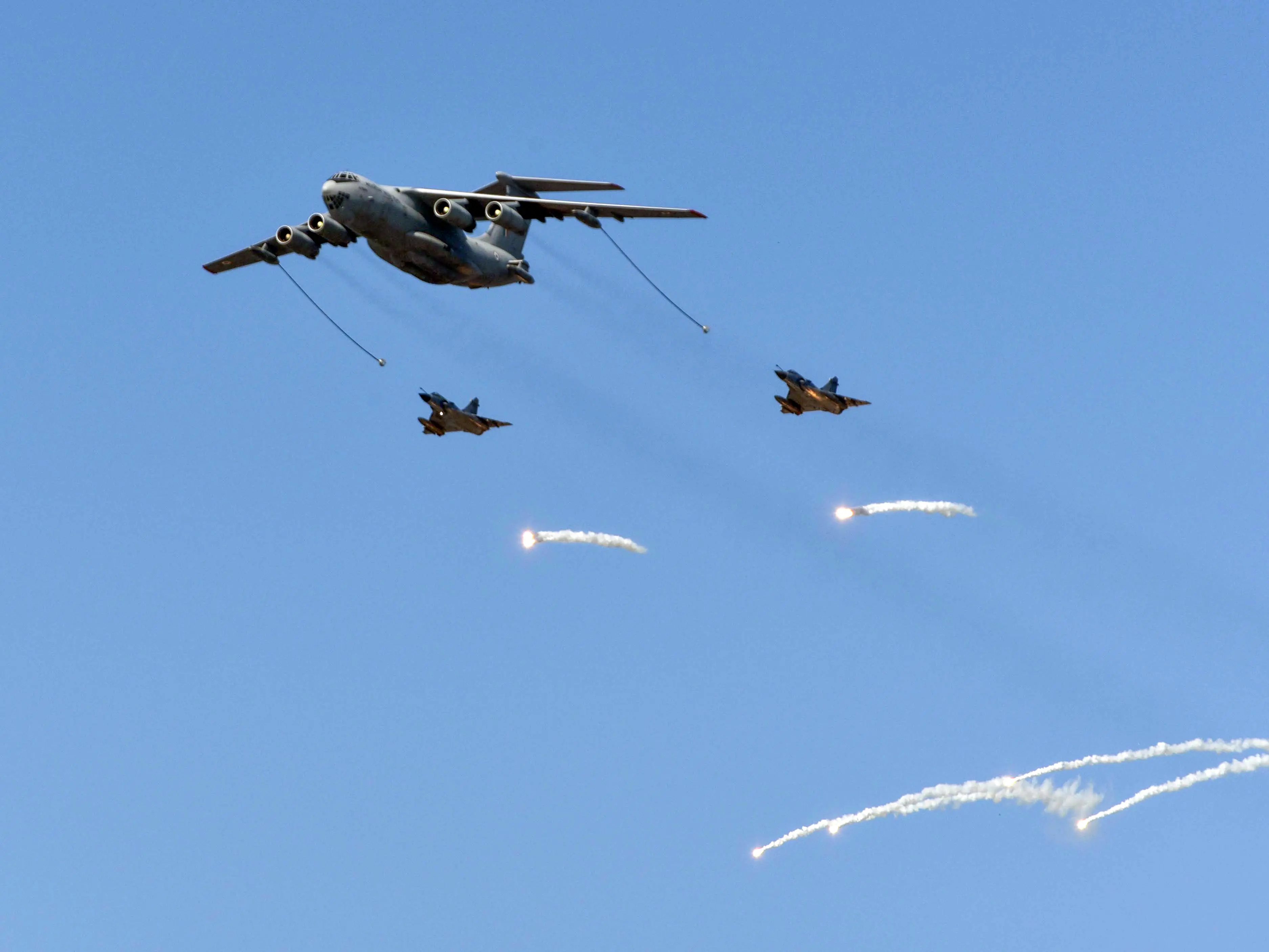
A special flying display by Indian Airforce fighter aircrafts during the 93rd Anniversary celebration of the Indian Air Force Day over the Brahmaputra River, in Guwahati on Nov 09, 2025. Photograph: (ANI)
India’s ability to maintain and repair military aircraft domestically is crucial to reducing foreign dependence and sustaining air power during conflicts and changing geopolitical conditions.
Buying a military aircraft is only the beginning of a relationship that can last three or four decades. Through that period, the aircraft must be maintained, repaired and upgraded while remaining available for operations.
For Bharat H. Malkani, Founder, Chairman and Managing Director of Max Aerospace Group, this makes India’s ability to sustain its military aircraft domestically an important part of the country’s aerospace ambitions.
The foreign OEM dependence
India operates a diverse inventory of Russian, French, American and indigenous aircraft. Malkani says the ability to sustain imported platforms remains constrained by the original manufacturer and the availability of components. “To sustain an aircraft, you need to be able to manufacture parts locally,” Malkani said.
He believes India has the required skills, but building the wider aerospace ecosystem will take time. “To develop an aircraft ecosystem takes 40, 50 years. We are very young in it, barely 10 years,” he said, arguing that India will succeed if it can “sustain our patience”.
One fleet, multiple maintenance systems
The diversity of India’s aircraft inventory creates another challenge. Malkani pointed to differences as fundamental as measurement systems and languages across American, European and Russian platforms.
“We have to run multiple parallel systems to be able to sustain a single fleet,” he said. He expects greater indigenisation to gradually create more commonality in capabilities but cautioned that harmonisation cannot happen immediately.
Why MRO becomes strategic
The importance of domestic maintenance becomes sharper during conflict, when access to overseas components and technical support can be affected by international relationships. Malkani recalled the experience of the Kargil war, saying Indian companies were involved in finding indigenous solutions when foreign support was unavailable.
Trending Stories
)
)
)
)
)
)
)
)
)
)
)
)
)
)
)
)
)
)
)
)
)
)
)
)
)
)
)
)
)
)
)
)
)
)
&im=FitAndFill=(700,400))
)
)
)
)
“Depending on where we are in the political spectrum, we get denied or given the correct kind of spares and support,” he said. India’s international position has changed considerably since then, he argued, but dependence on overseas supply chains can still create challenges when political interests diverge.
For Malkani, the longer-term answer is therefore to build a deeper domestic aerospace ecosystem with greater participation from the private industry. That makes MRO more than an aviation support business. The ability to maintain, repair and sustain aircraft at home ultimately determines how independently a country can keep its air power flying.