

&imwidth=800&imheight=600&format=webp&quality=medium "Will Trump declare national emergency to 'nationalise' midterm elections? Critics think so, and supporters want him to")
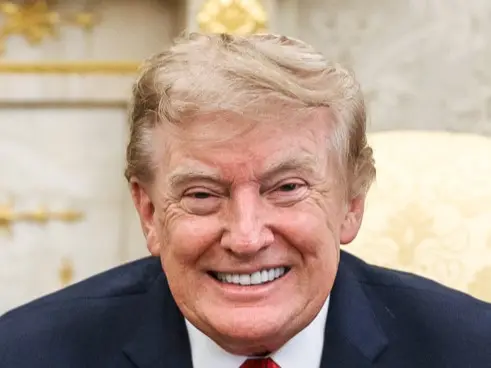
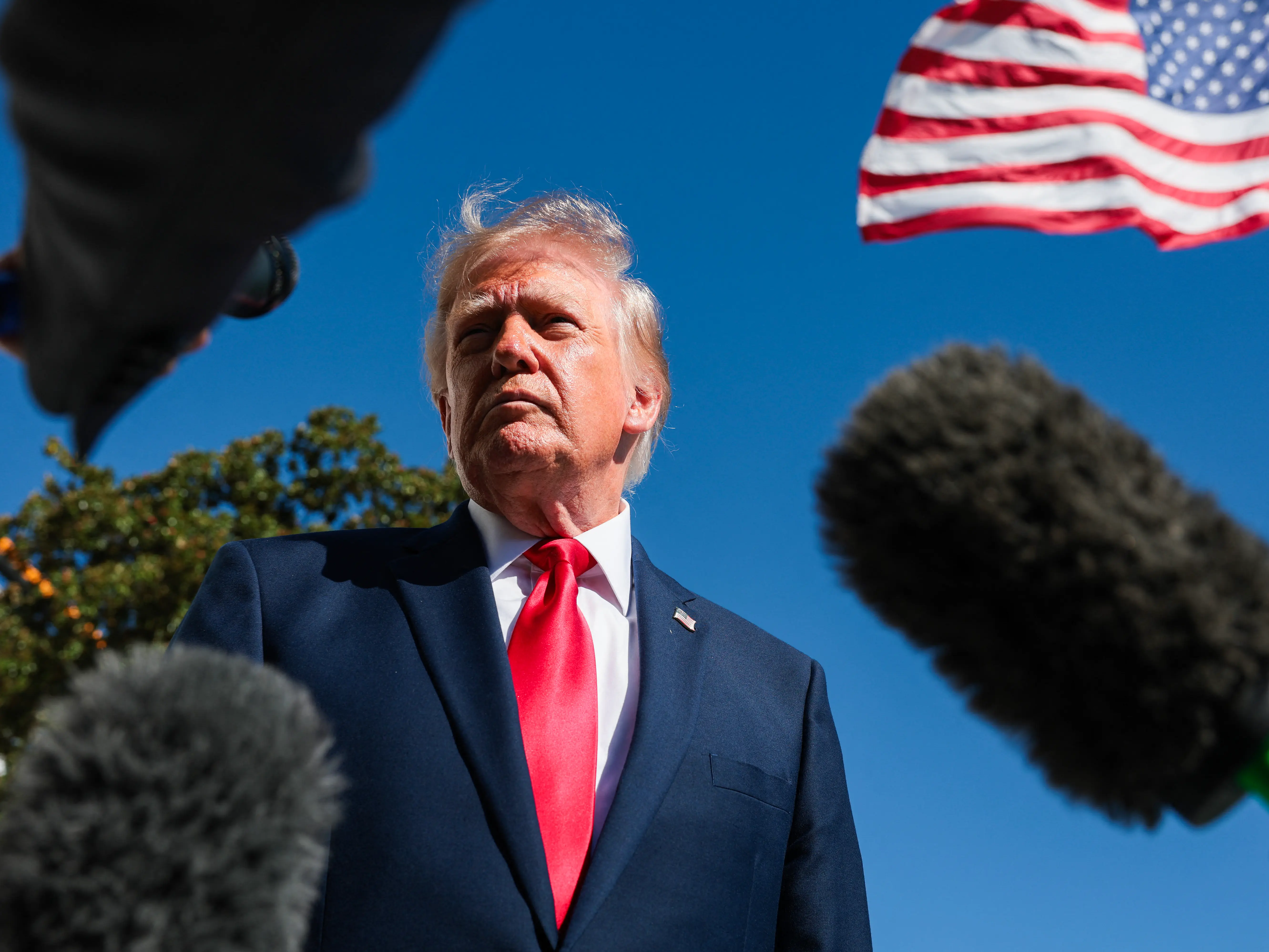
There is growing talk about whether US President Donald Trump will announce a national emergency ahead of the November midterm elections, mainly focused on noncitizen voting and foreign interference in the polls. He has declined to rule it out, while his allies and surrogates are increasingly promoting the idea. The concern stems in part from Trump's repeated claims that the 2020 presidential election, which he lost to Joe Biden, was stolen.
Why it looks like Trump might declare an election-related emergency
In July, during a national address, Trump warned that US elections remain vulnerable to foreign manipulation.
When broadcaster Wayne Allyn Root asked Trump whether he would declare a national security emergency for elections, the US president said: “Let me just say, stranger things have happened, OK? I’ll leave it at that.” This marked a departure from remarks Trump made in February, when he said he did not intend to declare an emergency to influence the midterms.
SAVE America Act as a “national emergency”
The SAVE America Act, or Safeguard American Voter Eligibility Act, is a proposed legislation that seeks to require documentary proof of US citizenship to register to vote in federal elections. The 2026 version of the Act, introduced in the Senate by Republican Mike Lee, is aimed at amending the National Voter Registration Act to require proof of citizenship for voter registration.
Trending Stories
&imwidth=180&imheight=135&format=webp&quality=medium)
'Baseless and misconceived': India issues statement after Elon Musk's 'oligarchs' claim over Starlink delay
&imwidth=180&imheight=135&format=webp&quality=medium)
‘You earned that love’: Messi’s wife shares heartfelt message as football icon bids farewell to international stage
&imwidth=180&imheight=135&format=webp&quality=medium)
BJP chief Nitin Nabin calls Rahul Gandhi ‘anarchist’, says Oppn ‘spreading poison’ in society
&imwidth=180&imheight=135&format=webp&quality=medium)
‘Team first and team ahead’: India coach Gambhir pens heartfelt wish for chief selector Ajit Agarkar
&imwidth=180&imheight=135&format=webp&quality=medium)
Trump's naked 23-karat gold statue unveiled near European Parliament
&imwidth=180&imheight=135&format=webp&quality=medium)
Nana Patekar: Remembering a legend of the Indian cinema
&imwidth=180&imheight=135&format=webp&quality=medium)
Thai Actors Fourth Nattawat, Gemini Norawit face racism accusations from Indian fans over viral Bollywood act
&imwidth=180&imheight=135&format=webp&quality=medium)
Captain Smit Machchhar on feet again, walks 10 steps as recovery continues after Flydubai flight attack
&imwidth=180&imheight=135&format=webp&quality=medium)
Ronaldo sends 'a hug' after Messi says he misses 'wearing the blue and white'
&imwidth=180&imheight=135&format=webp&quality=medium)
Trump distances himself from senior political advisers over work for pro-Russian government
&imwidth=180&imheight=135&format=webp&quality=medium)
A Love Other Than Yours: The temptation to cheat and what pushes people over the edge
&imwidth=180&imheight=135&format=webp&quality=medium)
Narendra Modi Stadium bomb threat declared hoax; India & Australia U19 squads safe
&imwidth=180&imheight=135&format=webp&quality=medium)
BTS agency HYBE announces first-ever Weverse Con Festival in India
&imwidth=180&imheight=135&format=webp&quality=medium)
US Midterms 2026: Barack Obama hits campaign trail to boost Democratic candidates
&imwidth=180&imheight=135&format=webp&quality=medium)
Shia LaBeouf and Mia Goth head for divorce after nearly 10 years
&imwidth=180&imheight=135&format=webp&quality=medium)
Who is DogeDesigner? All we know about the X account that sparked India-Musk-Starlink ‘oligarchs’ controversy
&imwidth=180&imheight=135&format=webp&quality=medium)
India at UN: Pak allows terror groups to operate from its soil
&imwidth=180&imheight=135&format=webp&quality=medium)
Christa Pike wakes after failed execution, asks 'Where am I and who are you?'
&imwidth=180&imheight=135&format=webp&quality=medium)
Christa Pike 'angry' and 'confused' after failed execution; judge orders to preserve evidence
&imwidth=180&imheight=135&format=webp&quality=medium)
Nigerian President Bola Ahmed Tinubu hails Modi’s 25-year leadership milestone, calls for deeper Nigeria-India strategic ties
&im=FitAndFill=(700,400)&imwidth=180&imheight=135&format=webp&quality=medium)
US midterms 2026: 10 leaders and candidates to watch in the battle for Congress
&imwidth=180&imheight=135&format=webp&quality=medium)
Nana Patekar's #MeToo controversy: From Tanushree Dutta’s allegations to court ruling
&imwidth=180&imheight=135&format=webp&quality=medium)
Atlantic hurricane Isaias could make landfall as a strong Category 2 storm, tornado warnings issued
&imwidth=180&imheight=135&format=webp&quality=medium)
Veteran actor Nana Patekar dies at 75 after suffering cardiac arrest
&imwidth=180&imheight=135&format=webp&quality=medium)
Musk alleges ‘oligarchs’ blocking Starlink in India, here is what we know so far
&imwidth=180&imheight=135&format=webp&quality=medium)
Lightning strikes IndiGo Patna-Lucknow flight at 17,000 feet, damages nose; all 110 safe
&imwidth=180&imheight=135&format=webp&quality=medium)
Who is Nana Patekar's wife Neelakanti? The bank officer who earned Rs 2,500 when he earned Rs 50
&imwidth=180&imheight=135&format=webp&quality=medium)
France holds talks with Taliban government amid diplomatic outreach
&imwidth=180&imheight=135&format=webp&quality=medium)
New Cold War: Why is China buying more gold? Explained
&imwidth=180&imheight=135&format=webp&quality=medium)
Nadella to be honoured with national medal of technology & innovation
&imwidth=180&imheight=135&format=webp&quality=medium)
IndiGo flight struck by lightning at 17,000 feet, nose of Patna-Lucknow flight damaged
&imwidth=180&imheight=135&format=webp&quality=medium)
US readying to strike Iran? Report suggests Trump preparing to put on show of strength ahead of US midterms
&imwidth=180&imheight=135&format=webp&quality=medium)
Zendaya gives The Odyssey white lace jacket a stylish twist at Paris Fashion Week 2026
&im=FitAndFill=(700,400)&imwidth=180&imheight=135&format=webp&quality=medium)
World’s top vehicle producers: Top 10 countries making the most cars. Check where India stands
&imwidth=180&imheight=135&format=webp&quality=medium)
US suspends Microsoft, Infosys, Tata, Wipro from green card programme over alleged H-1B abuse
&imwidth=180&imheight=135&format=webp&quality=medium)
'We don't think so': Trump says Russian plague lab worker's death not linked to bio-weapon
&imwidth=180&imheight=135&format=webp&quality=medium)
Sri Lankan Tamil worker gets death sentence in Saudi Arabia over blasphemy, calls for pardon intensify
&imwidth=180&imheight=135&format=webp&quality=medium)
France protests: How a Gen Z school movement turned into a political war | The Verdict
The Trump administration has described the SAVE America Act as a “national emergency” and has pushed for its passage. Related proposals have also sought restrictions on mail-in voting and voter identification requirements.
Meanwhile, a national emergency first declared in 2018 concerning foreign interference in US elections and efforts to undermine confidence in the electoral system has continued to be in force. The 2018 emergency was established by Executive Order 13848, which focused on the threat of foreign interference in US elections and provided authorities, including sanctions, to respond to such activity. But it does not give the president a general power to rewrite domestic election rules or take over election administration.
Trump allies and surrogates are pushing the national emergency idea
Steve Bannon has been talking up an election-related emergency. The former Trump aide predicted Trump would declare an emergency on national security grounds to protect elections.
“It’s coming. It’s coming. Just block the last week of August out. It’s coming,” he said.
“We need a National Security Emergency about the midterm elections immediately – this is a powerful predicate for that,” Bannon told CNN on the night of Trump's national address in July.
ICE agents and National Guard at US polling stations?
Bannon has pointed to the possible deployment of Immigration and Customs Enforcement (ICE) agents or the National Guard at polling places. Wayne Allyn Root, meanwhile, has suggested that an emergency declaration could provide a way for Trump to pursue measures such as voter ID checks, proof of citizenship and restrictions on mail-in ballots if Congress failed to pass the SAVE America Act.
Election-deniers in the Trump camp have also been promoting a draft executive order that has been circulating since last year. The order would declare a national emergency over alleged foreign interference through voting machines and mail ballots.
Some supporters have even claimed the order is “sitting on his desk” and would give Trump “king-like powers”, according to reporting in The Guardian and elsewhere.
Former Trump White House counsel Ty Cobb has warned that ICE agents at polling places could become “a virtual certainty”, potentially alongside National Guard deployments. He said such measures could intimidate minority and immigrant voters and facilitate attempts to seize voting machines.
Critics claim Trump is laying groundwork for a national security emergency declaration
Critics believe Trump is building momentum for such a declaration. Former White House counsel-turned-Trump critic Ty Cobb claimed that Trump's July speech was designed “to add the predicate that he needs to declare an emergency at or about the time of the elections.”
Election lawyer Aria Branch said the administration was “trying to lay the groundwork to declare some sort of emergency to nationalise elections”, adding that Trump is “looking for any opportunity to do that”.
Noncitizen voting claims fuel the argument for a national emergency
The White House Government Transparency Task Force has recently released declassified documents making claims about alleged election vulnerabilities. The allegations include foreign access to voter-registration data and vulnerabilities in voting infrastructure. The White House said the released intelligence shows that countries including China, Russia, Iran and North Korea have the capability to compromise US election infrastructure.
The documents have also been used by the administration to support claims about foreign interference in US elections. The administration highlighted a New Jersey software error that resulted in 6,600 noncitizens being registered to vote, although fewer than 400 actually voted.
The US Census Bureau subsequently claimed that a preliminary matching exercise had identified 24,000 noncitizens who voted in the 2020 election from 128 million records. But David Becker, founder and executive director of the Center for Election Innovation & Research, said the analysis “fails the laugh test”.
Another claim came from the Department of Homeland Security, which said 278,000 noncitizens were registered to vote in federal elections. The methodology and level of confidence behind that figure were not disclosed. Branch said the narrative surrounding noncitizen voting was “just completely unfounded, and it’s really just to stoke fear and lay the groundwork for future action.”
That future action, critics fear, could include a declaration of national emergency.
What emergency powers would actually allow Trump to do
The National Emergencies Act of 1976 allows a president to declare a national emergency by proclamation and specify the statutory powers being activated. A declaration does not itself create unlimited new presidential powers but activates authorities that Congress has already provided under specific laws.
The president must notify Congress and publish the declaration. Congress can attempt to terminate an emergency through a joint resolution, although a presidential veto can block that effort unless Congress obtains the necessary majority to override it.
Under the International Emergency Economic Powers Act (IEEPA), the president must identify an “unusual and extraordinary threat” involving a foreign source to the national security, foreign policy or economy of the US.
When it comes to elections, the states call the shots, a lot of the time
There is no general emergency clause in the US Constitution that gives the president unlimited powers. A president cannot simply use an emergency declaration to take over state-run elections, impose nationwide voter-ID requirements, ban mail voting, seize voting machines or postpone federal elections without a separate legal basis.
The US Constitution assigns key responsibility for administering elections to the states, while Congress has authority to alter rules governing federal elections.
Even an emergency declaration would therefore not allow Trump to simply “nationalise” the electoral system.
Courts have already blocked some of Trump's election-related executive actions.
What could be cited as grounds for an emergency ahead of the midterms?
Supporters of an election-focused emergency have pointed to alleged foreign interference from China, Venezuela and Iran. They have also cited alleged vulnerabilities in voting machines and mail ballots, noncitizen voting and election-related disinformation.
The existing emergency concerning foreign interference in US elections is particularly relevant to the debate because it already provides the administration with certain authorities to address foreign threats. But it does not amount to a general authorisation to rewrite US election law.
Santiago Mayer of Voters of Tomorrow, a voter advocacy group, said the aim was to turn out enough voters so that “no matter what he pulls, it won’t succeed”.
Any declaration or attempt to expand federal control over elections would likely trigger immediate legal challenges. The courts would then play a central role in deciding whether any actions taken by the Trump administration were authorised by federal law and consistent with the US Constitution.

