US lawmakers reach deal on massive defence bill, eye Russia, Turkey, China

Donald Trump
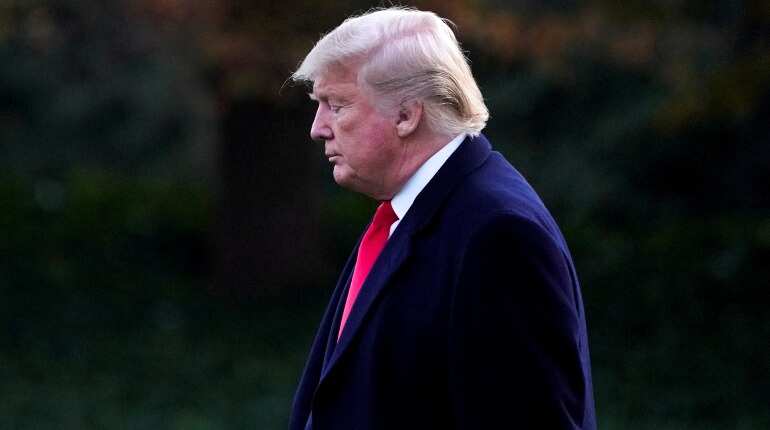
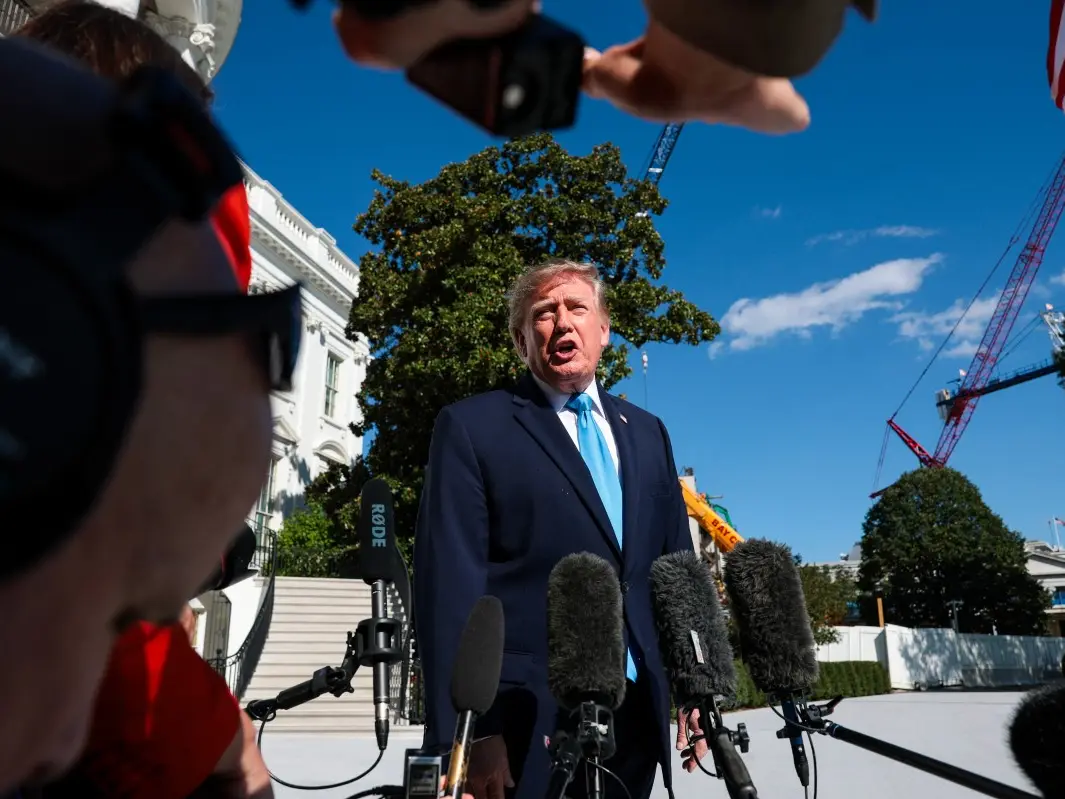
USlawmakersannounced an agreement on Monday on a $738-billionbillsetting policy for the Department ofDefence, including new measures for competing with Russia andChina, family leave for federal workers and the creation of President Donald Trump's long-desired Space Force.
It also calls for sanctions onTurkeyover its purchase of a Russian missiledefencesystem, and tough response to North Korea's efforts to develop nuclear weapons.
TheUSHouse of Representatives and Senate Armed Services Committees agreed on a compromise version of the NationalDefenseAuthorization Act, or NDAA, after months of negotiations. It is expected to pass before Congress leaves Washington later this month for the year-end holiday break.

The legislation includes $658.4billion for the Department ofDefenseand Department of Energy national security programs, $71.5billion to pay for ongoing foreign wars, known as "Overseas Contingency Operations" funding, and $5.3billion in emergency funding for repairs of damage from extreme weather and natural disasters.
There were concerns earlier this year that the NDAA might fail for the first time in 58 years over steep divides between the Democratic-controlled House of Representatives and Republican-controlled Senate over Trump's policies.
Because it is one of the few pieces of major legislation Congress passes every year, the NDAA becomes a vehicle for a range of policy measures as well as setting everything from military pay levels to which ships or aircraft will be modernized, purchased or discontinued.
&imwidth=180&imheight=135&format=webp&quality=medium)
'Baseless and misconceived': India issues statement after Elon Musk's 'oligarchs' claim over Starlink delay
&imwidth=180&imheight=135&format=webp&quality=medium)
‘Team first and team ahead’: India coach Gambhir pens heartfelt wish for chief selector Ajit Agarkar
&imwidth=180&imheight=135&format=webp&quality=medium)
Trump's naked 23-karat gold statue unveiled near European Parliament
&imwidth=180&imheight=135&format=webp&quality=medium)
Nana Patekar: Remembering a legend of the Indian cinema
&imwidth=180&imheight=135&format=webp&quality=medium)
Thai Actors Fourth Nattawat, Gemini Norawit face racism accusations from Indian fans over viral Bollywood act
&imwidth=180&imheight=135&format=webp&quality=medium)
Captain Smit Machchhar on feet again, walks 10 steps as recovery continues after Flydubai flight attack
&imwidth=180&imheight=135&format=webp&quality=medium)
'They came in, they hit us': New videos show Iranian attacks on US Camp Buehring in Kuwait | Watch
&imwidth=180&imheight=135&format=webp&quality=medium)
Ronaldo sends 'a hug' after Messi says he misses 'wearing the blue and white'
&imwidth=180&imheight=135&format=webp&quality=medium)
Trump distances himself from senior political advisers over work for pro-Russian government
&imwidth=180&imheight=135&format=webp&quality=medium)
A Love Other Than Yours: The temptation to cheat and what pushes people over the edge
&imwidth=180&imheight=135&format=webp&quality=medium)
Narendra Modi Stadium bomb threat declared hoax; India & Australia U19 squads safe
&imwidth=180&imheight=135&format=webp&quality=medium)
US midterms 2026: Why the Latino vote could shape control of Congress
&imwidth=180&imheight=135&format=webp&quality=medium)
BTS agency HYBE announces first-ever Weverse Con Festival in India
&imwidth=180&imheight=135&format=webp&quality=medium)
US Midterms 2026: Barack Obama hits campaign trail to boost Democratic candidates
&imwidth=180&imheight=135&format=webp&quality=medium)
Shia LaBeouf and Mia Goth head for divorce after nearly 10 years
&imwidth=180&imheight=135&format=webp&quality=medium)
Who is DogeDesigner? All we know about the X account that sparked India-Musk-Starlink ‘oligarchs’ controversy
&imwidth=180&imheight=135&format=webp&quality=medium)
Nicolas Maduro, wife likely to face new charges over alleged torture of US citizens: Report
&imwidth=180&imheight=135&format=webp&quality=medium)
Texas man executed by lethal injection; first US execution since botched Christa Pike execution
&imwidth=180&imheight=135&format=webp&quality=medium)
Christa Pike wakes after failed execution, asks 'Where am I and who are you?'
&imwidth=180&imheight=135&format=webp&quality=medium)
Christa Pike 'angry' and 'confused' after failed execution; judge orders to preserve evidence
&imwidth=180&imheight=135&format=webp&quality=medium)
Nigerian President Bola Ahmed Tinubu hails Modi’s 25-year leadership milestone, calls for deeper Nigeria-India strategic ties
&im=FitAndFill=(700,400)&imwidth=180&imheight=135&format=webp&quality=medium)
US midterms 2026: 10 leaders and candidates to watch in the battle for Congress
&imwidth=180&imheight=135&format=webp&quality=medium)
Nana Patekar's #MeToo controversy: From Tanushree Dutta’s allegations to court ruling
&imwidth=180&imheight=135&format=webp&quality=medium)
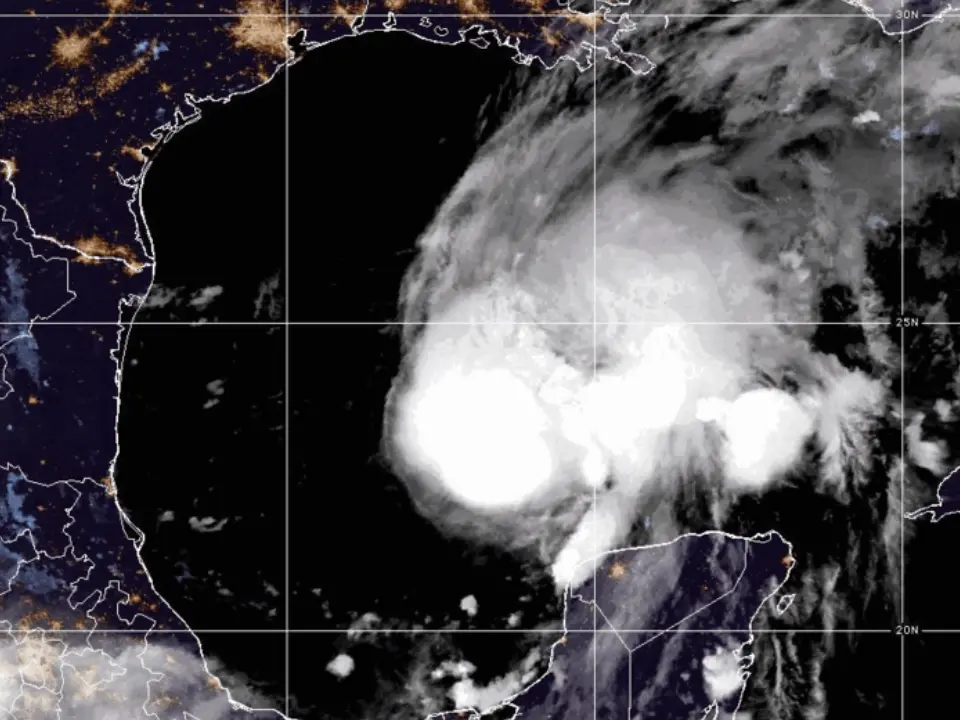
Isaias becomes a hurricane within 20 hours of forming, could spawn tornadoes
&imwidth=180&imheight=135&format=webp&quality=medium)
Veteran actor Nana Patekar dies at 75 after suffering cardiac arrest
&imwidth=180&imheight=135&format=webp&quality=medium)
Musk alleges ‘oligarchs’ blocking Starlink in India, here is what we know so far
&imwidth=180&imheight=135&format=webp&quality=medium)
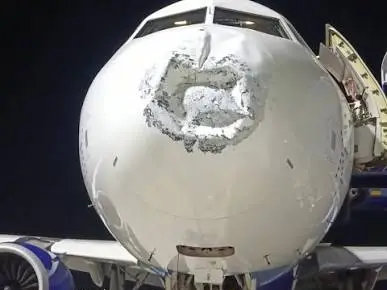
Lightning strikes IndiGo Patna-Lucknow flight at 17,000 feet, damages nose; all 110 safe
&imwidth=180&imheight=135&format=webp&quality=medium)
Mall of America attack: FBI arrests man over alleged ISIS-inspired mass shooting plot with AK-47 and 200 rounds
&imwidth=180&imheight=135&format=webp&quality=medium)
France holds talks with Taliban government amid diplomatic outreach
&imwidth=180&imheight=135&format=webp&quality=medium)
IndiGo flight struck by lightning at 17,000 feet, nose of Patna-Lucknow flight damaged
&imwidth=180&imheight=135&format=webp&quality=medium)
US readying to strike Iran? Report suggests Trump preparing to put on show of strength ahead of US midterms
&im=FitAndFill=(700,400)&imwidth=180&imheight=135&format=webp&quality=medium)
World’s top vehicle producers: Top 10 countries making the most cars. Check where India stands
&imwidth=180&imheight=135&format=webp&quality=medium)
Trump to honour Elon Musk, Sergey Brin and Jensen Huang with top science honour at White House. Check the full list here
&imwidth=180&imheight=135&format=webp&quality=medium)
'We don't think so': Trump says Russian plague lab worker's death not linked to bio-weapon
&imwidth=180&imheight=135&format=webp&quality=medium)
Sri Lankan Tamil worker gets death sentence in Saudi Arabia over blasphemy, calls for pardon intensify
&imwidth=180&imheight=135&format=webp&quality=medium)
France protests: How a Gen Z school movement turned into a political war | The Verdict
It includes a 3.1 per centpay hike for the troops, the largest in a decade and, for the first time, 12 weeks of paid parental leave for federal workers, something Democrats strongly sought.
Among other things, the proposed fiscal 2020 NDAA imposes sanctions related to Russia's Nord Stream 2 and TurkStream pipelines and bars military-to-military cooperation with Russia.
Russia is building the pipelines to bolster supply to Europe while bypassing Ukraine, and members of Congress have been pushing the Trump administration to do more to stop the projects as they near completion.
The NDAA also prohibits the transfer of F-35 stealth fighter jets, which Lockheed Martin Corp is developing, toTurkey. It expresses a sense of Congress thatTurkey's acquisition of Russia's S-400 missiledefencesystem, which Washington says it not compatible with NATOdefences and threatens the F-35, constitutes a significant transaction underUSsanctions law.
Thebillsays Trump should implement sanctions onTurkeyover the S-400 purchase, somethinglawmakershave been demanding.
The NDAA also reauthorizes $300 million of funding for the Ukraine Security Assistance Initiative, to include lethal defensive items as well as new authorities for coastaldefencecruise missiles and anti-ship missiles.
Military aid to Ukraine has been at the centre of the impeachment enquiry into Trump after his administration held up security assistance for Kiev last summer even as the countrydealt with challenges from Russia.
Fulfilling one of Trump's most high-profile requests, thebillestablishes theUSSpace Force as the sixth Armed Service of the United States, under the Air Force.
The legislation also contains a series of provisions intended to address potential threats fromChina, including requiring reports onChina's overseas investments and its military relations with Russia.
It bars the use of federal funds to buy rail cars and buses fromChina, and it says Congress "unequivocally supports" residents of Hong Kong as they defend their rights and seek to preserve their autonomy withChina. It also supports improving Taiwan'sdefencecapabilities.
The NDAA calls for a sweeping approach to North Korea's nuclear weapons development, as well as the threat it poses toUSforces on the Korean peninsula and allies in the region.
It putsmandatory sanctions on North Korean imports and exports of coal and other minerals and textiles, as well as some petroleum products and crude oil, and it putsadditional sanctions on banks thatdealwith North Korea.
Thebillalso bars the Pentagon from reducing the number of troops deployed to South Korea below 28,500 unless the Secretary ofDefencecertifies that it is in theUSnational security interest to do so.