Trump scraps landmark ruling that empowers US govt to regulate climate rules: Here's what it means

&imwidth=600&imheight=450&format=webp&quality=medium "Trump scraps landmark ruling that empowers US govt to regulate climate rules: Here's what it means")
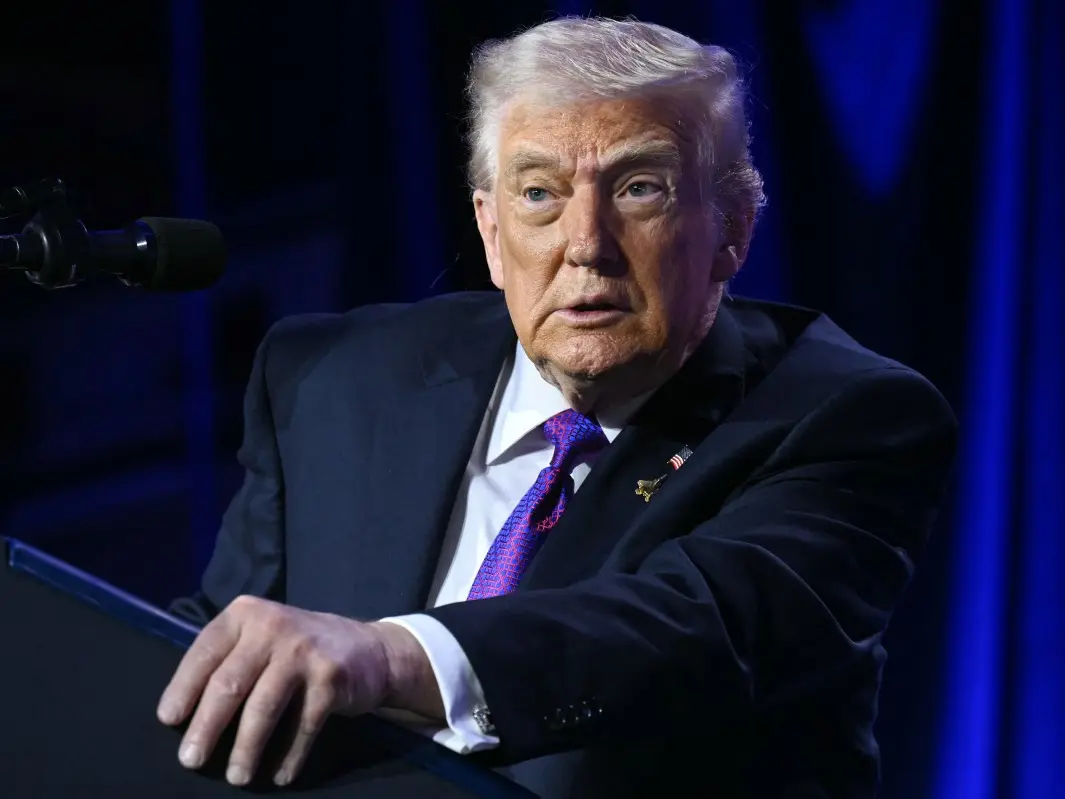
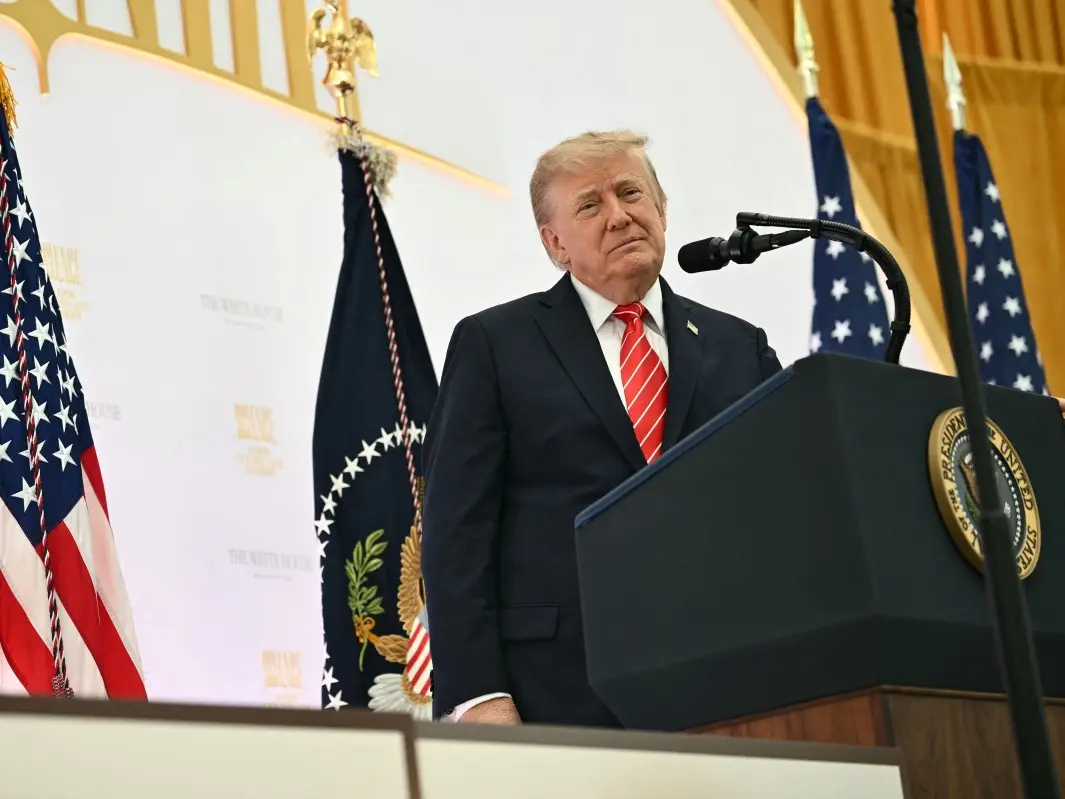
File photo of US President Donald Trump. Photograph: (AFP)
After Donald Trump's decision, the White House described it as the “largest deregulation in American history,” and it argued that it would lower vehicle prices by reducing compliance costs by about $2,400 per car for automakers.
US President Donald Trump has overturned a significant scientific ruling which was introduced during the Obama administration that forms the foundation of federal actions to curb planet-warming emissions. The 2009 "endangerment finding" concluded that several greenhouse gases pose a risk to public health and has since served as the legal basis for regulating emissions, particularly from vehicles.
The White House described the decision as the “largest deregulation in American history,” arguing that it would lower vehicle prices by reducing compliance costs for automakers by about $2,400 per car. Environmental organisations, however, say the move represents the most sweeping rollback of US climate policy to date and have indicated they will challenge it in court.
While addressing the Oval Office on Thursday, US President Donald Trump stated that the ruling in 2009 was "a disastrous Obama era policy that severely damaged the American auto industry and massively drove up prices for American consumers". "This radical rule became the legal foundation for the Green New Scam, one of the greatest scams in history," he added about the Democrats' climate agenda, BBC reported.
In response, former President Barack Obama stated that overturning the finding would make Americans more vulnerable. "Without it, we'll be less safe, less healthy and less able to fight climate change — all so the fossil fuel industry can make even more money," he said in a post on X.
The Environmental Protection Agency (EPA) first stance
The Environmental Protection Agency (EPA) first took a stance on the impacts of greenhouse gases in 2009, in the first year of Obama's first term. The agency decided that six key planet-warming greenhouse gases, including carbon dioxide and methane, were a danger to human health.
Trending Stories
&imwidth=280&imheight=210&format=webp&quality=medium)
&imwidth=280&imheight=210&format=webp&quality=medium)
&imwidth=280&imheight=210&format=webp&quality=medium)
&imwidth=280&imheight=210&format=webp&quality=medium)
&imwidth=280&imheight=210&format=webp&quality=medium)
&imwidth=280&imheight=210&format=webp&quality=medium)
&im=FitAndFill=(700,400)&imwidth=280&imheight=210&format=webp&quality=medium)
&imwidth=280&imheight=210&format=webp&quality=medium)
&imwidth=280&imheight=210&format=webp&quality=medium)
&imwidth=280&imheight=210&format=webp&quality=medium)
&imwidth=280&imheight=210&format=webp&quality=medium)
&imwidth=280&imheight=210&format=webp&quality=medium)
&imwidth=280&imheight=210&format=webp&quality=medium)
&imwidth=280&imheight=210&format=webp&quality=medium)
&imwidth=280&imheight=210&format=webp&quality=medium)
&imwidth=280&imheight=210&format=webp&quality=medium)
&imwidth=280&imheight=210&format=webp&quality=medium)
&imwidth=280&imheight=210&format=webp&quality=medium)
&imwidth=280&imheight=210&format=webp&quality=medium)
&imwidth=280&imheight=210&format=webp&quality=medium)
&im=FitAndFill=(700,400)&imwidth=280&imheight=210&format=webp&quality=medium)
&imwidth=280&imheight=210&format=webp&quality=medium)
&imwidth=280&imheight=210&format=webp&quality=medium)
&imwidth=280&imheight=210&format=webp&quality=medium)
&imwidth=280&imheight=210&format=webp&quality=medium)
&imwidth=280&imheight=210&format=webp&quality=medium)
&imwidth=280&imheight=210&format=webp&quality=medium)
&imwidth=280&imheight=210&format=webp&quality=medium)
&imwidth=280&imheight=210&format=webp&quality=medium)
&imwidth=280&imheight=210&format=webp&quality=medium)
&im=FitAndFill=(700,400)&imwidth=280&imheight=210&format=webp&quality=medium)
&imwidth=280&imheight=210&format=webp&quality=medium)
&imwidth=280&imheight=210&format=webp&quality=medium)
&imwidth=280&imheight=210&format=webp&quality=medium)
&imwidth=280&imheight=210&format=webp&quality=medium)
&imwidth=280&imheight=210&format=webp&quality=medium)
&imwidth=280&imheight=210&format=webp&quality=medium)
The first instance by the Environmental Protection Agency (EPA) on the impacts of greenhouse gases was initiated in 2009 when Obama was serving its first term. The agency noted that six key planet-warming greenhouse gases, which include carbon dioxide and methane, were a danger to human health.
With Congress split and unable to pass laws addressing rising global temperatures, the EPA’s determination became the cornerstone of federal action to curb emissions in the years that followed. "The endangerment finding has really served as the lynchpin of US regulation of greenhouse gases," said Meghan Greenfield, a former EPA and Department of Justice attorney, BBC reported.
"So that includes motor vehicles, but it also includes power plants, the oil and gas sector, methane from landfills, and even aircraft. So it really runs the gamut, all of the standards for each of the sectors are premised on this one thing," he added.
Officials from the Trump administration argue that repealing the regulation will generate savings of more than $1 trillion and help lower energy and transportation costs. The White House has said the move would cut expenses for car manufacturers by about $2,400 per vehicle.
Diana Furchtgott-Roth, serving in the US Department of Transportation during the first Trump term, stated that these regulations have been an economic strain. "The burden on the economy results in higher prices, and manufacturing has left. It's gone to China, where it's made in a dirtier way," she told the BBC.
"So to say that we're reducing global emissions by ending energy-intensive manufacturing in some countries, then having it go to China and India, where it's made in a dirtier way, does not reduce global emissions." Several environmentalists are sceptical about the future cost savings being touted by the administration of Trump.
In a nutshell, the move goes beyond routine regulatory changes and represents a major shift in US climate policy. Trump, who has repeatedly dismissed climate change as a “hoax” and a “scam,” has overseen a series of rollbacks targeting environmental protections since returning to office. However, the repeal of the endangerment finding strikes at the core legal framework that enabled federal climate action for over a decade.

