'Threat of new militarism...': Japanese man posing as soldier storms Chinese embassy in Tokyo, sparks strong protest from Beijing

&imwidth=600&imheight=450&format=webp&quality=medium "'Threat of new militarism...': Japanese man posing as soldier storms Chinese embassy in Tokyo, sparks strong protest from Beijing")
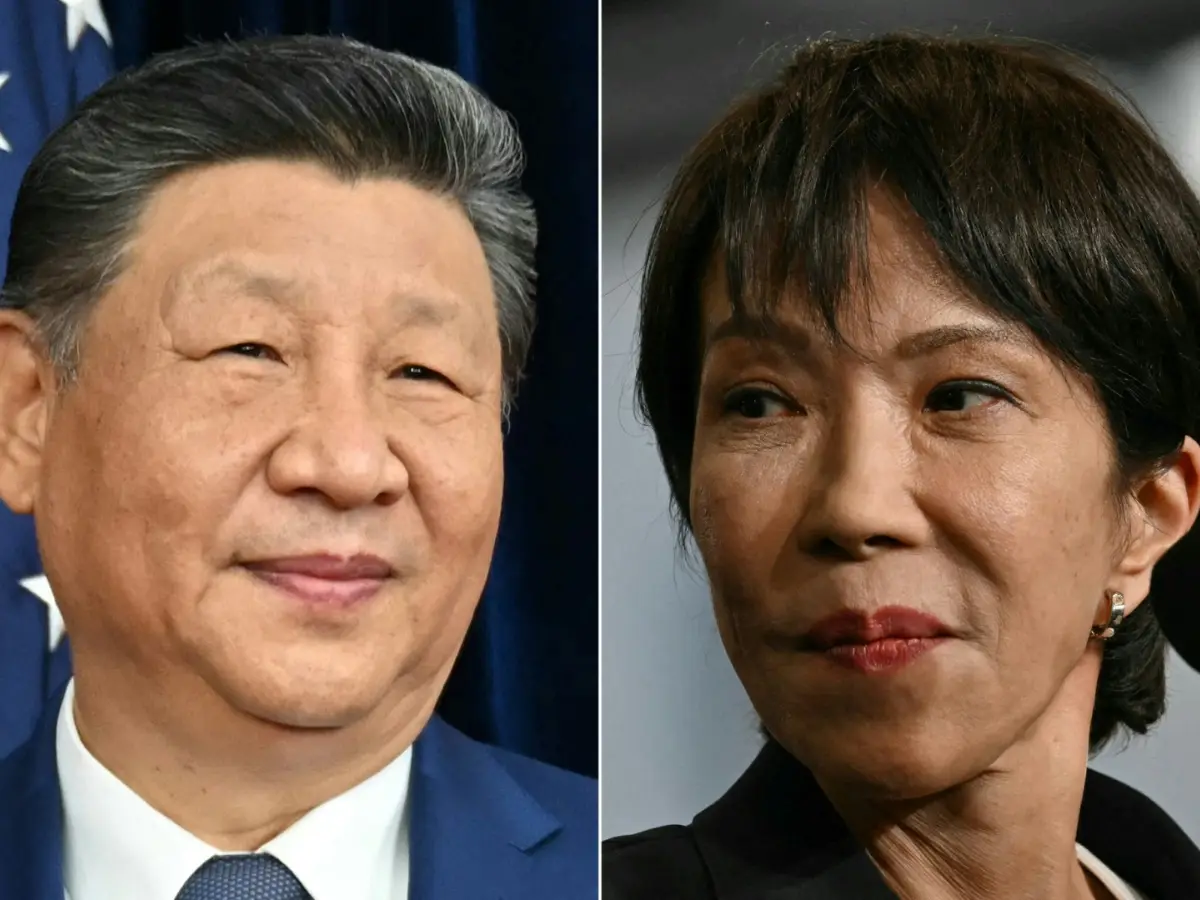
A combination image of Chinese President Xi Jinping and Japan's PM Sanae Takaichi Photograph: (AFP)
China condemned a breach at its embassy in Tokyo by a person claiming to be a Japan Self-Defense Forces officer, calling it a serious diplomatic violation. China lodged a strong protest, as tensions with Japan escalate over security and Taiwan-related remarks.
An individual claiming to be an active-duty officer of Japan's Self-Defense Forces reportedly scaled the wall and forcibly entered the Chinese embassy in Japan on Tuesday (Mar 24), prompting the Chinese foreign ministry to issue a sharp reaction. Speaking at a news briefing in Beijing, Chinese Foreign Ministry spokesman Lin Jian expressed his country's deep shock over the incident and informed that China has lodged a strong protest with the Japanese side. The ministry did not reveal the identify of the person or their gender.
Stating that the incident threatens the personal safety of Chinese diplomatic personnel and the security of diplomatic facilities in Japan, he slammed the Japanese government, claiming that “erroneous policies” of the Takaichi-led government is the major cause of concern in the Sino-Japanese relations. Jian said that the case reflected the rampant growth of far-right thinking and forces in Japan, adding that the resurgence of militarism had become a serious danger.
“China is deeply shocked by this incident and has lodged a strong protest with Japan. The person admitted to the illegality of their actions and threatened to kill Chinese diplomatic personnel in the name of god," Jian said. The nature and impact of the incident were “extremely egregious”, Lin added. “It seriously violates the Vienna Convention on Diplomatic Relations, severely threatens the personal safety of Chinese diplomatic personnel and the security of diplomatic facilities. The incident once again reflects the rampant far-right ideology and forces within Japan and the growing threat of new militarism. It exposes the deep-seated pernicious influence of the Japanese government’s erroneous policies on major core issues concerning Sino-Japanese relations, such as history and Taiwan," he also said.
China and Japan tensions
Trending Stories
)
)
)
)
)
)
)
)
)
)
)
)
)
)
)
)
)
)
&im=FitAndFill=(700,400))
)
)
)
&im=FitAndFill=(700,400))
)
&im=FitAndFill=(700,400))
&im=FitAndFill=(700,400))
)
China and Japan have been embroiled diplomatic faceoff after Japanese Prime Minister Sanae Takaichi linked a hypothetical Taiwan contingency with the possible deployment of Japanese forces. On Nov 14, 2025, Takaichi was asked by an opposition lawmaker in parliament about “survival-threatening situations.” In response, Takaichi gave an example that an attempt to bring Taiwan completely under the control of Beijing using battleships and military force could constitute such a situation. The term ‘survival-threatening situation’ used by Japanese PM refers to a situation where an armed attack on a foreign country closely related to Japan poses a threat to Japan's survival and clearly endangers the fundamental rights of the Japanese people. In such a situation, according to Japanese law, the country can deploy the Japan Self-Defense Forces (JSDF) to defend under the right of collective self-defence.
Beijing reacted sharply to Takaichi's remark, and termed it as direct challenge to its sovereignty. In a diplomatic fall-out, Japan returned last two giant pandas to China in early 2026. China reinstated a ban on Japanese seafood imports and issued travel warnings citing safety risks, leading to the cancellation of nearly 500,000 flight bookings. According to a report, Chinese visitors to Japan plummeted 60.7 per cent year-on-year in January 2026. Beijing raised the issue in the UN and demanded Takaichi's apology as well as urged the Japanese government to take back the statement.

