
&imwidth=800&imheight=600&format=webp&quality=medium "China and Japan embroiled in major diplomatic war over Taiwan – What triggered it and what's happening now")
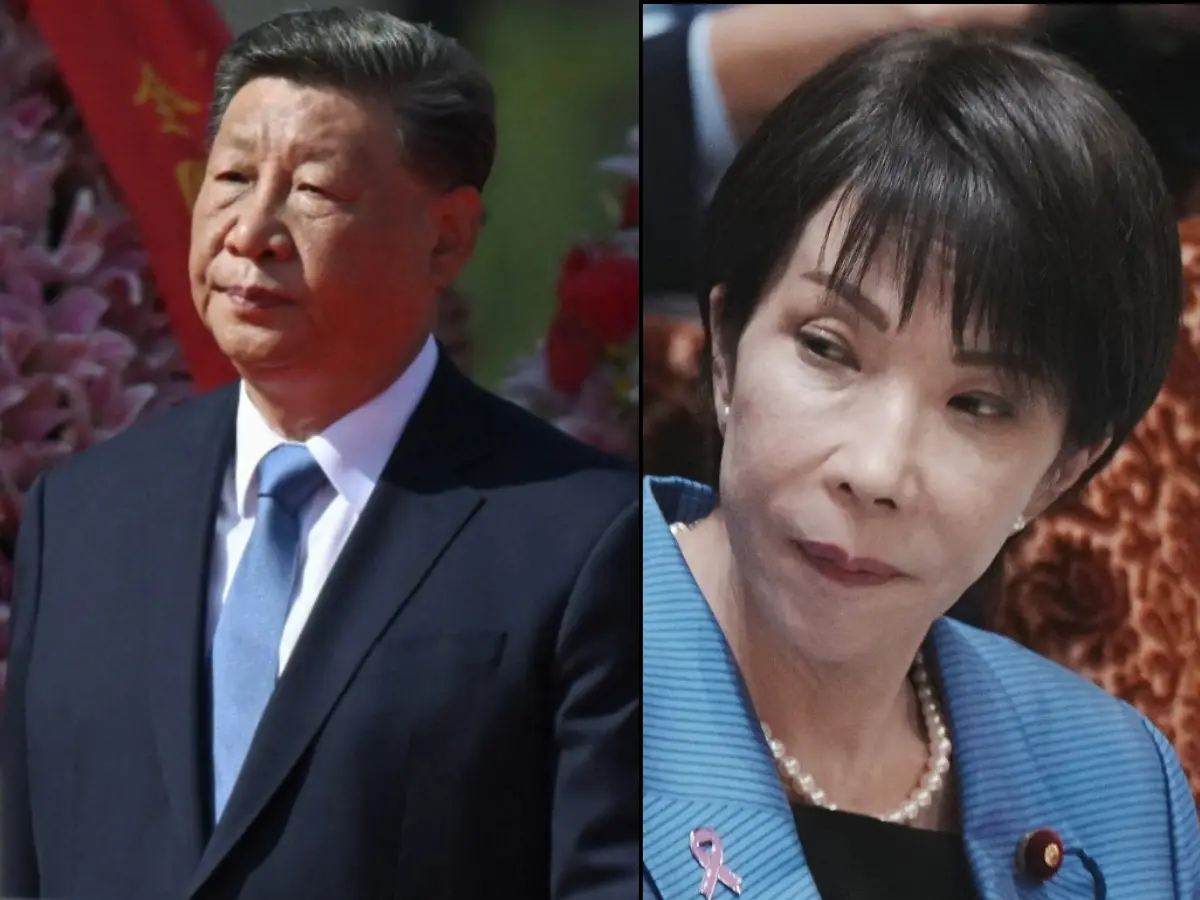
A major diplomatic fallout has erupted between China and Japan — the most serious in years — after Japan's new Prime Minister Sanae Takaichi issued a controversial 'Taiwan statement' in parliament. The Chinese have taken sharp objection to the statement by Takaichi, highlighting their "sovereignty" over Taiwan. While the Japanese PM is clear that she won't take back her statement, Beijing has decided to hit Tokyo in all diplomatic ways possible. As far as history is concerned, Taiwan was ruled by Japan until World War II. Post the war, the control shifted to the Republic of China (ROC). The ROC retreated to Taiwan following its defeat by Communist forces, who established the People’s Republic of China (PRC) on the mainland. Today, the PRC claims Taiwan, and any conflict over the island could draw in regional powers like Japan due to its strategic location and US military presence.
What was Takaichi's statement?
On Nov 14, Takaichi was asked by an opposition lawmaker in parliament about “survival-threatening situations.” In response, Takaichi gave an example that an attempt to bring Taiwan completely under the control of Beijing using battleships and military force could constitute such a situation. She also added that an attack on US warships sent to break any Chinese blockade on Taiwan could require Tokyo to intervene militarily to defend itself and its ally.

What is the meaning of ‘survival-threatening situations’?
The term ‘survival-threatening situation’ used by Japanese Prime Minister Takaichi refers to a specific legal term in Japanese law that was made under the 2015 security legislation. It describes a situation where an armed attack on a foreign country closely related to Japan poses a threat to Japan's survival and clearly endangers the fundamental rights of the Japanese people. Under the law, the Japan Self-Defense Forces (JSDF) can retaliate alongside the US and other nations based on their right of collective self-defence, even if Japan itself is not under attack. To make the law effective, three conditions must be met: first, an armed attack occurs against a country closely related to Japan; second, there is a clear danger to Japan’s existence; and third, there are no other appropriate means available. When these conditions are met, the government will resort to the “minimum necessary use of force.”
Where is Taiwan located?
Trending Stories
)
The Early Spring is proof not everyone can talk about their real feelings, and it is perfectly OK
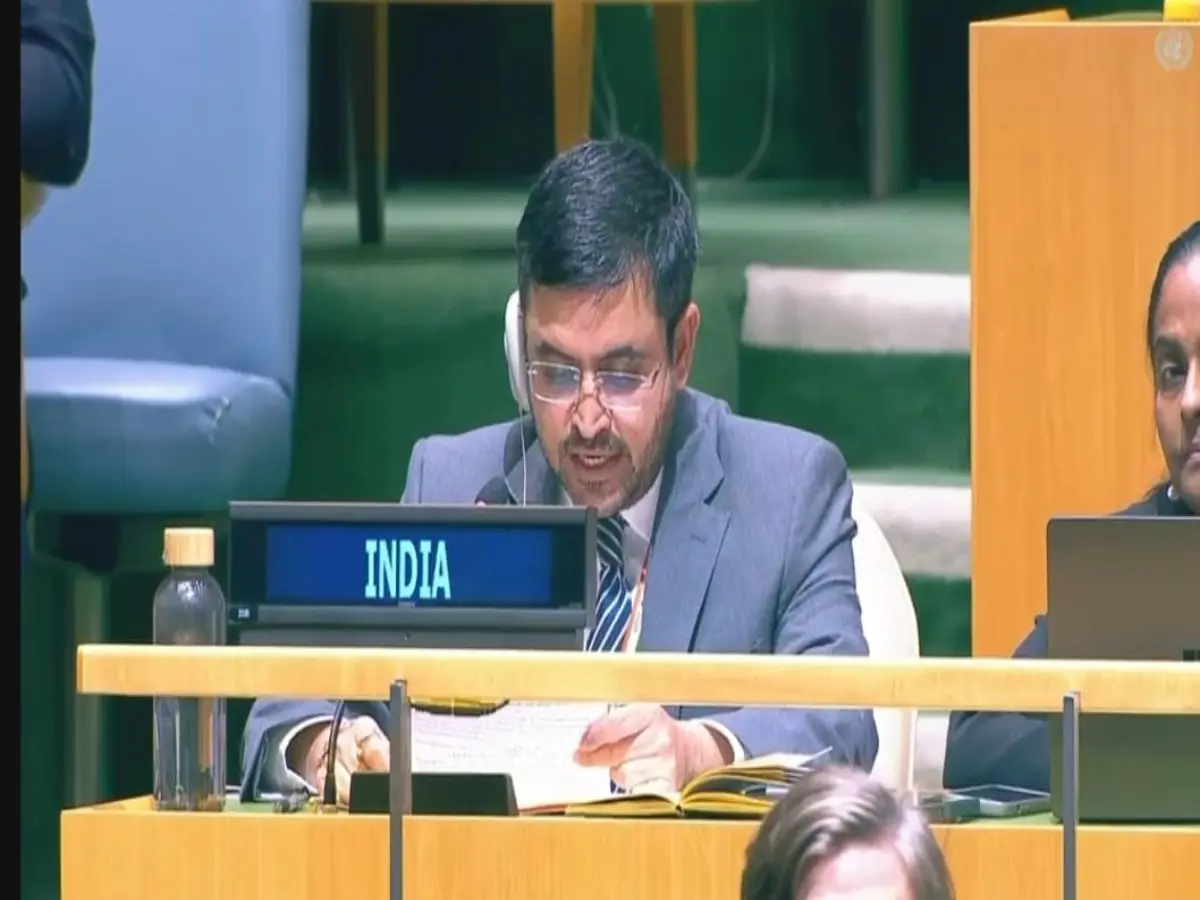)
UN votes to ‘correct the map’ as India backs fairer world view
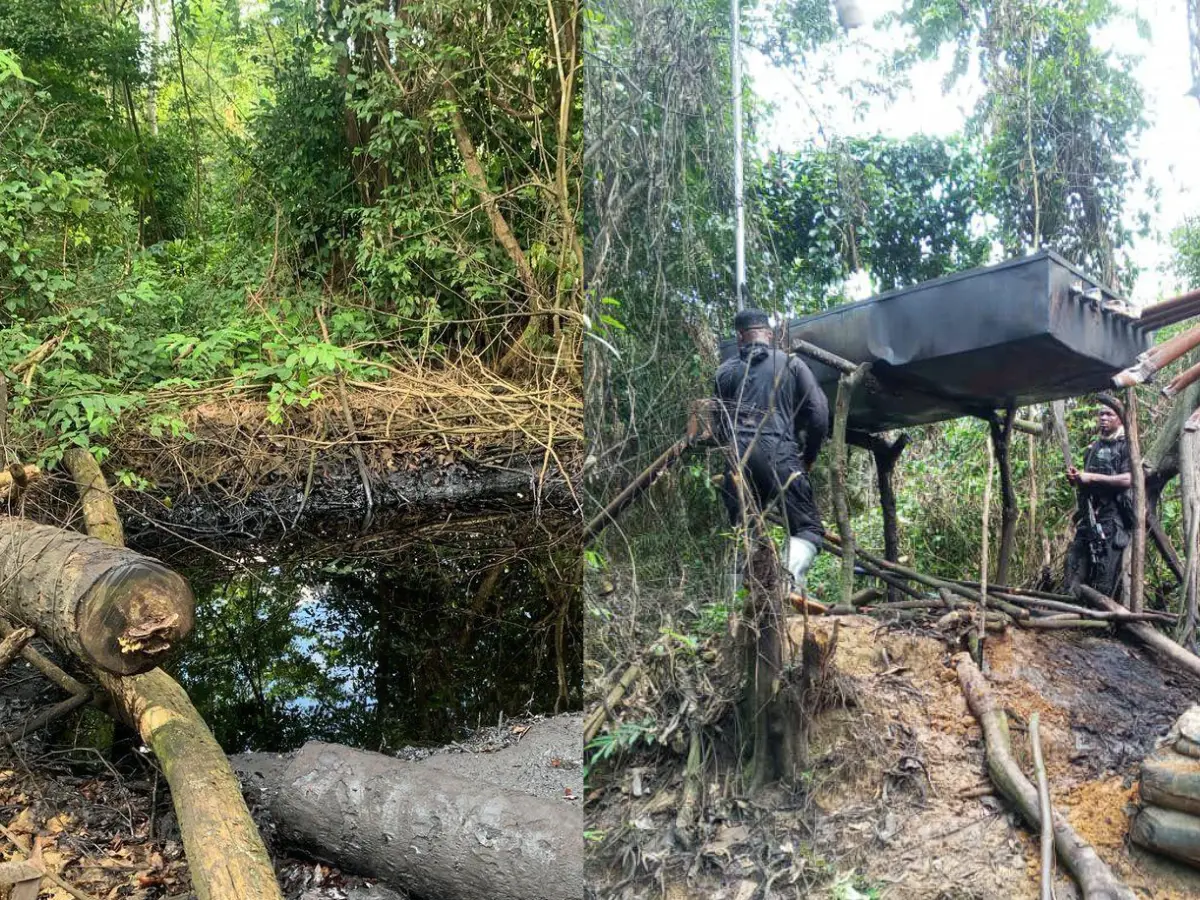)
Nigerian Navy discovers 99,000 litres of suspected stolen, illegally refined products as it intensifies anti-crude oil theft operations
)
Who is Aditi Paudel? 17-year-old becomes Japan's first literacy ambassador
)
Bengaluru: Officials find 40 kg expired chilli at chairman's club
)
Jaishankar rejects trade link to ending Ukraine war
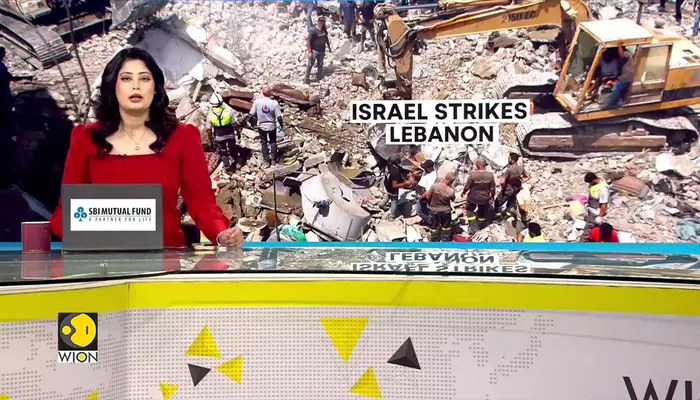)
Israeli strikes on Lebanon kill three, injure 23 despite truce
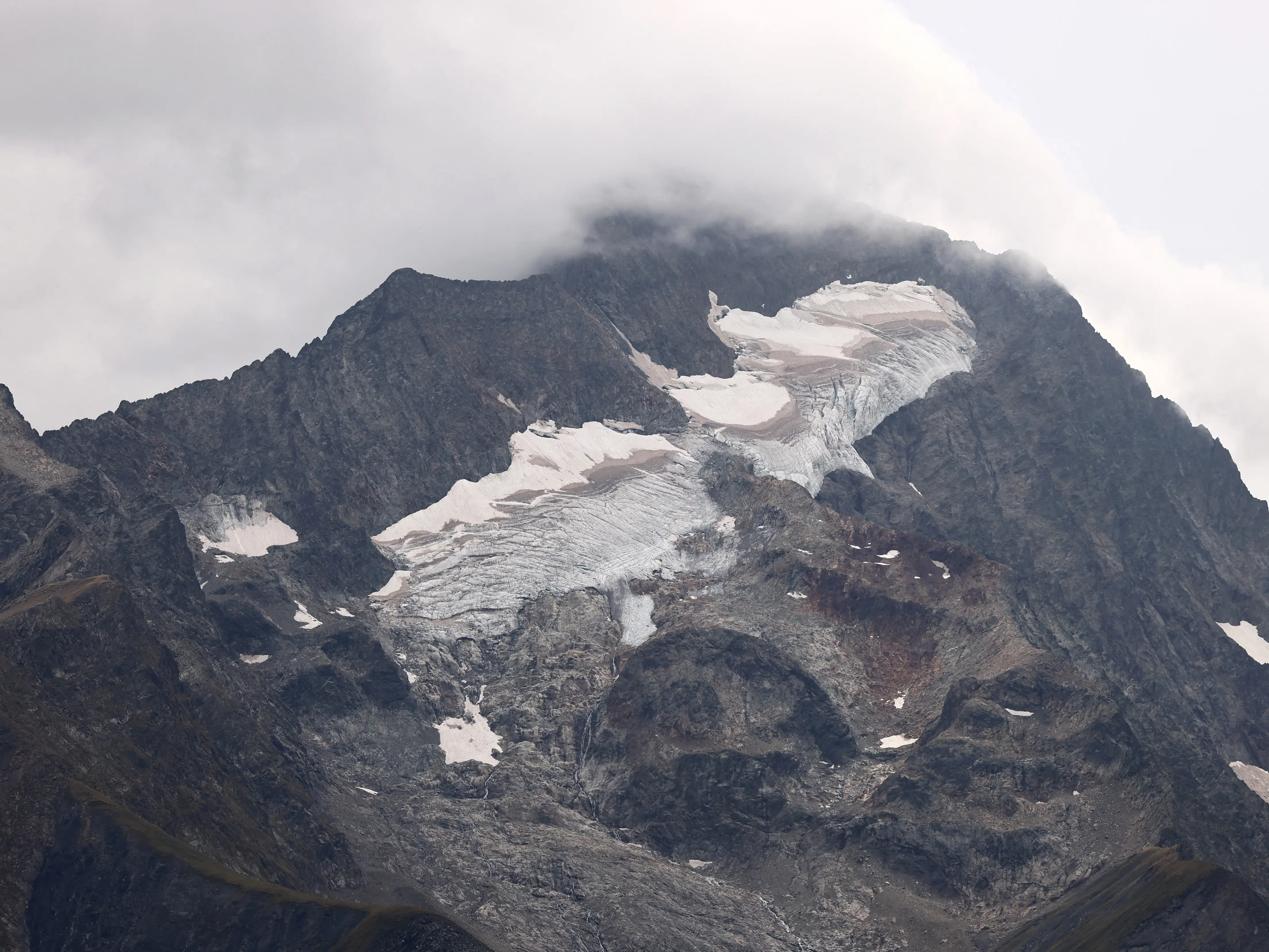)
Alpine glacier was covered with sheep wool sheets to prevent melting. It worked
)
South Korea mulls deploying military assets to Strait of Hormuz
)
World's fifth-largest economy, British army can't afford to train
)
Breaking | Vance takes the podium: First White House briefing since Leavitt's exit
)
Taiwan raises 'concerns' over China's missile test
)
BRICS 2026: $1 trillion sovereign capital set to converge in Delhi for first iBRICS Summit
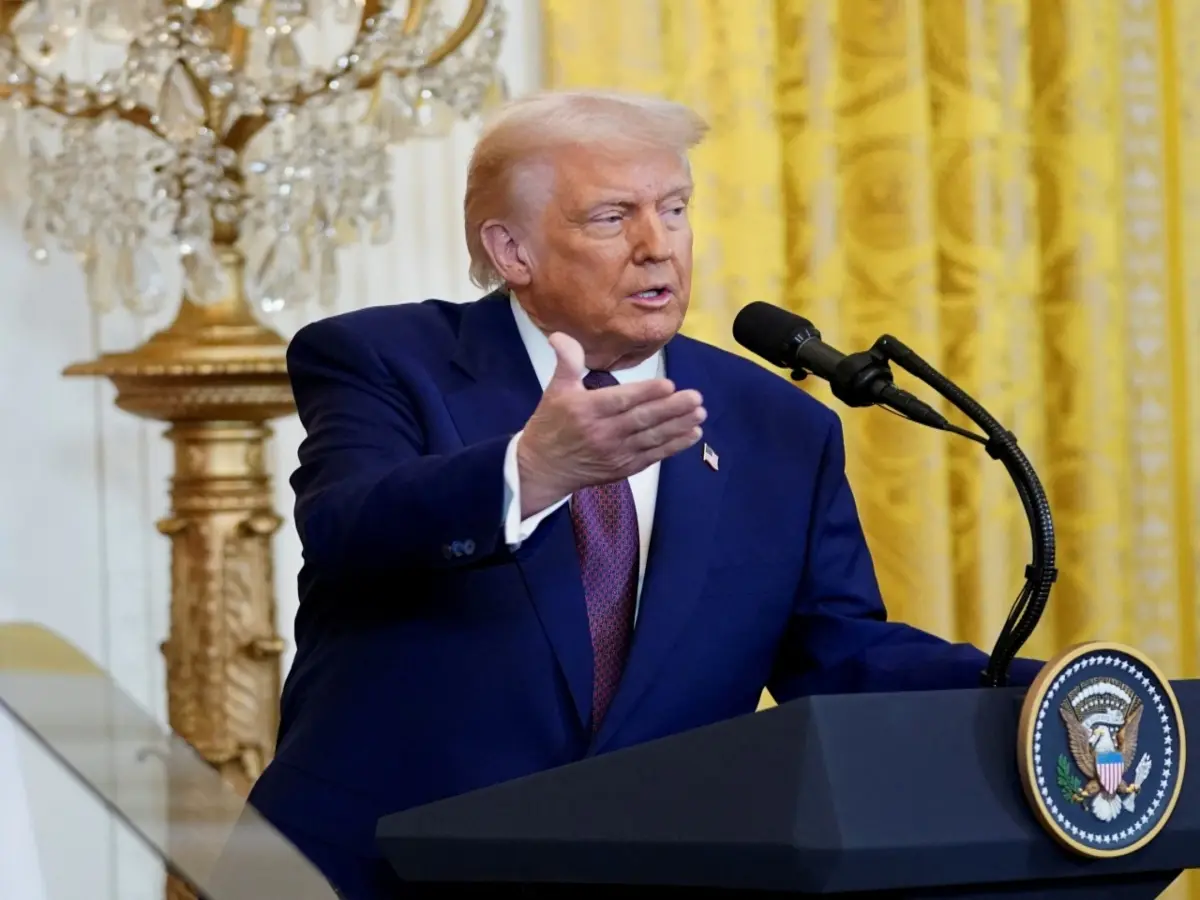)
What is Iran's Pickaxe Mountain that Trump has again threatened to bomb?
)
UN votes to correct world map that visually shrank Africa for 450 years
)
Former NewJeans member Danielle launches YouTube channel, hints at new solo journey
)
Bangladesh batter Towhid Hridoy creates history with 350 not out in South Africa
)
Brendan Fraser’s transformation fuels The Mummy 4 excitement as fans welcome back Rick O’Connell
&im=FitAndFill=(700,400))
Krishna Janmashtami 2026: From Dhaniya Panjiri to Makhana Kheer- 5 best sweet dishes perfect for celebrating Lord Krishna’s birth
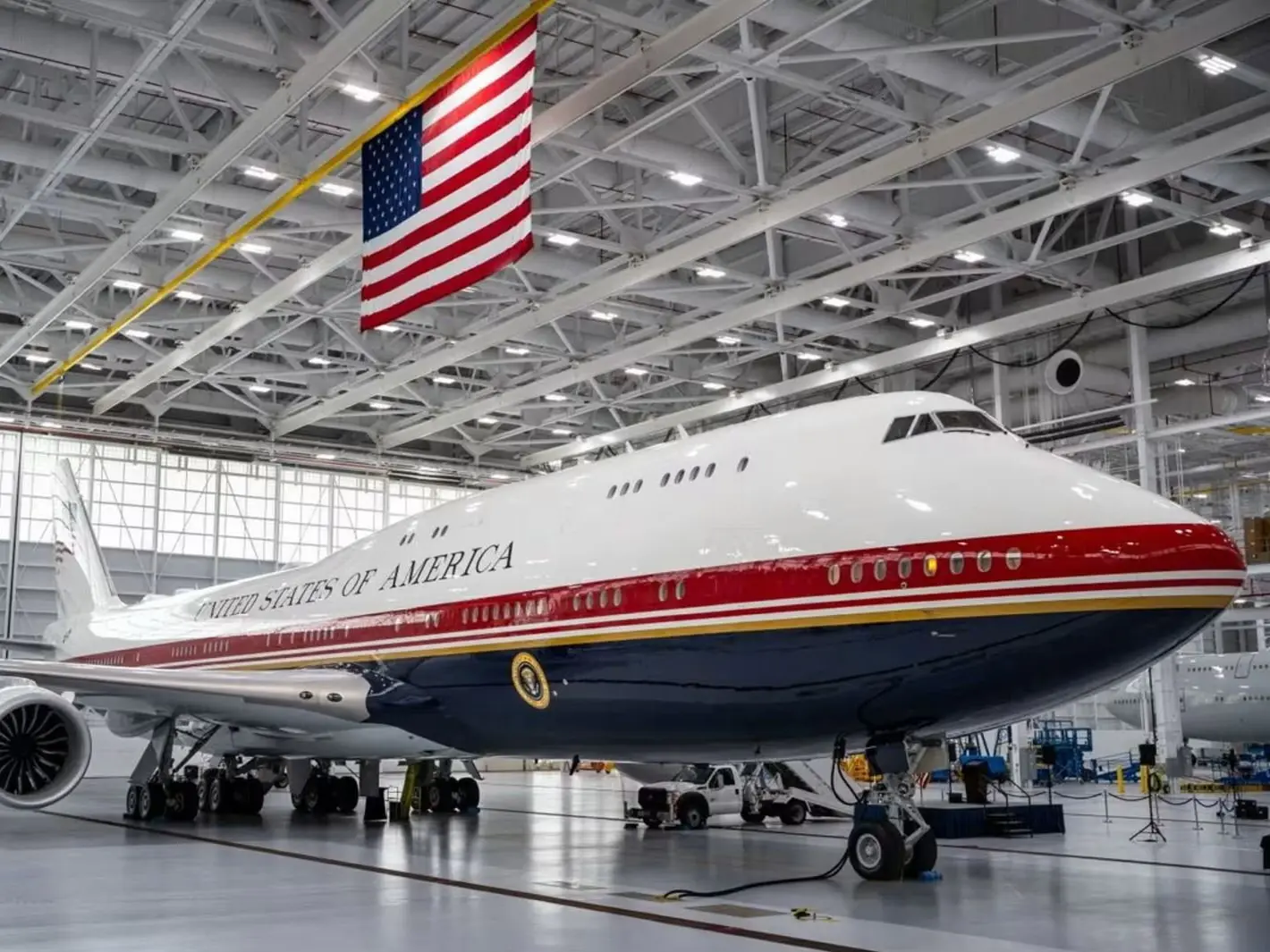)
Donald Trump plans to travel to Ireland on Qatari-donated jet amid security concerns
)
Nazi-looted art to return to Jewish heirs
)
Eight killed in Kerala’s Thrissur after car rams into lorry parked on highway
&im=FitAndFill=(700,400))
Why Russian fighter jets use bulky, low-pressure tyres compared to US jets
)
FBI-wanted fraud accused arrested in Jalandhar over $600,000 scam
&im=FitAndFill=(700,400))
Why US tanks weigh over 20 tons more than Russian tanks
&im=FitAndFill=(700,400))
New Friday OTT releases (September 4, 2026): GDN, Dhamaal 4, Jagamae Sangeetham- Watch 6 new movies and TV shows on Netflix, Prime Video and more
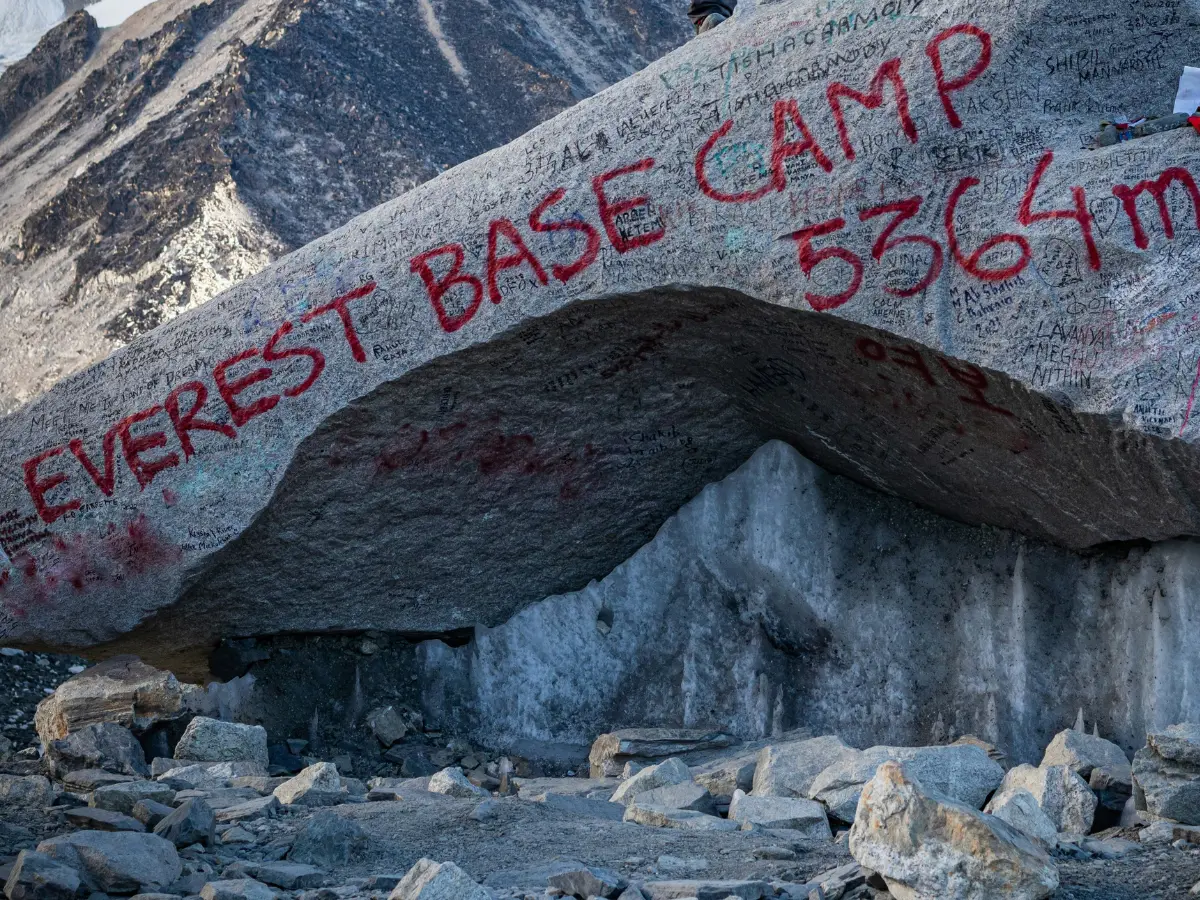)
Killing the Himalayas slowly: Human urine is melting a glacier on Mount Everest
Taiwan is an island located in East Asia, off the southeastern coast of China and just over 110 km (68 miles) from Japanese territory. It is about 110 km east of China’s Fujian province across the Taiwan Strait, southwest of Japan’s Ryukyu Islands and North of the Philippines. Its position makes it a key part of the First Island Chain. The waters around the island provide a vital sea route for trade that Tokyo depends on. Japan also hosts the largest contingent of US military overseas.
How China reacted?
Beijing reacted sharply to Takaichi's remark, and termed it as direct challenge to its sovereignty over Taiwan. The fallout has triggered a multisector freeze affecting air travel, tourism and student exchanges. China’s Coast Guard has launched “lawful patrol operations” near the contested Senkaku (Diaoyu) Islands - that is claimed by both China and Japan, even as Japan’s Coast Guard said it drove the vessels away. It issued a travel advisory urging Chinese citizens to avoid Japan, citing Takaichi's statement. Major Chinese airlines Air China, China Southern, and China Eastern — offered free changes or full refunds for Japan-bound trips. Moreover, Chinese distributors suspended Japanese film releases, including Crayon Shin-chan and Cells at Work! China’s education ministry also warned students of risks in studying in Japan. In response, Japan urged its nationals in China to be cautious, avoid crowds, and stay alert amid the worsening atmosphere.
What has Japan said after Chinese reaction?
Takaichi clarified that her comments were “hypothetical”, but refused to retract them. While China said that that Japanese PM should retract the ‘erroneous’ statement completely, Japanese leaders are of the opinion that China ‘overreacted.’ Japan's government has urged China to continue dialogue and scale back its response, with Chief Cabinet Secretary Minoru Kihara stating that China's travel warning was "incompatible" with the broader goal of promoting a mutually beneficial and stable relationship. Japanese officials also reaffirmed Japan's commitment to the 1972 agreement that "understands and respects" Beijing's position on Taiwan.
Takaichi-Xi Jinping meeting
Japan’s Takaichi met Chinese President Xi Jinping at the APEC Summit in Gyeongju last month and emphasised a desire for a “mutually beneficial” relationship and closer personal ties. In the meeting, the two leaders decided that China will work with Japan to uphold the principles and direction set out in the four China-Japan political documents, maintain the political foundation of the bilateral relations, move the strategic relationship of mutual benefit forward, and remain committed to building a constructive and stable China-Japan relationship fit for the new era. On the Taiwan question, two leaders agreed that Japan will abide by its position stated in the 1972 Japan-China Joint Statement. China claimed that under the treaty, Japanese recognised that “Government of the People's Republic of China as the sole legal Government of China” and that “the Government of the People's Republic of China reiterates that Taiwan is an inalienable part of the territory of the People's Republic of China.”

