India-Japan critical minerals pact: How partnership aims to de-risk supply chains of both nations

&imwidth=600&imheight=450&format=webp&quality=medium "India-Japan critical minerals pact: How partnership aims to de-risk supply chains of both nations")
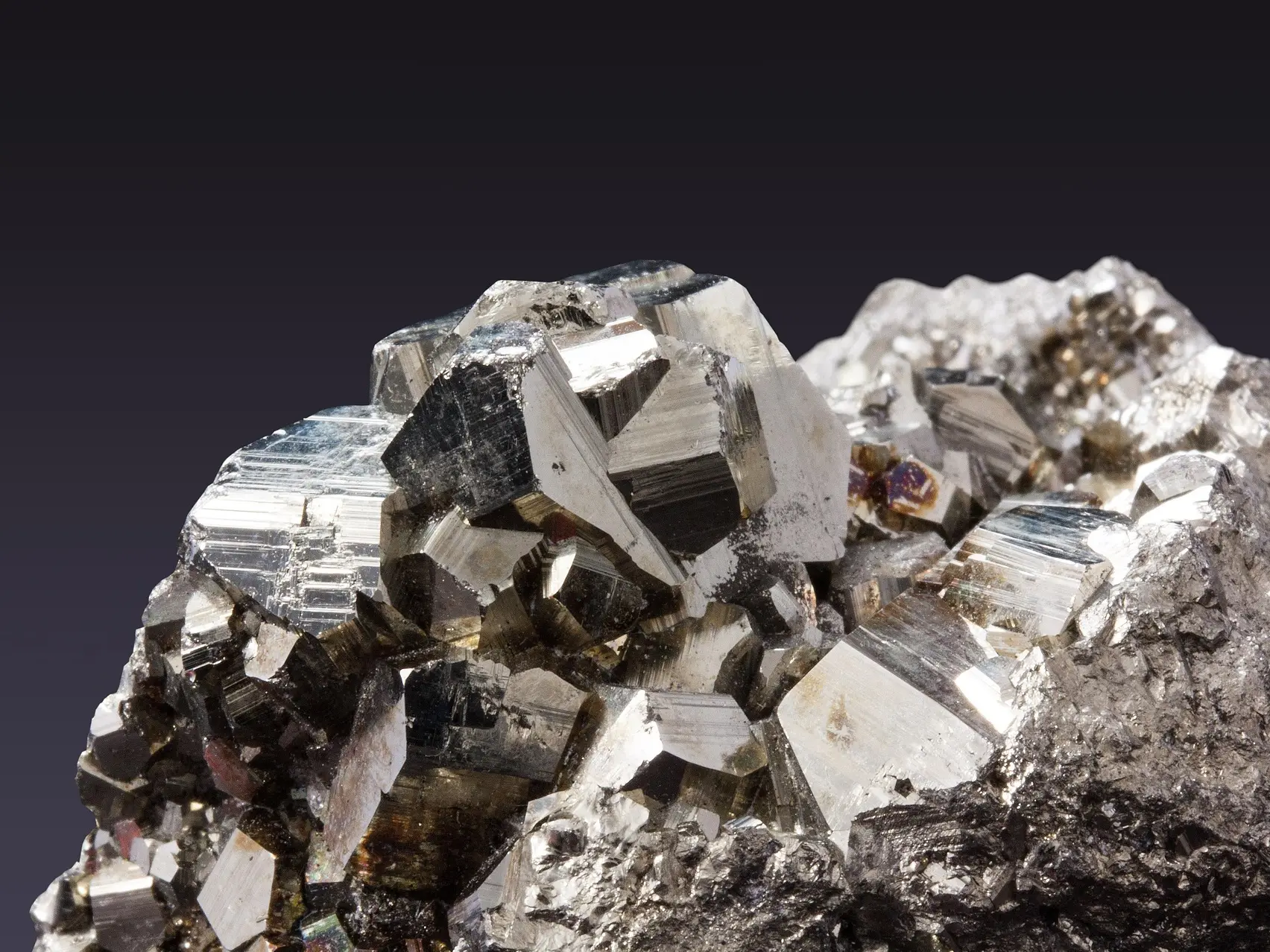
Representative image. Photograph: (Pixabay)
The critical mineral security partnership between both nations has emerged as a cornerstone of Indo-Pacific economic resilience, directly countering China's export restrictions on rare earth elements.
For decades, oil has shaped global geopolitics, forcing nations to secure crude supplies, as energy has always meant economic power, military strength and diplomatic leverage. However, today, critical minerals have outpaced oil. Instead of competing for oil reserves in West Asia, countries are now racing to secure supplies of lithium, cobalt, nickel and rare earth elements—minerals essential for electric vehicles, smartphones, wind turbines, missiles and advanced semiconductors.
In terms of India and Japan, the critical minerals have become a new race other than oil as both the nation has signed an MoU on critical minerals, batteries and AI. Critical minerals act as the foundational building blocks of modern technology, clean energy transitions, and national defence.
Why do these minerals matter?
Silicon, tellurium, and indium are essential for the photovoltaic cells in solar panels, while rare earth elements (like neodymium) are used to create the powerful permanent magnets inside wind turbines. Lithium, nickel, cobalt, manganese, and graphite are the backbone of lithium-ion batteries powering EVs and grid storage systems.
Similarly, rare earths, gallium, and germanium are mandatory for manufacturing semiconductors, microchips, LEDs, and smartphones. Whereas, minerals like titanium, beryllium, and tantalum are heavily relied upon to construct fighter jets, submarines, satellites, and precision weaponry. In addition, Copper and aluminium are vital for building and expanding electricity networks.
Also read: From blue waters to desert sands: All about India-Japan military ties and defence agreements
Trending Stories
)
)
)
)
)
)
)
)
)
)
)
)
)
)
)
)
)
)
)
)
)
)
)
)
)
)
)
)
)
)
)
)
)
)
&im=FitAndFill=(700,400))
)
)
)
)
Japan-India critical mineral security partnership
The critical mineral security partnership between both nations has emerged as a cornerstone of Indo-Pacific economic resilience, directly countering China's export restrictions on rare earth elements. Bolstered by frameworks like the Supply Chain Resilience Initiative (SCRI) and bilateral pacts, the collaboration secures the production pipelines for electric vehicles, defence hardware, and semiconductors.
India's wider reserves of lithium, cobalt, and copper merge with Japan’s advanced processing tech and financial capital, will help both the nation accomplishing to meet their need while making components for essential technological items. This strategic synergy ensures a stable, diversified supply of essential minerals, reducing supply-chain vulnerabilities and guaranteeing technological sovereignty for both democracies against geopolitical coercion.
Interestingly, India and Japan offer complementary advantages in the critical minerals sector. India has substantial reserves of several critical minerals and continues to discover new deposits, but it still lacks adequate large-scale refining and processing capacity.
Japan, by contrast, possesses advanced expertise in metallurgy, battery technology and high-end material processing, while having very limited domestic mineral resources. This creates a strong basis for cooperation between the two countries.
Under such a partnership, India can provide the mineral resources, while Japan can contribute technology, investment and manufacturing know-how to transform them into higher-value products. Rather than simply exporting raw ore, India aims to expand domestic refining and processing capabilities, and Japanese investment could play a significant role in accelerating that shift up the value chain.
Hence, the recent deal between India and Japan will pave the way to de-risk supply chains and reduce dependence on dominant single-source suppliers. Japan's advanced processing technology combined with capital and India's substantial raw reserves as well as manufacturing capacity will increasingly formalise wider Indo-Pacific and Quad security frameworks countering China's supply chain dominance.

