From blue waters to desert sands: All about India-Japan military ties and defence agreements

India and Japan have deepened defence ties through high-level dialogues, security agreements, and joint exercises, including Dharma Guardian, JIMEX, Malabar and Veer Guardian. Recent cooperation includes JMSDF's Yudachi, MILAN 2026, and UNICORN Mast technology transfer.
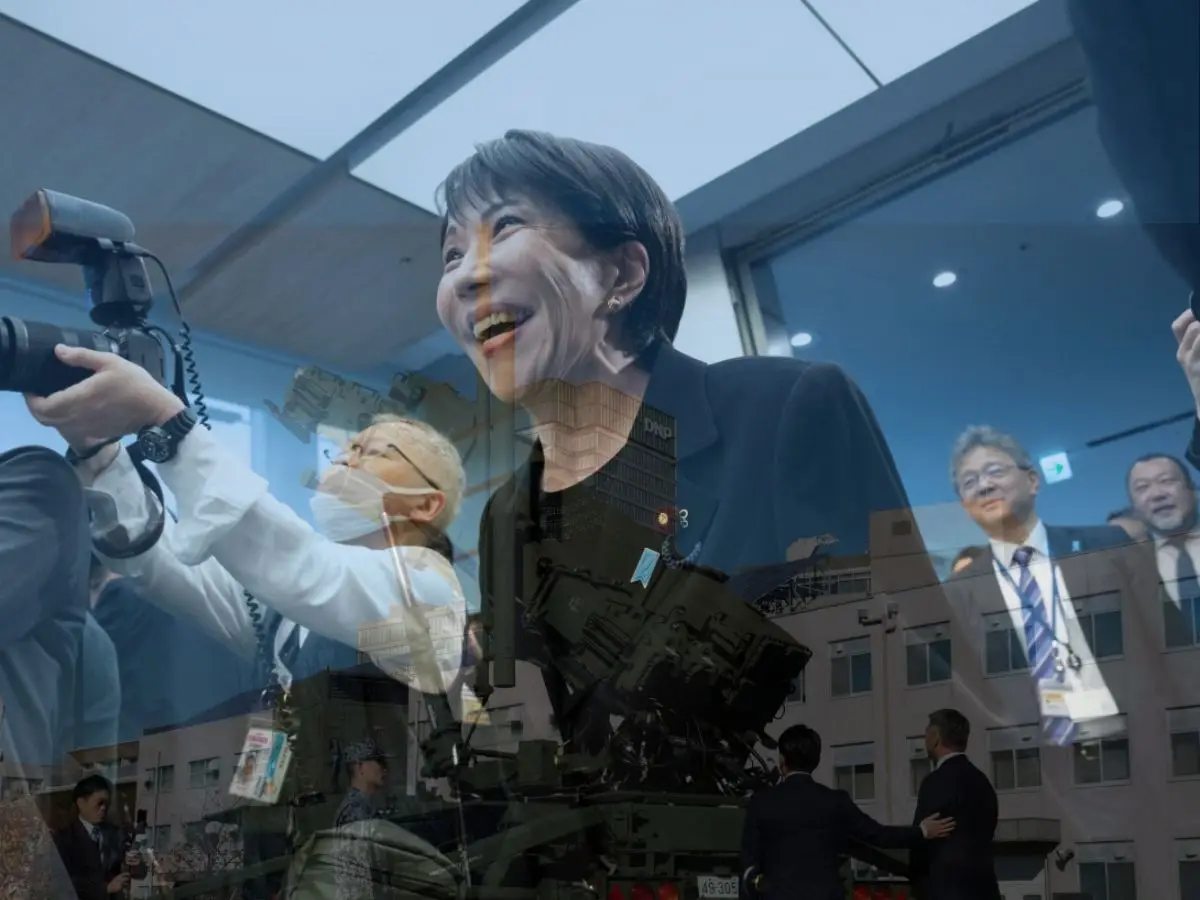
2+2 Foreign and Defence Ministers’ Meeting
India and Japan have consistently maintained high-level defence exchanges. In recent years, the 3rd 2+2 Foreign and Defence Ministers’ Meeting was held in August 2024, and later Japan’s former Defence Minister Gen Nakatani paid a visit to India for talks with Raksha Mantri in May 2025. In addition, the Joint Declaration on Security Cooperation was signed amid the Annual Summit in August 2025. Japan also participates in multiple bilateral exercises with India, including JAIMEX, Dharma Guardian, Veer Guardian, and bilateral Coast Guard Drills, along with multilateral exercises such as MALABAR and MILAN.
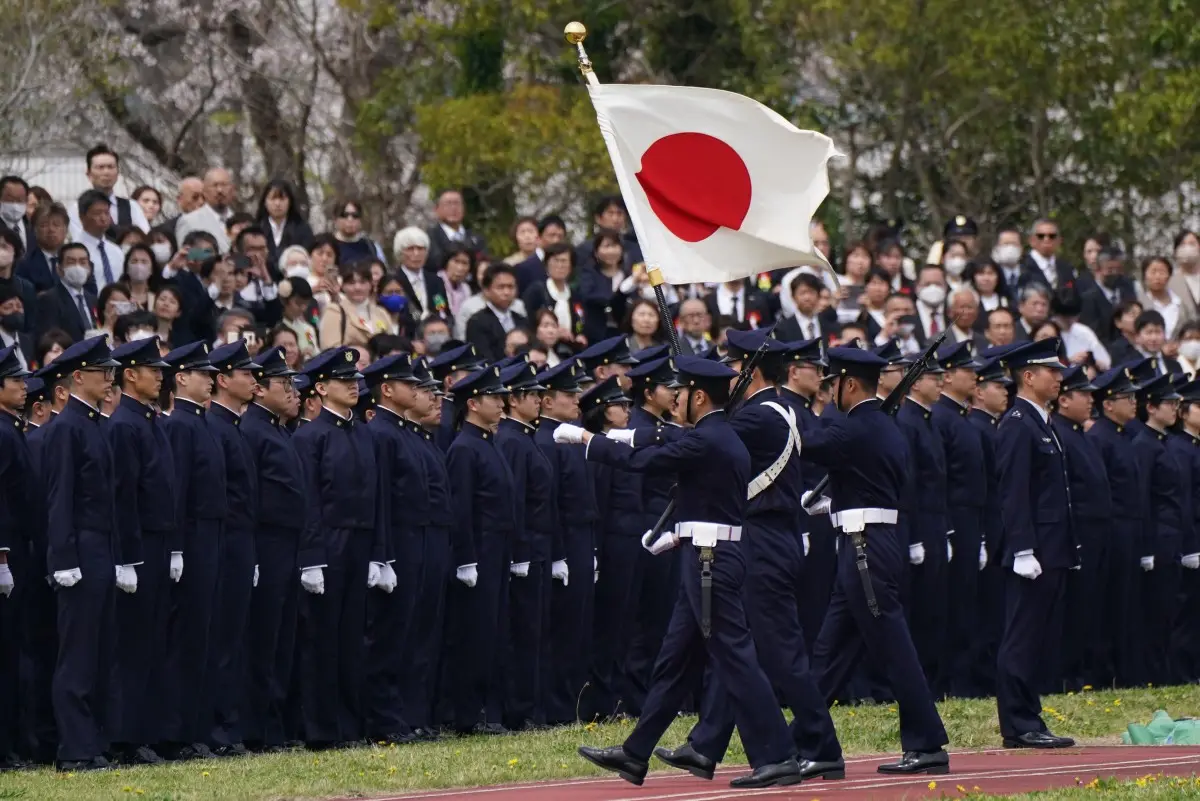
Army Exercise (Dharma Guardian)
This annual bilateral exercise serves as a major touchstone for land-force interoperability between the Indian Army and the Japan Ground Self-Defense Force (JGSDF). The training centres entirely on executing tactical counter-terrorism operations, building temporary bases, and refining house intervention drills.
Alternating host venues between the two nations, the 7th edition was conducted at the high-altitude, rugged terrain of Chaubattia in Uttarakhand, simulating real-world operational constraints.
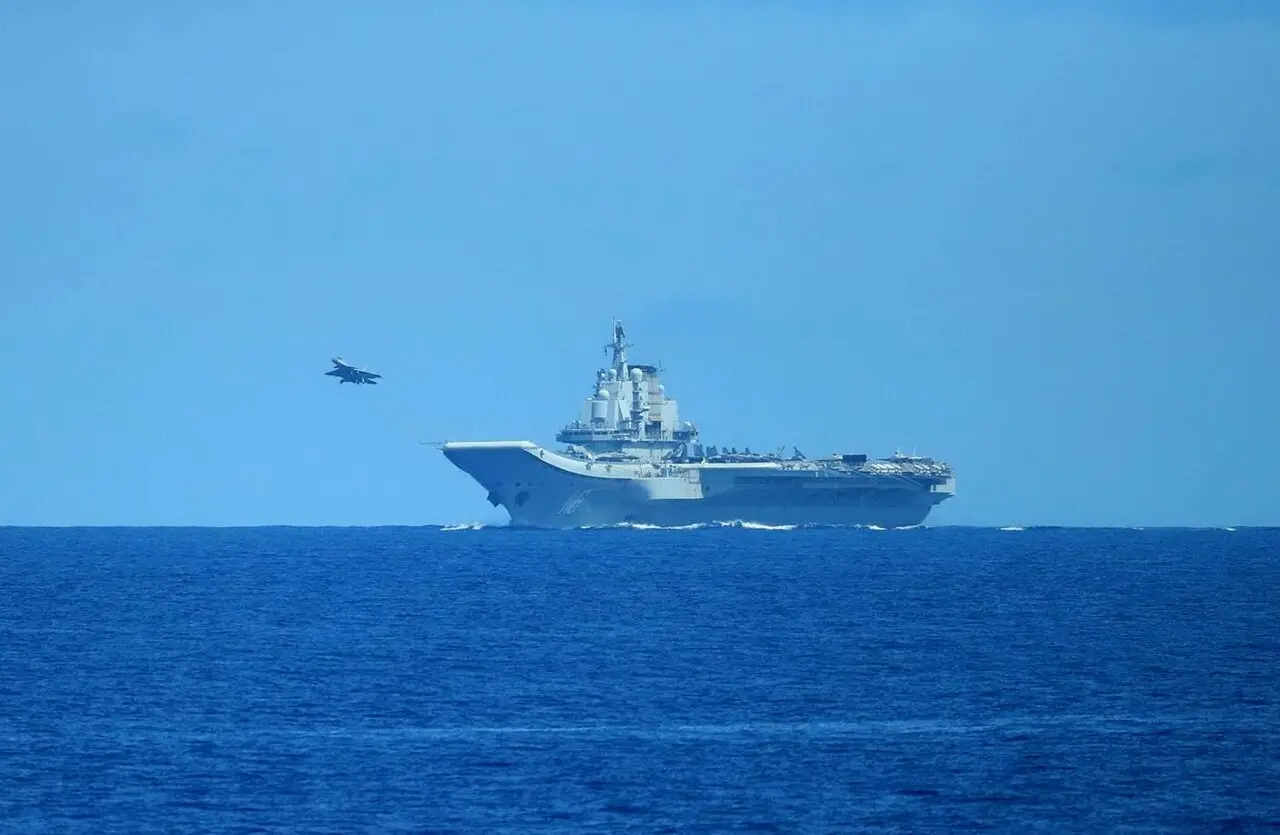
JIMEX (Japan-India Maritime Exercise):
A high-tempo bilateral naval engagement that underscores the deepening maritime synergy between the Indian Navy and the Japan Maritime Self-Defense Force (JMSDF). The multi-day drills focus intensely on complex surface warfare, advanced anti-submarine manoeuvres, weapon firings, and maritime security coordination. By integrating warships, helicopters, and long-range maritime patrol aircraft, both democracies systematically polish their joint tactical awareness and sea-lane protection capabilities across the Indo-Pacific.
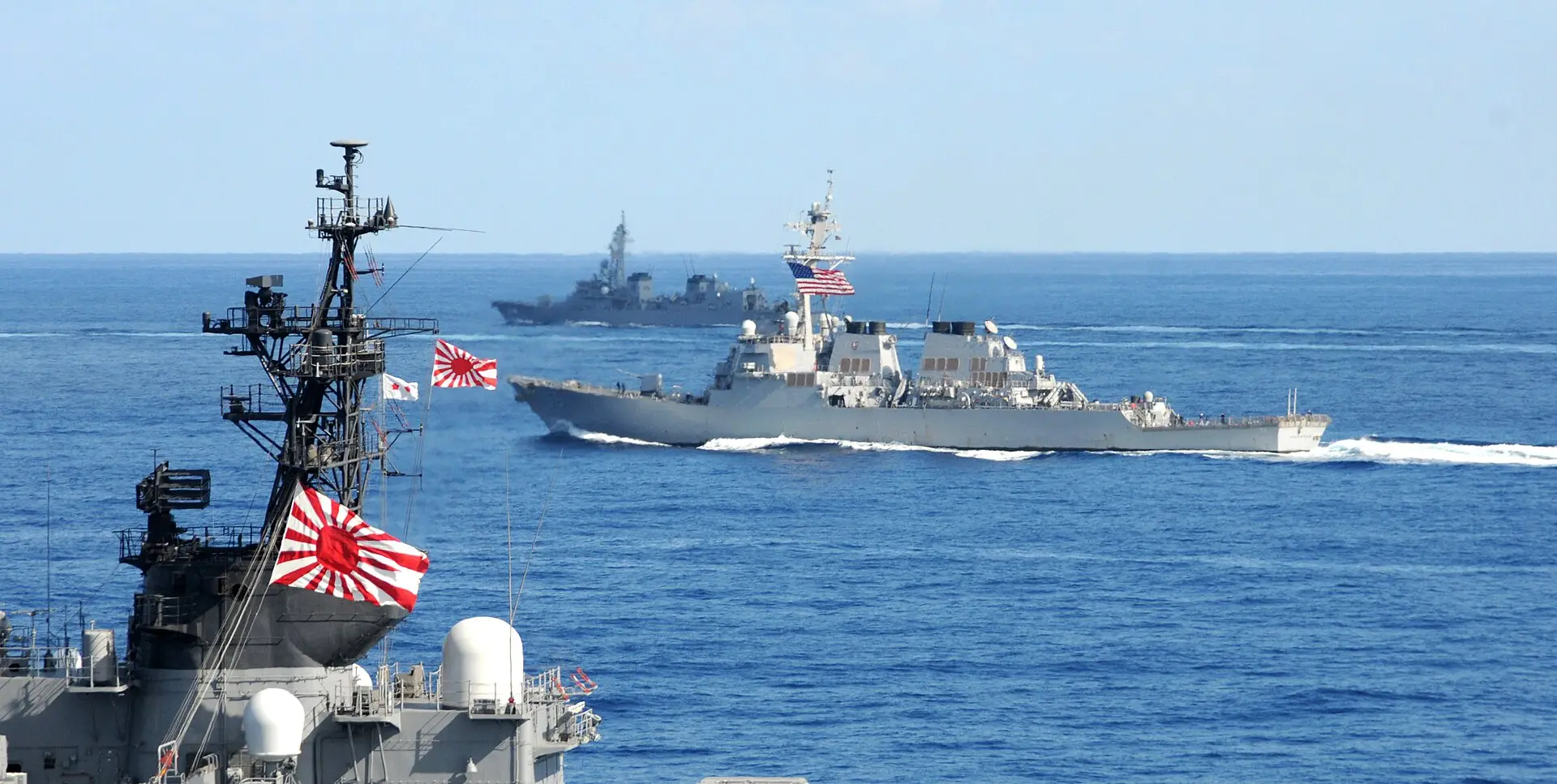
Exercise Malabar
Originally a bilateral drill, Malabar has evolved into a highly critical multilateral naval exercise bringing together the Quad nations: India, Japan, the United States, and Australia. This high-end combat training platform simulates high-intensity conflict environments, featuring anti-submarine warfare simulations, live-fire air defence tracking, and intricate maritime interdiction operations. It stands as a powerful symbol of collective deterrence and strategic alignment in ensuring an open regional order.
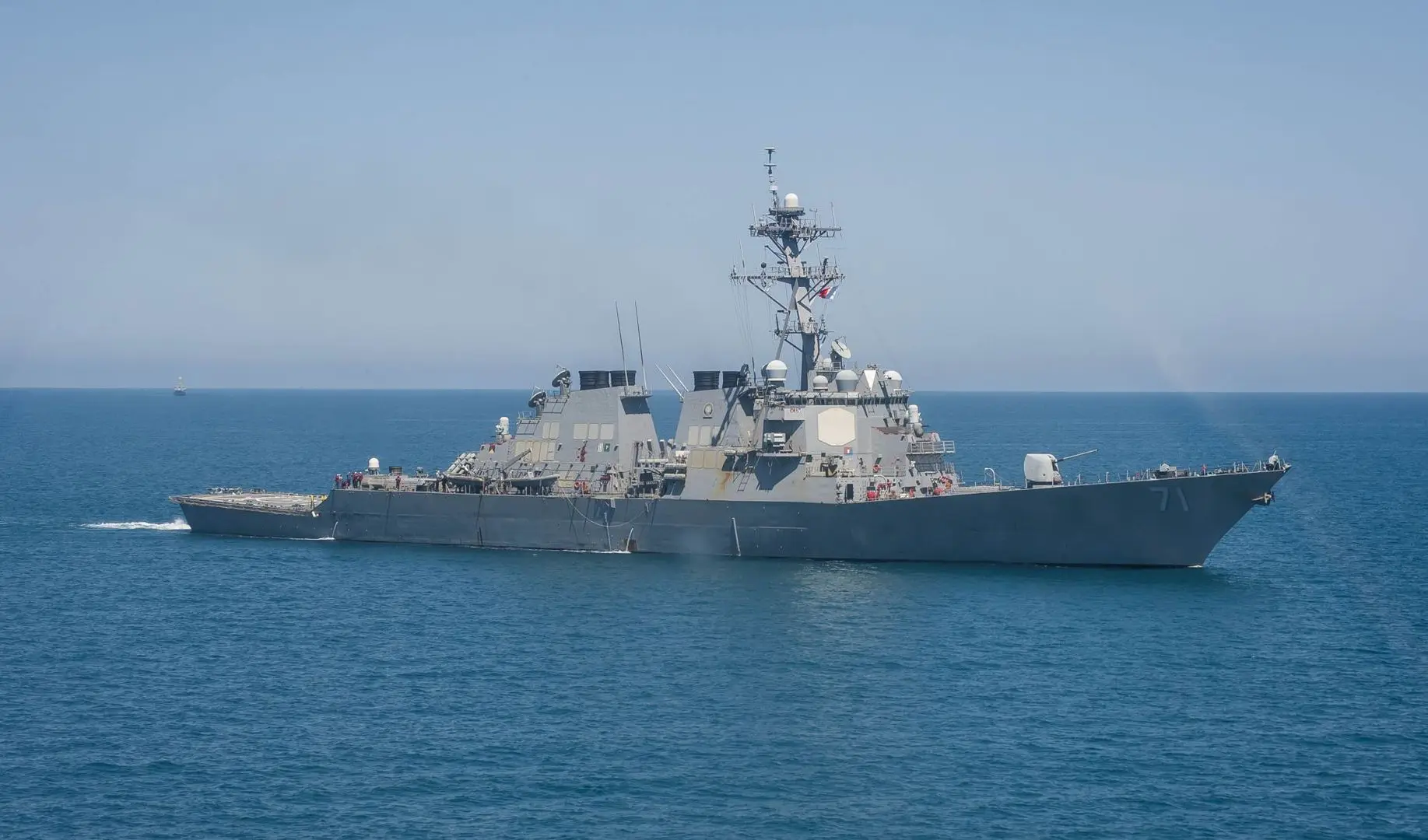
MILAN Ecercise
MILAN is the Indian Navy’s premier biennial, multinational naval exercise, held primarily in Visakhapatnam. Launched in 1995 with just four nations, it has grown into a massive strategic convergence where over 70 countries participate to enhance maritime interoperability, anti-submarine warfare skills, and collective regional security. [1, 2, 3, 4]
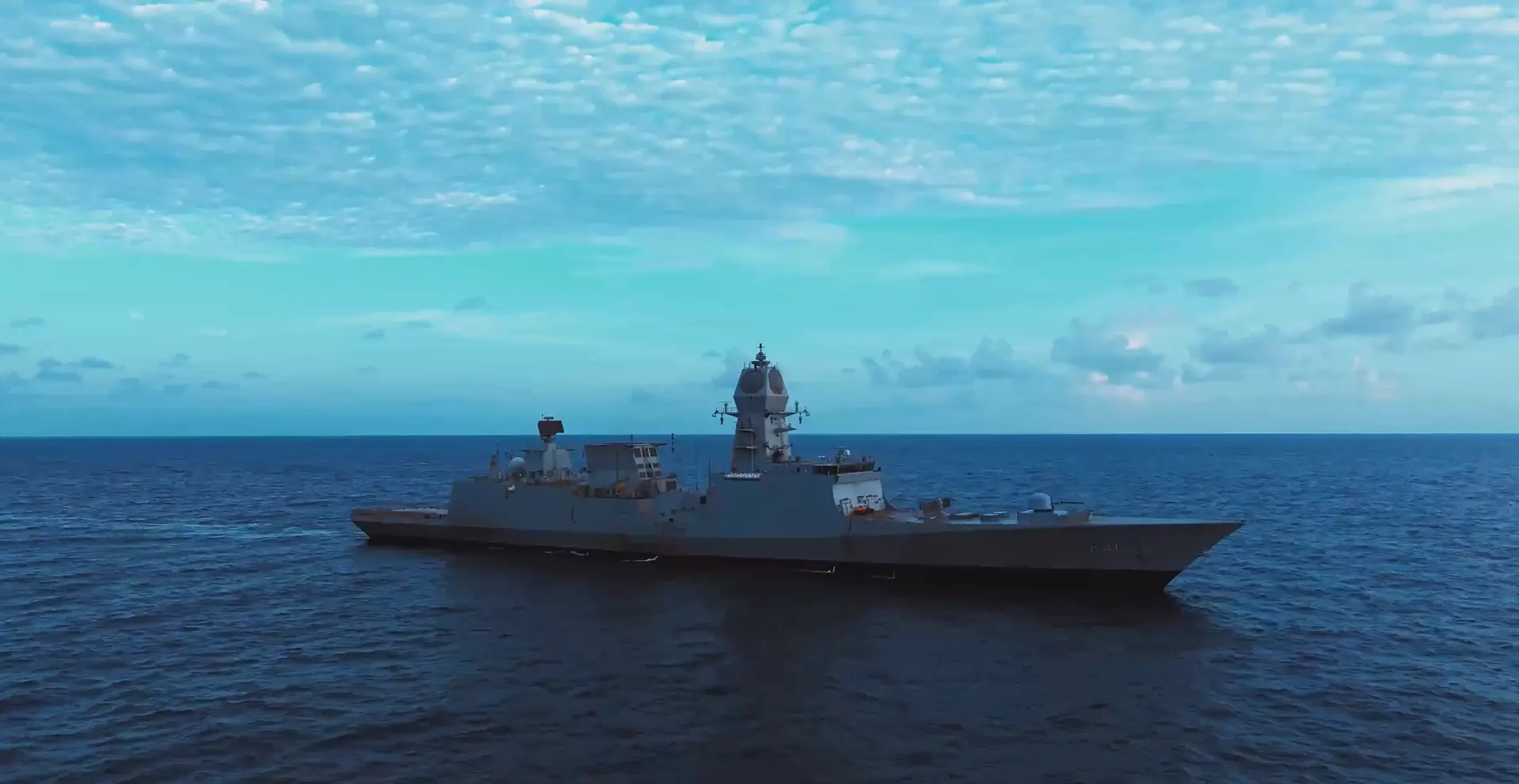
Sahyog Kaijin
This collaborative exercise unites the Indian Coast Guard and the Japan Coast Guard to fortify cooperative frameworks on civilian maritime security. The drills focus heavily on humanitarian coordination, focusing specifically on executing complex search and rescue (SAR) missions at sea, anti-piracy interception tactics, and rapid marine pollution containment. It ensures both coast guards can respond seamlessly to ecological disasters and merchant shipping emergencies.
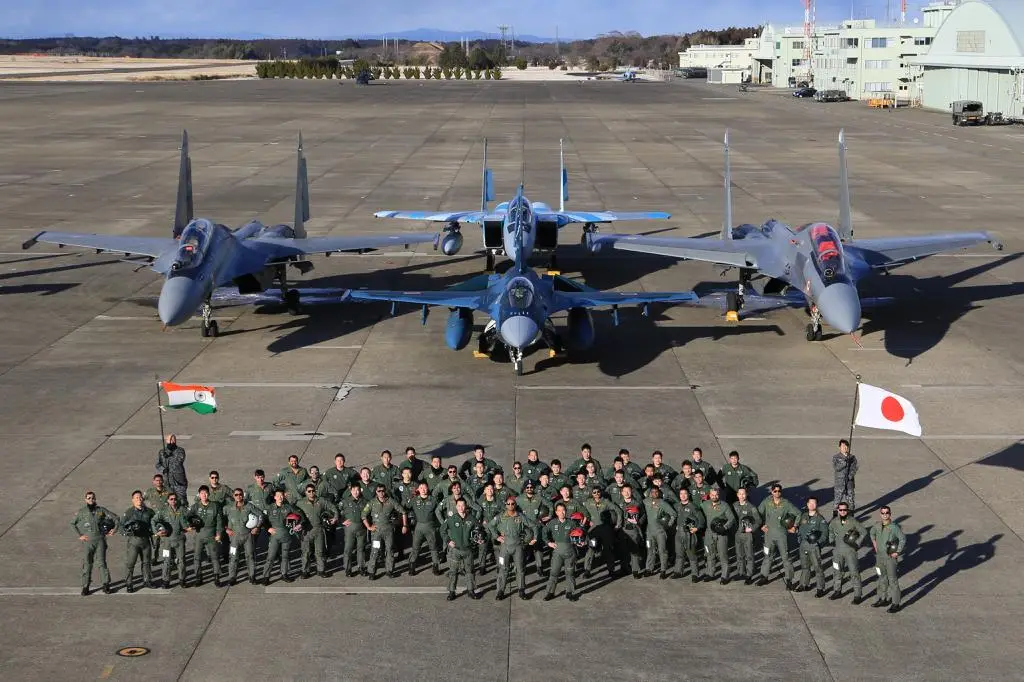
Veer Guardian exercise
This premier bilateral air combat exercise brings the Indian Air Force (IAF) and the Japan Air Self-Defense Force (JASDF) together for sophisticated aerial wargames. Pilots engage in intricate defensive and offensive air programming, mimicking complex multi-domain threat environments. Utilising frontline fighters like India’s Su-30MKI and Japan’s F-15s, the drill breaks down operational barriers, allowing both air arms to master tactical coordination and modern aerial maneuvers.
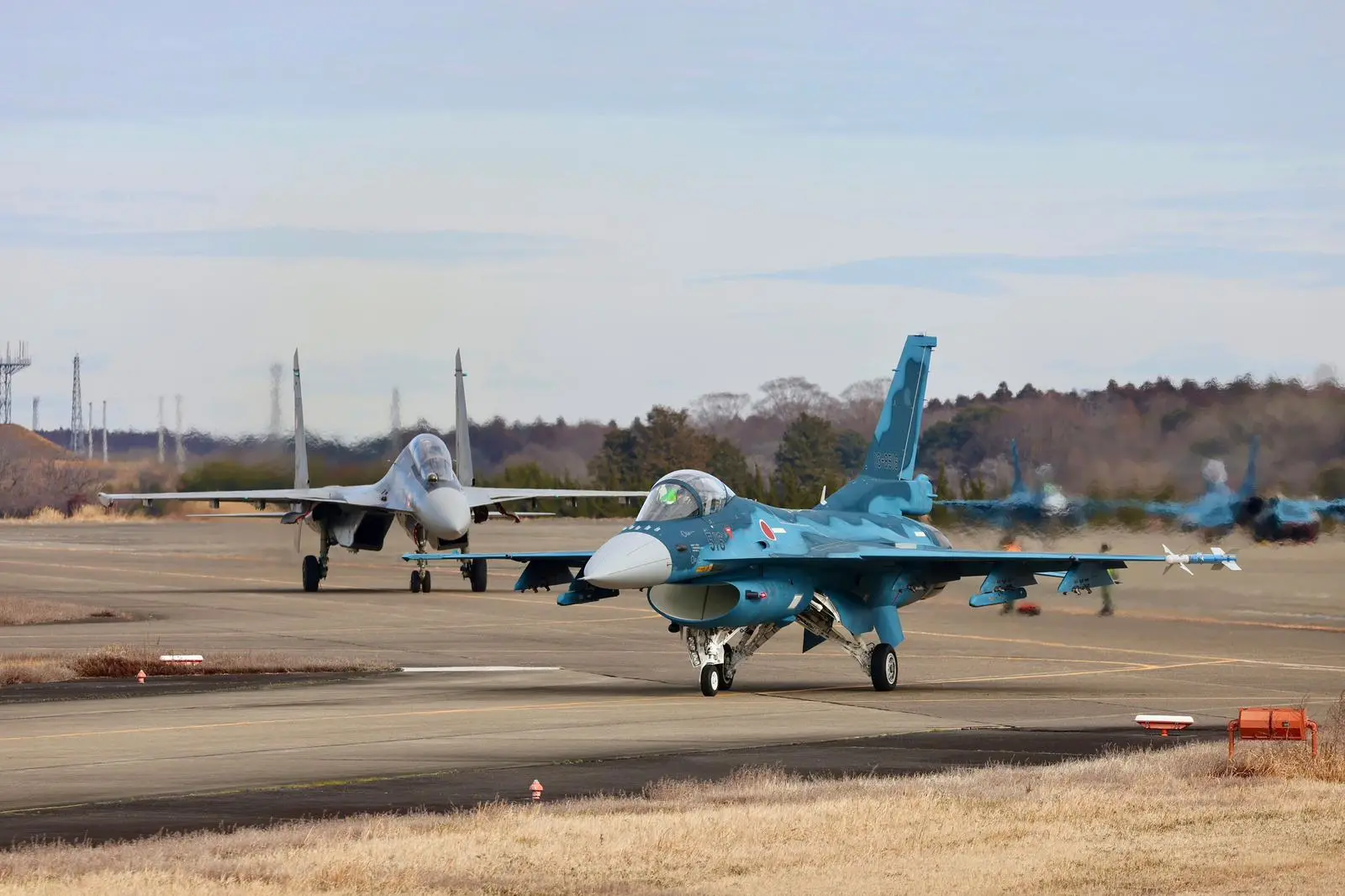
Shinyuu Maitri
Operating alongside heavy fighter drills, Shinyuu Maitri is a targeted bilateral exercise that zeroes in on tactical air mobility, transport operations, and humanitarian assistance and disaster relief (HADR) protocols. The IAF and JASDF utilise heavy-lift transport aircraft to practice joint flight operations, seamless cargo drops, and emergency evacuation drills. This routine coordination guarantees both nations can swiftly deploy disaster relief across challenging, crisis-hit geographical zones.
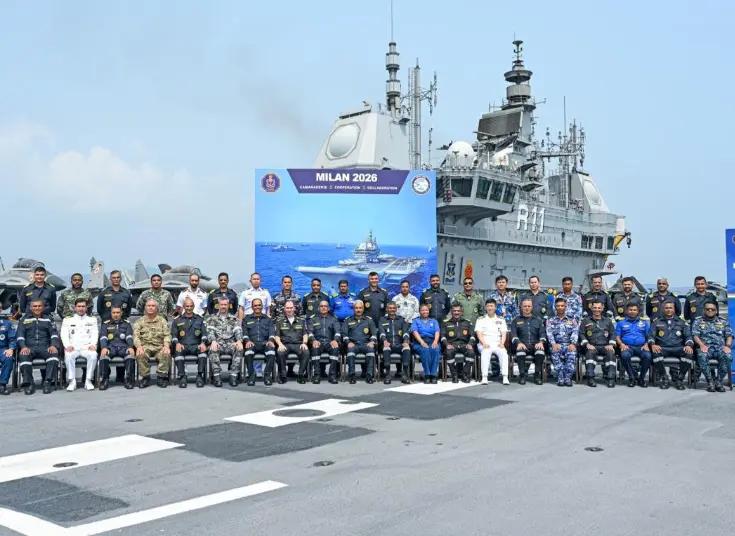
MILAN naval exercise
Recent defence cooperation between India and Japan has included the participation of the Japan Maritime Self-Defence Force (JMSDF) ship Yudachi in the International Fleet Review at Visakhapatnam and the MILAN naval exercise in February 2026, as well as the Dharma Guardian joint military exercise held the same month. Bilateral collaboration in defence equipment and technology has also advanced, highlighted by the signing of a Memorandum of Implementation in November 2024 for the transfer of the UNICORN Mast technology.
)
)
)
)
)