'Hypersonic threat': Why these missiles are so difficult to stop

Hypersonic missiles evade interception through extreme speed, low-altitude flight, and unpredictable manoeuvrability. By generating a radar-blinding plasma sheath, these weapons easily bypass existing air defence networks and traditional interceptors.
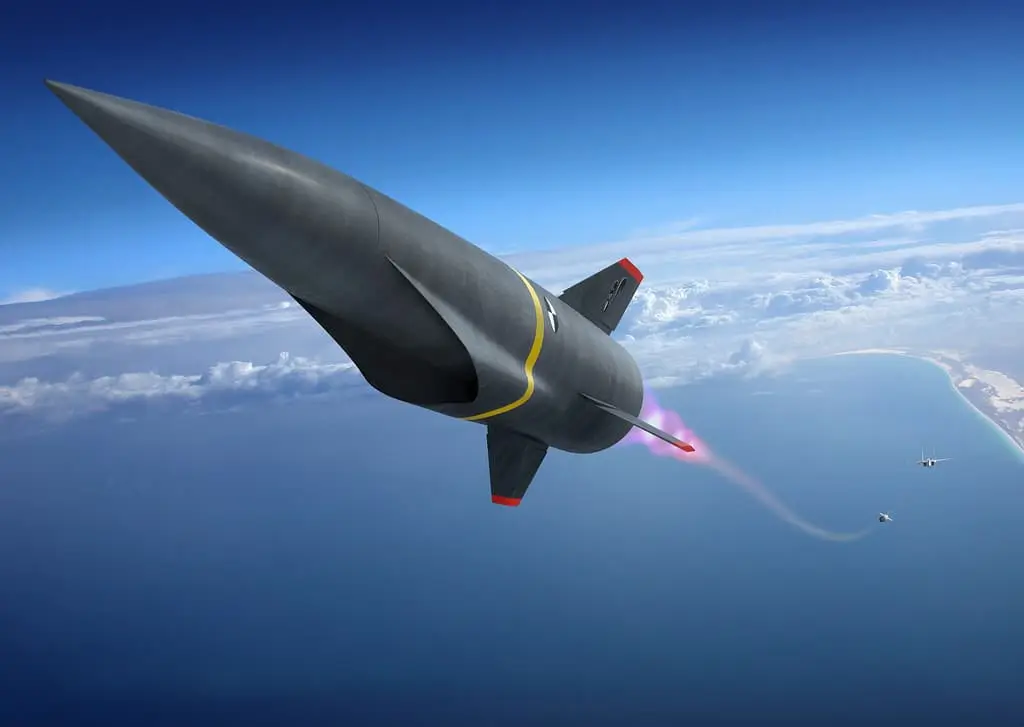
The Speed of Sound
Hypersonic weapons travel at sustained velocities exceeding Mach 5, or roughly 3,800 miles per hour. This extreme speed dramatically reduces the reaction time available for defenders to detect, track, and intercept the incoming threat.
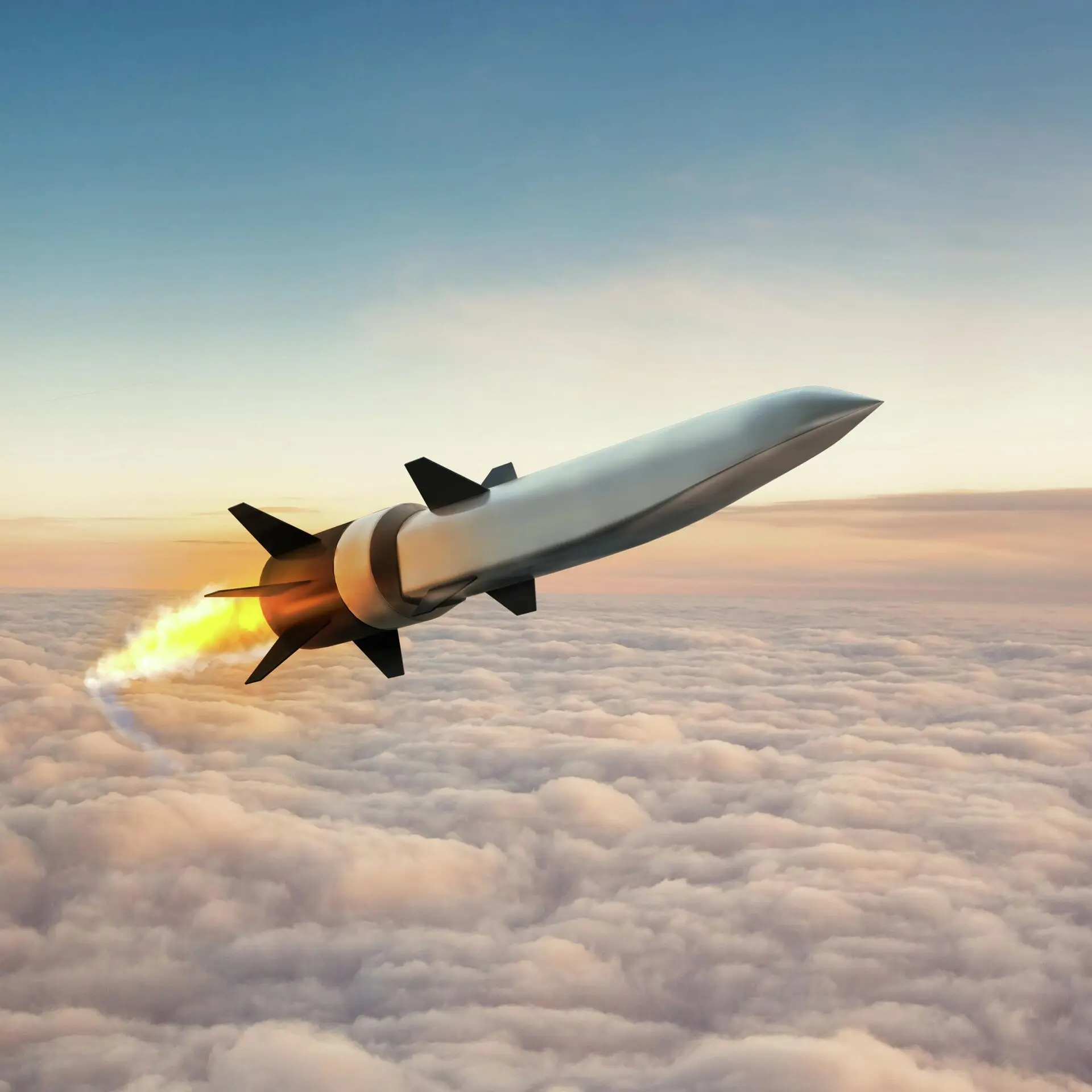
Two Main Variants
Modern militaries primarily deploy two categories of these weapons, known as hypersonic glide vehicles and hypersonic cruise missiles. While glide vehicles are launched into space before skipping across the upper atmosphere, cruise missiles rely on advanced scramjet engines for sustained flight.
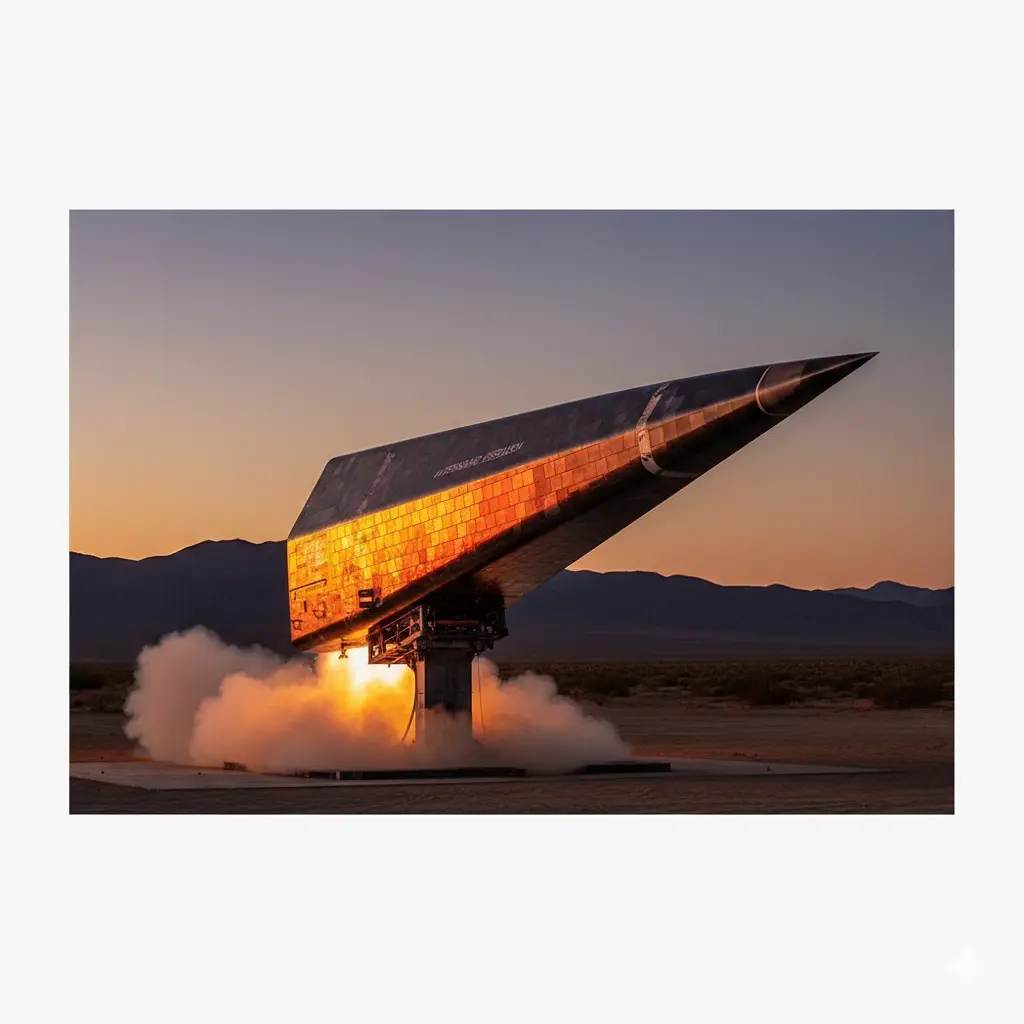
Unpredictable Trajectories
Traditional ballistic missiles follow a highly predictable parabolic arc, allowing computers to easily calculate their future position. Hypersonic weapons completely break this mathematical model by using aerodynamic lift to weave, dip, and rapidly change course mid-flight.
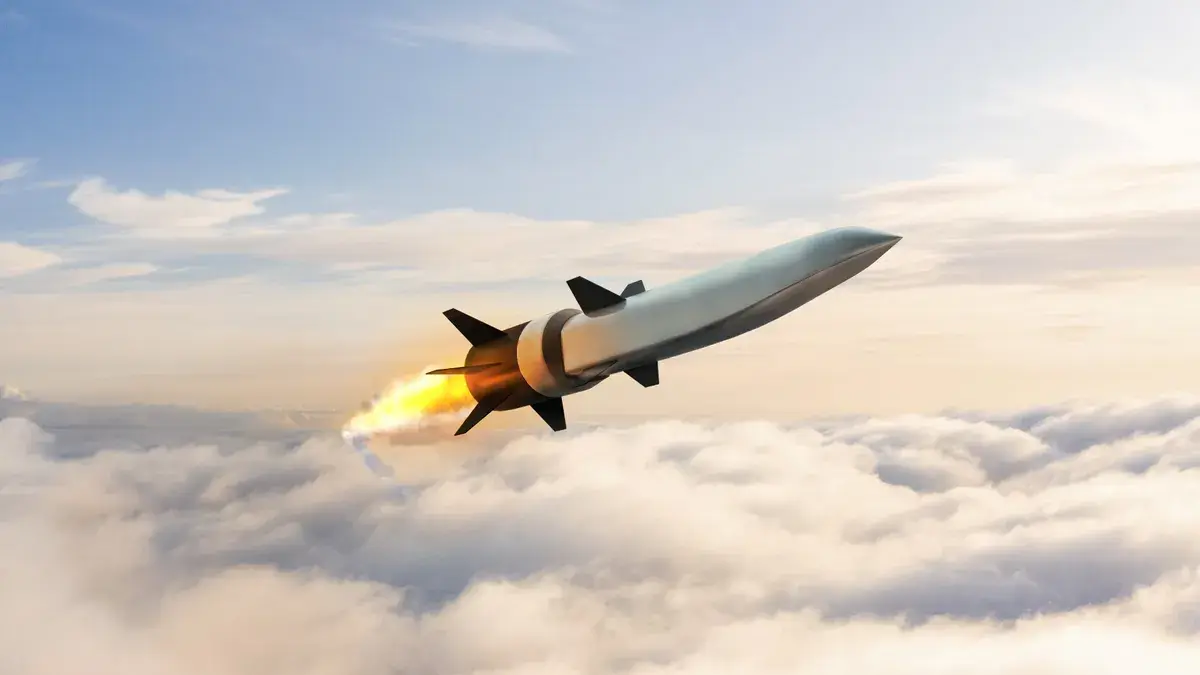
Hiding Below the Horizon
These advanced missiles deliberately fly at lower altitudes than traditional intercontinental ballistic threats. By hugging the curvature of the Earth, they remain physically hidden from ground-based early warning radars until the final moments of their journey.
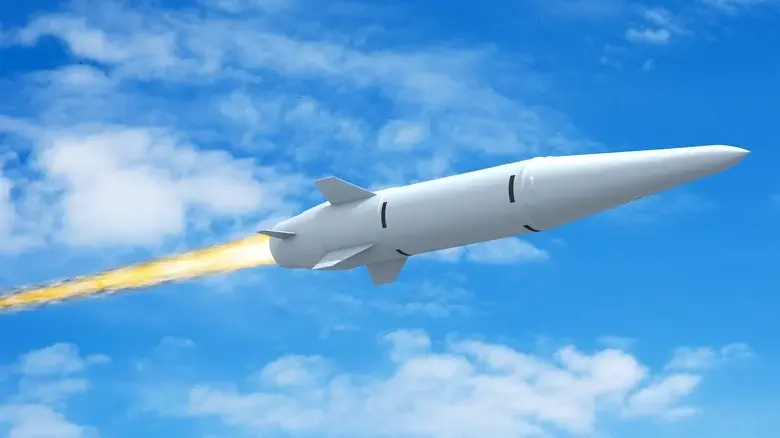
The Plasma Cloak
Moving at Mach 5 generates intense atmospheric friction that heats the surrounding air to thousands of degrees. This extreme heat ionises the air into a superheated plasma sheath that actively absorbs radio waves and blinds defensive radar systems.
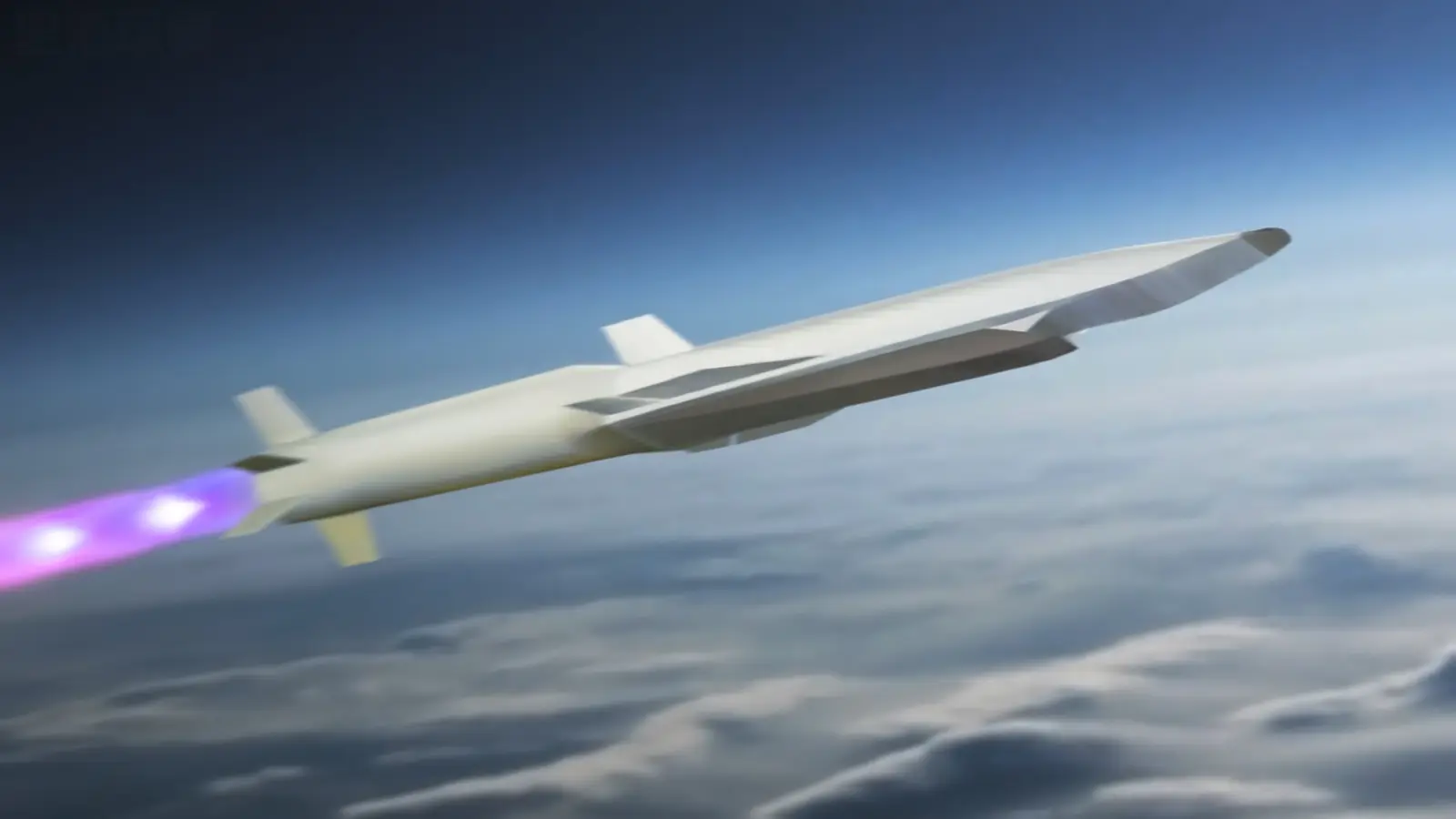
Outmanoeuvring Interceptors
Existing air defence systems were fundamentally designed to meet incoming targets at a precisely calculated interception point in space. If a hypersonic missile alters its trajectory even slightly during the terminal phase, a standard interceptor will miss the target entirely.
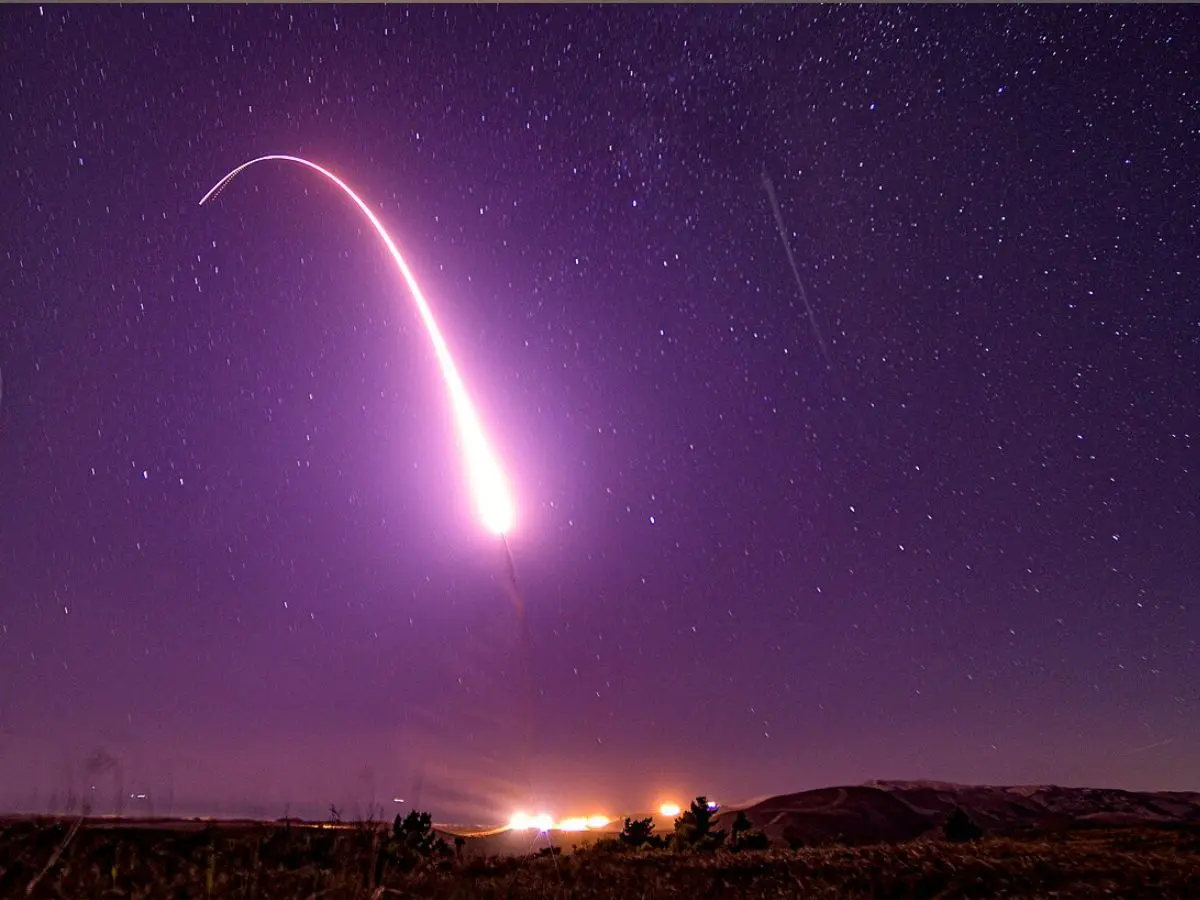
Closing the Defensive Gap
Global militaries are currently investing heavily to develop specialised glide-phase interceptors and electromagnetic railguns to counter this growing threat. Until these next-generation defensive networks become fully operational, hypersonic missiles remain highly difficult for conventional forces to defeat.
)
)
)
)
)