India and Vietnam boost strategic ties, set $25 billion trade target by 2030

&imwidth=600&imheight=450&format=webp&quality=medium "India and Vietnam boost strategic ties, set $25 billion trade target by 2030")
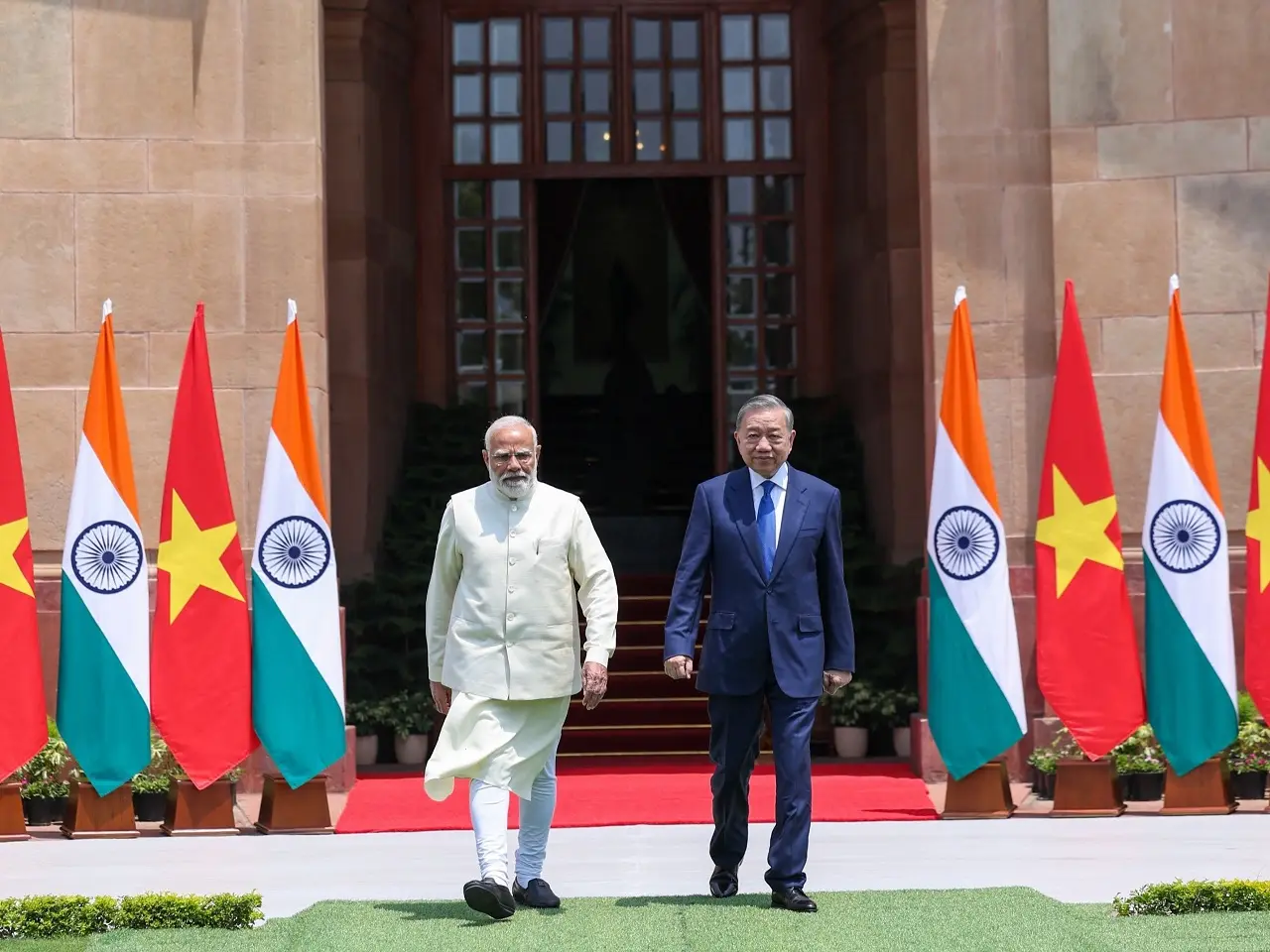
Prime Minister Narendra Modi with President of Vietnam To Lam in New Delhi on Wednesday. Photograph: (X)
India and Vietnam agreed to widen investment flows across sectors like high-technology manufacturing, renewable energy, logistics, electric vehicles, and digital services. Vietnam expressed its readiness to expand imports from India to support its domestic manufacturing and export ecosystem.
India and Vietnam on Wednesday agreed to boost their bilateral relations, aiming to elevate ties to an “Enhanced Comprehensive Strategic Partnership” with an elaborate roadmap for trade, defence, and technology cooperation. The decision followed talks between Prime Minister Narendra Modi and Vietnam’s President To Lam, with both sides agreeing to deeper alignment across strategic and economic domains. In a joint statement, the two nations said the relationship upgrade reflects a shared commitment to “shared vision, strategic convergence, and substantive cooperation.”
The two countries set a fresh bilateral trade target of “25 billion USD by 2030,” signalling intent to scale up engagement between two of Asia’s fastest-growing economies.
Both sides also agreed to widen investment flows across sectors like high-technology manufacturing, renewable energy, logistics, electric vehicles, and digital services.
“Priority will also be given towards enhancing cultural linkages,” PM Modi said.
In a media briefing, MEA Secretary (East) P Kumaran reiterated the economic focus of the visit, stating, “We agreed that a new trade target of USD 25 billion would be set for achieving by 2030.”
Trending Stories
)
)
)
)
)
)
)
)
)
)
)
)
)
)
)
)
)
)
)
)
)
)
)
)
)
)
)
)
)
)
)
)
)
)
&im=FitAndFill=(700,400))
)
)
)
)
Both nations approved market access for agricultural goods and welcomed the approval for Indian grapes and Vietnamese durians while committing to fast-track access for other products, including pomegranates and pomelos.
Also Read: ‘Very good chance of ending war, Iran to export its highly enriched uranium to US,’ says Trump
Stressing the importance of supply chain resilience and diversification, Vietnam expressed its readiness to expand imports from India to support its domestic manufacturing and export ecosystem. The two countries also agreed to strengthen cooperation in the digital economy, particularly by enabling MSMEs to integrate into global value chains through e-commerce platforms. They also agreed to step up defence procurement and industrial collaboration, reflecting growing strategic convergence in the Indo-Pacific.
Both countries underscored the importance of maritime cooperation in the Indo-Pacific for security and domain awareness in the region.
They also agreed to increase collaboration in emerging technologies, covering digital public infrastructure, artificial intelligence, 6G, space, and critical minerals.
Besides, a series of agreements were signed, including one between the Reserve Bank of India and the State Bank of Vietnam, with the aim of boosting financial innovation and enabling cross-border digital payments through QR-based systems.