Explained: Why Ukraine is targeting Wildberries warehouses across Russia in its drone campaign

&imwidth=600&imheight=450&format=webp&quality=medium "Explained: Why Ukraine is targeting Wildberries warehouses across Russia in its drone campaign")
Ukraine’s drone campaign has expanded to Wildberries warehouses Photograph: (AFP)
Ukraine’s drone campaign has expanded to Wildberries warehouses, disrupting Russia’s e-commerce network, small businesses and consumer economy
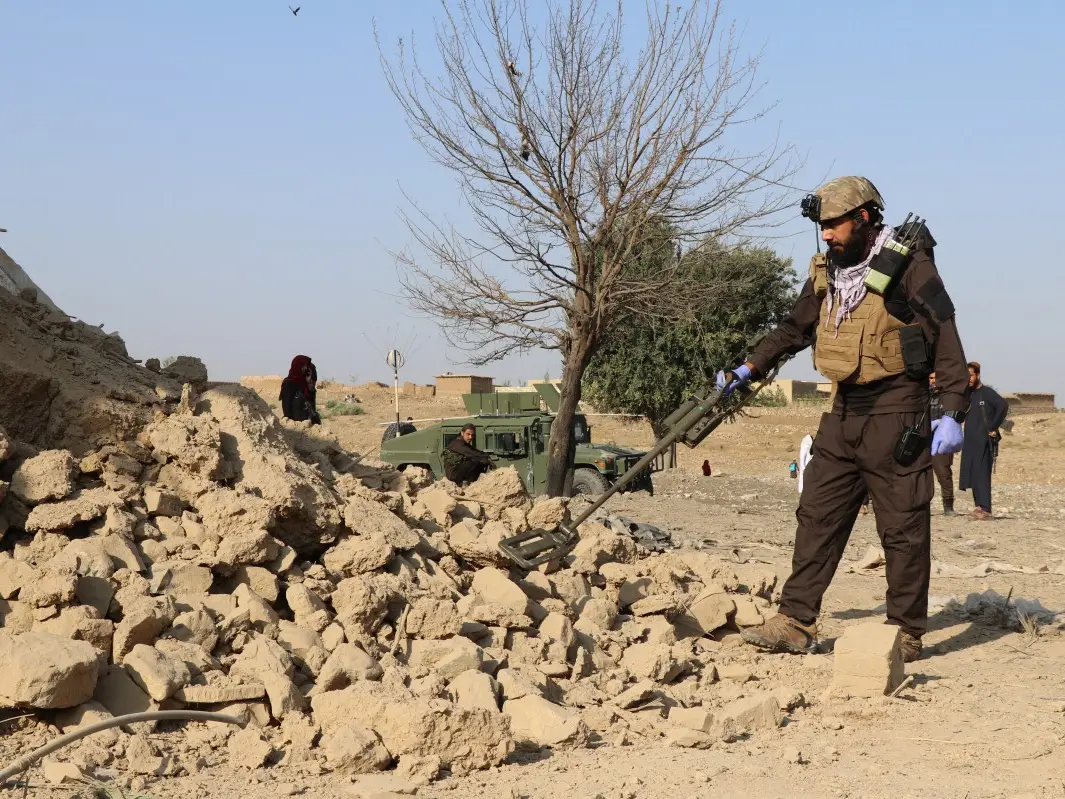
Ukraine’s campaign against Russia’s war-related economic vulnerabilities has expanded beyond oil facilities and energy infrastructure to an unexpected new target: warehouses belonging to e-commerce giant Wildberries. In less than three weeks, Ukrainian drones have struck 23 Wildberries warehouses across Russia, killing nine employees and injuring several dozen others. Several warehouses have reportedly been forced to completely halt operations.
What is Wildberries?
Wildberries is a household name in Russia. Its distinctive purple-and-pink plastic bags are a familiar sight in towns and villages across the country. The company is Russia’s most popular online marketplace, with 79 million monthly users, more than half of the country’s population. Its reach is unmatched, both in the range of products available and the scale of its logistics network, which extends into some of Russia’s most remote regions.
For millions of Russians, Wildberries has become an essential part of everyday life, offering fast and convenient delivery. In sparsely populated areas, a Wildberries pickup point can sometimes be the only significant communal facility apart from a post office and a small local shop. The company’s success has also made its founder, Tatyana Kim, Russia’s richest woman.
Why is Ukraine targeting Wildberries?
Ukrainian officials say Wildberries warehouses are being targeted because Russian soldiers frequently use the platform to purchase nonlethal equipment and other supplies. While the Wildberries marketplace does not openly sell weapons or products clearly classified as military equipment, soldiers preparing to leave for the war have reportedly used the platform to purchase essential gear. Their families also use the marketplace for ordinary household purchases.
Trending Stories
)
)
)
)
)
)
)
)
)
)
)
)
)
)
)
)
)
)
)
)
)
)
)
)
)
)
)
)
)
)
)
)
)
)
&im=FitAndFill=(700,400))
)
)
)
)
Until recently, Wildberries had a search tag specifically associated with army-related equipment, although that tag has since been removed. Products available through the platform have included tactical vests, boots and socks. Similar products are also sold by Ozon, Wildberries’ biggest Russian competitor, which has itself been targeted by Ukraine at least once. However, Wildberries is far more than a source of military-related clothing. One of its biggest-selling products last year was a $20 pair of red-checkered lounge pants. Other popular products, including hair masks, have virtually no connection to military activity.
Wildberries is a linchpin of Russia’s consumer economy
Ukraine’s strikes appear designed not only to disrupt military-related supply chains but also to undermine the perception of normality within Russia’s consumer economy. Punishing strikes on the company’s operations are devised to “shutter the illusion of a peaceful life in a second,” Robert Brovdi, commander of Ukraine’s drone forces, said in a statement after the Ukrainian military first destroyed a Wildberries warehouse, outside Moscow in July.
Wildberries is an especially significant target because of its central role in Russia’s retail and delivery ecosystem. The company operates around 95,000 pickup points nationwide, helping maintain a sense of economic normalcy that the Kremlin has been eager to preserve. The company is also a major source of employment and income.
Each Wildberries pickup point is privately owned and operated. At the same time, an estimated one million Russian sellers rely on the platform to reach customers. Many are small businesses that cannot afford traditional storefronts and would otherwise struggle to sell their products at scale.
Who owns Wildberries?
Wildberries was built from scratch in the early 2000s by Tatyana Kim, a former English teacher, and her then-husband, Vyacheslav Bakalchuk, an IT engineer. Before their highly publicized divorce in 2024, Kim owned 99 percent of the company, while Bakalchuk held the remaining 1 percent. A Russian court later awarded Kim full ownership of Wildberries as part of the couple’s divorce proceedings. The ownership structure changed significantly after Kim agreed to a controversial merger with Russ Outdoor, an advertising company valued at a fraction of Wildberries’ estimated worth.
Kim now owns 65 percent of Wildberries, while 35 percent was transferred to Russ Outdoor. Critics have described Russ Outdoor as a vehicle linked to Kremlin-connected billionaire Suleyman Kerimov. Before the merger, Wildberries was estimated to be worth around $10 billion. Questions over the company’s ownership and political connections resurfaced earlier this year after its earnings report revealed that Kim’s own company had not received any dividends in the previous year. Instead, the entire 51 billion rubles, or approximately $640 million, in dividends went to Russ Outdoor.
How have the drone strikes affected Wildberries?
The attacks have hit small businesses particularly hard because many of them rely on Wildberries to store, process and distribute their products. The company acts as a critical logistics intermediary, receiving sellers’ goods, storing them in its warehouses and shipping orders to customers. An estimated 100,000 businesses are believed to have lost inventory in the attacks. The timing of a change to Wildberries’ seller agreement has also drawn attention. Just days before the first Ukrainian strike on its warehouses, the company amended its standard agreement to remove liability for losses caused by terrorist attacks or natural disasters.
Wildberries has since promised financial support to affected sellers, with priority given to smaller businesses. Tatyana Kim recently said the company had already deposited 40 million rubles, or about $500,000, into the accounts of 88,000 sellers. The Russian government has also indicated that additional assistance could be provided. Deputy Prime Minister Aleksandr Novak met with senior officials and several Wildberries sellers in late July and pledged to prepare a comprehensive financial aid package. The strikes have therefore created a challenge that extends well beyond Wildberries itself. By targeting a major logistics and retail network, Ukraine is disrupting businesses, sellers, consumers and the infrastructure that helps sustain an appearance of economic normalcy inside Russia.

