Cameroon and CAR open a $3m corridor deal to make cross-border trade work for ordinary traders

&imwidth=600&imheight=450&format=webp&quality=medium "Cameroon and CAR open a $3m corridor deal to make cross-border trade work for ordinary traders")
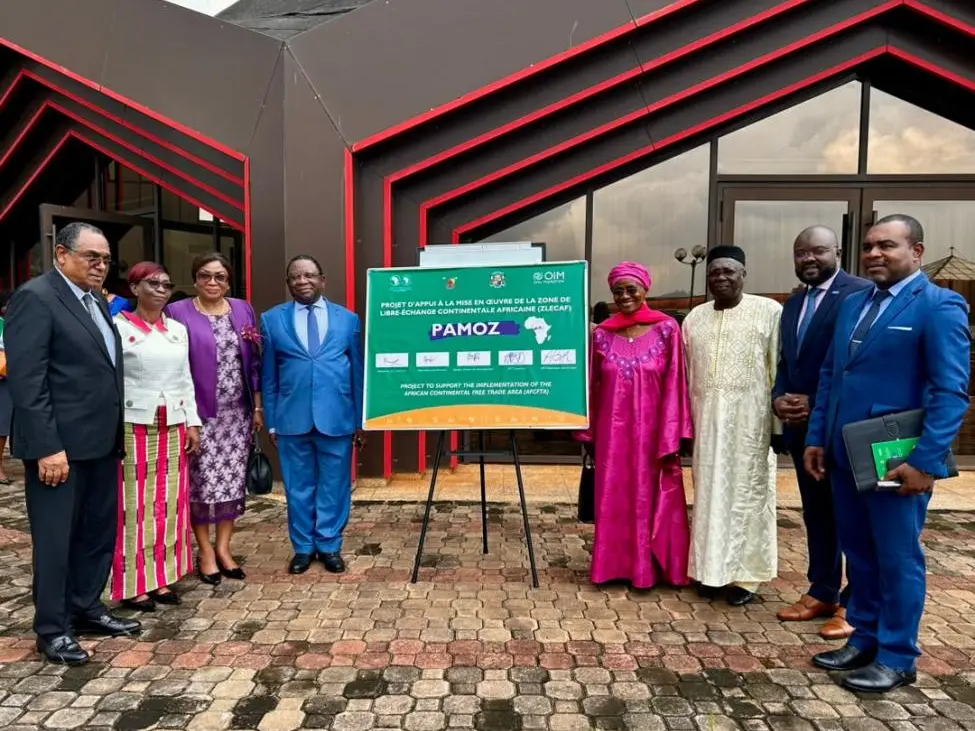
Representatives of the Governments of Cameroon and the Central African Republic, the African Development Bank and IOM at the launch of the PAMOZ project in Yaoundé. Photograph: (IOM KASTE Tita Kezia, 2026)
The project is especially significant for CAR, a landlocked country whose access to regional and international markets depends on reliable transport and trade connections.
Cameroon and the Central African Republic (CAR) have launched a 3 million US Dollars initiative to make cross-border trade more efficient, strengthen regional value chains and widen economic opportunities for communities along one of Central Africa’s most important corridors. The two governments are backed by the African Development Bank (AfDB) and the International Organization for Migration (IOM).
For traders, transport operators, entrepreneurs and border communities, moving safely and efficiently is fundamental to reaching markets, sustaining livelihoods and building stronger economic ties across borders. The initiative combines trade facilitation, effective border governance and safe, orderly and regular migration. Its aim is to ensure that regional integration delivers practical benefits to the people and businesses who drive it every day.
The Project to Support the Implementation of the African Continental Free Trade Area, known as PAMOZ, was launched on 6 October. It is funded by the AfDB and will run for 24 months, with technical support from IOM.
The launch took place in Yaoundé. It was led by Cameroon’s Minister of Trade, H.E. Luc-Magloire Mbarga Atangana, and H.E. Jeannette Marcelle Gotchanga, Ambassador-Designate of the Central African Republic to Cameroon. They were joined by representatives of regional organisations, the private sector, financial institutions, civil society, women’s and youth organisations, and development partners.
Minister Mbarga Atangana said: “The launch of the PAMOZ Project reflects the Government of Cameroon’s commitment to harnessing the opportunities offered by the AfCFTA to promote inclusive growth, facilitate trade and strengthen regional economic integration. By reinforcing the capacities of cross-border trade stakeholders and improving the enabling environment for economic exchanges, this initiative will contribute to unlocking new opportunities for businesses and communities alike.”
Over the next two years, PAMOZ will work with public institutions, private-sector actors and border communities to make cross-border exchanges more efficient, strengthen regional value chains and expand access to economic opportunities. Particular attention will go to women, young people, entrepreneurs, traders, transport operators and other actors whose livelihoods depend on the movement of people, goods, services and skills across borders.
Trending Stories
&imwidth=280&imheight=210&format=webp&quality=medium)
&imwidth=280&imheight=210&format=webp&quality=medium)
&imwidth=280&imheight=210&format=webp&quality=medium)
&imwidth=280&imheight=210&format=webp&quality=medium)
&imwidth=280&imheight=210&format=webp&quality=medium)
&imwidth=280&imheight=210&format=webp&quality=medium)
&imwidth=280&imheight=210&format=webp&quality=medium)
&imwidth=280&imheight=210&format=webp&quality=medium)
&imwidth=280&imheight=210&format=webp&quality=medium)
&imwidth=280&imheight=210&format=webp&quality=medium)
&imwidth=280&imheight=210&format=webp&quality=medium)
&imwidth=280&imheight=210&format=webp&quality=medium)
&imwidth=280&imheight=210&format=webp&quality=medium)
&imwidth=280&imheight=210&format=webp&quality=medium)
&imwidth=280&imheight=210&format=webp&quality=medium)
&imwidth=280&imheight=210&format=webp&quality=medium)
&imwidth=280&imheight=210&format=webp&quality=medium)
&imwidth=280&imheight=210&format=webp&quality=medium)
&imwidth=280&imheight=210&format=webp&quality=medium)
&imwidth=280&imheight=210&format=webp&quality=medium)
&imwidth=280&imheight=210&format=webp&quality=medium)
&imwidth=280&imheight=210&format=webp&quality=medium)
&imwidth=280&imheight=210&format=webp&quality=medium)
&imwidth=280&imheight=210&format=webp&quality=medium)
&imwidth=280&imheight=210&format=webp&quality=medium)
&imwidth=280&imheight=210&format=webp&quality=medium)
&imwidth=280&imheight=210&format=webp&quality=medium)
&imwidth=280&imheight=210&format=webp&quality=medium)
&imwidth=280&imheight=210&format=webp&quality=medium)
&im=FitAndFill=(700,400)&imwidth=280&imheight=210&format=webp&quality=medium)
&imwidth=280&imheight=210&format=webp&quality=medium)
&imwidth=280&imheight=210&format=webp&quality=medium)
&imwidth=280&imheight=210&format=webp&quality=medium)
&imwidth=280&imheight=210&format=webp&quality=medium)
The project is especially significant for CAR, a landlocked country whose access to regional and international markets depends on reliable transport and trade connections. In 2024, CAR recorded approximately 984 million Dollars in merchandise trade, including 779 million Dollars in imports. Cameroon is a major trading economy in the subregion. According to the latest available World Bank trade data, its merchandise exports are valued at approximately 5 billion dollars and its imports at 8.3 billion Dollars.
These figures underline why the Cameroon-CAR corridor should be seen not simply as a transport route, but as an economic and human ecosystem connecting communities, markets, services and opportunities. More efficient movement along it can help reduce barriers to trade, improve links between producers and markets, support enterprise development and strengthen economic resilience on both sides of the border.
Ambassador-Designate Gotchanga said: “Enhanced cooperation between the Central African Republic and Cameroon is essential to addressing constraints to trade, fostering stronger economic linkages and supporting sustainable development. The PAMOZ Project marks an important milestone in our shared efforts to promote greater regional connectivity and prosperity.”
The project also reflects a broader policy imperative. Africa’s economic integration depends not only on reducing barriers to the movement of goods, but also on enabling the people, skills, services and investment that sustain regional markets to move safely and regularly.
Speaking for the AfDB, Pierre Ollame Bekale, Country Programme Officer for Cameroon, represented the Bank’s Director General for Central Africa. He said: “For the African Development Bank, regional integration is not only about moving goods across borders. It is about enabling
people, businesses, skills and investment to move more freely, connecting African enterprises to regional value chains and creating opportunities for jobs and inclusive growth. This is how we can turn the ambition of the AfCFTA into tangible opportunities for people and businesses across Africa.”
For IOM, PAMOZ shows how well-governed human mobility can advance economic development and regional integration. By linking migration governance with trade policy and local economic development, the project will help strengthen cross-border cooperation while promoting mobility that is safe, orderly and regular.
IOM Chief of Mission in Cameroon, Abdel Rahmane Diop, said: “Human mobility is a powerful enabler of economic development, trade and regional integration. IOM is proud to support the Governments of Cameroon and the Central African Republic in leveraging mobility as a catalyst for opportunity, resilience and shared prosperity.”
PAMOZ will also promote more inclusive participation in cross-border trade by helping women, young people and other economic actors benefit more fully from the opportunities created by the AfCFTA. Their participation will be critical to ensuring that increased trade translates into stronger livelihoods, decent work and sustainable development for border communities.
By strengthening cooperation between Cameroon and CAR, the initiative aims to contribute to a more connected regional economy, one in which mobility expands access to markets, supports entrepreneurship and creates shared prosperity across borders.
