Brazil denies visas to US officials amid fears of meddling in upcoming presidential election

&imwidth=600&imheight=450&format=webp&quality=medium "Brazil denies visas to US officials amid fears of meddling in upcoming presidential election")
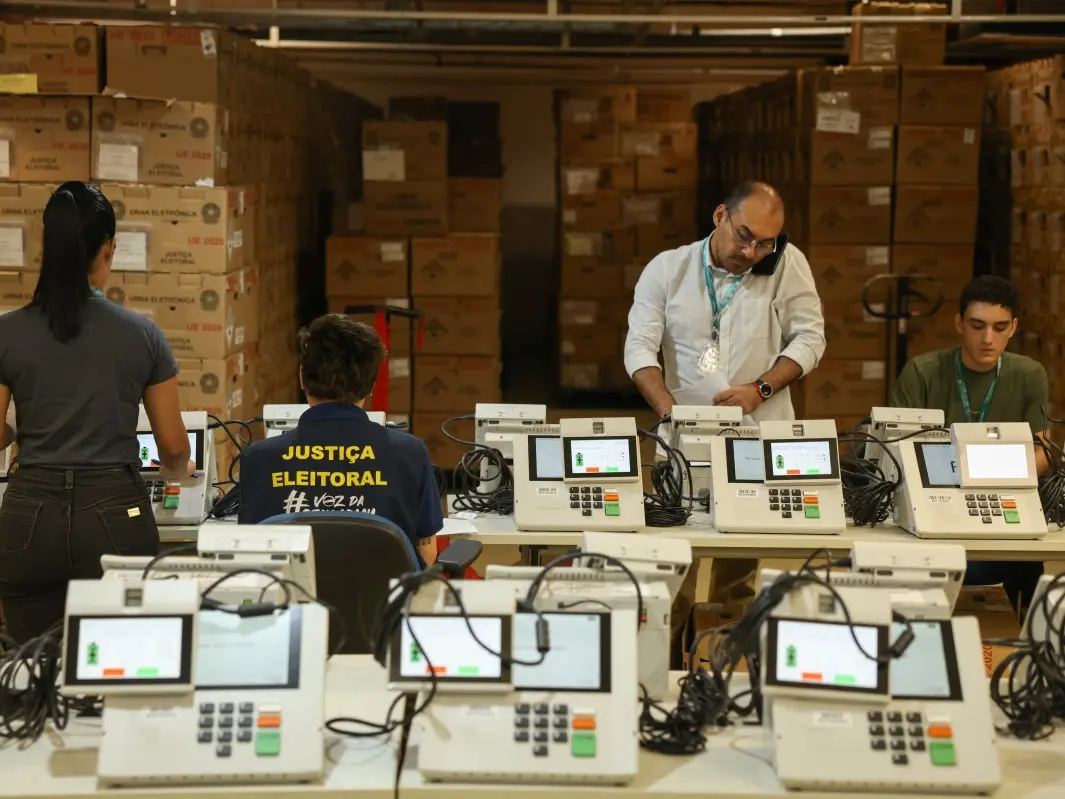
Staff members of the Amazonas Regional Electoral Court test electronic voting machines in Manaus. Photograph: (AFP)
Brazilian authorities stated that the US officials had sought visas via the Brazilian consulate in Washington, indicating their intention to hold discussions with figures involved in the country's electoral process.
Brazil has rejected visas to two senior State Department officials of the United States whom the Trump administration planned to send on a mission to cast doubt on the fairness and integrity of the upcoming presidential election scheduled to be held on October 4, the Foreign Ministry confirmed on Saturday (July 25).
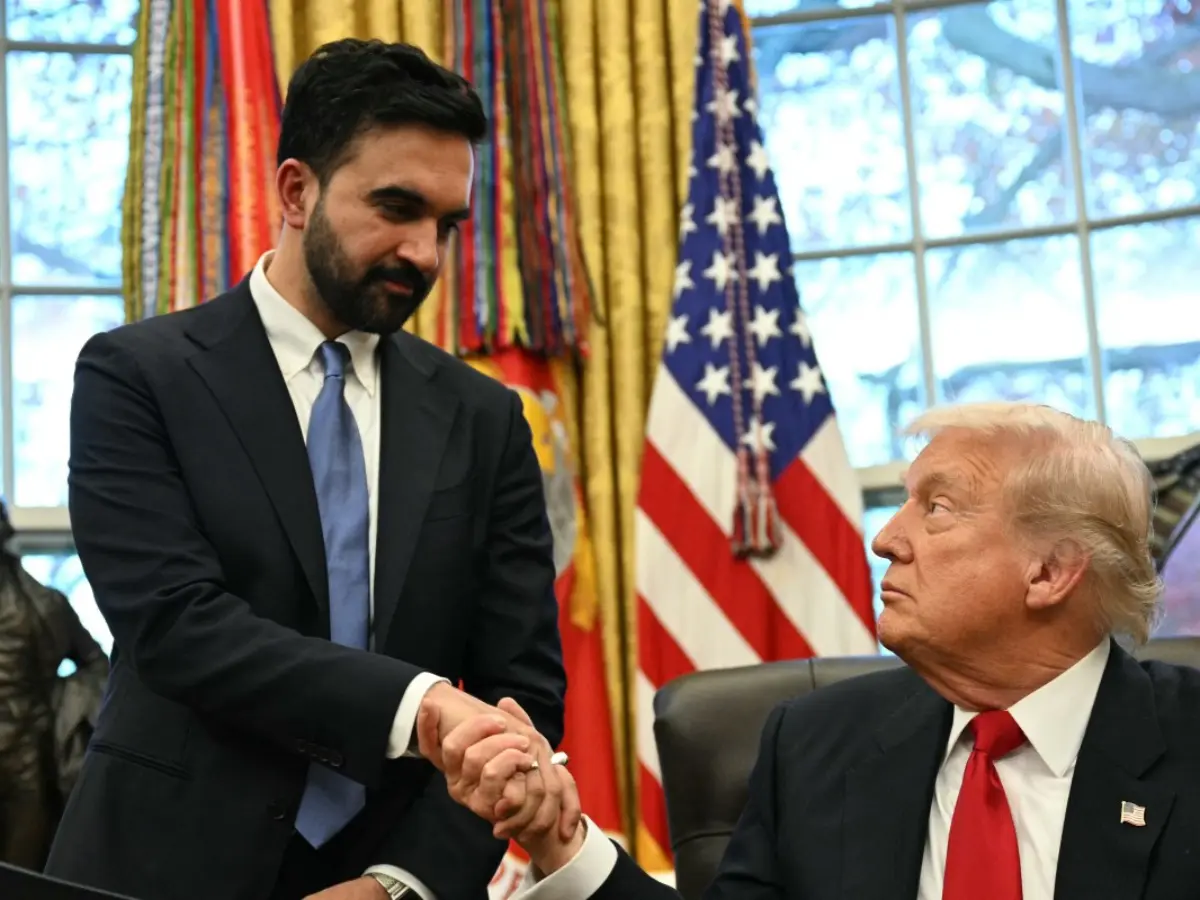
A senior State Department official and three Brazilian officials confirmed on the condition of anonymity that a US State Department delegation, including Trump political appointees Riley M. Barnes, an assistant secretary, and Samuel Samson, a deputy assistant secretary, was scheduled to depart for Brasília, the capital, in the coming days.
After information of their visit, Brazilian officials denied granting the Americans travel clearance, according to the Foreign Ministry. Brazilian authorities stated that the US officials had sought visas via the Brazilian consulate in Washington, indicating their intention to hold discussions with figures involved in the country's electoral process.
It was unclear whom the U.S. diplomats had planned to meet in Brazil or how they would test the truth of a system long seen as an electoral standard-bearer in South America, returning results within hours of Brazilians casting their ballots.
Flavio Bolsonaro named as presidential candidate
Trending Stories
)
)
)
)
)
)
)
)
)
)
)
)
)
)
)
)
)
)
)
)
)
)
)
)
)
)
)
)
)
)
)
)
)
)
&im=FitAndFill=(700,400))
)
)
)
)
Meanwhile, in another significant development, Brazil’s Liberal Party formally nominated Sen. Flavio Bolsonaro, the eldest son of former President Jair Bolsonaro, as its candidate for the presidency on Saturday (July 25). Speaking at the party convention in São Paulo, the 45-year-old senator vowed to continue his father’s political mission as he gears up to challenge President Luiz Inacio Lula da Silva in the upcoming October election.
He accused Lula's administration of fostering corruption, raising taxes, cracking down on political rivals, and curbing civil liberties. Flavio also claimed his father was effectively being held "hostage", isolated and silenced under confinement, while directing sharp criticism at the Federal Supreme Court (STF) and Justice Alexandre de Moraes over what he described as politically motivated persecution.
Outlining his campaign platform, he called for tax reductions, building a stronger centre-right coalition in Congress, tougher criminal penalties, holding minors accountable for serious offences, harsher punishment for gender-based violence, and chemical castration for those convicted of child rape.

