Bangladesh Election 2026: Key dates, voting timings, registered voters & results - All you need to know

&imwidth=600&imheight=450&format=webp&quality=medium "Bangladesh Election 2026: Key dates, voting timings, registered voters & results - All you need to know")
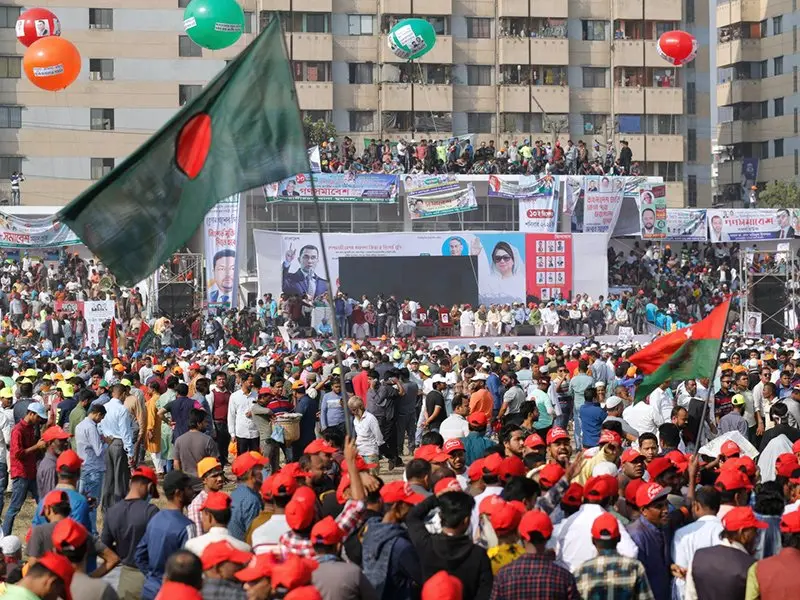
Representative image. Photograph: (X/@ChogGlobal)
Vote counting of the Bangladesh general election 2026 will begin immediately after polling ends at 4:30 pm, with results for both the parliamentary elections and the referendum expected to be declared on February 13.
The general election of Bangladesh is scheduled to take place on Thursday (February 12, 2026), with around 12.77 crore eligible voters voting for the 13th national parliamentary election and a national referendum on constitutional reforms. Final preparations for the smooth conduct of the elections are underway nationwide as officials and security agencies have set the stage for peaceful voting, with results anticipated on February 13.
What are key dates and schedule of Bangladesh election 2026?
Polling will take place nationwide from 7:30 am to 4:30 pm without interruption across the country at more than 42,000 polling stations. Voters will elect their local members of parliament using transparent ballot boxes and will also participate in a referendum aimed at deciding the future course of national reforms.
What are the total registered Voters?
According to the latest electoral rolls, Bangladesh has 12.77 crore registered voters. Of these, around 6.48 crore are men, nearly 6.28 crore are women, and about 1,220 voters are registered under the third-gender category. The figures highlight ongoing efforts to ensure an inclusive and representative electoral process.
Vote counting will begin immediately after polling ends at 4:30 pm, with results for both the parliamentary elections and the referendum expected to be declared on February 13. The results will shape the formation of the next government and determine the fate of the proposed constitutional reforms.
Trending Stories
)
)
)
)
)
)
)
)
)
)
)
)
)
)
)
)
)
)
)
)
)
)
)
)
)
)
)
)
)
)
)
)
)
)
&im=FitAndFill=(700,400))
)
)
)
)
Bangladesh consist of a “unicameral” legislature, the only legislative chamber which makes laws, the Jatiyo Shangsad or the House of the Nation, with 350 constituencies. Each constituency contains a single-member seat.
Bangladesh follows a first-past-the-post electoral system, where voters select a single candidate from those contesting, and the candidate who secures the highest number of votes wins the seat. As a result, a party can secure a disproportionate number of seats even with narrow victories, leading to a mismatch between its total vote share and the number of seats it holds.

