'Accept the reality': Iran rejects Trump's Hormuz claim, says waterway will remain under its command

&imwidth=600&imheight=450&format=webp&quality=medium "'Accept the reality': Iran rejects Trump's Hormuz claim, says waterway will remain under its command")
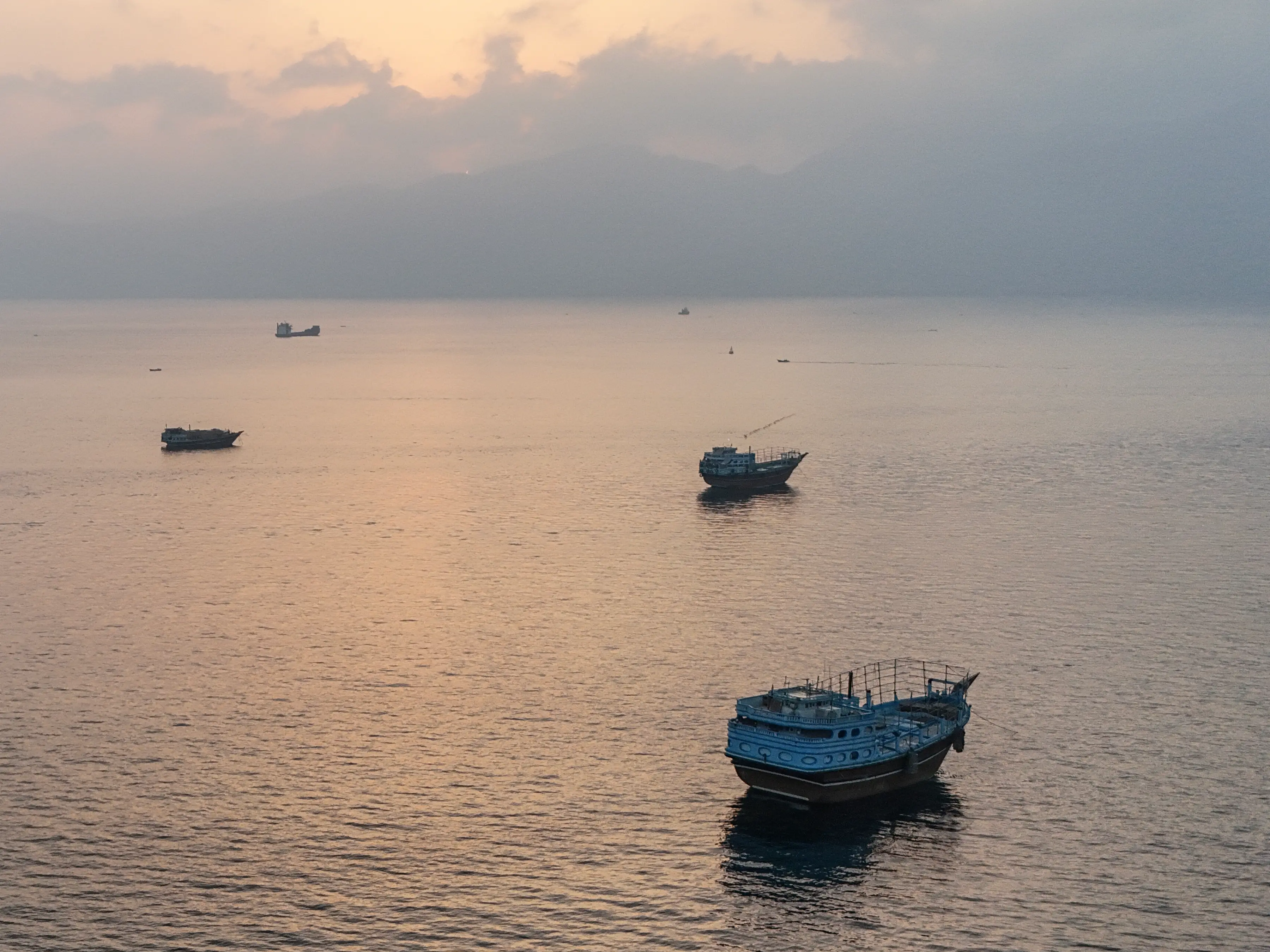
Strait of Hormuz. Photograph: (AFP)
US Vice President JD Vance said Washington's top priority in the Iran war was keeping energy prices low for Americans, while preventing Tehran from acquiring a nuclear weapon ranked second.
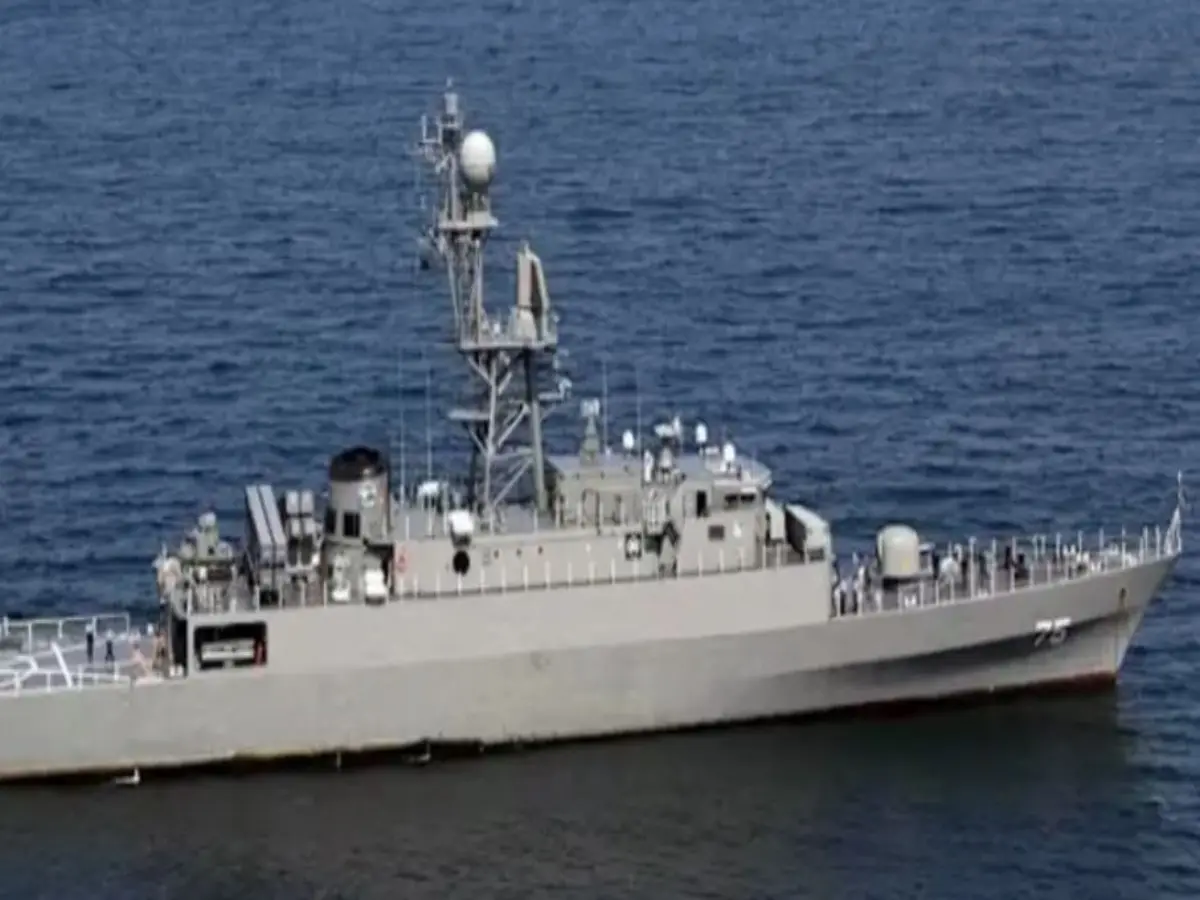
Iran on Saturday rejected US President Donald Trump's claim that he would soon declare the Strait of Hormuz part of US territory, insisting that the strategic waterway will remain under Iranian control.
Trump has repeatedly claimed that the strait, which Tehran effectively closed after the Middle East war began in late February, is under US control. Iran has rejected the claim.
"The Strait of Hormuz has been Iranian, is Iranian, and will remain Iranian," Iranian Deputy Foreign Minister Kazem Gharibabadi said on X.
"This strait will only be closed and opened under Iran's command."
Gharibabadi also took a swipe at Trump, saying, “The Strait of Hormuz cannot be seized by tweet, nor by aircraft carrier, nor by issuing an order, nor by an election speech. Iran neither fears threats nor cowers before displays of power.”
Trump made the remarks at a political rally in New York State on Friday. He said that after the US defeats Iran, "pretty soon I'll be declaring the Hormuz Strait a territory of the United States".
"It's true," he added.
However, the Wall Street Journal, citing an unnamed White House official, reported that Trump was joking.
Iran sets conditions for reopening the waterway
Iran has also laid out several conditions for reopening the Strait of Hormuz. Last week, a senior Iranian official demanded an end to the "war and aggression against Iran and its allies in Lebanon, Palestine, Yemen, and Iraq".
Trending Stories
)
)
)
)
)
)
)
)
)
)
)
)
)
)
)
)
)
)
)
)
)
)
)
)
)
)
)
)
)
)
)
)
)
)
&im=FitAndFill=(700,400))
)
)
)
)
Mohammad Bagher Zolghadr also called for an end to sanctions, the release of frozen assets and compensation for damage caused during the war.
Meanwhile, United Arab Emirates state-owned oil giant ADNOC said Saturday that one of its vessels came under attack the previous night. The Gulf nation had on Friday blamed Iran for attacks on two other vessels linked to ADNOC as they travelled through the strait.
Hormuz disruption hits global oil supplies
Before the United States and Israel launched an attack on Iran on February 28, triggering the war, the Strait of Hormuz handled nearly one-fifth of global oil shipments.
The disruption sharply reduced oil shipments through the waterway, pushing oil prices higher and increasing pressure on Washington. Iran now wants greater control over the strait and plans to charge tolls, powers it did not exercise before the war. The United States would strongly oppose such a move.
Continued volatility and high oil prices have also weighed on the prospects of Trump's Republican Party ahead of the midterm elections scheduled for November.
US Vice President JD Vance said this week that Washington's main priority in the Iran war was keeping energy prices low for Americans. He ranked preventing Tehran from acquiring a nuclear weapon as the second priority.
Tehran also signalled last week that it had reached an agreement with Oman on a route for ships to transit the strait. The two sides were finalising arrangements to jointly manage the waterway.