Why National Bird Day 2026 matters: History, significance and more — All you need to know

&imwidth=600&imheight=450&format=webp&quality=medium "Why National Bird Day 2026 matters: History, significance and more — All you need to know")
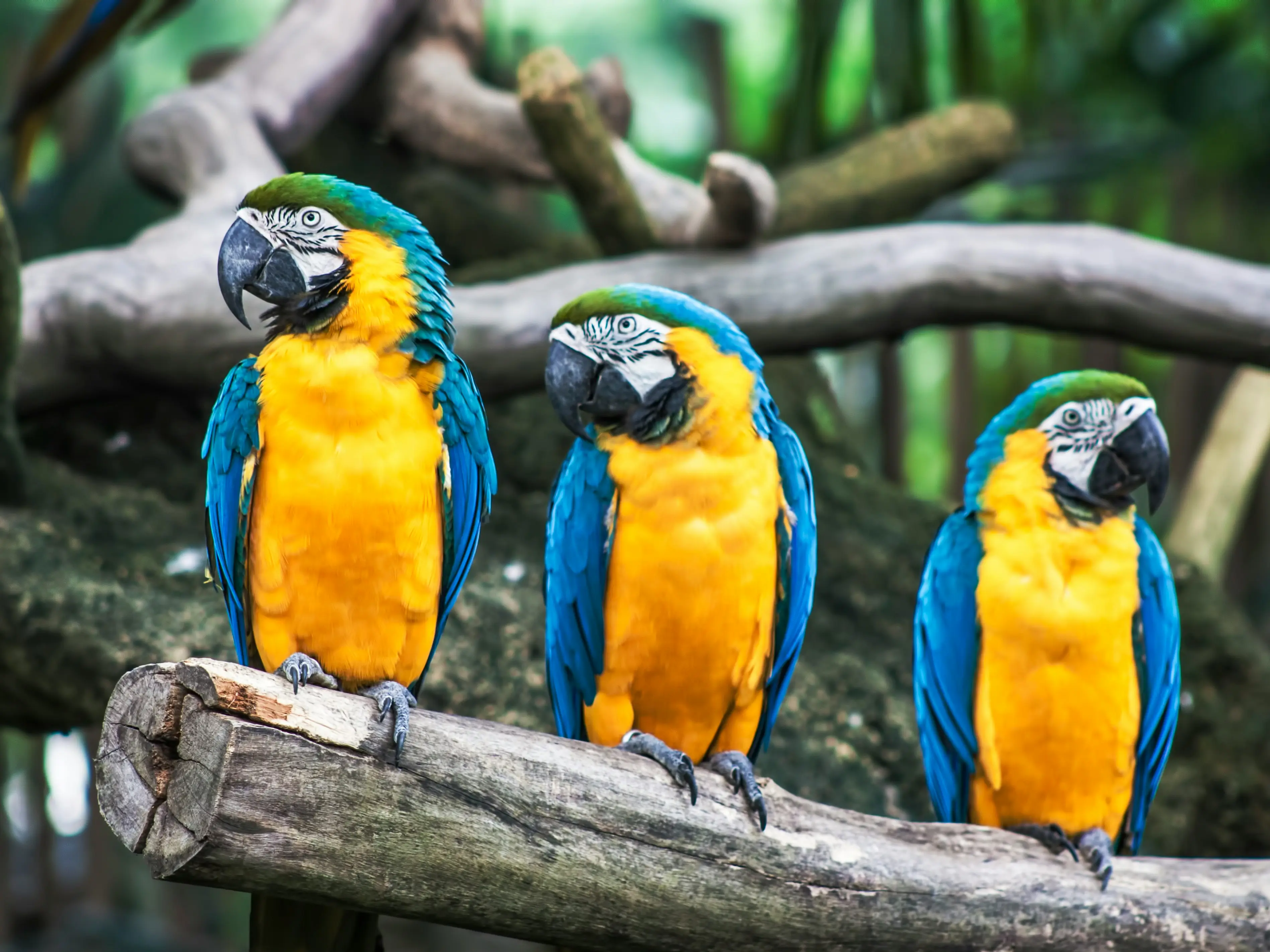
Representational Image. Photograph: (Unsplash)
National Bird Day was first established in 2002 by the Avian Welfare Coalition to promote the welfare of birds both in the wild and in captivity. It was decided to coincide with the rise of the wild bird preservation movement in the early 20th century.
National Bird Day is celebrated annually on January 5 to raise awareness about the importance of birds in our ecosystems. The day encourages people to appreciate the beauty, significance and diversity of birds in order to protect their habitats. Along with the pressing issues of bird extinction and habitat destruction, this day also encourages individuals and organisations to engage in efforts to conserve bird populations.
What is the history and origin of National Bird Day?
National Bird Day was first established in 2002 by the Avian Welfare Coalition to promote the welfare of birds both in the wild and in captivity. It was decided to coincide with the rise of the wild bird preservation movement in the early 20th century. Including hunting, habitat destruction, and the illegal pet trade, birds have experienced several challenges in the past, making a day dedicated to their protection essential.
The day also honours the efforts of conservationists and environmental organisations working to safeguard endangered bird species, including the bald eagle and the California condor, both of which were once close to extinction.
Significance of National Bird Day
National Bird Day highlights the vital role birds play in keeping ecosystems balanced. They act as pollinators, help disperse seeds and serve as key indicators of environmental health, while also bringing beauty and inspiration to people worldwide.
Trending Stories
&im=FitAndFill=(700,400))
)
)
)
)
&im=FitAndFill=(700,400))
)
)
)
)
)
)
)
)
)
)
)
&im=FitAndFill=(700,400))
)
)
)
)
)
&im=FitAndFill=(700,400))
)
)
)
)
)
&im=FitAndFill=(700,400))
)
)
)
Yet many bird species are under threat from human-driven factors such as deforestation, urban development and climate change. Beyond spreading awareness, National Bird Day urges people to back conservation initiatives and adopt sustainable practices to help protect these extraordinary animals.
Challenges
In the recent past, Bird populations have seen dramatic declines due to multiple factors. The habitat loss is marked as one of the most significant threats because forests are wiped out, wetlands are drained, and grasslands are converted for agriculture or urban development.
Climate change, habitat loss, poaching and the illegal pet trade threaten bird species by disrupting migration, food sources and breeding. To counter this, environmental groups are protecting habitats, establishing reserves and supporting laws to curb bird trafficking.

