What is the new UGC Bill 2026? Know key changes, controversy and its impact

&imwidth=600&imheight=450&format=webp&quality=medium "What is the new UGC Bill 2026? Know key changes, controversy and its impact")
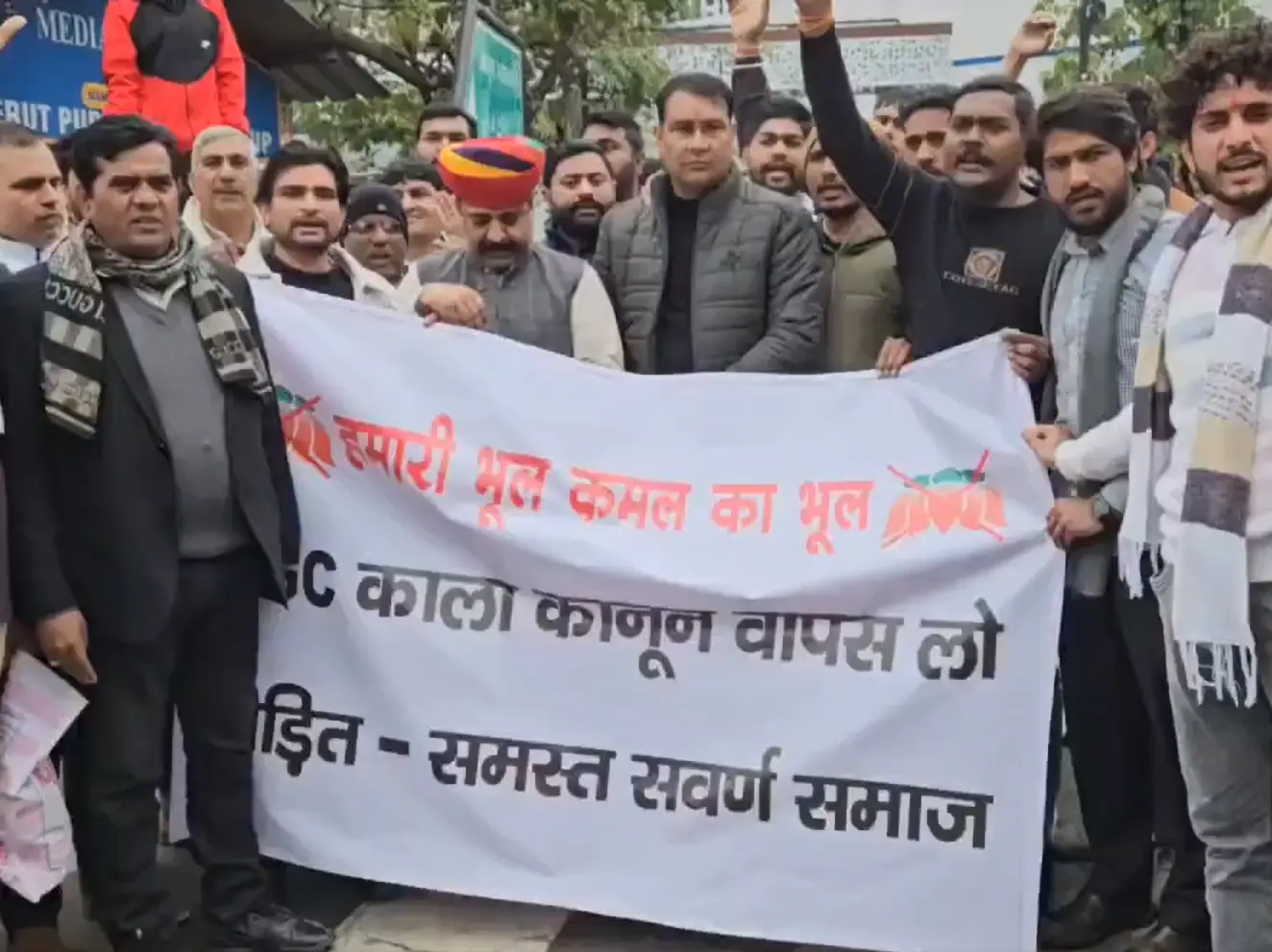
Nationwide protest against UGC Bill 2026. Photograph: (X/@NCMIndiaa)
The new regulations define discrimination broadly, covering unfair treatment linked to caste, religion, gender, disability, race, place of birth and other factors. It includes both direct and indirect actions that undermine equality or human dignity.
The University Grants Commission (UGC) has sparked a nationwide debate with its newly notified Promotion of Equity in Higher Education Institutions Regulations, 2026, which apply to all colleges and universities across India. The regulations seek to curb discrimination and foster inclusion; however, they have also drawn protests, political pushback, and legal scrutiny nationwide.
What is the new UGC Bill 2026?
The 2026 regulations replace the 2012 anti-discrimination guidelines with a legally enforceable framework that offers a wide definition of discrimination and requires institutions to take proactive steps to ensure equity on campuses.
The rules outline the responsibilities of colleges and universities to establish formal mechanisms for preventing, addressing, and monitoring discrimination on campuses. Key changes include wider definitions of unfair treatment and an enforceable compliance regime with penalties for institutions that fail to meet requirements.
Under the new UGC Bill, higher education institutions must put in place formal systems to prevent, address and monitor discriminatory conduct. The regulations widened the scope of what constitutes unfair treatment and introduced a compliance mechanism to bind institutions and impose penalties on those that fail to comply.
What is the new UGC Bill 2026 controversy?
Trending Stories
)
)
)
)
)
)
)
)
)
)
)
)
)
)
)
)
)
)
)
)
)
)
)
)
)
)
)
)
)
)
)
)
)
)
&im=FitAndFill=(700,400))
)
)
)
)
The bill has drawn sharp reactions after the inclusion of Other Backwards Classes (OBCs) alongside the Scheduled Castes and Scheduled Tribes. In addition, some have argued that it blurs long-standing affirmative action policy distinctions. Critics also indicated that the long explanation of “discrimination” and new procedures will increase misuse or unfair practice, prompting conflicts on the campus rather than resolution.
It has also been argued that the decision to include OBCs as a protected category could lead to the dilution of the established affirmative action frameworks. Protests have broken out in multiple states, with students and general category groups calling for the rules to be withdrawn, citing fears of reverse discrimination and campus unrest. A Public Interest Litigation has also been moved in the Supreme Court, seeking judicial scrutiny of key provisions.
Expanded definition of discrimination under the 2026 rules
The new regulations define discrimination broadly, covering unfair treatment linked to caste, religion, gender, disability, race, place of birth and other factors. It includes both direct and indirect actions that undermine equality or human dignity. Notably, for the first time, Other Backwards Classes (OBCs) have been explicitly included alongside Scheduled Castes (SCs) and Scheduled Tribes (STs) as protected groups, a provision at the heart of the ongoing debate.

