Lesson for India: Lancet study proves cutting traffic emissions improves kids' lung health

&imwidth=600&imheight=450&format=webp&quality=medium "Lesson for India: Lancet study proves cutting traffic emissions improves kids' lung health")
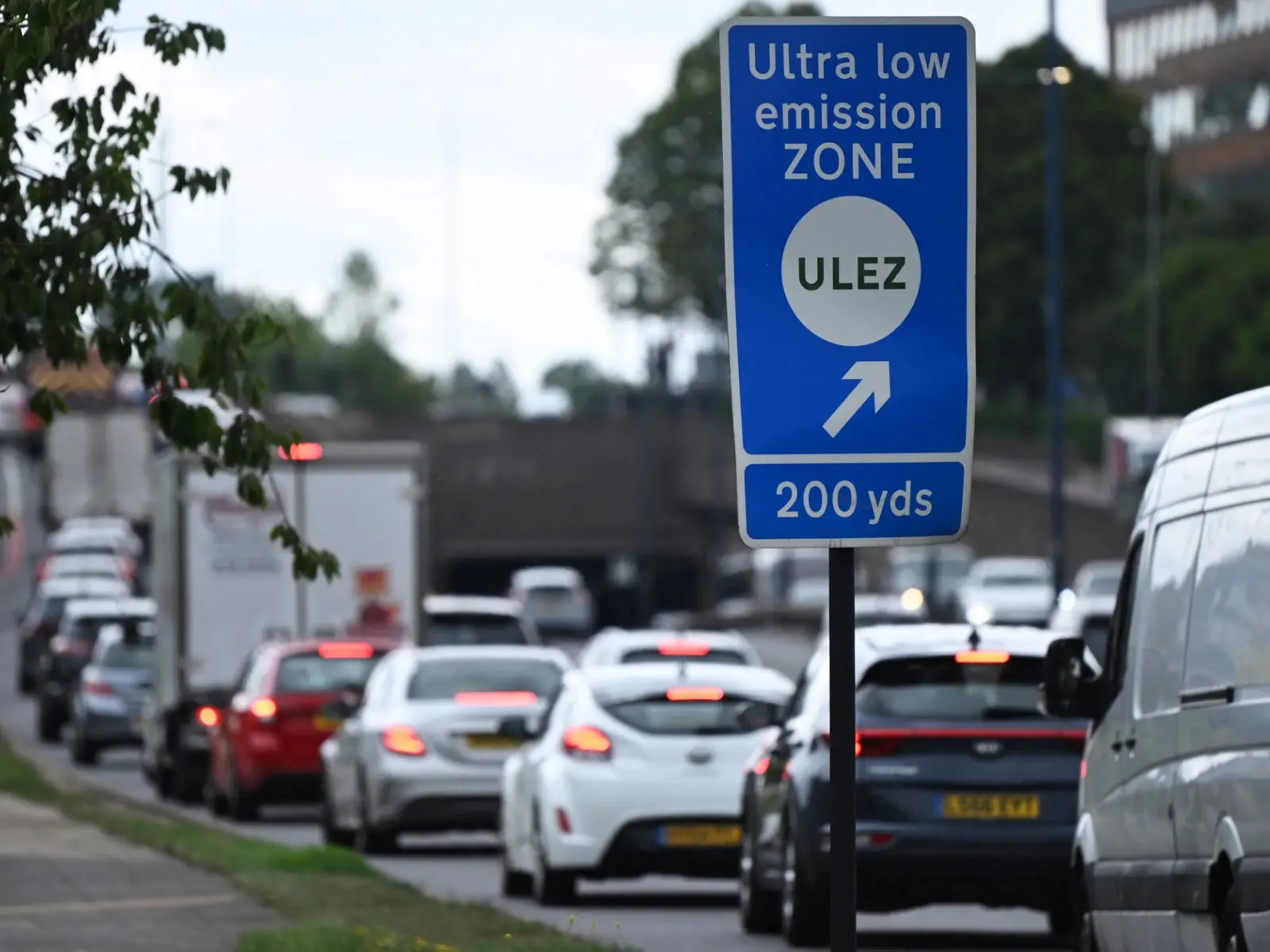
London implemented Ultra Low Emission Zone in 2019 and the effects are clearly visible. Photograph: (AFP)
A study published in The Lancet has proved that cutting traffic emissions improves lung development and function in kids. The paper was based on a 2019 measure taken in London, which shows that it is important to cut out toxins from the air for the health of kids.
In what is a major lesson for India, where every year northern parts of the country choke on polluted air, an emissions study in London has revealed that reducing toxic air pollution can lead to a drastic improvement in the health of young children. In 2019, London created an Ultra Low Emission Zone (ULEZ) where drastic steps were taken against traffic emissions. Five years of data now show that it had an immensely positive impact on the lung health of kids.
The paper, published in The Lancet Public Health, carries a lesson for not just India, but several countries around the world. "To our knowledge, we provide the first evidence that air quality improvements following [the] introduction of a clean air zone are associated with improved lung growth trajectories in children," the authors wrote in the paper. "Decision-makers globally should consider accelerating the introduction of clean air zones to improve children's lung health," they added.
Traffic-linked air pollution has been flagged as a major cause of lung disease, and even cancer, in adults. In children and older kids, this can strongly lead to impaired lung development, increasing their risk of developing asthma, chronic obstructive pulmonary disease, cardiometabolic disease, and earlier death.
Nitrogen dioxide levels dropped
The study noted that under ULEZ, roadside nitrogen dioxide levels, a major gas emitted by vehicles, registered a 54 per cent fall in central London and 27 per cent in the entire city. In the absence of such conclusive proof, the topic of curbing traffic emissions remained debatable as people cited problems faced by such measures.
But the study offers statistical proof that these steps work. For the study, lung function and growth of 3,414 school children, aged six to nine years, was measured. Nearly half were from central London,, and the rest lived 56 kilometres away in Luton. The researchers made the kids forcefully exhale air in one second and then measured the volume of that exhalation.
Trending Stories
&imwidth=280&imheight=210&format=webp&quality=medium)
&imwidth=280&imheight=210&format=webp&quality=medium)
&imwidth=280&imheight=210&format=webp&quality=medium)
&imwidth=280&imheight=210&format=webp&quality=medium)
&imwidth=280&imheight=210&format=webp&quality=medium)
&imwidth=280&imheight=210&format=webp&quality=medium)
&im=FitAndFill=(700,400)&imwidth=280&imheight=210&format=webp&quality=medium)
&imwidth=280&imheight=210&format=webp&quality=medium)
&imwidth=280&imheight=210&format=webp&quality=medium)
&imwidth=280&imheight=210&format=webp&quality=medium)
&imwidth=280&imheight=210&format=webp&quality=medium)
&imwidth=280&imheight=210&format=webp&quality=medium)
&imwidth=280&imheight=210&format=webp&quality=medium)
&imwidth=280&imheight=210&format=webp&quality=medium)
&imwidth=280&imheight=210&format=webp&quality=medium)
&imwidth=280&imheight=210&format=webp&quality=medium)
&im=FitAndFill=(700,400)&imwidth=280&imheight=210&format=webp&quality=medium)
&imwidth=280&imheight=210&format=webp&quality=medium)
&imwidth=280&imheight=210&format=webp&quality=medium)
&imwidth=280&imheight=210&format=webp&quality=medium)
&imwidth=280&imheight=210&format=webp&quality=medium)
&imwidth=280&imheight=210&format=webp&quality=medium)
&imwidth=280&imheight=210&format=webp&quality=medium)
&imwidth=280&imheight=210&format=webp&quality=medium)
&imwidth=280&imheight=210&format=webp&quality=medium)
&imwidth=280&imheight=210&format=webp&quality=medium)
&imwidth=280&imheight=210&format=webp&quality=medium)
&imwidth=280&imheight=210&format=webp&quality=medium)
&imwidth=280&imheight=210&format=webp&quality=medium)
&imwidth=280&imheight=210&format=webp&quality=medium)
&im=FitAndFill=(700,400)&imwidth=280&imheight=210&format=webp&quality=medium)
&imwidth=280&imheight=210&format=webp&quality=medium)
&imwidth=280&imheight=210&format=webp&quality=medium)
&imwidth=280&imheight=210&format=webp&quality=medium)
&imwidth=280&imheight=210&format=webp&quality=medium)
&imwidth=280&imheight=210&format=webp&quality=medium)
&imwidth=280&imheight=210&format=webp&quality=medium)
Lung function of kids from London improved after ULEZ
In the first year, before ULEZ was implemented, the average lung growth of kids from London was stunted compared to those from Luton. Their average annual exposure to nitrogen dioxide (NO2) was modeled as 18.95 μg/m3, way higher than that of kids in Luton. But after the implementation of ULEZ, their lung function measurement increased by 10 mL/year faster, on average, compared to Luton. NO2 in central London dropped 3.77 μg/m3 per year in London. Both these changes show that the ULEZ had a major positive effect. Four years later, their lung function was same as kids from Luton.
"We already knew that the ULEZ reduced air pollution but now we know that children's lung health has improved at the same time, which is a really important finding for children and parents living in London," lead author respiratory physiologist Helen Wood of Queen Mary University of London, said.

