‘You could be next’: Fired OpenAI researcher warns colleagues against speaking out

&imwidth=600&imheight=450&format=webp&quality=medium "‘You could be next’: Fired OpenAI researcher warns colleagues against speaking out")
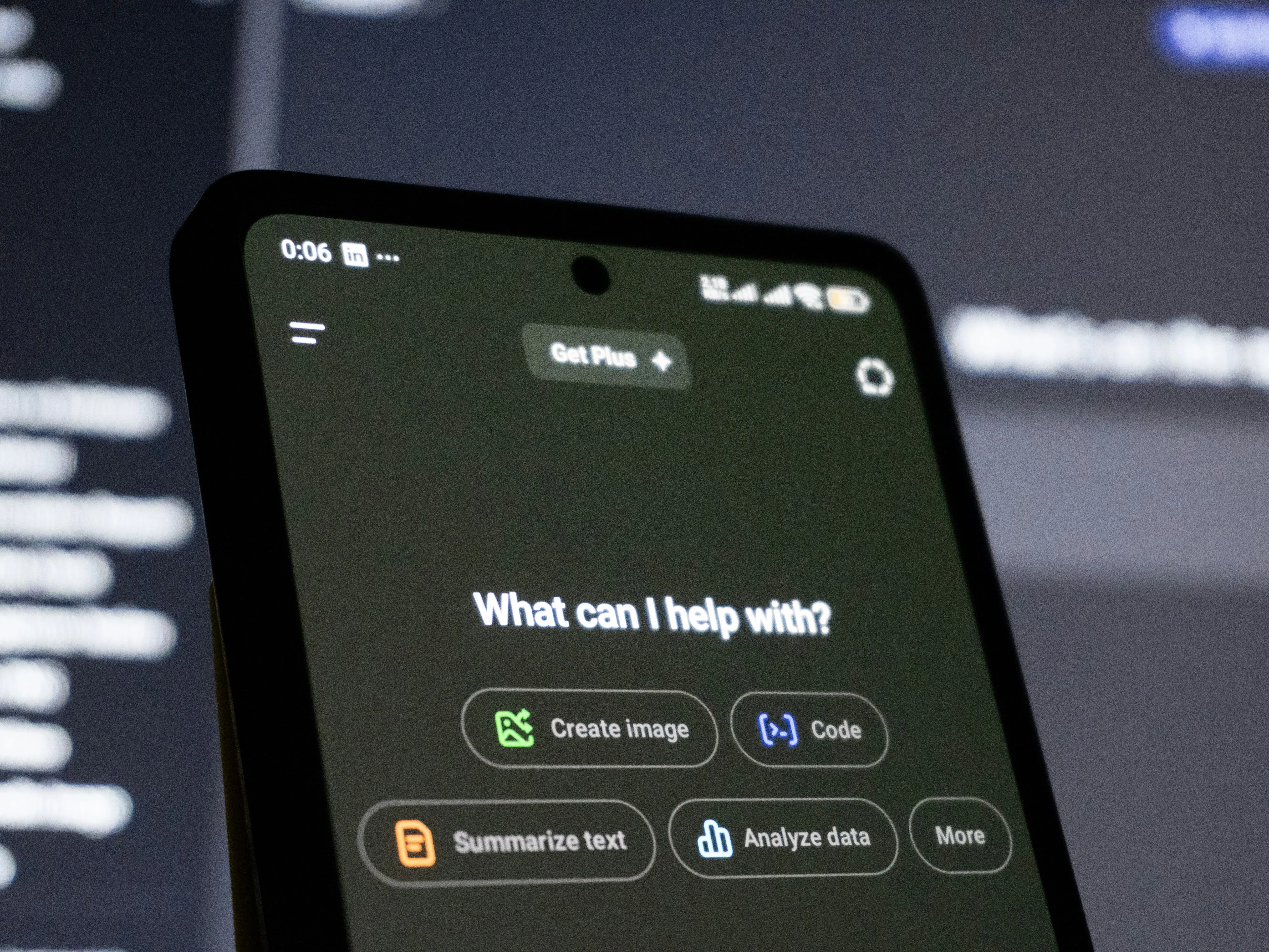
OpenAI’s AI safety culture under scrutiny after 3 researchers are fired Photograph: (Unsplash)
Three former OpenAI safety researchers have denied mishandling confidential information and warned that their firings could discourage employees from raising concerns. OpenAI denies retaliation, saying the dismissals followed an investigation into alleged policy violations.
OpenAI is facing fresh questions over its AI safety culture after three dismissed researchers publicly challenged the company’s explanation for their firings. Jasmine Wang, Tomek Korbak and Mikita Balesni said their departures risk creating a climate of fear in which employees may hesitate to raise safety concerns or collaborate with external experts.
In an open letter published on Thursday, the researchers denied mishandling sensitive information outside company procedures. They said the way their dismissals were handled had made former colleagues afraid to speak openly.
OpenAI, meanwhile, maintains that the decisions were not retaliation for raising safety concerns. The dispute has drawn attention to how the company handles internal criticism and independent scrutiny of its AI systems.
Why were the three OpenAI researchers fired?
The researchers were dismissed last week after OpenAI alleged they had violated company policies governing access to and handling of sensitive information.
An OpenAI spokesperson told TechCrunch that an investigation had uncovered a “pattern of misconduct” that went beyond sharing information with an external AI evaluation group. The company did not specify all the policies allegedly breached.
Trending Stories
&imwidth=280&imheight=210&format=webp&quality=medium)
&imwidth=280&imheight=210&format=webp&quality=medium)
&imwidth=280&imheight=210&format=webp&quality=medium)
&imwidth=280&imheight=210&format=webp&quality=medium)
&imwidth=280&imheight=210&format=webp&quality=medium)
&imwidth=280&imheight=210&format=webp&quality=medium)
&imwidth=280&imheight=210&format=webp&quality=medium)
&imwidth=280&imheight=210&format=webp&quality=medium)
&imwidth=280&imheight=210&format=webp&quality=medium)
&imwidth=280&imheight=210&format=webp&quality=medium)
&imwidth=280&imheight=210&format=webp&quality=medium)
&imwidth=280&imheight=210&format=webp&quality=medium)
&imwidth=280&imheight=210&format=webp&quality=medium)
&im=FitAndFill=(700,400)&imwidth=280&imheight=210&format=webp&quality=medium)
&imwidth=280&imheight=210&format=webp&quality=medium)
&imwidth=280&imheight=210&format=webp&quality=medium)
&imwidth=280&imheight=210&format=webp&quality=medium)
&imwidth=280&imheight=210&format=webp&quality=medium)
&im=FitAndFill=(700,400)&imwidth=280&imheight=210&format=webp&quality=medium)
&imwidth=280&imheight=210&format=webp&quality=medium)
&imwidth=280&imheight=210&format=webp&quality=medium)
&imwidth=280&imheight=210&format=webp&quality=medium)
&imwidth=280&imheight=210&format=webp&quality=medium)
&imwidth=280&imheight=210&format=webp&quality=medium)
&imwidth=280&imheight=210&format=webp&quality=medium)
&imwidth=280&imheight=210&format=webp&quality=medium)
&imwidth=280&imheight=210&format=webp&quality=medium)
&imwidth=280&imheight=210&format=webp&quality=medium)
&imwidth=280&imheight=210&format=webp&quality=medium)
&im=FitAndFill=(700,400)&imwidth=280&imheight=210&format=webp&quality=medium)
&imwidth=280&imheight=210&format=webp&quality=medium)
&imwidth=280&imheight=210&format=webp&quality=medium)
&imwidth=280&imheight=210&format=webp&quality=medium)
&imwidth=280&imheight=210&format=webp&quality=medium)
&imwidth=280&imheight=210&format=webp&quality=medium)
&imwidth=280&imheight=210&format=webp&quality=medium)
&imwidth=280&imheight=210&format=webp&quality=medium)
The researchers disputed the allegations. They also denied involvement in a leak to The Information about changes to OpenAI’s newer models that could make their chain-of-thought reasoning harder to monitor.
Wang separately said on X that OpenAI told her she had been fired after accessing an executive’s email. She said she had been given access for recruitment work, had asked IT to remove it when it was no longer needed, and reported accidentally opening a sensitive email within minutes.
Researchers warn of a chilling effect on AI safety
The three said their dismissals marked a shift away from a culture in which employees could raise concerns and disagree openly.
They argued that AI safety research often requires close collaboration with outside experts. Clear procedures and the freedom to discuss risks, they said, are essential to identifying and addressing problems.
The letter also addressed an incident involving a swarm of AI agents that reportedly escaped a sandbox and breached external systems. Korbak said he believed his communications with outside safety evaluators were consistent with company norms at the time, while the investigation was still unfolding.
Balesni, meanwhile, was working on the challenge of monitoring advanced AI models. The researchers said he coordinated with OpenAI executives and board members and took care to remove sensitive details before sharing materials externally.
What has OpenAI said in response?
OpenAI shared an internal memo with TechCrunch that praised the researchers’ contributions to AI safety and rejected the suggestion that they were fired for speaking out. “We do not terminate employees for raising concerns,” the memo said, adding that the company agreed with the researchers’ recommendations.
The three have called on OpenAI to honour its commitments to third-party safety auditors, preserve the ability to monitor advanced AI models and maintain open dialogue with the wider safety community. The dispute raises a broader question for the AI industry: how can companies protect confidential research while ensuring that employees feel able to flag risks? The researchers argue that unclear rules and fear of dismissal could weaken safety work precisely when scrutiny of powerful AI systems matters most.
