Musk points finger at anti-defamation league for X's ad sales slump, threatens legal showdown


Elon Musk seen in a file photo.
On a seemingly ordinary Monday (September 4) afternoon, tech mogul Elon Musk, known for his controversial Twitter presence, made a surprising statement on his verified Twitter account. Musk, the owner of X, formerly known as Twitter, declared his stance against antisemitism, sparking a Twitter storm and subsequent clash with the Anti-Defamation League (ADL).
The move brought to light several issues, including allegations of false accusations and a significant decline in advertising revenue for X, which Musk attributed to the ADL's influence.
Musk's allegations and threats

Elon Musk's Twitter posts expressed his concern over antisemitism and free speech. He accused the ADL of attempting to undermine his social media platform by falsely labelling it and himself as antisemitic. Musk even hinted at a potential defamation lawsuit against the ADL, threatening to force them to drop the "anti" part of their name if they lost the suit. This provocative move left many wondering about the implications and possible legal actions.
ADL's response and policy
)
'Definitely feel bad for yourself': Kuldeep Yadav opens up on India Test snubs
)
India’s imports from Russia jump 57% in five months; China remains top import source
)
China's property crisis deepens as investment plunges nearly 20%
)
IND vs AFG, 2nd T20I: Reddy, Samson shine as India defeat Afghanistan by 7 wickets to clinch series
)
1,200 Indian and US troops begin high-altitude and desert drills
)
Saudi Arabia discovers 110 million tonnes of Uranium-rich ore in Madinah region
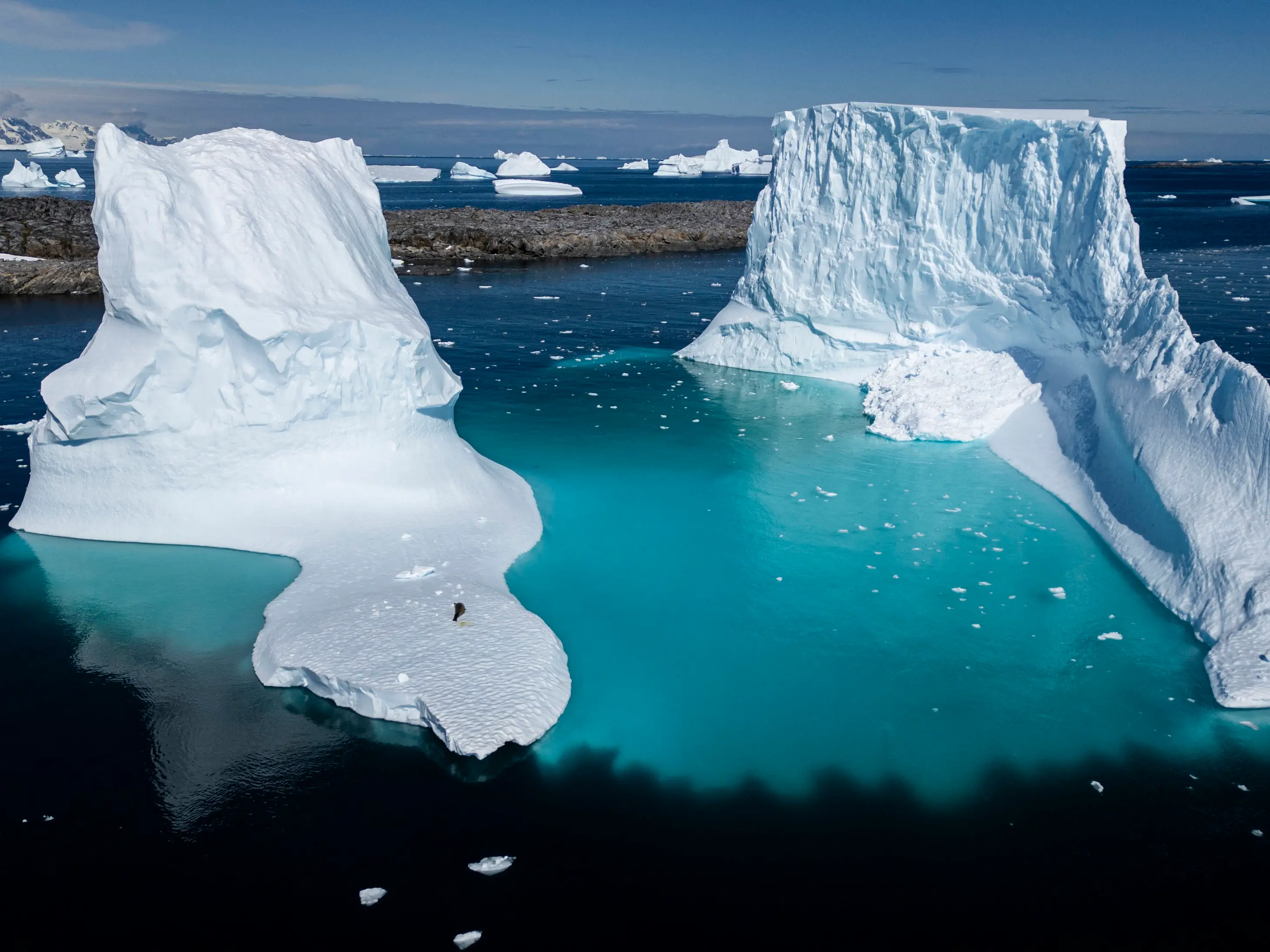)
Extreme warming in Indian Ocean added 695 billion tons of ice to Antarctica ice sheet
)
'She married her brother': Ilhan Omar faces criminal probe over immigration fraud claims
)
Messi set to play in farewell match on October 6 in Argentina vs Benin friendly
)
West Bengal IPS officer Bushra Bano transferred after objections to ‘Assalamualaikum’, ‘Inshallah’
)
Top military commanders from US, Israel, and 7 Arab nations held secret meeting on Iran War
)
Spanish officer sent home from NATO base over affair with 'Russian spy' | Gravitas
)
US Treasury yields cross 5% as Scott Bessent warns of ‘global issues’ impacting bonds
)
‘US military task force aiding Saudi Arabia forces with intel, planning support’: Official
)
Trump's Iran war faces fresh House rebuke; 7 Republicans join Democrats in push to end conflict ahead of midterms
)
Elephants hide behind trees, stage surprise attack on poachers targeting rhinos in South Africa
)
Russia proposes to build 360 kmph Ivolga FG trains in India: What happened on sidelines of BRICS
)
Imran Khan’s sons accuse Asim Munir of holding ‘personal grudge’ against imprisoned father
)
Amid AI safety fears, OpenAI, Anthropic and Google move to create standards body
)
Saudi turns to Israel for intelligence help as Houthi attacks intensify: Report
&im=FitAndFill=(700,400))
New OTT releases this week (September 14-20, 2026): Lust Stories 3, Waiting Hai, Irumudi- 5 new titles coming on Netflix, Prime Video and more
)
A big shift in modern air power & control
)
Delhi schools receive bomb threats in Punjabi, security checks find nothing suspicious
)
800 million years old - Scientists discover 'fingerprints' of supercontinent Gondwana in ancient rocks
)
OpenAI boss Sam Altman repeats AI 'slow down' call, says world 'right to be afraid'
)
Ed Sheeran’s US tour loses all support acts after Macklemore’s removal | Controversy explained
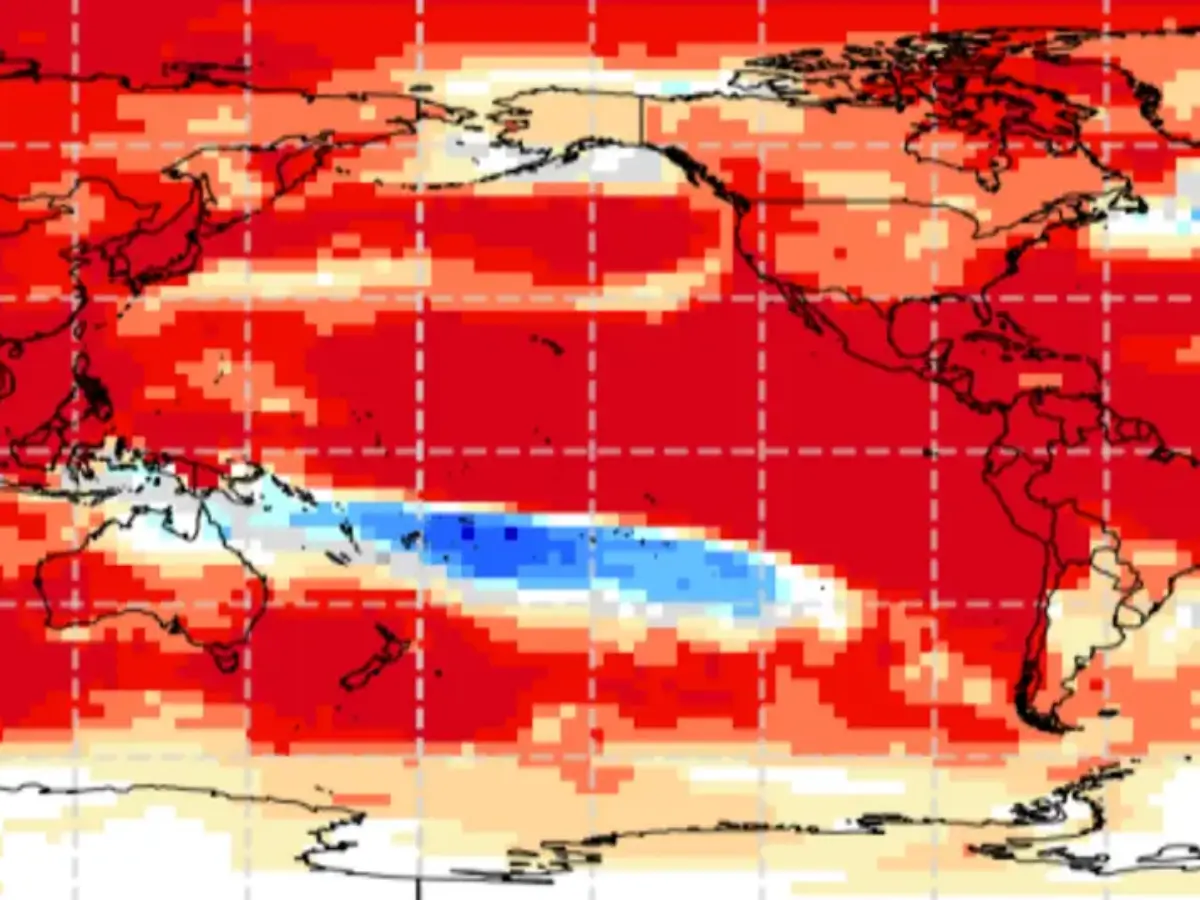)
2026 El Niño will create new extreme weather patterns. Worse, no one can predict them
)
Bitter Zelensky snubs Trump for playing politics with Ukraine war | Gravitas
)
Who is Kalyan Bainsla, accused in the Gurugram hit-and-run case involving woman biker?
)
'Now Trump is copying us': Shivakumar links US $5,000 plan to Congress guarantees
)
Trump's name cannot return to Kennedy Center, US judge rules
)
Water equivalent to two Pacific Oceans could be stashed 2,900 km inside Earth
)
‘Kill all in the name of...’: FBI arrests 21-year-old over alleged ISIS-inspired mass-casualty attack plot
)
'Like a thug you are using agency to go after..': Kash Patel grilled by Senate Democrats over FBI firings, journalist investigations and hiring policy
In response to Musk's accusations, the ADL refrained from commenting on the legal threats, citing their policy. They referred media inquiries to a general statement addressing a recent #BanTheADL campaign on the platform, which Musk had engaged with. This stance signalled their intent to remain focused on their mission of combating hate in all forms and safeguarding marginalised groups.
Advertising revenue woes
Musk also claimed that X's advertising revenue had plummeted by 60 per centin the US.He attributed this sharp decline to pressure from the ADL, alleging that advertisers were influenced by the organisation's actions. This assertion raised questions about the power of advocacy groups over social media platforms and their revenue streams.
Previous controversies and legal battles
This clash between Musk and the ADL isn't the first controversy surrounding X. In the past, advertisers expressed concerns about potential changes Musk might make to the platform, leading to a pullback in advertising. Musk himself blamed "activist groups" for trying to suppress free speech on the platform. Additionally, X recently filed a lawsuit against the Center for Countering Digital Hate (CCDH), accusing them of orchestrating a campaign to drive advertisers away from the platform. This lawsuit added another layer to Musk's legal battles and drew criticism from CCDH.
Also watch |Musk vs US govt over subsidies
The ADL had previously published a report accusing X of failing to take action against hate speech. Their research indicated that a mere 28 per cent of posts flagged for antisemitic content received sanctions or removal. This critique highlighted concerns about X's commitment to combating hate speech and its effectiveness in content moderation.
A study from Montclair State University revealed a concerning increase in hate speech on X shortly after Musk assumed ownership. The platform witnessed a surge in offensive content targeting individuals based on race and other protected classes, suggesting a shift in the acceptability of such content under Musk's leadership. Moreover, X faced backlash for seemingly reversing its policy aimed at protecting transgender individuals on the platform, earning it the title of "the most dangerous platform for LGBTQ people", according to GLAAD's Social Media Safety Index.
WATCH WION LIVE HERE: