‘AI strategy update’: Greg Brockman takes charge of product strategy at OpenAI

&imwidth=600&imheight=450&format=webp&quality=medium "‘AI strategy update’: Greg Brockman takes charge of product strategy at OpenAI")
‘AI strategy update’: Greg Brockman takes charge of product strategy at OpenAI
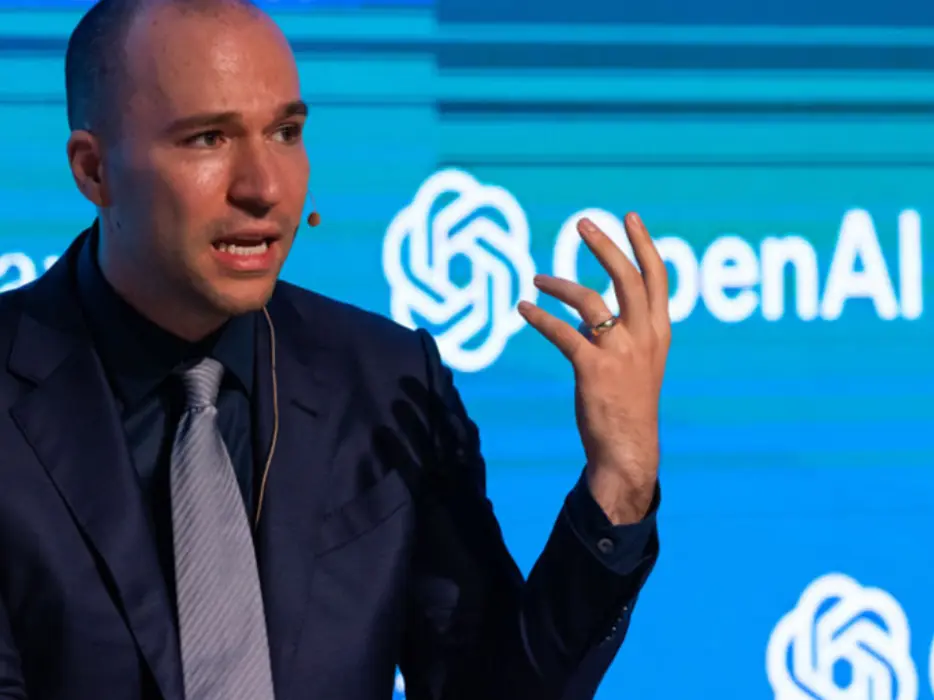
OpenAI has placed co-founder and president Greg Brockman in charge of its product strategy, marking a shift in how the company plans to develop and manage its AI tools.
OpenAI has placed co-founder and president Greg Brockman in charge of its product strategy, marking a shift in how the company plans to develop and manage its AI tools.
The move comes as part of an internal transition, with Brockman already overseeing products on an interim basis while the company’s CEO of AGI deployment remains on medical leave.
Focus on unifying products
According to internal discussions, OpenAI plans to combine its key offerings into a single platform. This includes bringing together ChatGPT, Codex and its developer APIs into one unified experience.
The aim is to simplify how users interact with OpenAI tools, whether they are individual users or businesses. By creating a single product ecosystem, the company expects to improve efficiency and user experience.
Brockman has indicated that this approach is designed to support what the company describes as an “agentic future”, where AI systems can perform tasks more independently.
Trending Stories
)
)
)
)
)
)
)
)
)
)
)
)
)
)
)
)
)
)
)
)
)
)
)
)
)
)
)
)
)
)
)
)
)
)
&im=FitAndFill=(700,400))
)
)
)
)
Shift towards core products
The strategy reflects a broader focus on strengthening OpenAI’s main products. Earlier, CEO Sam Altman had called for greater attention on the core ChatGPT experience.
Following that direction, the company has reduced work on some experimental projects and redirected resources towards its primary platforms.
This shift suggests that OpenAI is prioritising stability, usability and scalability over expanding into multiple new areas at once.
Leadership transition and continuity
While Brockman is now leading product strategy, OpenAI has said that existing leadership continues to be involved in decision-making.
The company noted that the current changes were planned in coordination with other executives, even as responsibilities have been adjusted temporarily.
This indicates that the shift is part of a structured transition rather than a sudden change in direction.
What this means for users and developers
For users, the integration of different tools into a single platform could make it easier to access AI services without switching between multiple products.
For developers, combining APIs and tools may simplify workflows and reduce complexity when building applications using OpenAI’s technology.
This approach could also help OpenAI compete more effectively in both consumer and enterprise markets.
Industry context and competition
The move comes at a time when competition in artificial intelligence is increasing, with companies focusing on building integrated platforms rather than standalone tools.
By consolidating its products, OpenAI is aligning with this trend and aiming to strengthen its position in the AI market. OpenAI is expected to continue refining its product strategy in the coming months, with further updates likely as integration plans move forward.
The success of this approach will depend on how well the company can combine its technologies while maintaining performance and usability.
Overall, the change signals a more focused strategy as OpenAI works to develop its next phase of AI products.
