'200 billion views a day on Shorts': YouTube bets big on AI, creators may soon get to use AI likenesses

&imwidth=600&imheight=450&format=webp&quality=medium "'200 billion views a day on Shorts': YouTube bets big on AI, creators may soon get to use AI likenesses")
YouTube to allow creators to use AI versions of themselves in Shorts
YouTube will soon let creators use AI to generate Shorts using their own face and voice, YouTube CEO Neal Mohan said. The move is to boost creativity while adding safeguards to prevent misuse, deepfakes and low-quality AI content.
You may soon start seeing AI-generated versions of your favourite creators while scrolling through Shorts. YouTube CEO Neal Mohan announced that creators will be able to make Shorts using their own likeness, including their face and voice, using artificial intelligence tools.
The announcement was made in Mohan’s annual letter, where he outlined YouTube’s plans for AI-powered creation in 2026. According to him, AI on YouTube will focus on helping creators express themselves, not replace them.
What the new AI likeness feature means
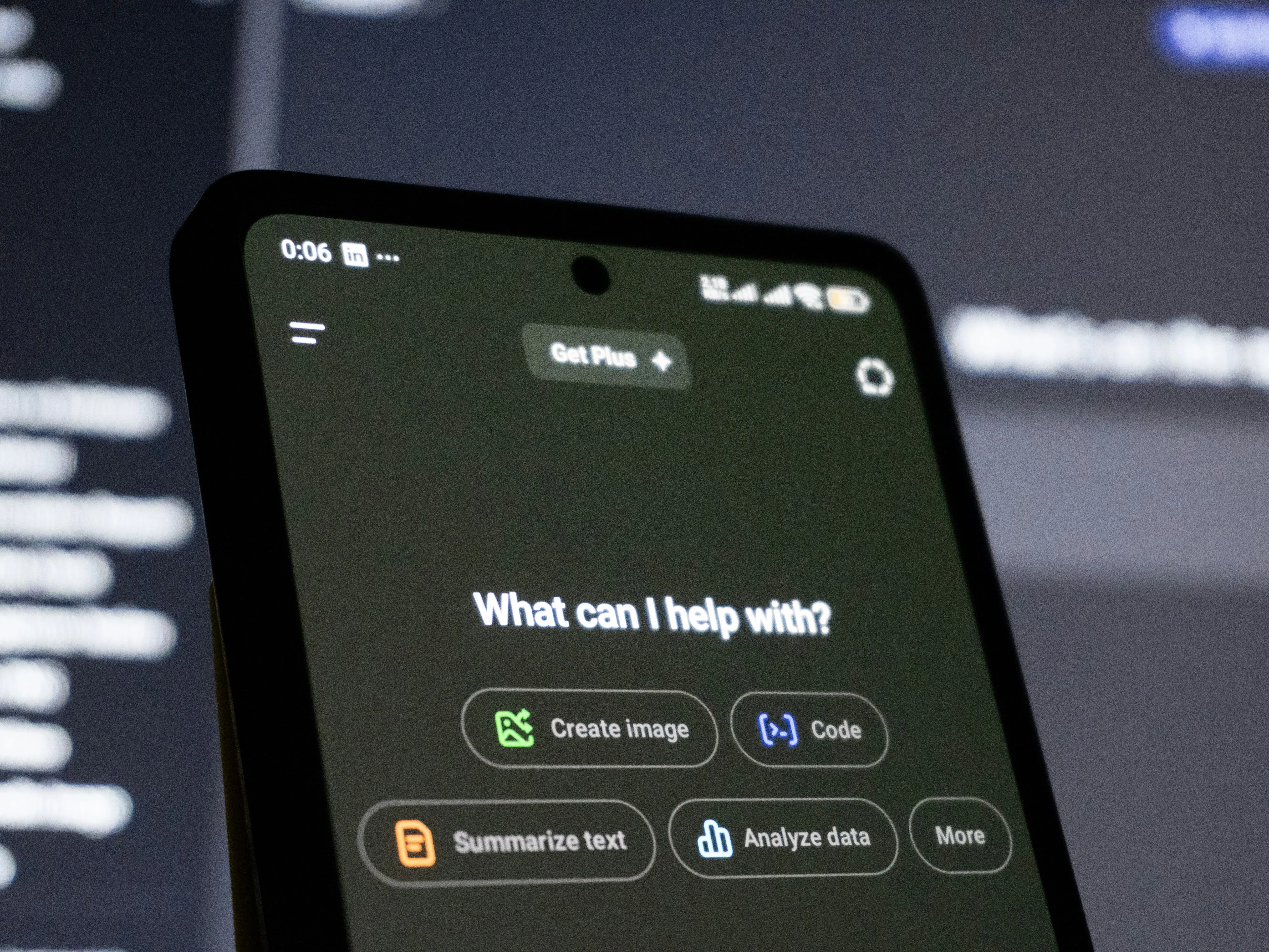
According to him, creators will soon be able to use their own likeness to create Shorts, generate games using simple text prompts, and experiment with music. While YouTube has not yet shared detailed technical information, the feature will be added to the platform’s growing list of AI tools for Shorts.
These already include AI-generated video clips, AI stickers, automatic dubbing into other languages, and editing tools designed to save time for creators. The new likeness feature will allow creators to appear in content even when they are not directly recording videos.
Massive reach and YouTube’s AI push
Trending Stories
&imwidth=280&imheight=210&format=webp&quality=medium)
&imwidth=280&imheight=210&format=webp&quality=medium)
&imwidth=280&imheight=210&format=webp&quality=medium)
&imwidth=280&imheight=210&format=webp&quality=medium)
&imwidth=280&imheight=210&format=webp&quality=medium)
&imwidth=280&imheight=210&format=webp&quality=medium)
&imwidth=280&imheight=210&format=webp&quality=medium)
&imwidth=280&imheight=210&format=webp&quality=medium)
&imwidth=280&imheight=210&format=webp&quality=medium)
&imwidth=280&imheight=210&format=webp&quality=medium)
&im=FitAndFill=(700,400)&imwidth=280&imheight=210&format=webp&quality=medium)
&imwidth=280&imheight=210&format=webp&quality=medium)
&imwidth=280&imheight=210&format=webp&quality=medium)
&imwidth=280&imheight=210&format=webp&quality=medium)
&imwidth=280&imheight=210&format=webp&quality=medium)
&imwidth=280&imheight=210&format=webp&quality=medium)
&imwidth=280&imheight=210&format=webp&quality=medium)
&imwidth=280&imheight=210&format=webp&quality=medium)
&imwidth=280&imheight=210&format=webp&quality=medium)
&imwidth=280&imheight=210&format=webp&quality=medium)
&im=FitAndFill=(700,400)&imwidth=280&imheight=210&format=webp&quality=medium)
&imwidth=280&imheight=210&format=webp&quality=medium)
&imwidth=280&imheight=210&format=webp&quality=medium)
&imwidth=280&imheight=210&format=webp&quality=medium)
&imwidth=280&imheight=210&format=webp&quality=medium)
&imwidth=280&imheight=210&format=webp&quality=medium)
&imwidth=280&imheight=210&format=webp&quality=medium)
&imwidth=280&imheight=210&format=webp&quality=medium)
&im=FitAndFill=(700,400)&imwidth=280&imheight=210&format=webp&quality=medium)

&im=FitAndFill=(700,400)&imwidth=280&imheight=210&format=webp&quality=medium)
&imwidth=280&imheight=210&format=webp&quality=medium)
&imwidth=280&imheight=210&format=webp&quality=medium)
&imwidth=280&imheight=210&format=webp&quality=medium)
&imwidth=280&imheight=210&format=webp&quality=medium)
&imwidth=280&imheight=210&format=webp&quality=medium)
&imwidth=280&imheight=210&format=webp&quality=medium)
Shorts is one of the platform’s fastest-growing formats. Mohan said Shorts now receives an average of200 billion views every day, making it a key focus area for YouTube’s future growth.
To keep creators engaged and maintain viewer interest, YouTube is investing heavily in AI-powered features. The company believes these tools can help creators produce content faster.
Control and protection of creator identity
He said creators will be given new tools to manage how their likeness is used in AI-generated content. This comes as concerns grow around misuse of AI, including deepfakes and unauthorised impersonation.
Last October, YouTube introduced likeness-detection technology for eligible creators. The system helps identify AI-generated videos that use a creator’s face or voice without permission. Creators can then request removal of such content.
According to Mohan, YouTube will continue improving these systems to protect creators while allowing responsible use of AI tools.
YouTube’s effort to curb low-quality AI content
Like other social media platforms, YouTube has faced criticism over the spread of low-quality and repetitive AI-generated videos. Mohan said the company is actively working to reduce such content.
He noted that YouTube is building on its existing systems that already fight spam and clickbait. The goal, he said, is to protect the quality of content while still allowing creative freedom.
YouTube believes that while trends change over time, maintaining trust and viewing quality remains essential as AI becomes a bigger part of online video creation.
