Asia Cup 2025: Why Shreyas Iyer keeps getting overlooked? Numbers don't lie

&imwidth=600&imheight=450&format=webp&quality=medium "Asia Cup 2025: Why Shreyas Iyer keeps getting overlooked? Numbers don't lie")
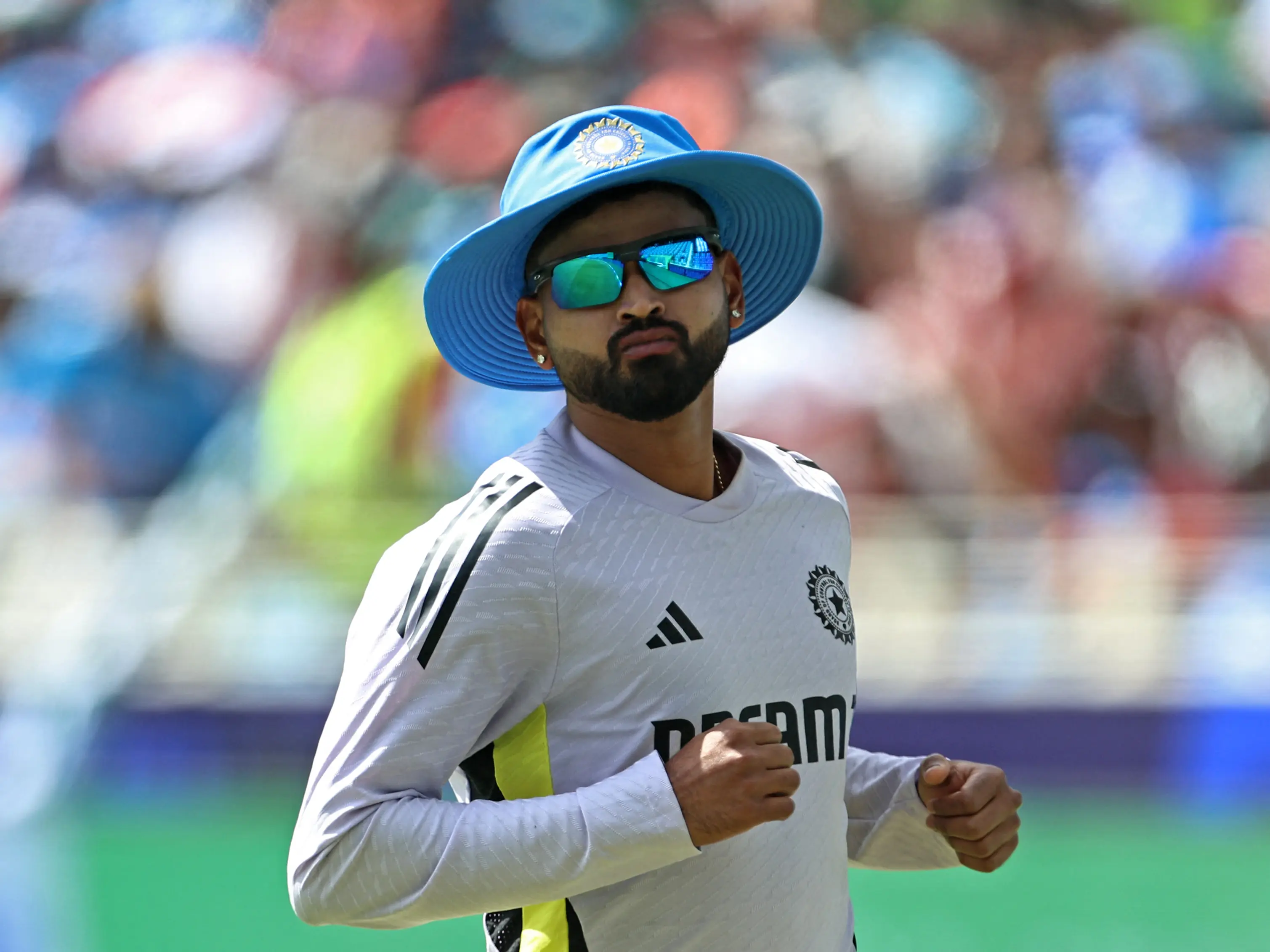
Shreyas Iyer Photograph: (AFP)
Despite having remarkable performance in the ICC Champions Trophy and then in the Indian Premier League, the 30-year-old right-hand batter was not selected by the selection committee for the upcoming Asia Cup
When India announced its 15-man squad for the Asia Cup in September 2025, one name was conspicuously missing: Shreyas Iyer. The Punjab Kings captain – fresh off a stellar Indian Premier League (IPL) campaign – did not even find a place among the reserves. His omission has left fans and experts baffled, considering the weight of his performances in the past year. In IPL 2025, Iyer was at his prime best. He amassed 604 runs in 17 innings at an average of 50.33 and a sensational strike-rate of 175, guiding Punjab Kings to their first final since 2014. Just a few months before that, he had been India’s standout performer in the ICC Champions Trophy, where he topped the batting charts for India with 243 runs at an average of 48.60. For his consistent form, he was even named ICC’s Player of the Month in March 2025.
The Statistical Case
Numbers alone should have guaranteed Iyer a spot. In the 2025 Champions Trophy, he scored two important half-centuries and played a crucial role in India lifting the trophy after a 12-year wait. In T20Is since the 2024 World Cup, he has piled up nearly 950 runs in 25 innings at an average of 49.94 and a strike-rate approaching 180, including a career-best unbeaten 130. His overall ODI record stands at more than 2,400 runs with five centuries and 18 half-centuries. In the IPL, he has crossed the 3,000-run mark with 21 half-centuries to his name. The numbers don’t lie. They suggest a batsman in peak form and a natural choice for a middle-order slot.
The Leader India Doesn’t Pick
But Iyer’s case is about more than just runs. He has developed into one of the finest leaders in Indian cricket. Remarkably, he has taken three different IPL franchises – Delhi, Kolkata, and Punjab – into finals. In 2024, he lifted the trophy with Kolkata Knight Riders; in 2025, he guided Punjab Kings to their first final in over a decade. He has also led Mumbai to a Syed Mushtaq Ali Trophy win, underscoring his ability to inspire teams across formats and competitions. Iyer was also a central figure in India’s Champions Trophy win earlier this year, not just as a batsman but as a calm, tactical presence in pressure situations. Former selectors have often lauded his cricketing brain and fielding ability, qualities that add further value to his resume.
The Selectors’ Stand
Trending Stories
&imwidth=280&imheight=210&format=webp&quality=medium)
&imwidth=280&imheight=210&format=webp&quality=medium)
&imwidth=280&imheight=210&format=webp&quality=medium)
&imwidth=280&imheight=210&format=webp&quality=medium)
&imwidth=280&imheight=210&format=webp&quality=medium)
&imwidth=280&imheight=210&format=webp&quality=medium)
&imwidth=280&imheight=210&format=webp&quality=medium)
&imwidth=280&imheight=210&format=webp&quality=medium)
&imwidth=280&imheight=210&format=webp&quality=medium)
&imwidth=280&imheight=210&format=webp&quality=medium)
&imwidth=280&imheight=210&format=webp&quality=medium)
&imwidth=280&imheight=210&format=webp&quality=medium)
&imwidth=280&imheight=210&format=webp&quality=medium)
&imwidth=280&imheight=210&format=webp&quality=medium)
&imwidth=280&imheight=210&format=webp&quality=medium)
&imwidth=280&imheight=210&format=webp&quality=medium)
&imwidth=280&imheight=210&format=webp&quality=medium)
&imwidth=280&imheight=210&format=webp&quality=medium)
&imwidth=280&imheight=210&format=webp&quality=medium)
&imwidth=280&imheight=210&format=webp&quality=medium)
&imwidth=280&imheight=210&format=webp&quality=medium)
&imwidth=280&imheight=210&format=webp&quality=medium)
&imwidth=280&imheight=210&format=webp&quality=medium)
&imwidth=280&imheight=210&format=webp&quality=medium)
&imwidth=280&imheight=210&format=webp&quality=medium)
&imwidth=280&imheight=210&format=webp&quality=medium)
&imwidth=280&imheight=210&format=webp&quality=medium)
&imwidth=280&imheight=210&format=webp&quality=medium)
&imwidth=280&imheight=210&format=webp&quality=medium)
&imwidth=280&imheight=210&format=webp&quality=medium)
&imwidth=280&imheight=210&format=webp&quality=medium)
&imwidth=280&imheight=210&format=webp&quality=medium)
&imwidth=280&imheight=210&format=webp&quality=medium)
&imwidth=280&imheight=210&format=webp&quality=medium)
&im=FitAndFill=(700,400)&imwidth=280&imheight=210&format=webp&quality=medium)
&imwidth=280&imheight=210&format=webp&quality=medium)
&imwidth=280&imheight=210&format=webp&quality=medium)
&imwidth=280&imheight=210&format=webp&quality=medium)
&imwidth=280&imheight=210&format=webp&quality=medium)
Chief selector Ajit Agarkar defended the decision, saying Iyer had done ‘nothing wrong’ but ‘needs to wait for his chance’. His argument was simple: the squad balance left little room to accommodate him. But critics were unconvinced. Former coach Abhishek Nayar said he “can’t fathom” leaving Iyer out even of the larger pool, calling it a message that the Mumbai batsman was not in the selectors’ long-term plans. Other voices, from ex-players like Surinder Khanna to senior players such as Ravichandran Ashwin, have described the move as unfair. To many, the choice to overlook a player in such rich form – especially in favour of less experienced names – reeks of muddled priorities.
A Pattern of Neglect
For Iyer, heartbreak at the selection table is nothing new. He was overlooked for the 2021, 2022, and 2024 T20 World Cups, despite being among the runs each time. Now, the Asia Cup exclusion has reopened the same debate: what more must he do? At 30, he is at the peak of his career, scoring runs across formats, leading teams to finals, and yet finding himself outside India’s plans for major tournaments. The official explanation leans on continuity and combination, with whispers that management prefers left-handed power-hitters in the middle order. But until such reasoning is stated plainly, the narrative remains one of preference over performance.
Ultimately, Shreyas Iyer’s Asia Cup snub has become a talking point not just about one player but about India’s selection philosophy. Do numbers and performances carry enough weight, or is the system increasingly skewed by pre-decided combinations and preferences? Iyer himself continues to remain professional, focused on domestic cricket and franchise commitments. But the question hangs heavy over the Asia Cup: is India overlooking one of its most reliable middle-order batsmen at the exact moment he should be playing a pivotal role?
As the tournament unfolds without him, the debate will not be about whether Iyer deserved selection – that much is already clear – but whether Indian cricket can afford to keep sidelining him in its pursuit of balance.

