Scientists say African cellar is emitting ancient material. It has a deadly leak

&imwidth=600&imheight=450&format=webp&quality=medium "Scientists say African cellar is emitting ancient material. It has a deadly leak")
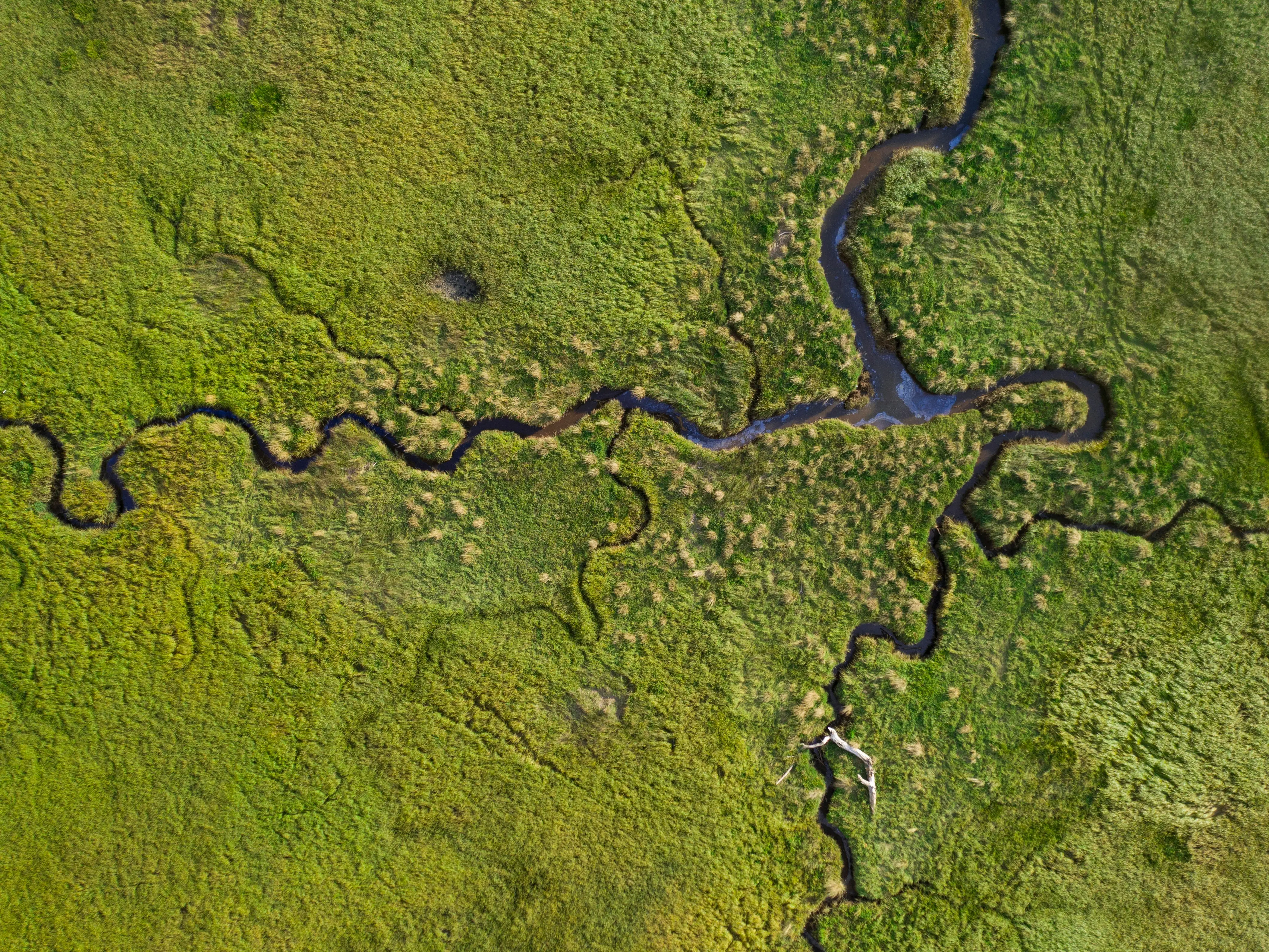
A carbon vault in Africa is leaking and it could be a dangerous sign. Photograph: (Unsplash)
Carbon emissions from blackwater lakes in the Congo Basin are becoming a cause of worry. Scientists say old carbon is being released from them, and they don't know how this is happening. But they think it could be linked to climate change.
Amazon Basin, the Congo Basin, and the wetlands of Southeast Asia are basically carbon sinks holding ginormous amounts of it collected over thousands of years. Scientists always assumed that this carbon would only be released under special circumstances, such as droughts. However, after a recent study, they were surprised to find that one of these basins is already leaking and releasing carbon, which is a lot older than one would expect. Roughly one-third of all carbon on Earth is stored in tropical peatlands. Accessing these areas is almost impossible and has created a scarcity of information on how they influence the global carbon cycle and climate. ETH Zurich went ahead and studied the Congo Basin in Africa, which contains one of the largest and most important of these carbon reserves. While they could not access its central portion, they managed to uncover the Ruki River, one of the darkest blackwater rivers in the world.
Blackwater lakes in basins are releasing carbon dioxide
However, their analysis was focused on two darkly stained lakes filled with organic runoff - Lac Mai Ndombe, Africa’s largest blackwater lake, and Lac Tumba, a smaller, similar lake. The former is more than four times the size of Lake Constance, a 63km-long central European lake system in the Alps. These blackwater lakes are surrounded by swamp forests and lowland rainforest growing on deep peat soils. Organic material from these forests enters the lakes and turns the water into a dark brownish-blackish colour. When the results from both lakes were compared, some shocking results. Scientists found that they are emitting huge amounts of carbon dioxide into the atmosphere.
Thousands of years-old carbon is being emitted
As mentioned above, this should not have happened in a regular scenario when the conditions are basically normal. However, what was even more surprising was the age of this carbon. The researchers estimated that while 60 per cent of the carbon comes from new compounds and peat, the rest can be traced to material accumulated thousands of years ago. They determined the age of dissolved carbon dioxide through radiocarbon dating. Lead author Travis Drake, a scientist in the Sustainable Agroecosystem (SAE) group led by ETH Professor Johan Six, said, "We were surprised to find that ancient carbon is being released via the lake."
Trending Stories
)
)
)
)
)
)
)
)
)
)
)
)
)
)
)
)
)
)
)
)
)
)
)
)
)
)
)
)
)
)
)
)
)
)
&im=FitAndFill=(700,400))
)
)
)
)
Why are the lakes releasing old carbon?
Co-author Matti Barthel, research technician in SAE, added, "The carbon reservoir has a leak, so to speak, from which ancient carbon is escaping." The team is stumped to see that old carbon is being released from undecomposed plant material, and they are not sure how it reaches the lakes. They are worried that this could be happening because of climate change and may signal broader environmental changes. If the conditions keep becoming drier, it could dry out peat soils more often, causing oxygen to penetrate deeper into the soil. This process would cause microorganisms to break down stable organic matter that was previously stored, thus releasing additional CO2 into the atmosphere from the store. This would create a scary situation for Earth, as more greenhouse gases mean a hotter climate.