NASA launches LINK to catch 22-year-old Swift observatory in space - Details

&imwidth=600&imheight=450&format=webp&quality=medium "NASA launches LINK to catch 22-year-old Swift observatory in space - Details")
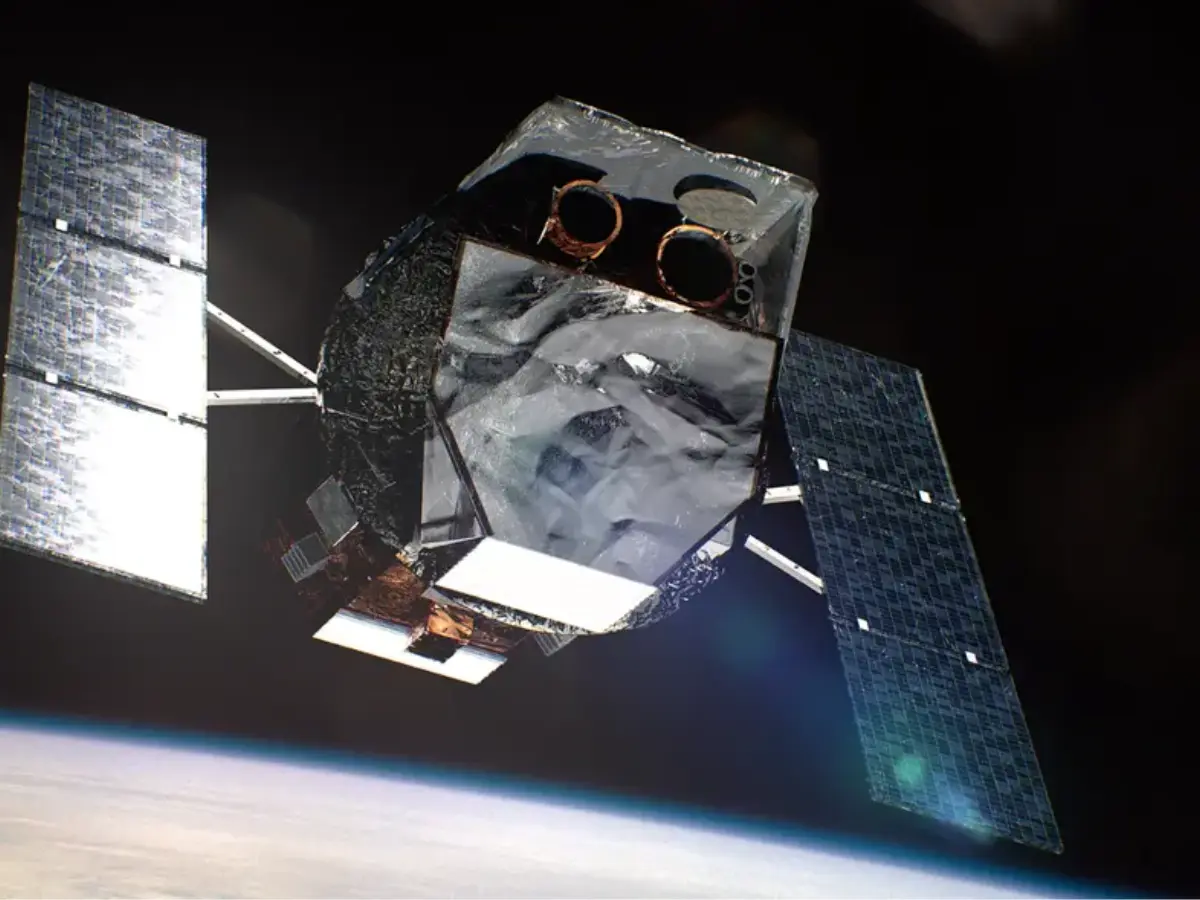
Rescue mission to save Neil Gehrels Swift Observatory launched by NASA. Photograph: (NASA)
NASA has launched a mission to save the Neil Gehrels Swift Observatory and prevent it from falling. It wants to save the observatory instead of letting it crash because of the crucial work it is doing in watching stellar deaths in ancient cosmos.
NASA launched the LINK craft to catch a falling telescope with three robotic arms in space on Friday. The Neil Gehrels Swift Observatory has been watching major explosions in space for 22 years. But a thinning orbit has caused a drag on it, putting it at risk of crashing on Earth. NASA earlier said that the chances of the telescope crashing by June 2026 stood at 50 per cent, and there is a 90 per cent probability of it happening before 2027. LINK will carry the telescope to a higher and more stable orbit and place it there. The intention is to increase its lifespan because of the work it does. This is the first time a space agency has carried out such a mission.
Swift has been gradually falling towards Earth. Its initial orbit in 2004 was located at 600 km above the surface of Earth. But now it has dropped to around 360 km. The majority of this drag happened in the last two years. Some of Earth's atmosphere stretches into space, which pulls on spacecraft and satellites. Increasing solar storms in the past year, with the current solar maximum, have pushed the observatory further down. Satellites crash onto Earth and burn up in the atmosphere, but Swift was a project NASA wanted to save.
It has three telescopes aboard that peer into the earliest time of the universe. It witnesses powerful explosions caused by stellar deaths and their material crashing into each other. These events generate more energy than our Sun will produce over its entire life cycle. These explosions need to be captured quickly since they are extremely brief. Swift has been doing this job perfectly since it was launched. So NASA wants to save this space observatory.
Also Read: THIS space telescope could crash any time. NASA will launch a spacecraft from plane to save it
Designing a robot that can save Swift
The task of saving it was awarded to Katalyst Space Technologies, which had its task cut out - launch a mission within a year before Swift falls down to 300 km. Chief Executive Ghonhee Lee said that at this point, it would become impossible to save it. The company "designed, built, tested, and integrated a robotic spacecraft" in just eight months. It has cameras and guidance systems and is driven by small thrusters.
Trending Stories
&imwidth=280&imheight=210&format=webp&quality=medium)
&imwidth=280&imheight=210&format=webp&quality=medium)
&imwidth=280&imheight=210&format=webp&quality=medium)
&imwidth=280&imheight=210&format=webp&quality=medium)
&imwidth=280&imheight=210&format=webp&quality=medium)
&imwidth=280&imheight=210&format=webp&quality=medium)
&imwidth=280&imheight=210&format=webp&quality=medium)
&imwidth=280&imheight=210&format=webp&quality=medium)
&imwidth=280&imheight=210&format=webp&quality=medium)
&imwidth=280&imheight=210&format=webp&quality=medium)
&imwidth=280&imheight=210&format=webp&quality=medium)
&imwidth=280&imheight=210&format=webp&quality=medium)
&imwidth=280&imheight=210&format=webp&quality=medium)
&imwidth=280&imheight=210&format=webp&quality=medium)
&imwidth=280&imheight=210&format=webp&quality=medium)
&imwidth=280&imheight=210&format=webp&quality=medium)
&imwidth=280&imheight=210&format=webp&quality=medium)
&imwidth=280&imheight=210&format=webp&quality=medium)
&imwidth=280&imheight=210&format=webp&quality=medium)
&imwidth=280&imheight=210&format=webp&quality=medium)
&imwidth=280&imheight=210&format=webp&quality=medium)
&imwidth=280&imheight=210&format=webp&quality=medium)
&imwidth=280&imheight=210&format=webp&quality=medium)
&imwidth=280&imheight=210&format=webp&quality=medium)
&imwidth=280&imheight=210&format=webp&quality=medium)
&imwidth=280&imheight=210&format=webp&quality=medium)
&imwidth=280&imheight=210&format=webp&quality=medium)
&imwidth=280&imheight=210&format=webp&quality=medium)
&imwidth=280&imheight=210&format=webp&quality=medium)
&imwidth=280&imheight=210&format=webp&quality=medium)
&imwidth=280&imheight=210&format=webp&quality=medium)
&imwidth=280&imheight=210&format=webp&quality=medium)
&imwidth=280&imheight=210&format=webp&quality=medium)
&imwidth=280&imheight=210&format=webp&quality=medium)
&im=FitAndFill=(700,400)&imwidth=280&imheight=210&format=webp&quality=medium)
&imwidth=280&imheight=210&format=webp&quality=medium)
&imwidth=280&imheight=210&format=webp&quality=medium)
&imwidth=280&imheight=210&format=webp&quality=medium)
&imwidth=280&imheight=210&format=webp&quality=medium)
LINK will take at least 4 months to do its job
It will spend a few weeks switching on and testing its systems to ensure everything is working properly. Although the Pegasus XL rocket placed LINK near Swift, it will be three to four weeks before it places itself alongside the observatory. It will photograph it from all angles, and later use its three arms to hold it and carry it upwards. It will be a slow process and will take three to four months.

